Summary: Fizzy painkillers contain a lot of sodium, which raises the risk of heart disease. So the higher risk of heart attack or stroke from frequent use has two causes. One is the drug itself. The other is the salt. Many fizzy painkillers are sold over the counter. The body absorbs them fast, which gives quick chronic pain treatment. People love these painkillers. But a study now shows that fizzy painkillers might harm your heart. That matters, since people now take fizzy vitamins too.
People like fizzy painkillers such as fizzy acetaminophen tablets. They are easy to take and work fast. Acetaminophen is one of the best painkillers. It also treats colds and flu and brings down fever. Used as directed, it is one of the safest painkillers. But overuse may do real harm.
Fizzy acetaminophen tablets are everywhere. Many people get in the habit of taking them for every small ache. Some take them when they just feel off or tired. That abuse is what may do the damage.
Acetaminophen overuse is hard on the liver and kidneys. It is sold over the counter because taking it now and then does no harm. Taking it too often is a whole different story.
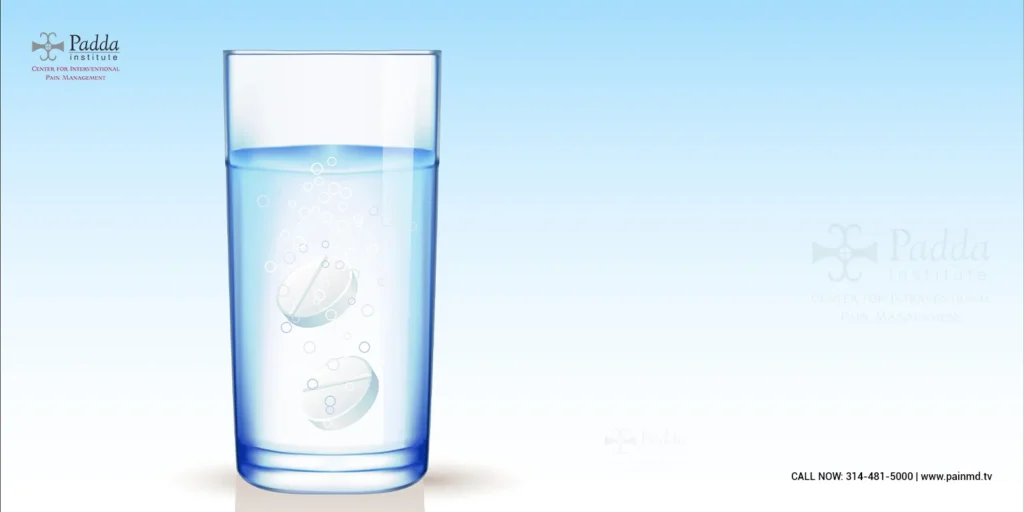
But there is an even bigger reason it may hurt you. It appears fizzy tablets are loaded with sodium. Sodium is a filler in these tablets, not the drug. Sodium salt makes the tablet fizz, dissolve fast, and absorb quickly.
You can safely take two of these tablets at once for chronic pain treatment, and even take them 3-4 times a day. That is because they work well to ease the symptoms of many painful problems, including headaches. But researchers warn that each tablet of fizzy painkillers holds more than 400 milligrams of sodium.
Many studies show that too much sodium is a leading cause of heart and blood vessel disease. It also drives deaths that did not have to happen. Studies suggest people already get too much sodium from food. They eat far too much table salt.
People know too much salt is bad. But they often miss the so-called hidden sodium sources. Fizzy painkillers are one of them for people who take these pills often.
In a new study published in the European Heart Journal, researchers studied the health records of 300,000 people. They were surprised. People who often used fizzy painkillers were 45% more likely to have a heart attack. The more often people took these tablets, the higher the risk climbed. Thus, the study could establish the relationship between the frequent use of these painkillers and heart attack risk.
As the researchers noted, millions of people around the world take these fizzy painkillers each year for chronic pain and headaches. That makes them one of the significant drivers of heart disease risk. It cannot be ignored.
The higher heart risk comes mainly from the salt in fizzy tablets. And more and more people now take fizzy tablets of ibuprofen, aspirin, and even vitamins. All of these tablets are high in sodium.
Acetaminophen’s own toxic effects make things worse. New studies suggest that acetaminophen can increase blood pressure risk and may increase the risk of heart attack and stroke. These are fairly new findings. Doctors used to think acetaminophen was fine for the heart. Researchers also saw that most non-steroidal anti-inflammatory drugs (NSAIDs) raise the risk of heart and blood vessel disease.
Acetaminophen is one of the most used over-the-counter painkillers in the world. It is the main drug in Tylenol, Panadol, Excedrin, and many other pain pills. It is a good painkiller. But people often take it for problems it may not really help.
So, abusing acetaminophen and fizzy painkillers may raise the risk of heart attack and stroke.
Frequently asked questions
Why are fizzy painkillers bad for your heart?
The fizz comes from sodium. Sodium salt makes the tablet bubble, dissolve and absorb fast. Each tablet carries more than 400 milligrams of it. Too much sodium is a leading cause of heart and blood vessel disease. So people who take these tablets often pile a hidden salt load on top of their diet.
How much sodium is in a fizzy painkiller?
More than 400 milligrams in each tablet. People may take two tablets at a time, three or four times a day. So a frequent user can swallow a lot of salt without ever touching the salt shaker. Most people already get too much sodium from food. That is why this hidden source matters.
Is Tylenol bad for your heart?
Taking it now and then is not the problem. Acetaminophen is the main drug in Tylenol, Panadol and Excedrin. Newer studies suggest it can raise blood pressure. It may also raise the risk of heart attack and stroke. Doctors did not know this until recently. Overuse is also hard on the liver and kidneys. And many people take it for problems it does not help.
Are other effervescent tablets high in sodium too?
Yes. Fizzy forms of ibuprofen, aspirin and even vitamins use the same sodium salts to bubble. All of them are high in sodium. If you take several fizzy products a day, painkillers or supplements, count them as a real source of salt.
What did the European Heart Journal study find?
Researchers reviewed the health records of 300,000 people. Those who often used fizzy painkillers were 45% more likely to have a heart attack. The risk climbed the more often people took the tablets. That pattern is what tied frequent use of these painkillers to heart attack risk.
Dr. Gurpreet Singh Padda, MD, MBA, MHP