Car accident injury doctor · St. Louis

Car Accident Injuries and Pain Management at Padda Institute

Car accidents most often cause whiplash, soft tissue sprains and strains, and fractures. Each one brings pain, swelling and lost movement. We treat them with medicine, physical therapy and procedures such as nerve blocks and injections. Get checked as soon as you can after the crash, even when the injury feels minor.

At Padda Institute Of Pain Management, we understand that car accidents can result in a wide range of injuries. That pain can affect your daily life. Our pain team gives personal care to people who have been in a car accident. Our full range of treatments helps you move again, ease pain and get your life back.
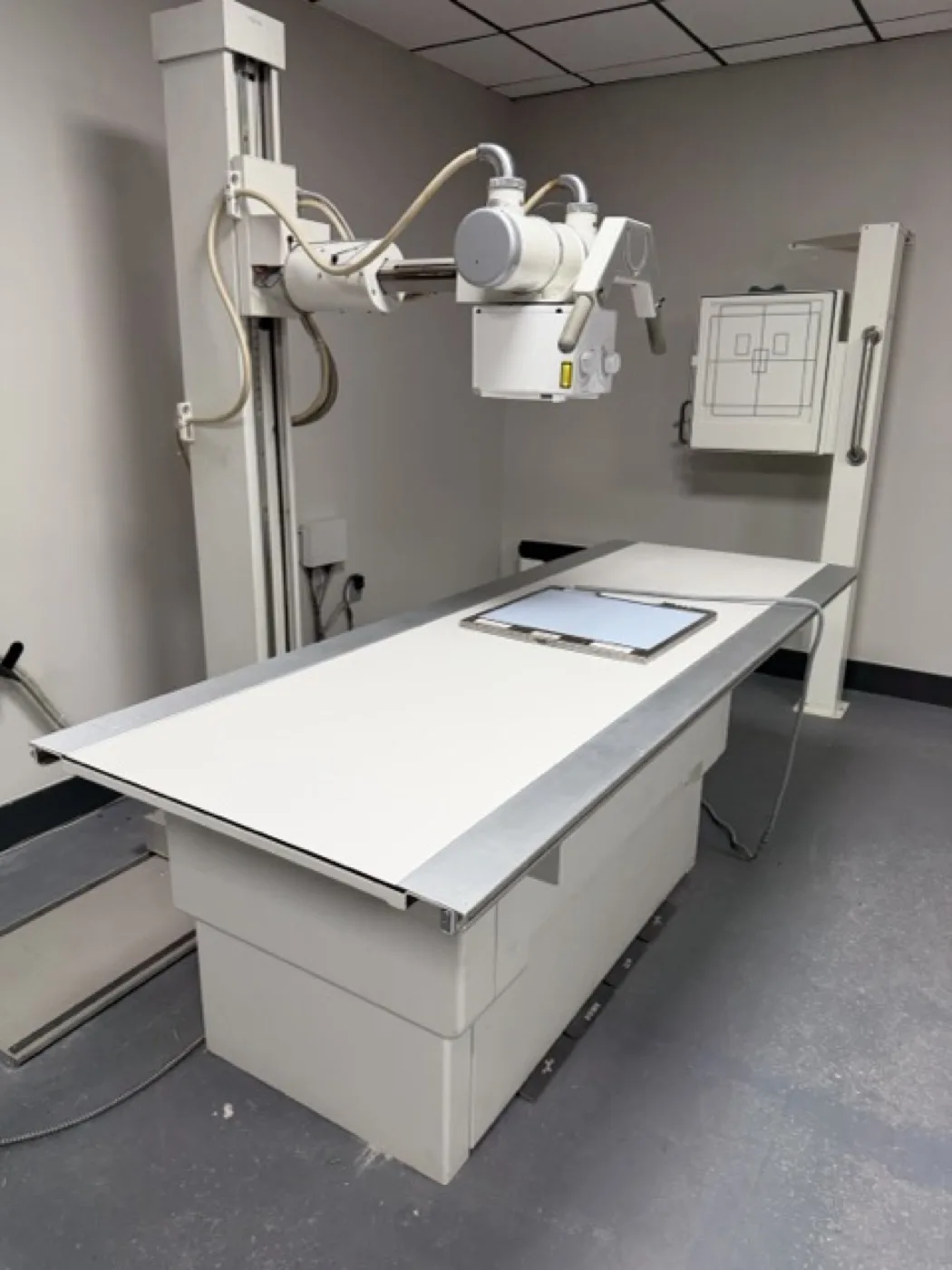

Digital whole body X-ray room at Padda Institute, St. Louis
On-site digital X-ray means imaging without a separate hospital visit.

What are the most common car accident injuries?

Car Accidents Injuries

What is whiplash?

Whiplash is a common crash injury. It happens when the head is whipped back and forth. That sudden snap can damage the muscles, ligaments and tendons in the neck. The result is pain, stiffness and less range of motion.

Car Accidents Injuries

Soft Tissue Injuries

Soft tissue injuries, such as sprains and strains, can come from the impact of a crash. They cause pain, swelling and bruising. That can make everyday tasks hard.

Car Accidents Injuries

Fractures

Fractures, or broken bones, can come from the force of a crash. Depending on where the break is and how bad it is, it can cause pain, swelling and trouble moving.

How are car accident injuries treated?

Car Accidents Injuries

Medication Management

Our pain team can prescribe and track medicines to ease pain and inflammation from car accident injuries. We work with you to find the medicine plan that works best for you.

Car Accidents Injuries

Physical Therapy

Physical therapy is key to getting back movement, strength and function after a car accident injury. Our skilled therapists will build a plan made for you. It helps you recover, get your independence back and prevent future injuries.

Car Accidents Injuries

When are nerve blocks or injections used after a crash?

Sometimes procedures such as nerve blocks or injections are the right call for car accident pain. Our team will assess your condition and choose the best treatment options for you.

Compassionate Care at Padda Institute Of Pain Management

At Padda Institute, we give the highest level of care to people hurt in car accidents. Our pain team stays with you at every step, from diagnosis to treatment and beyond. Contact us to book a visit and start working toward a life without pain.

Schedule An Appointment
Car Accidents Injuries

See a doctor as soon as you can after a car accident, even if you think you are only a little hurt. Early care can head off problems and gives you the best shot at a full recovery.

Yes. Our pain team can help people with chronic pain from past car accidents. We will assess your condition and build a plan made for you to ease your pain and improve your life.

Please bring any medical records, imaging results (X-rays, MRIs, CT scans), a list of your current medicines, and your insurance information. This helps our team learn your history and build the best plan for you.

After a car crash, the bill often does not go to your health insurance. Depending on the case, care may be billed to auto medical payments coverage, personal injury protection, or a third-party liability claim. Bring your accident details and any claim or adjuster information to your first visit. That way billing is set up right from the start and not fixed later.

Recovery time depends on how bad the injury is, your overall health, and how well the treatment works. Our pain team will track your progress closely and adjust your plan as needed for the best recovery.

Many people keep working during pain treatment. It depends on the kind of job and how bad the injury is. Our team will help you figure out what changes at work you may need to stay safe and comfortable while you heal.

Your medical record is what a claim or disability decision gets judged against later. We record how the injury happened, what the exam shows, imaging and electrodiagnostic (nerve) test results, what you can no longer do, and how you respond to treatment. Accurate notes made at the time carry more weight than any summary written after the fact.

This is common after a car crash. Standard imaging shows bone and large structures well. But soft tissue injury, ligament strain and nerve irritation often do not show up on it. We check for those directly, including electrodiagnostic (nerve) testing when we suspect a nerve is involved. We do not assume a normal film means nothing is wrong.

A functional capacity evaluation measures what you can physically do. That includes lifting, carrying, and how long you can sit and stand. It does not rely on what you report. When a claim or a return-to-work decision depends on proof of your physical ability, that hard measurement is often what decides it. Whether you need one depends on your injury and what your claim requires.

You can contact us directly. Many accident patients are sent by a lawyer, a family doctor or an emergency room. But you do not need a referral to be seen. Getting checked sooner usually makes a clearer record of what the accident caused.

A pain management specialist is built for the injuries crashes cause most: whiplash, sprains and strains, fractures and nerve irritation. We examine you, review your imaging, test your nerves when we suspect a problem, and record what the accident caused. Treatment can mix medicine, physical therapy and procedures such as nerve blocks or injections. You do not need a referral. You can contact us directly.

That depends on your injury. That is why the choice belongs with a doctor who has examined you. Our team prescribes and tracks medicines that target the pain and inflammation from car accident injuries. We adjust the plan with you until it works. Medicine is rarely the whole answer. It is usually paired with physical therapy and, when needed, nerve blocks or injections.

Watch for the problems crashes usually cause. Whiplash brings neck pain, stiffness and less range of motion. Sprains and strains bring pain, swelling and bruising. A fracture brings pain or trouble moving. See a doctor as soon as you can, even if the injury seemed minor. A normal X-ray does not rule anything out. That is because soft tissue injury, ligament strain and nerve irritation often do not show on standard imaging.

Have A Question?

Prefer not to fill in a form?

Same-day and emergency appointments are available.