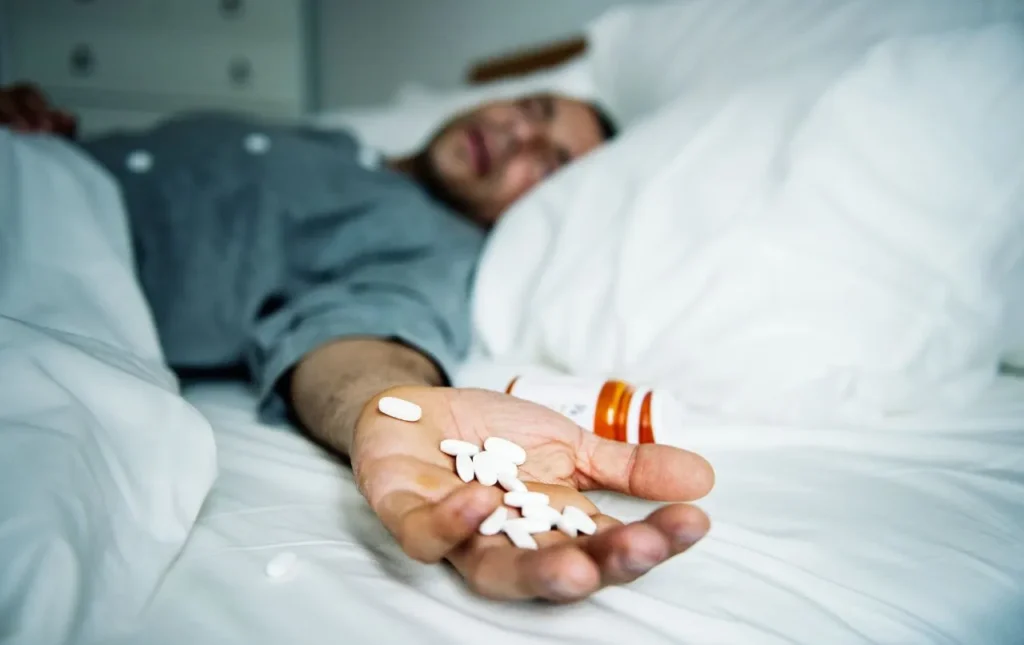
Summary: Studies show that overdose-related deaths rose at an alarming rate of 30% from 2019 to 2020 in the US. But the deaths did not fall evenly. They hit Black and Indigenous Americans much harder. The jump was steepest in young Black people. And it seems that fentanyl, alone or mixed into other drugs, was the leading killer.
Some groups in the US have been at a disadvantage for a long time. Now new data shows overdose deaths climbing fastest, and out of proportion, among Black and Indigenous people. A report from the Centers for Disease Control and Prevention shows that deaths due to drug overdose rose by 30% from 2019 to 2020. That is a massive increase.
But the devil is in the details. Dig into the same report and you see that Black and Indigenous people were hit harder. Overdose deaths among Black people jumped 44%. American Indian and Alaska Native people did badly too. In that group, overdose deaths rose by 39%.
Researchers say deaths among Indigenous and Black people outpaced deaths among white people. Among white people, overdose deaths rose by about 22% in the same period. That is significantly lower. One way to explain the gap is drug choice. White people tend to use different drugs than Black or Indigenous Americans.
But experts say there are many reasons for the gap. One significant one is bias in who gets treated. A 30% rise in overdose deaths is already a historic mark, and there is more. It appears young Black people (15 to 24 years old) were hit worst, with an almost 86% increase in overdose deaths. In just one year, deaths in this group nearly doubled.
It gets worse. Among men older than 65, overdose deaths were seven times higher in Black men than in white men. That is a staggering gap. Like many other reports, this study found the gap was widest in counties with the biggest gaps in income and status. Where the income gap between groups was smaller, the gap in overdose deaths was smaller too.
Researchers say the income gap between racial groups seems to matter most. It brings poor housing, no health insurance, little access to treatment, and more.
Experts also found that most people who die never get timely treatment for drug use or overdose. Treatment rates for drug use among Black people are low. Only one in 12 gets any kind of treatment. The numbers were about the same for other left-behind groups, such as Hispanic and Indigenous people.
The researchers noted a few other trends that may matter in practice. First, most overdose deaths came from illegally made fentanyl. Even in cocaine or methamphetamine overdoses, fentanyl mixed into the drug seems to be a significant problem.
So researchers say cutting off the illegal fentanyl supply is key to lowering overdose deaths in the US. They also call for wider access to drug treatment and to medicines like naloxone, which can reverse an opioid overdose. Fentanyl test strips should be easier to get, too. They show which drugs contain fentanyl.
It is our mission to bring real hope and transformational change to patients who would otherwise be consigned to a lifetime of medications, doctor’s visits, and suffering. We expose misaligned incentives and return the power of health to the individual. We believe empowered individuals change their communities. We use a combination of lifestyle intervention, medication management, and emerging scientific research to help our patients. When you are ready or have questions, reach out.
Frequently asked questions
Why are overdose deaths increasing?
Illegally made fentanyl drove most of the deaths in the 2019 to 2020 data, when US overdose deaths rose 30%. Even people who overdosed on cocaine or methamphetamine were often exposed to fentanyl mixed into those drugs. So researchers call for cutting off the illegal fentanyl supply. They also want wider access to drug treatment and to naloxone, which reverses opioid overdose. And they want fentanyl test strips to be easier to get.
Which groups saw the biggest rise in overdose deaths?
Between 2019 and 2020, overdose deaths rose 44% among Black people and 39% among American Indian and Alaska Native people. Among white people, the rise was about 22%. Young Black people aged 15 to 24 fared worst, with an almost 86% increase. Their deaths nearly doubled in a single year. Among men older than 65, overdose deaths were seven times higher in Black men than in white men.
Why are overdose deaths higher in Black and Indigenous communities?
The income gap between racial groups seems to matter most. It brings poor housing, no health insurance and little access to treatment. The gap in overdose deaths was widest in counties with the biggest gaps in income and status. It was narrower where incomes were closer. Bias in treatment plays a part too. Few Black people get treated for drug use. Only one in 12 gets any kind of treatment, and the numbers for Hispanic and Indigenous people are about the same.
The content provided herein is not intended to provide assessment, diagnosis, treatment, or medical advice; it also does not constitute provision of healthcare services. No information in this content should ever be considered as a substitute for advice from a healthcare professional, it is provided for thoughtful discussion, informational and educational purposes only.
Dr. Gurpreet Singh Padda, MD, MBA, MHP


