Yes. In large studies, chronic pain that limits daily life, or that hurts in several places at once, raises the risk of early death. Much of that runs through heart disease, insulin resistance and visceral fat (deep belly fat around the organs). Chronic pain is almost always treated as a quality-of-life problem. It is also a survival problem, and the people carrying it are rarely told so.
Does chronic pain shorten your life? The latest federal estimate puts the cost of chronic pain in the United States at 722.8 billion dollars a year, counting medical care and lost work. Its authors list what the figure leaves out, including the hidden cost of suffering. No line in that ledger counts a death.
The video for Chapter 1 of The Pained Brain, The Cost of Pain Is Paid in Years, introduces the patient behind that number. The book is by Dr. Gurpreet Singh Padda, MD, MBA, MHP, and Dr. KrisJay Fucanan, MD. This page goes into what the video had no room for. What predicts an early death in a person who hurts? And what should be measured because of it?
Does chronic pain shorten your life? What the large cohorts found
For a long time the published answer was no. Seven community studies pooled before the big registries gave a death rate ratio of 1.14, which was not statistically significant. For most of my career, my own specialty treated pain as a local structural failure. Those numbers never pushed back.
Then the half-million-person studies arrived. Among British research volunteers, pain all over the body carried 2.43 times the rate of death from any cause. It carried 3.24 times the rate of death from heart disease, compared with people who had no chronic pain.
Heart disease is where much of that extra risk lands. One study followed 475,171 adults for a middle time of 7.0 years. Widespread chronic pain carried 1.48 times the risk of a major heart or blood vessel event. That was after body mass index, C-reactive protein and type 2 diabetes were already in the model. The share of that risk due to chronic pain was 8.6 percent, against 7.3 percent for diabetes.
Pain keeps adding even inside diabetes. One study followed 19,899 people with type 2 diabetes for a middle time of 13.9 years. Each extra painful site raised the hazard of death 1.04-fold and the hazard of heart disease 1.10-fold.
Interference, not intensity, predicts who dies
This is the finding I would put on every intake form. One study followed 19,487 American adults over 50 for twenty years. Pain that limited daily activity carried 1.33 times the hazard of death. That was after heart disease, cancer, lung disease, diabetes and body mass were taken into account. Moderate or severe pain that did not limit activity carried 1.05, which was not significant. For a 67-year-old woman, that model put ten-year death risk at 13.0 percent without limiting pain and 20.3 percent with it.
The number of painful places matters too. Among 384,367 British adults, the hazard of death climbed with each extra site of muscle and joint pain. It went from 1.09 at one site to 1.46 at four. A pain score tells me how loud the alarm is. Whether the pain stops you from living, and in how many places it rings, tells me far more about your years.
Fibromyalgia marks the edge of this pattern. Pooled across seven studies and 152,933 people, it showed no clear extra death from all causes, at 1.11. Yet the odds of suicide were 5.39. It shortens life another way. That is why mood screening belongs inside a pain evaluation.
Where the risk lives: insulin, visceral fat and an unfinished fire
When statisticians adjust the link between pain and death for weight, diabetes and heart disease, the link shrinks. In the American study, the hazard fell from 1.52 to 1.33. Most readers take that as pain being explained away. I read it as an address. The risk shrank because part of it was already sitting inside the metabolic disease.
The first driver is insulin. Among American adults without diabetes, the share with insulin resistance rose from 24.8 percent to 38.4 percent between 1999 and 2018. Blood sugar stays normal while insulin climbs, so the chart reads healthy. We have covered how high insulin makes you hurt. The nerve-level detail is in the post on the hormone that starves your nerves.
The second driver is visceral fat, the fat packed around the organs. It acts like a gland that releases inflammation signals all day. In 5,905 American adults, a visceral-fat score predicted chronic pain better than body mass index or waist size past age 65. That is why belly fat is not passive storage.
The third piece flips what most of us were taught. One study looked at 98 people with new low back pain. Those who recovered had more than 5,500 immune genes change their activity and then settle back down. Those whose pain became chronic showed none. The recovery response was about 75 percent larger. The problem was never inflammation itself. It is inflammation that never finishes, the state we call metaflammation. The human side of that work is observational. Still, the direction is hard to ignore.
It also explains why a normal C-reactive protein settles nothing. Higher CRP that comes from your genes does not cause spinal pain. What raised CRP seems to do is amplify. In one group followed forward, hs-CRP at or above 3 mg/L did not predict new chronic pain on its own. Paired with poor sleep, it carried 2.47 times the odds of chronic muscle and joint pain. Sleep is not a comfort measure. It is part of the inflammation equation, and the sleep and pain loop runs both ways.
The social driver: schooling, work and the year you were born
Two body drivers are not the whole story. At age 52, 40 percent of Americans born in 1965 without a college degree reported pain. That compares with 32 percent of those born in 1955. Pain rose 0.6 percentage points per birth year for people without a degree, and 0.2 for those with one. Body mass explained only about a quarter of that rise. Pain is being handed out by schooling and money, not only by joints.
That pattern feeds the biology. Losing work means losing income, movement and company, and each pushes insulin the wrong way. In British adults over 60 who started without diabetes, pain at four to seven sites raised the hazard of new type 2 diabetes to 1.198. Body weight carried nearly half of that effect.
What to measure, and what to do with the answer
Limiting pain, the number of painful sites, insulin and visceral fat (deep belly fat) carry the risk. So a pain evaluation that images only the joint is incomplete. In our practice, the first workup includes a fasting insulin, markers of inflammation, vitamin D and the blood fat pattern, along with the exam. Fewer than 1 percent of the chronic pain patients who come to us are metabolically healthy. That is a figure from our own patients, not a trial outcome, and individual results vary.
Opioids sit inside this same picture. Dose carries risk. Among 9,940 patients on long-term opioids for chronic pain not caused by cancer, 100 or more milligrams a day carried 8.87 times the overdose hazard of the lowest doses. A forced taper carries risk too, as covered in the questions below. The way through is to shrink what the dose is covering for. Under that plan, within ninety days 21 percent of our patients no longer take opioid pain medicine. By one year it is 34 percent. And in our established patients, under 1 percent stay above 90 morphine milligram equivalents. Those are figures from our own patients, not trial outcomes, and individual results vary. Any dose change belongs with your doctor. That is why we call medication a bridge, not a destination.
Here is what comes back to you. Ask for your fasting insulin, not only your glucose. Ask that the number of places you hurt, and whether pain stops you from doing things, be written in your chart. Guard your sleep as seriously as a prescription. Every study behind these figures, what each one shows and what it cannot show, is in the Deep Dive to Chapter 1, written to hand to your doctor. The next step is learning what pain actually is: a signal with a source, not a diagnosis.
Frequently asked questions
Can chronic pain shorten your life expectancy?
In large studies, yes. British volunteers with widespread pain died at more than twice the rate of people without chronic pain. The extra risk held at 1.47 times after weight, activity, smoking, alcohol and diet were adjusted. The risk centers on pain that limits daily life and pain at several sites. It is not a verdict on any one person. And much of it runs through metabolic disease that can be measured. Untreated pain is not a neutral holding position.
Why does chronic pain raise the risk of heart disease?
Pain and heart disease share a terrain: insulin resistance, visceral fat (deep belly fat) and inflammation that never clears. Among 475,171 adults, widespread chronic pain carried 1.48 times the risk of major heart and blood vessel events. That held even with diabetes and C-reactive protein in the model. Pain also drives sitting still and broken sleep, which push the same terrain further the wrong way. Here is why we treat insulin before we treat the joint.
Can my blood sugar be normal if I have insulin resistance?
Yes. When cells stop responding to insulin, the pancreas makes more, and glucose can stay normal for years. Among American adults without diabetes, high fasting insulin rose from 28.2 percent to 41.4 percent between 1999 and 2018. A normal A1c does not rule it out. So ask your doctor for the fasting insulin number itself. Insulin resistance arrives years before diabetes, and a glucose test misses it.
Is it risky to taper pain medication quickly?
A fast or forced taper carries its own risk. Even 12 to 24 months after a taper began, overdose or withdrawal events and mental health crises were still higher. They ran at 1.57 and 1.52 times the rate seen on a stable dose. The safer route first lowers what the dose is covering for. Any change is worked through with your doctor. Why an abrupt taper is also harm.
Does a normal CRP mean I have no inflammation?
No. Higher C-reactive protein that comes from your genes does not cause spinal pain. In 5,905 American adults, CRP explained only 7.4 percent of the link between visceral fat (deep belly fat) and chronic pain. The trouble in chronic pain is inflammation that never finishes, and one marker cannot show that. CRP means more when read beside your sleep than when read alone. How a sensitized nervous system lowers its own pain threshold.
Measure the body your pain lives in
Has your pain been treated one joint at a time, with nobody checking your fasting insulin? Start there. We check the terrain before we reach for the needle.
Request an appointment, or call or text us.
Sources
- Macfarlane, G. J., Beasley, M., & Jones, G. T. (2023). Chronic pain and premature mortality in men and women, using data from UK Biobank. The Journal of Clinical Investigation, 133(5), e166949. https://doi.org/10.1172/JCI166949
- Ruan, H., Yang, Y., & Grol-Prokopczyk, H. (2026). Which is More Predictive of Mortality-Pain Severity or Pain Interference? Evidence from 20-Year Longitudinal Data. The Journal of Pain, 40, 106192. https://doi.org/10.1016/j.jpain.2026.106192
- Chen, L., Ferreira, M. L., Nassar, N., Preen, D. B., Hopper, J. L., Li, S., Bui, M., Beckenkamp, P. R., Shi, B., Arden, N. K., & Ferreira, P. H. (2021). Association of chronic musculoskeletal pain with mortality among UK adults: A population-based cohort study with mediation analysis. EClinicalMedicine, 42, 101202. https://doi.org/10.1016/j.eclinm.2021.101202
- Vaegter, H. B., Støten, M., Silseth, S. L., Erlangsen, A., Handberg, G., Sondergaard, S., & Stenager, E. (2019). Cause-specific mortality of patients with severe chronic pain referred to a multidisciplinary pain clinic: a cohort register-linkage study. Scandinavian Journal of Pain, 19(1), 93–99. https://doi.org/10.1515/sjpain-2018-0094
- Wu, C., Ke, Y., & Nianogo, R. A. (2025). Trends in Hyperinsulinemia and Insulin Resistance Among Nondiabetic US Adults, NHANES, 1999-2018. Journal of Clinical Medicine, 14(9), Article 3215. https://doi.org/10.3390/jcm14093215
- Zhu, J., Wang, Y., Yu, G., Li, L., He, J., Liao, H., & Wu, X. (2025). Association between metabolic score for visceral fat and chronic pain: a cross-sectional analysis of NHANES 1999-2004. Frontiers in Nutrition, 12, Article 1545774. https://doi.org/10.3389/fnut.2025.1545774
- Parisien, M., Lima, L. V., Dagostino, C., El-Hachem, N., Drury, G. L., Grant, A. V., Huising, J., Verma, V., Meloto, C. B., Silva, J. R., Dutra, G. G. S., Markova, T., Dang, H., Tessier, P. A., Slade, G. D., Nackley, A. G., Ghasemlou, N., Mogil, J. S., Allegri, M., & Diatchenko, L. (2022). Acute inflammatory response via neutrophil activation protects against the development of chronic pain. Science translational medicine, 14(644), eabj9954. https://doi.org/10.1126/scitranslmed.abj9954
- Liang, J., He, X., Ouyang, Y., Song, X., Li, M., Qi, T., Chen, J., Zhang, X., Guo, X., Jia, T., Wu, S., Kou, C., & Bai, W. (2026). Association between chronic pain and type 2 diabetes in older adults: A prospective study in the UK Biobank. The Journal of Pain, 43, 106272. https://doi.org/10.1016/j.jpain.2026.106272
- Dunn, K. M., Saunders, K. W., Rutter, C. M., Banta-Green, C. J., Merrill, J. O., Sullivan, M. D., Weisner, C. M., Silverberg, M. J., Campbell, C. I., Psaty, B. M., & Von Korff, M. (2010). Opioid prescriptions for chronic pain and overdose: a cohort study. Annals of Internal Medicine, 152(2), 85–92. https://doi.org/10.7326/0003-4819-152-2-201001190-00006
- Agnoli, A., Xing, G., Tancredi, D. J., Magnan, E., Jerant, A., & Fenton, J. J. (2021). Association of Dose Tapering With Overdose or Mental Health Crisis Among Patients Prescribed Long-term Opioids. JAMA, 326(5), 411–419. https://doi.org/10.1001/jama.2021.11013
Opioid-induced constipation is a disease, not a side effect. That is because the body gets used to an opioid’s pain relief, but the bowel never gets used to the drug. Every dose increase lands on a gut that never adapts. The fix is a drug that blocks the opioid receptor in the bowel, not another stool softener.
He is fifty-six. He is nine years into an opioid prescription for a back that has had two surgeries. The dose has gone up four times, and the pain score has not moved. What changed is his bowel. He gets two hard-won stools a week. He eats nothing before leaving the house. A bottle of magnesium citrate rides in his car. His chart lists that under side effects. Opioid-induced constipation belongs on the problem list instead, and the evidence shows why.
The video The Pain Pill That Paralyzes Your Gut tells his story. This page covers the evidence under it and what a pain practice does with it. The argument comes from The Angry Gut, by Dr. Gurpreet Singh Padda, MD, MBA, MHP, and Ami Michelle Grimes. In that book, the gut is the first brain and the skull holds the second. The vagus nerve ties them together.
A side effect is a price you accept for relief. A disease gets treated. Filed in the wrong column, his bowel has steered his care for nine years.
The bowel was built with the receptor already installed
An opioid pill is aimed at pain circuits in the second brain. But it binds wherever its receptor sits. In the human gut, the mu-opioid receptor sits on nerve cells in both nerve networks of the bowel wall. It sits on immune cells just under the lining. It sits on both halves of the peristaltic reflex, the squeeze that pushes food along. The gut already runs on a quiet opioid signal of its own, enkephalin. A prescription turns that volume all the way up.
The effect reaches the whole tube. Healthy volunteers took oral codeine for three days. The time for the stomach to half empty stretched to 144.0 minutes from 95.5. Colon filling at six hours fell to 11.0% from 51%. Higher up, 24% of 225 long-term users had a faulty esophagus (food pipe). The rate climbed with the strength of the drug: 12% on tramadol, 28% on hydrocodone and 31% on oxycodone.
Then comes the mismatch that makes it chronic. The body gets used to the pain relief, which is why doses creep up. It never gets used to the bowel effect. Every increase meant to chase the pain lands on a gut that never adapts.
Why so many patients never mention it
A European study looked at 1,200 people with cancer pain on opioids. Of them, 59.5% met the Rome IV criteria for opioid-induced constipation. Yet only 61.5% of those called themselves constipated. About four in ten with a measurably stalled bowel would not have brought it up. Of those given a prescription, only 66% took it every day.
A survey of 322 people already taking both an opioid and a laxative found 81% still constipated. And 45% passed fewer than three stools a week. A third had skipped, cut or stopped their opioid just to have a bowel movement. They are running their own taper, with no doctor watching and nothing in the chart.
Money explains the silence. A short visit rewards the fastest tool, and a stool softener takes seconds to add. The question that uncovers the problem takes minutes. The social cost piles on, and isolation is itself an inflammatory state that feeds pain.
Which drugs and doses weigh most on the bowel
A study followed 80,475 patients treated for non-cancer pain in Northwest England. The risk of severe constipation varied by drug. Measured against codeine, fentanyl had a hazard ratio of 1.37. Oxycodone came in at 1.46 and morphine at 1.59. Tramadol sat lower than codeine, at 0.80. Combination products sat highest of all, at 1.85.
The dose curve bent in an odd direction. Compare it with under 50 MME a day. The band from 50 to under 120 had a hazard ratio of 1.95. But 120 and above came in lower, at 1.45. The likely reason: the highest-dose patients get laxatives up front and closer watching. The study counted only enemas or suppositories given in the hospital. So the burden at home is larger.
Treating opioid-induced constipation at the receptor, not the stool
If constipation were just the price of pain relief, blocking the receptor would cost pain control. Peripherally acting mu-opioid receptor antagonists, called PAMORAs, block the receptor in the bowel without reaching the brain. Naldemedine was tested in two identical phase 3 trials. It helped 47.6% against 34.6% on placebo in one, and 52.5% against 33.6% in the other.
The bar to count as helped was high. It took at least three natural bowel movements a week, up by at least one from the start, for 9 of the 12 weeks. Overall side effects matched placebo. But gut side effects about doubled, 40 against 18 in one trial, as a bowel held down for months woke up. Across 27 trials and 9,149 patients, naloxone and naldemedine ranked most effective. They cut the risk of no response to 0.65 and 0.66.
Two cautions keep this honest. Those trials tracked bowel movements, not pain scores. So the claim that pain relief holds rests on how the drugs are built, not on a measured result. And the class is not a free pass. Alvimopan was limited to hospital use after an association with heart attacks. And in volunteers new to opioids, the approved 25 mg dose of naloxegol did not undo the slowdown from codeine.
Compare the usual reflex. Lubiprostone pulls water into the stool. It beat placebo on bowel movements, 27.1% against 18.9%. It moved no quality-of-life measure. It caused belly pain in 7.1% against 0%. The 2023 Japanese guidelines now name naldemedine a primary treatment option. That is because a laxative treats the stool, but the receptor is the problem. Whether a blocker fits your situation is a decision for the physician managing your pain.
When more medication means more pain
The deeper problem sits in the brain and spinal cord. Narcotic bowel syndrome is belly pain that gets worse even as the opioid dose for it holds steady or rises. It shows up in about 6% of people on long-term narcotics. It is thought to start in the central nervous system, apart from the constipation itself.
The broader pattern has been measured. Across 27 randomized trials and 1,630 surgical patients, higher opioid doses during surgery led to slightly worse pain afterward. Patients needed more rescue morphine, and their skin was more sensitive to pressure. The gap was small and the certainty low. The direction is what matters. Now run it the other way. A systematic review of 67 studies looked at dose reduction. Every fair-quality study that measured them found better pain (8 of 8), better function (5 of 5) and better quality of life (3 of 3). The certainty was graded very low. Medication-driven pain has a name and a workup.
Our position: the stalled bowel feeds metaflammation (inflammation driven by metabolism), and metaflammation turns up the central pain signal. That bridge rests on tissue and animal work. No human trial has tested it end to end, because trials shut out the patient with diabetes, depression and a nine-year prescription. Every step of the plan below stands without it.
Stewardship that spares the gut
The goal is not zero opioids. Untreated severe pain wrecks sleep, work and marriages. A taper forced onto pain that has never been treated is its own kind of harm. The goal is the lowest dose that keeps your function intact.
In our practice that follows an order. Interventional treatment goes after the structure causing the pain first. The dose comes down as a result, not as a target. New patients average more than 90 MME a day after more than two and a half years in pain. Under active interventional treatment, 21% are fully weaned within 90 days and 34% within one year. Across our established patients, fewer than 1% remain above 90 MME. The figures are practice-reported, drawn from our own patients rather than trial outcomes, and individual results vary.
For his bowel, that meant three moves. Constipation went on the problem list. The plan aimed at the receptor instead of a fourth laxative. And a taper measured in months began only once interventional work was underway. Behavioral care carries its share. Acceptance and Commitment Therapy, done in-house, helps a person get through the months of a taper. Rebuilding social contact removes an inflammatory load no pill touches. The arithmetic of a safe taper is its own subject.
The heartburn pill that rebounds when stopped set up this pattern of a drug that protects its own prescription. And the next post turns to a chemical nobody prescribed. For every study and number behind these claims, and what each one cannot show, read the companion Deep Dive on the narcotic bowel.
Frequently asked questions
Does opioid-induced constipation go away over time?
Usually not. The body gets used to the pain relief from opioids. But guideline reviews note that it never gets used to the bowel effect. That effect lasts and needs long-term care. That is why constipation often worsens as doses rise to chase pain. Treating it as a passing nuisance leaves it untreated for years. The gut’s cleaning wave between meals is part of what stalls.
Why don’t stool softeners fix constipation from opioids?
A softener changes the stool. But the cause is the opioid receptor in the bowel wall. It keeps signaling as long as the drug is present. A secretagogue, a drug that pulls water into the stool, beat placebo by a little without improving quality of life. Drugs that block the gut receptor act on the cause. That is why newer guidance moves them earlier. Morphine also tightens the door that bile passes through.
What is narcotic bowel syndrome?
It is belly pain that gets worse even as the opioid dose for it holds steady or climbs. It shows up in about 6% of long-term users. It is thought to be driven by the central nervous system, not the bowel, though it often comes with constipation. The treatment is a supervised dose cut, not a higher dose. How to tell whether a medication is feeding your pain.
Will my pain get worse if my opioid dose is lowered?
Not necessarily, and often the opposite. In the dose-reduction research, the better-designed studies all found pain easing as doses fell. Overall certainty is very low. What makes it work is order. The source of the pain gets treated first. Then the dose comes down slowly with your prescriber, never suddenly and never alone. Why medication is a bridge, not a destination.
Can opioids change the gut microbiome?
Early data suggest they can. One study looked at five opioid-agonist users in addiction treatment. Their gut bugs were less varied, and two genera were depleted. Roseburia makes butyrate. Bilophila handles bile acids. It is a very small sample. People using a receptor blocker showed no such difference. A stool species list is not the same as what the microbiome is doing.
Move the bowel onto the problem list
If your pain treatment has quietly reshaped your digestion, bring both problems to the same visit. We treat the source of the pain first, so the medication burden on your gut can come down with it.
Request an appointment, or call or text us.
Sources
- Sternini, C., Patierno, S., Selmer, I.-S., & Kirchgessner, A. (2004). The opioid system in the gastrointestinal tract. Neurogastroenterology and Motility, 16(Suppl 2), 3-16. https://doi.org/10.1111/j.1743-3150.2004.00553.x
- Manabe, N., Ihara, E., Yomiya, K., Iseki, M., Torii, A., Miwa, H., & Camilleri, M. (2026). Current strategies and future perspectives in the management of opioid-induced constipation: A review of international and Japanese guidelines. Neurogastroenterology and Motility, 38(5), e70343. https://doi.org/10.1111/nmo.70343
- Davies, A., Fagan, N., Gonzalez-Barboteo, J., Chelazzi, C., Economos, G., Elsner, F., Leach, C., Monsen, R. E., Oldenmenger, W. H., Remi, C., van den Beuken-van Everdingen, M., & Wüstefeld, M. (2024). Inadequate management of opioid-induced constipation in European cancer pain patients: Results of a real-world, multicentre, observational study (“E-StOIC”). Supportive Care in Cancer, 32(10), 701. https://doi.org/10.1007/s00520-024-08898-1
- Bell, T. J., Panchal, S. J., Miaskowski, C., Bolge, S. C., Milanova, T., & Williamson, R. (2009). The prevalence, severity, and impact of opioid-induced bowel dysfunction: Results of a US and European patient survey (PROBE 1). Pain Medicine, 10(1), 35-42. https://doi.org/10.1111/j.1526-4637.2008.00495.x
- Yimer, B. B., Soomro, M., McBeth, J., Medina, C. R. R., Lunt, M., Dixon, W. G., & Jani, M. (2025). Comparative risk of severe constipation in patients treated with opioids for non-cancer pain: A retrospective cohort study in Northwest England. BMC Medicine, 23(1), 288. https://doi.org/10.1186/s12916-025-04118-7
- Hale, M., Wild, J., Reddy, J., Yamada, T., & Arjona Ferreira, J. C. (2017). Naldemedine versus placebo for opioid-induced constipation (COMPOSE-1 and COMPOSE-2): Two multicentre, phase 3, double-blind, randomised, parallel-group trials. The Lancet Gastroenterology & Hepatology, 2(8), 555-564. https://doi.org/10.1016/S2468-1253(17)30105-X
- Luthra, P., Burr, N. E., Brenner, D. M., & Ford, A. C. (2019). Efficacy of pharmacological therapies for the treatment of opioid-induced constipation: Systematic review and network meta-analysis. Gut, 68(3), 434-444. https://doi.org/10.1136/gutjnl-2018-316001
- Jamal, M. M., Adams, A. B., Jansen, J.-P., & Webster, L. R. (2015). A randomized, placebo-controlled trial of lubiprostone for opioid-induced constipation in chronic noncancer pain. The American Journal of Gastroenterology, 110(5), 725-732. https://doi.org/10.1038/ajg.2015.106
- Drossman, D., & Szigethy, E. (2014). The narcotic bowel syndrome: A recent update. American Journal of Gastroenterology Supplements, 2(1), 22-30. https://doi.org/10.1038/ajgsup.2014.6
- Frank, J. W., Lovejoy, T. I., Becker, W. C., Morasco, B. J., Koenig, C. J., Hoffecker, L., Dischinger, H. R., Dobscha, S. K., & Krebs, E. E. (2017). Patient outcomes in dose reduction or discontinuation of long-term opioid therapy: A systematic review. Annals of Internal Medicine, 167(3), 181-191. https://doi.org/10.7326/M17-0598
Facet joint pain comes from facet joints that are injured or worn down. These joints keep the spine steady and let it bend. X-rays, MRI and diagnostic blocks confirm it. Physical therapy and medicine come first. Then facet joint injections and radiofrequency ablation (RF) give long-term relief for arthritis of the low back facet joints.
Facet joints keep your spine steady and let it bend. But when they are hurt or worn down, they can cause intense pain. In this post, we look at how facet joints work and how damage or wear causes pain. We cover how doctors find the problem, using X-rays, MRI scans and diagnostic blocks. You will learn about conservative (non-surgical) care, like physical therapy and the drugs most often prescribed for facet pain. Then we cover stronger options, including facet joint injections and radiofrequency ablation (RF). These have shown good results for long-term relief in people with arthritis of the low back facet joints. You will also learn about two features of these joints, their angle and whether the two sides match. Both matter when a doctor looks for the cause of low back pain.
Table of Contents
- What are facet joints, and why do they cause back pain?
- Anatomy and Function of Facet Joints
- What Causes Facet Joint Degeneration?
- How is facet joint pain diagnosed?
- Imaging Techniques Used for Diagnosis (X-rays & MRI)
- Diagnostic Blockage Procedure
- Can facet joint pain be treated without surgery?
- Physical Therapy Approaches
- Medications Commonly Prescribed
- When do you need facet injections or radiofrequency ablation?
- Facet Injections: Procedure and Benefits
- How does radiofrequency ablation work, and how long does it last?
- The Importance of Structural Parameters in Facet Joints
- FAQs in Relation to Facet
- What are facet joints and their purpose?
- What is the best treatment for facet joint pain?
- What activities aggravate facet joints?
- Why is facet joint pain so bad?
- Conclusion
What are facet joints, and why do they cause back pain?
Facet joints, also known as lumbar zygapophysial joints, are the reason your lower back hurts so much.
Anatomy and Function of Facet Joints
Facet joints are small synovial (fluid-filled) joints. They let your spine move and bend without friction.
What Causes Facet Joint Degeneration?
- Osteoarthritis: Normal wear and tear can lead to osteoarthritis. That causes inflammation and stiffness around the joint.
- Injury: Car crashes and sports injuries can damage facets and cause pain in one spot.
- Poor Posture: Poor posture over time puts too much strain on parts of your spine. That makes existing problems worse.
If you want relief from long-term low back pain, you need to know how facet joints work and what wears them down.
How is facet joint pain diagnosed?
Low back pain can last and wear you down. Finding its source is the key to fixing it.
Imaging Techniques Used for Diagnosis (X-rays & MRI)
Doctors use X-rays and MRI to spot problems or wear in the facet joints. X-rays [2] give a clear view of the bones of your spine. An MRI shows more detail of the soft tissue around these joints.
Diagnostic Blockage Procedure
A diagnostic block shows whether facet joint pain is causing your symptoms. The doctor injects numbing medicine into the joint that seems to hurt, using live X-ray (fluoroscopy) to guide the needle. If your pain drops significantly after this shot, that joint is the cause. Doctors may also suggest drugs like anti-inflammatories or muscle relaxers while they test. These can ease some symptoms for a while during testing. What these tests show is key to picking the best treatment for your facet pain. Conservative care like physical therapy may be enough. But if your pain lasts or gets worse, you may need stronger treatment.
Can facet joint pain be treated without surgery?
Surgery is not the only option for facet joint pain. Physical therapy can work instead.
Physical Therapy Approaches
Stretching helps you move more freely. Strength exercises give your spine better support. Low-impact exercise keeps you fit. Heat or cold packs can give short-term relief.
Medications Commonly Prescribed
NSAIDs such as ibuprofen may reduce inflammation. If conservative care does not work, stronger pain relievers or muscle relaxers may be prescribed. Physical therapy plus the right medicine can bring relief without surgery. But if conservative care fails, you may need stronger options.
When do you need facet injections or radiofrequency ablation?
When standard care fails, targeted shots or radiofrequency ablation may be needed for pain that will not quit. 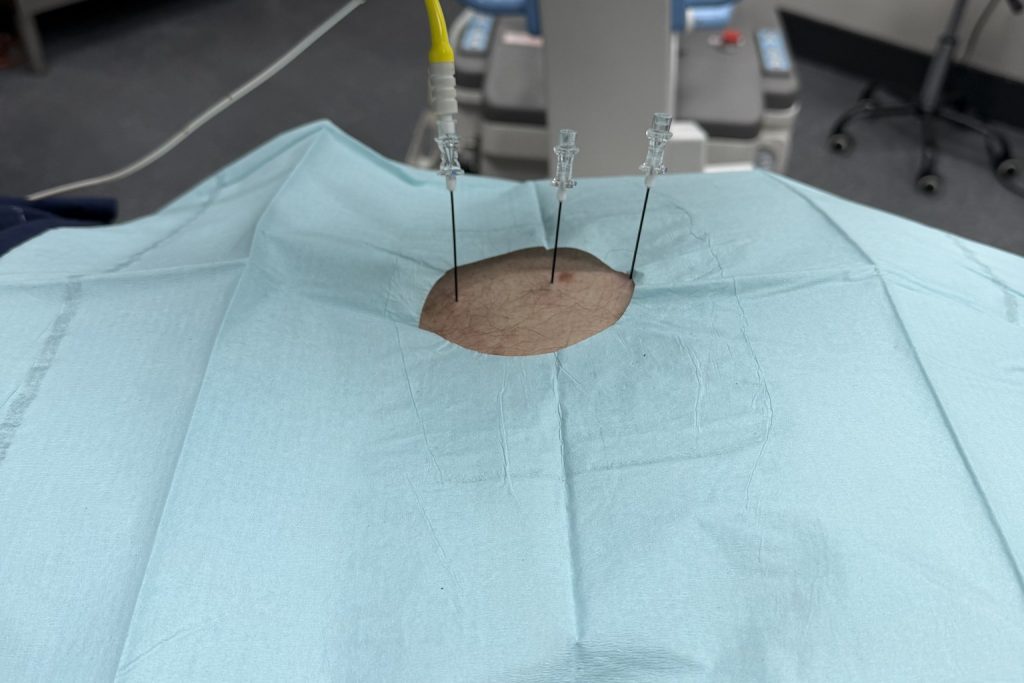
Facet Injections: Procedure and Benefits
Facet joint injections reduce inflammation and give short-term pain relief. Some patients improve significantly after just one shot.
How does radiofrequency ablation work, and how long does it last?
RF blocks the nerves that carry pain signals. In some patients it gives significant relief for up to two years.[3]
- Studies show RF cuts the need for pain medicine.
- RF may miss the source of the pain. Sometimes it might need to be done more than once.
The Importance of Structural Parameters in Facet Joints
The angle of the low back facet joints, and whether the two sides match, helps show their role in long-term low back pain. Joints set at an odd angle can put more stress on the spine. That raises the risk of low back pain and other spine problems. When the left and right joint angles do not match, one side of the disc can take too much pressure. Over time, that leads to long-term low back pain. Research shows that people with significant mismatch may have more disc wear in the low back, because the load across the spine is uneven. When they understand these features, healthcare professionals can better find and treat low back pain caused by facet joint problems. This knowledge also opens the door to research on better treatments for these spine problems.
FAQs in Relation to Facet
What are facet joints and their purpose?
The purpose of facet joints, also known as zygapophyseal joints, is to keep the spine steady and let it bend.
What is the best treatment for facet joint pain?
Common treatments for facet joint pain include physical therapy, medicine, facet injections, and radiofrequency ablation.
What activities aggravate facet joints?
Heavy lifting, long sitting with poor posture, high-impact sports, golf or tennis can flare facet joints.
Why is facet joint pain so bad?
Facet joint pain can be severe because inflammation and worn cartilage between the facets irritate nerves and add friction when you move.
Is heat good for facet joint pain?
Heat and cold packs both help, but the relief is short-lived. They work best as one part of a physical therapy plan. That plan also includes stretching to help you move, strength work to support the spine and low-impact exercise. Anti-inflammatory medicine such as ibuprofen may also reduce inflammation while the plan does its work.
Is walking good for lumbar facet joint pain?
Low-impact exercise, such as walking, is part of physical therapy for facet joint pain. It keeps you fit without heavy strain on the spine. Pair it with stretching and strength work. What tends to flare facet joints is heavy lifting, long sitting with poor posture, and high-impact sports.
Do facet joint injections work?
Facet joint injections reduce inflammation and give short-term pain relief. Some patients improve significantly after just one shot. A diagnostic block with numbing medicine, placed under X-ray guidance, also shows whether a facet joint is the true source of your pain. If the relief does not last, radiofrequency ablation is the next step for longer control.
Will facet joint pain ever go away?
Facet joint pain comes from joints that are worn down or hurt, so the goal is long-term control. Physical therapy and medicine come first. When they fail, radiofrequency ablation blocks the nerves that carry the pain signal. In some patients it can give significant relief for up to two years. It may need to be repeated, and it cuts the need for pain medicine.
Conclusion
Facet joints are a big deal in spine pain, so know how they are built and how they work. Wear or damage in them can lead to long-term back pain. Doctors find it with X-rays and MRI. Don’t fret, though. Treatment for facet joint pain includes physical therapy, medicine, injections, and radiofrequency ablation (RF). The angle of the joints, and whether the two sides match, also affect low back pain.
Reference
[1]. https://www.ncbi.nlm.nih.gov/pmc/articles/PMC4799189/ [2]. https://www.spine-health.com/treatment/diagnostic-tests/getting-accurate-back-pain-diagnosis [3]. https://www.mayoclinic.org/tests-procedures/radiofrequency-neurotomy/about/pac-20394931
Related reading on painmd.tv
Summary: A new study shows that injecting fat into the finger joints may give lasting relief from finger osteoarthritis. The fat is taken from other parts of the patient’s own body, so the treatment is very safe. Osteoarthritis of the finger joints is very disabling. Drugs can ease the pain, but they cannot stop the disease from getting worse. So patients have to take pills every day.
Osteoarthritis is the leading cause of joint pain. It is a wear-and-tear disease that mostly hits weight-bearing joints like knees and hips. It is more likely in people with built-in weak spots, metabolic disorders, and more. Most people diagnosed with it are middle-aged or older. Osteoarthritis in the fingers is less common, but it is not rare.
Osteoarthritis is a wear-and-tear disease of older adults, so it is hard to treat. The changes in the joints are almost impossible to undo. That means people with it must live with the pain for life. Chronic joint pain can be very disabling.
Osteoarthritis gets worse slowly over the years. It may not be reversible, but doctors can treat it and give chronic pain relief. Still, most people will have to take anti-inflammatory pills (NSAIDs) every day.
How does lipofilling relieve finger osteoarthritis?
Daily painkillers help, but taking pills every day is hard. Drugs can also cause many side effects. So researchers tested a new, safe, minimally invasive treatment called lipofilling. Doctors inject a patient’s own fat into the joints. The fat is first removed by liposuction from another part of the body, such as the upper thighs.
The procedure is safe because doctors inject only a tiny amount of fat into the joint. They inject just one milliliter of fat into the arthritic finger joint. In the new study, researchers found that this simple procedure worked amazingly well, giving almost instant relief. Patients wore a splint and took painkillers for a week. After that, they felt deep relief. And the procedure caused no complications.
The study was done in 25 finger joints. Researchers checked on the patients regularly for 44 months, paying close attention to pain scores. They say the benefit was significant (too big to be chance).
Before treatment, patients had a pain score of 6 out of ten. After treatment, the score was just 0.5, which is only a mild sense of discomfort. The researchers say they were amazed by these results. The treatment was especially good at lowering pain scores.
Patients also showed better joint health and function. For example, their pinch grip strength almost doubled, from a median of 2 kg to 4.3 kg. That is a huge difference. It means the treatment not only eased pain but also improved hand use and quality of life for people with chronic pain from finger osteoarthritis.
In recent years, lipofilling has become very popular. It is used a lot in cosmetic and repair surgery. Lipofilling works so well for osteoarthritis because it may help reverse the disease. Animal studies show these fat cells are rich in mesenchymal stromal cells (a kind of stem cell). So lipofilling helps tissue regrow in arthritic joints.
But the researchers admit more studies are needed to fully understand the benefits. For example, they need studies with control groups. They also need to learn the long-term benefits.
Still, there is no doubt this treatment is very promising. It is minimally invasive, safe, and easy to do. It helps keep the joint’s structure and helps tissue repair itself. So many people with chronic pain from osteoarthritis may benefit. It may also help them stop needing a daily painkiller.
The Takeaway
Chronic pain is often more than discomfort. It can point to a complex medical problem that needs a specialist. The Padda Institute offers full complex regional pain syndrome treatment to suit your needs. Book your appointment today and get chronic pain relief right away.
Frequently asked questions
How long does fat transfer in the fingers last?
In the study, researchers followed patients for 44 months, and the relief held. Pain scores fell from 6 out of 10 before treatment to 0.5 afterward, little more than mild discomfort. The researchers still want longer studies with control groups to learn the full long-term benefit. But nearly four years of follow-up is already far longer than a daily painkiller lasts.
What are the downsides of fat grafting for finger arthritis?
Recovery is short. Patients wore a splint and took painkillers for about a week. The procedure caused no complications in the study. Only about one milliliter of your own fat goes into the joint. It is taken by liposuction from an area such as the upper thigh. The main limit is the evidence. The study covered 25 finger joints and had no control group.
Does lipofilling improve grip strength?
Yes. Beyond pain relief, patients regained use of the treated fingers. Their pinch grip strength almost doubled, from a median of 2 kg to 4.3 kg. So the treatment did more than quiet the pain. It improved how the hand works in daily life and the quality of life of people with finger osteoarthritis.
Is lipofilling better than taking painkillers every day?
For many people it may be. Anti-inflammatory drugs ease finger osteoarthritis pain but do not stop the disease from getting worse. So patients end up taking them daily and risk their side effects. Lipofilling is minimally invasive and uses your own tissue. In the study, it gave lasting relief after a single week of splinting and painkillers. That may let patients live without the daily dose.
Summary: Doctors used a technique called cooled radiofrequency ablation to reduce hip and shoulder arthritis pain. The procedure is highly safe, with almost no side effects. It could significantly reduce pain in 70-80% of the patients. Shoulder and hip arthritis are very common. Both get worse with time. Many people living with this pain stop responding to standard drug therapy. Then they are left with joint replacement or long-term opioid treatment. But doctors have found a safer way to beat pain in people who cannot have surgery.
Doctors have found a new way to give significant pain relief to people living with chronic hip or shoulder pain due to severe arthritis. It works even for people who get little help from drugs. It can also give long-lasting pain relief and improve how the joint works. New ways to treat severe chronic pain like arthritis matter, because they can cut dependence on opioids. But severe arthritis pain is hard to treat. Arthritis is chronic, and it keeps getting worse. That means in people with the condition, pain keeps increasing.
In most of these patients, doctors start treatment with non-steroidal anti-inflammatory drugs (NSAIDs, like ibuprofen). But as the disease gets worse and pain grows, they often have to turn to opioids. Of course, besides opioids, there are many other treatment options, like intra-articular corticosteroid injections (steroid shots into the joint). Although intra-articular corticosteroid injections are safe and effective, their relief often fades. That is truer as the condition gets worse.
For example, most people may report significant benefits lasting almost six months after the first corticosteroid injection. But this benefit lasts barely three months on subsequent injections. In the end, intra-articular injections only help for a few weeks, so they stop being practical. For many people without good pain relief, joint replacement surgery is the only option. But not everyone can have joint replacement. For example, older adults or people with severe health conditions cannot have such a major surgery. So for them, high-dose opioids remain the only option. And high-dose opioids are associated with many health risks.
Is Cooled Radiofrequency Ablation Safe and Effective for Hip and Shoulder Pain?
The new technique uses no toxic drugs. It is minimally invasive (done through a needle, not an incision). So it is safe for many groups of people. This technique is called cooled radiofrequency ablation (c-RFA). The doctor inserts a needle, places it near the sensory nerves, and uses a specific radiofrequency to “knock out” these nerves. Radiofrequency causes permanent changes in these sensory nerves, so they stop carrying pain signals. It does not kill the nerve cells completely. It significantly reduces the signals they send. That means some feeling is kept, but pain signals are significantly cut.
The study was done on 23 people. Of them, 12 had chronic shoulder pain, and another 11 had hip pain. These people had not responded to standard drug therapy or to intra-articular lidocaine and corticosteroid injections. This procedure is highly safe, as it did not cause any side effects. It also brought significant benefits. All patients reported significantly less pain and better joint function. Doctors reported an impressive 85% pain reduction in those with shoulder pain and 74% pain reduction in those with hip pain. Also, two-thirds of the people in the study reported significant improvement in joint function. So doctors say the method could be a safe alternative to joint replacement surgery and long-term opioid use. It can also help reduce the risk of opioid addiction.
Of course, this procedure is not for mild or moderate cases of arthritis. It is more of a last resort. It is for people who cannot have surgery and for whom opioids are not an option. Note also that knee, shoulder, and hip arthritis account for 95% of all severe cases of arthritis. Doctors say they are still scratching the surface. This technique may also suit chronic pain from other causes. So future studies need to explore its role in cancer pain, pain after amputation, and trauma.
Frequently asked questions
Can radiofrequency ablation be used to treat hip pain?
Yes. In the study described here, 11 of the 23 patients had chronic hip pain from arthritis. Drugs and joint injections no longer controlled it. After cooled radiofrequency ablation, people with hip pain reported a 74% reduction in pain, and those with shoulder pain reported 85%. Two-thirds of all participants also reported clearly better joint function.
How does cooled radiofrequency ablation work?
The doctor places a needle near the sensory nerves that carry pain from the joint. Then a specific radiofrequency is used to “knock out” those nerves. The nerve cells are not killed outright. Their signals are sharply reduced, so some feeling is kept while pain signals drop. No toxic drugs are involved, and the procedure is minimally invasive.
What is the downside of radiofrequency ablation for arthritis?
It is not meant for mild or moderate arthritis. It is a last resort for people with severe hip or shoulder arthritis who cannot have surgery and for whom opioids are not an option. The evidence here also comes from a small study of 23 people. None of them had side effects from the procedure.
Who is a candidate for cooled radiofrequency ablation?
People with severe, chronic hip or shoulder arthritis pain who no longer respond to anti-inflammatory drugs or to steroid and numbing injections into the joint. It suits people who cannot have joint replacement, such as older adults or people with serious health conditions. Without it, they would be left with high-dose opioids.
Summary: Ketamine infusion can change the lives of people with chronic or intractable (hard-to-treat) pain. It gives long relief and can even change the course of the disease. Doctors believe it not only dulls pain but also helps rewire the brain. That is why relief lasts. Many painful, disabling conditions do not respond to regular painkillers or even opioids. People living with chronic pain keep suffering. Constant pain raises the risk of depression and causes other brain changes.
Millions are being treated for intractable or chronic pain. But for many, the results are far from good enough. Doctors keep changing drugs and treatments. For some people, nothing seems to help. Chronic pain often starts in unexpected ways, in people who were fairly healthy. So for them, constant pain is very depressing. Worse, doctors may not help enough. For many of these people, ketamine infusion offers hope. In many cases, it can change their lives.
Take Berkley Jones, a tough woman and a nurse in the US Air Force. She was the kind of person who never thought she could have intractable pain. She was active and worked hard. But her life changed after an allergic reaction put her in the hospital. After that, she was always tired and had body aches. Doctors diagnosed her with fibromyalgia.
Then things got worse. She was injured during a training exercise and badly hurt her arm. She needed surgery. When she woke up, her arm was far more swollen than expected, and she had unbearable pain. That was when doctors diagnosed her with Complex Regional Pain Syndrome (CRPS).
From then on, her life got worse. She had to leave her job, and she ended up in a wheelchair. She stayed in bed for long hours and became depressed. Then she heard about ketamine therapy and decided to try it. She stayed in the hospital for five days of ketamine infusions. The results changed her life. She was back on her feet, walking with a cane. As a medic, she was amazed by the results and even wrote a book, “Ketamine Infusion: A Patient’s Guide.”
Is Ketamine Approved for Chronic Pain, and How Does It Work?
Ketamine is a new trend in pain and depression treatment. But it is an old drug that has been around since the mid-20th century. For decades, it was used mainly as an anesthetic. It is a US FDA-approved anesthetic and works well for pain after surgery. Later, the US FDA also approved it to treat depression, where it may clearly change the course of the disease.
Ketamine is not an opioid, and that is a good thing. It does not cause the side effects opioids do, and it is safer. For example, it does not slow breathing or cause severe constipation.
Still, ketamine does change your state of mind. It can cause unpleasant feelings, a sense of detachment (dissociation), and even hallucinations. So its use is tightly regulated. Because it changes your state of mind, it is also used illegally at parties. What sets this drug apart is that it can reboot the brain. Researchers now think it can even help rewire the brain. That may explain how it helps with depression and chronic pain. And unlike other painkillers and antidepressants, its effects last a long time. After ketamine infusion therapy, a person does not need daily medicine, or needs much smaller doses. It seems to help manage the root cause of many of these disorders.
Hospitals use high-dose ketamine infusions. But doctors now also use low-dose ketamine in pain clinics. Lower doses have a milder effect, but they also cause fewer unpleasant effects. So the person can go home after the therapy. Low doses also make ketamine much safer.
Most clinics give low-dose infusions over a little more than an hour. A low dose does not cause psychosis, so it is safer in a clinic. Yet a low-dose infusion is enough to help with chronic or intractable pain. It can still help rewire the brain, dull pain, ease pain-related distress, and even lift mood.
Frequently asked questions
Is ketamine an opioid?
No. Ketamine is not an opioid, and that works in its favor. It does not cause the side effects typical of opioids. It does not slow breathing and does not cause severe constipation, so it is safer. It does change your state of mind. That is why its use is tightly regulated and why it is given under medical supervision.
How does ketamine help chronic pain?
Ketamine dulls pain, and researchers now think it helps rewire the brain. That may explain why it helps both chronic pain and depression. It may also explain why its effects last longer than regular painkillers and antidepressants. After ketamine infusion therapy, many people no longer need daily medicine, or need much smaller doses.
What are the side effects of a ketamine infusion for pain?
Ketamine changes your state of mind. So it can cause unpleasant feelings, dissociation (feeling detached from your body or surroundings) and even hallucinations. Low doses have a milder effect and cause fewer of these unpleasant effects. That is why pain clinics use low-dose infusions. They are safer, and the person can go home after the therapy.
How long does a ketamine infusion for chronic pain take?
In a pain clinic, a low-dose ketamine infusion usually runs a little over an hour, and you go home the same day. Hospitals use higher-dose infusions and may keep a patient for several days. In the story above, a nurse with CRPS stayed in the hospital for five days of ketamine infusions. She was back on her feet, walking with a cane.
Yes. Anti-inflammatory drugs used to block pain, including for chronic pain treatment, also slow down neutrophils, a type of white blood cell. Studies show that raises the risk of chronic pain. Inflammation is a defense that helps you heal. So experts urge a new approach to treating joint inflammation.
Inflammation is a defense the body needs to rebuild tissue. But inflammation that runs out of control can do more harm than good. It causes redness and, more important, severe pain. So doctors are quick to prescribe anti-inflammatory drugs for chronic pain. They forget that pain is also a sign that repair is underway. That is why drugs like non-steroidal anti-inflammatory drugs (NSAIDs) are among the most used drugs.
More and more people now live with chronic pain. So researchers want to know why some people are more likely to get it. One reason may be treating joint inflammation too hard.
This does not mean you should never treat inflammation. You should treat only inflammation that is out of control. Heavy drugging of inflammation should be avoided. It also blocks healing, and that makes the problem chronic.
These findings call some common ways of treating pain into question. Doctors and patients should be careful when treating chronic pain and joint inflammation. Not all painkillers block inflammation. Opioids and acetaminophen do not. But drugs like ibuprofen and diclofenac do block inflammation, and they can make the problem chronic.
The new study was published in Science Translational Medicine. Researchers looked at how pain works in both mice and humans. They found that white blood cells called neutrophils play a key role in fighting infection, rebuilding tissue and healing.
The study found that people with chronic pain had certain gene changes. Those changes altered how their white blood cells worked, and they seem to alter how their neutrophils work. That put these people at higher risk of chronic pain.
Here is the key point. Neutrophils run the early stage of inflammation. They set the stage for tissue repair. If heavy anti-inflammatory drugs disturb that early stage, the problem is more likely to become chronic.
In the study, when researchers blocked neutrophils in mice, the pain lasted up to ten times longer. Treating pain and inflammation with dexamethasone or diclofenac did the same. Both drugs worked well to block pain early on. But in the end, they raised the risk of chronic pain1.
This is not the first study to find this. An earlier study looked at half a million people in the UK. People who took anti-inflammatory drugs more often, and treated inflammation hard, were more likely to have pain two to ten years later. People who chose acetaminophen or antidepressants did not show this effect.
This study matters, because NSAIDs are often the first choice for many painful, inflamed conditions. Some NSAIDs are even sold over the counter. So doctors must rethink how they treat pain. And patients must know the risks of heavy anti-inflammatory treatment.
Of course, such treatments feel good in their early stages as they provide quick relief. But as the studies show, such a treatment approach may considerably increase the risk of chronic pain.
It is vital to understand that blocking every kind of inflammation is a bad idea. After all, it is part of healing. Put up with some pain. Let the body heal itself, and wait for the pain to fade. If the pain is severe, it is better to use drugs that dull pain but leave inflammation alone.
Frequently asked questions
Can anti-inflammatories cause more pain?
They can make pain last longer. Neutrophils, a type of white blood cell, lead the early stage of inflammation and set up tissue repair. When researchers blocked neutrophils in mice, pain lasted up to ten times longer. Dexamethasone and diclofenac eased pain early but raised the risk that it became chronic. A UK study of half a million people found the same pattern two to ten years later.
Is inflammation good for healing?
Yes. Inflammation is a defense the body needs to rebuild tissue. It causes redness and pain, but that pain is also a sign that repair is underway. Neutrophils run the first stage and prepare the ground for healing. Shut that stage down hard, and repair is disturbed. That makes it more likely the problem becomes chronic.
Which pain relievers do not suppress inflammation?
Opioids and acetaminophen ease pain without blocking inflammation. Drugs such as ibuprofen and diclofenac do block it, and so does the steroid dexamethasone. In the UK study, people who chose acetaminophen or antidepressants did not show the higher risk of later pain seen in heavy anti-inflammatory users. When pain is severe, a drug that dulls pain but leaves inflammation alone is the better choice.
Should inflammation be left completely untreated?
No. The problem is heavy suppression, not treatment. Inflammation that runs out of control can do more harm than good and still needs care. What you should avoid is shutting down every bit of inflammation, because that also shuts down healing. The better approach is to put up with some pain, let the body repair itself, and wait for the pain to fade.
Summary: Long Covid teaches us to manage chronic pain differently. Researchers propose clearer rules for diagnosis, care that starts with a family doctor, clinics with many kinds of specialists, and a whole-person approach. Millions of US adults live with poorly understood conditions like long Covid and chronic pain. These problems do not fit the classic disease model. So doctors struggle to find the cause and give the best care.
Doctors say we can learn a lot from long Covid about managing chronic pain, because the two have much in common. Both are hard to manage because they no longer seem tied to the illness that started them. In both, doctors struggle to find the cause. Often they cannot find any real damage in the body, so they struggle to treat them. Neither fits the classic disease model.
Why can’t doctors find the cause of long COVID?
The pandemic is far from over, but it is slowing down. Covid may have caused close to 7 million deaths, but more than 600 have survived the disease and recovered. Many who fully recovered from Covid now show no signs of the infection. Their lungs and other organs are in good shape, and their lab tests are normal.
Yet many of them still suffer. Doctors struggle to explain what is causing their problems, like body aches, fatigue, poor focus, sleep problems, and so on. Much as with chronic pain, doctors cannot find the cause of long Covid and struggle to explain the symptoms. So health experts recommend a new model of care for these patients:
- Improve disease diagnostics
- More involvement from family doctors (primary care)
- Use teams of different specialists to manage the condition
- Use whole-person care that looks at body, mind and life together.
How is long COVID diagnosed?
The main symptoms of long Covid may be fatigue, poor focus, and sleep problems. But researchers have found more than 200 symptoms of the condition. It counts as long Covid if someone keeps having these problems for more than three months.
But right now, different definitions of long Covid exist. Doctors are not even sure whether people with organ damage from Covid belong in this group. There are still no agreed-upon rules for diagnosing it. So estimates of long Covid vary widely, from 2% to 50% of people infected with Covid-19.
Put simply, in most cases of long Covid, doctors keep treating symptoms but do not see long Covid as a disease in itself. Likewise, studies suggest doctors see chronic pain as a disease in itself in only about 10-15% of cases. So in most cases, doctors do not treat chronic pain as its own disease.
Who should treat long COVID and chronic pain?
In many countries, family doctors manage long Covid and chronic pain. That is not the case in the US. So millions of people keep living with these conditions. That needs to change. These problems should be treated by family doctors, and only a small number of more severe patients should be sent to specialists or pain clinics.
Are there clinics for long COVID?
To manage long Covid, we need to build large medical clinics. Small, independent clinics must also be better prepared to handle these problems. The US already has about 200 clinics helping manage long Covid. But that is not enough for a country as large as the US.
Is there one treatment that works for long COVID and chronic pain?
Finally, it comes down to whole-person care for long Covid and chronic pain patients. No single treatment will work in every case. Some may benefit from painkillers. Others may benefit from treating sleep problems, depression, anxiety, and so on. Many may benefit from complementary chronic pain treatment methods.
To sum up, it is time to see the huge burden of poorly understood conditions like long Covid and chronic pain. To manage them well, we need to change how we approach them, with better diagnosis and care.
Frequently asked questions
What are the common symptoms of long COVID?
The most common are fatigue, trouble focusing, sleep problems and body aches. Researchers have now listed more than 200 symptoms tied to the condition. What makes long COVID so frustrating is that many people with these symptoms have healthy lungs and organs and normal lab tests. The distress is real even when the usual tests come back clean.
How long do symptoms have to last to be called long COVID?
Symptoms usually count as long COVID once they last more than three months after the infection. There is still no single, agreed-upon definition. Doctors disagree on whether people with organ damage from COVID belong in the same group. That is why estimates of how many infected people get long COVID vary so widely, from 2% to 50%.
How is long COVID like chronic pain?
Both conditions outlast the illness or injury that started them. In both, doctors often find no clear damage in the body to explain the symptoms. Neither fits the classic disease model. So both are usually managed symptom by symptom instead of being treated as a condition in its own right. Studies suggest only about 10-15% of chronic pain cases are seen as a disease in itself.
How are long COVID and chronic pain treated?
No single treatment works for everyone. Some people do better with pain medicine. Others improve once their sleep problems, depression or anxiety are treated. Many benefit from complementary approaches. The model researchers propose starts with family doctors and sends the more severe cases to specialists or pain clinics. It uses a team that looks at the whole person, body and mind together.
Summary: Chronic pain is very different from acute (sudden, short-term) pain. So health experts say chronic pain needs a different treatment approach. With acute pain, doctors mainly look for physical changes in the body. Chronic pain, though, is made worse by mental and emotional factors. In many cases, doctors fail to relieve chronic pain because they focus too much on finding and fixing physical changes.
Millions of US adults live with chronic pain. Even with the best treatment, they keep suffering. Now some health experts say the reason is the wrong approach to treatment. New studies show it is time to rethink how doctors treat chronic pain. The main way to diagnose and treat chronic pain is to look for physical changes in the body. Then doctors prescribe drugs that change body chemistry, or even do surgery to fix physical problems.
But health experts say this approach often fails. In many cases, the cause of pain is not a clear, visible physical change. Often it has more to do with how the mind responds to pain and with certain brain changes. Take back pain. It is one of the most common kinds of chronic pain. Yet it is no secret that doctors often treat backache poorly. That is because they focus too much on changes in the spine and not enough on the mental side of pain.
As soon as someone sees a doctor for a backache, the doctor usually orders scans. This is not all wrong. But experts warn it can often lead to the wrong conclusion, and so to the wrong treatment.
Why? How could scans go wrong? Studies show that physical problems in the spine do not always cause chronic pain. For example, a study of 3000 healthy young adults with no history of backache found that 37% had signs of disc wear. Another 30% had disc bulges.
So most healthy adults already have some visible changes in the spine, but those changes do not cause pain. No wonder doctors find disc changes in most people with backache. But the question is, do these disc changes have anything to do with backache? Probably not. They might play a part but may not be the main cause of chronic back pain.
Now studies confirm that the classic approach to chronic pain is failing. In many cases, it does more harm than good. After a spine MRI, doctors are quick to blame chronic back pain on disc problems. So spine surgery has become the most common surgery in the US. But a new study shows that only about 26% of people return to work after spine surgery, compared to 67% who did not have spine surgery. So if the pain is not from physical changes, what could cause it? Researchers suggest the cause of chronic pain is in the brain.
Take one of the largest studies of its kind. It found that anxiety and pain catastrophizing were clear predictors of chronic pain after surgery. So in most cases, pain becomes chronic not because of the injury but because of the mind’s response to it. Another study found that disc wear does raise low back pain risk, but mental distress was more closely tied to the pain. Many other studies suggest mental distress plays a big role in sudden pain turning into chronic pain.
These studies do not say physical changes have nothing to do with pain. But they show that whether sudden pain turns chronic depends mostly on a person’s mental state. In many cases, mental causes seem to matter more than physical changes.
This may explain why even a placebo works quite well for chronic pain. Treating mood disorders and improving sleep may also lower pain scores. So pain, especially chronic pain, has a lot to do with mental state. That is why a whole-person approach to chronic pain treatment and care matters.
Frequently asked questions
What is the difference between acute and chronic pain?
Acute pain usually tracks a visible change in the body, such as an injury. So doctors look for the damage and fix it. Chronic pain acts differently. It often has no clear, visible cause. And it is driven heavily by how the brain responds to pain, including anxiety and mental distress. Treating chronic pain as if it were just long-lasting acute pain is why so many people never get relief.
Does a bulging or degenerated disc on my MRI mean it is causing my back pain?
Not always. In a study of 3,000 healthy young adults with no history of back pain, 37% already showed disc wear. Another 30% had disc bulges. Most healthy adults have some visible changes in the spine that cause no pain at all. So when an MRI of someone with back pain shows a disc problem, that finding may play a part but may not be the main cause.
What makes acute pain turn into chronic pain?
Research points to a person’s mental state more than the injury itself. One of the largest studies of its kind found that anxiety and pain catastrophizing were clear predictors of chronic pain after surgery. Catastrophizing is the habit of expecting the worst. Another study found that mental distress was more closely tied to low back pain than disc wear was. Anatomy still matters, but it is often not the deciding factor.
How should chronic pain be treated?
With a whole-person approach, not a focus on anatomy alone. Chronic pain has so much to do with the brain and mental state. So treating mood disorders and improving sleep can lower pain scores. This also helps explain why even a placebo can work quite well for chronic pain. Scans and structural fixes still have a place, but they cannot be the whole plan.
Researchers at Scripps Research identified WASH, a molecular machine that controls the excess neutrophil activity behind harmful inflammation. No drug targets WASH yet. But future drugs aimed at it would curb that damage without shutting down neutrophils outright. Shutting them down would lower immunity.
Inflammation is a defense reaction. But too much of it does more harm than good. It appears that neutrophils, the most common white blood cells, play a significant part in harmful inflammation. Yet shutting them down is not an option, because it would also lower immunity. Now researchers at Scripps Research have found a molecular machine called WASH. It plays a key role in keeping neutrophils from overreacting. Future drugs targeting WASH may help prevent harmful inflammation.
Inflammation is a defense reaction. It helps fight infections and helps tissue regrow. But too much inflammation, or inflammation out of control, does more harm than good. So excess inflammation causes arthritis, sepsis, and other health problems. And chronic, low-grade, uncontrolled inflammation causes coronary artery disease.
There are many drugs to control inflammation, but they have many drawbacks. Drugs like NSAIDs fail to help in many cases. For example, they might not help enough in arthritis. They may fail completely in sepsis or even low-grade chronic inflammation.
Corticosteroids are stronger anti-inflammatory drugs. But they suppress all kinds of inflammation and even immune activity. So long-term corticosteroid use does more harm than good. We need drugs that target only the bad inflammation. It seems that researchers at Scripps Research have found a way to do that. They now better understand harmful inflammation. They even found proteins that can lower it.
Chronic pain can badly hurt your quality of life. Two types of chronic pain that are very hard to manage are complex regional pain syndrome and sciatica. But with advances in modern medicine, good treatments are now available for complex regional pain syndrome and sciatica pain.
In a study published in Nature Communications in September 2022, researchers from Scripps Research showed that a molecular machine made of many proteins, which they named WASH, can help suppress harmful inflammation by curbing excess neutrophil activity. Neutrophils are the most common white blood cells. So they play a key role in fighting infections and in inflammation. They can swallow germs and destroy them. To do this, they release chemicals through a process called exocytosis. The researchers found that neutrophils sometimes release far too many chemicals this way. That causes a lot of harm.
This neutrophil overreaction causes severe organ damage in conditions like body-wide infections. This faulty immune response adds to heart attacks and stroke, because it leads to atherosclerosis (hardened, clogged arteries). But shutting down neutrophils is not the way to fight bad inflammation, because it would also suppress immunity. So researchers set out to find the exact mechanism behind this overreaction.
In the new study, researchers at Scripps found that neutrophils respond to infection or inflammation in steps. First they release “gelatinase granules.” This first response is mild. It is good for fighting infections and helping tissue regrow. After that, they start a second, stronger response, most of all if the first one fails to beat the infection. This second response releases “azurophilic granules.” It appears that this second response causes much of the tissue damage.
But the body has its own way to hold back the azurophilic granule response. It uses the molecular machine WASH. That also means harmful inflammation happens because WASH activity runs low, which makes neutrophils misfire. So treatment for inflammation must target WASH, not neutrophils. These findings open the door to safer and more effective anti-inflammatory drugs. They would be good for both sudden and chronic inflammation. Drugs targeting WASH would not only help in arthritis. They may even help reduce the risk of health problems caused by chronic inflammation, like coronary artery disease.
For now, researchers have not found any drug that could control WASH. Still, it is a matter of time. So in the near future, we may see safer, more effective, and completely new kinds of anti-inflammatory drugs.
Frequently asked questions
Do neutrophils trigger inflammation?
Yes. Neutrophils are the most common white blood cells and the front line against infection. They swallow germs and destroy them by releasing chemicals through a process called exocytosis. Sometimes they release far too much, and that overflow damages the body’s own tissue. That excess is what turns a defensive reaction into harmful inflammation.
What causes neutrophilic inflammation to become harmful?
The Scripps team found neutrophils respond in two steps. First they release gelatinase granules. This mild response fights infection and helps tissue repair. If that fails, they step up and release azurophilic granules. That second wave causes most of the tissue damage. The molecular machine WASH normally holds the second wave in check. When WASH activity runs low, neutrophils misfire.
Why don’t NSAIDs or steroids fix harmful inflammation?
NSAIDs often fall short. They may not help enough in arthritis and can fail completely in sepsis or chronic low-grade inflammation. Corticosteroids are stronger. But they shut down all inflammation and immune activity alike, so long-term use does more harm than good. Neither targets only the bad inflammation. That is exactly the gap WASH could fill.
Is there a drug that targets WASH?
Not yet. Researchers have not found any drug that controls WASH activity. The finding moves the target. Treatment should aim at WASH, not at neutrophils themselves, because blocking neutrophils would weaken immunity. Drugs built that way could help in arthritis. They could also lower the risk of conditions driven by chronic inflammation, such as coronary artery disease.