Cluster headaches are a debilitating and often misunderstood form of headache disorder. This condition can bring about considerable impairment in one’s life, including days missed from work and disability. In this blog post, we will delve into the intricacies of cluster headaches, including common triggers, circadian rhythm influences, and how they differ from migraines.
We will also explore various acute treatment options such as medications like sumatriptan and zolmitriptan, high-flow oxygen therapy, and non-invasive vagus nerve stimulation (nVNS). Furthermore, we’ll discuss potential prevention strategies involving topiramate combined with microstimulators as well as lifestyle modifications that may help minimize exposure to known triggers.
Lastly, we’ll examine the economic burden associated with living with chronic or episodic cluster headache disorders and emphasize the importance of open communication between patients and healthcare providers in managing this challenging condition.
Table of Contents:
- Cluster Headache Trigger
- Alcohol: A Headache in a Bottle
- Nitrates: The Silent Culprit
- Strong Odors: A Stinky Trigger
- Impact on Work and Disability
- Intense Pain Leads to Increased Work Absences Among Female Sufferers
- Higher Rates of Disability Linked to Cluster Headache Severity
- Acute Treatments for Cluster Headaches
- Subcutaneous Sumatriptan: The First-Line Treatment Option
- Intranasal Medications: Sumatriptan or Zolmitriptan
- High-Flow Oxygen Therapy via Non-Rebreather Masks
- Preventing Cluster Headaches
- Topiramate and Microstimulators for Headache Prevention
- The Role of Circadian Rhythms in Triggering Episodes
- Migraines vs. Cluster Headaches
- Differences between migraine triggers
- Symptoms unique to each disorder
- Treatment approaches tailored to specific conditions
- Mental Health Implications
- Impact on Mental Wellbeing
- Increased Risk for Cardiovascular Diseases
- FAQs in Relation to Cluster Headache
- What causes cluster headaches?
- How painful are cluster headaches?
- How can cluster headaches be treated?
- Why are cluster headaches so excruciating?
- What are the types of cluster headaches?
- What is hemicrania continua?
- Conclusion
Cluster Headache Triggers
Identifying and understanding the triggers of cluster headaches is crucial for managing this rare neurological disorder. Common triggers include alcohol, nitrates in food, strong odors, and changes in circadian rhythms.
Alcohol: A Headache in a Bottle
Up to 50% of people with chronic cluster headaches experience attacks after drinking alcohol, so it’s important to be aware of your personal tolerance levels and limit intake accordingly.
Nitrates: The Silent Culprit
Processed meats like hot dogs and bacon, as well as certain vegetables like spinach and beetroot, contain nitrates that have been linked to triggering cluster headaches in some cases. Consider dietary adjustments if you notice a pattern between your diet and headache occurrences. [2]
Strong Odors: A Stinky Trigger
Cigarette smoke and chemical fumes are just a couple of the potent smells that have been reported to provoke cluster headaches. Be mindful of your surroundings and avoid environments with strong odors whenever possible. [2]
Understanding the triggers of cluster headaches, including chronic and episodic cluster headaches and hemicrania continua, is crucial for managing this debilitating condition and headache disorders in general.
Impact on Work and Disability
Cluster headaches can seriously affect a person’s ability to work and carry out daily activities, with women experiencing more work absences and disability than those without the condition.
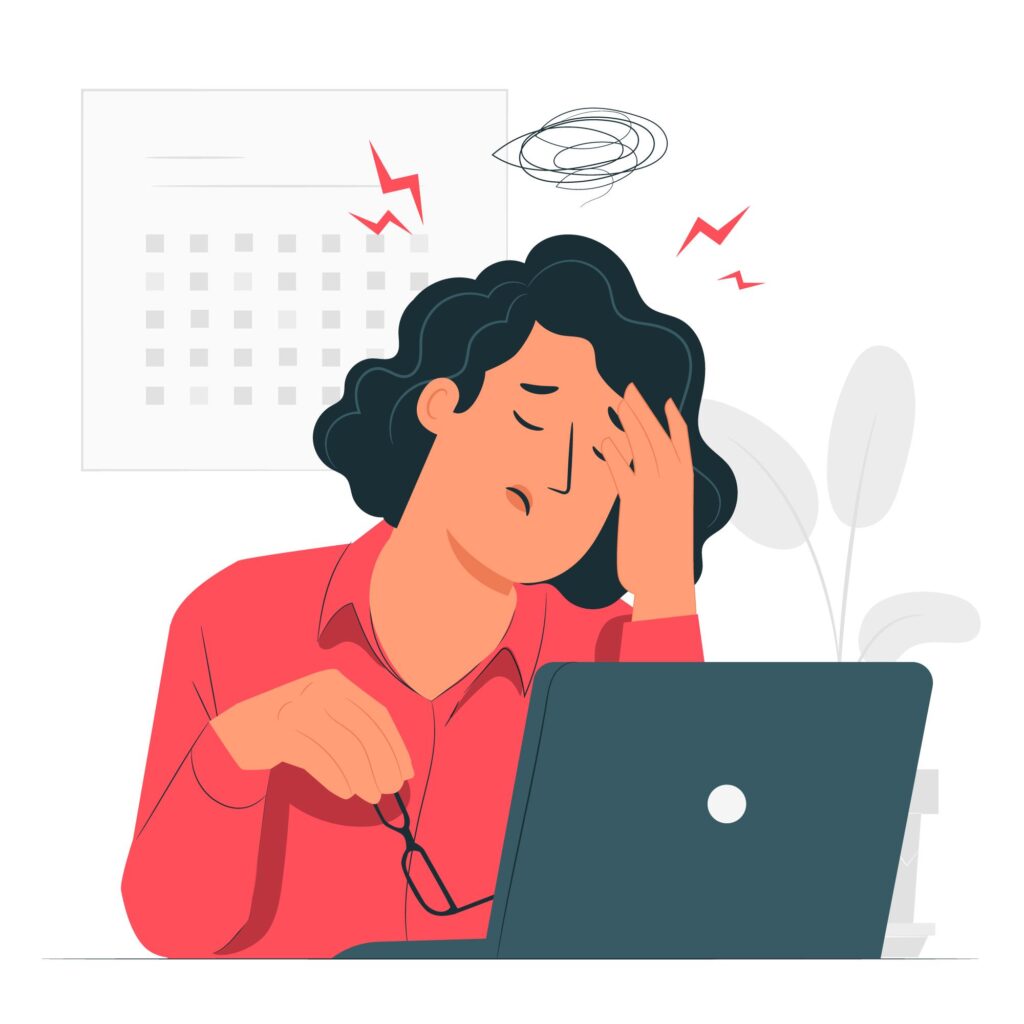
Intense Pain Leads to Increased Work Absences Among Female Sufferers
The severity of cluster headaches can make it impossible for individuals to focus or perform their job duties effectively, resulting in increased absenteeism, particularly among female sufferers.
[3] Studies have shown that employers should consider implementing flexible working arrangements or accommodations for employees dealing with chronic cluster headache symptoms.
Higher Rates of Disability Linked to Cluster Headache Severity
- Hemicrania continua: Patients who experience short-lasting unilateral neuralgiform headaches with cranial autonomic symptoms may face severe detriments to their mental health due to the intensity of pain during an attack.
- Risk factors: End-organ damage caused by these episodes increases the risk of cardiovascular disease in affected individuals, further highlighting the need for comprehensive care that addresses both physical and psychological aspects when treating patients suffering from cluster headaches.
- Treatment options: To reduce disability rates among those afflicted with cluster headache disorders, healthcare providers must develop personalized treatment plans based on each patient’s unique triggers, lifestyle factors, and medical history.
This may include a combination of acute treatments, preventative measures, and mental health support to help individuals manage their condition effectively.
By understanding the impact of cluster headaches on work and disability rates, patients and healthcare providers can collaborate to develop effective strategies for managing this painful neurological disorder.
Acute Treatments for Cluster Headaches
Don’t let cluster headaches ruin your day – try these evidence-based acute treatments to manage the pain.
Subcutaneous Sumatriptan: The First-Line Treatment Option
For rapid relief, subcutaneous sumatriptan is the way to go – it narrows blood vessels in the brain to alleviate headache pain. [4]
Intranasal Medications: Sumatriptan or Zolmitriptan
If injections aren’t your thing, try intranasal medications like sumatriptan or zolmitriptan – they work just as well and are administered through a nasal spray. [5]
High-Flow Oxygen Therapy via Non-Rebreather Masks
For a non-pharmacological approach, try high-flow oxygen therapy using non-rebreather masks – it can help alleviate pain by reducing blood flow to the affected area. [6]
After an episode has subsided, it’s recommended that patients withdraw verapamil cautiously while maintaining their effective dose regimen. [7]
Preventing Cluster Headaches
Preventing cluster headaches can be challenging, but there are some options that may provide relief.
Topiramate and Microstimulators for Headache Prevention
Topiramate at high doses combined with microstimulators can help prevent chronic cluster headaches. [8]
The Role of Circadian Rhythms in Triggering Episodes
Recognizing the connection between episodic cluster headaches and circadian rhythms is essential for prevention efforts.
- Maintain consistent sleep habits to regulate your circadian rhythms.
- Try to keep away from bright lights near bedtime in order to decrease the chances of headaches.
- Manage stress levels with relaxation techniques like deep breathing exercises or meditation.
Understanding how certain factors like seasonal changes can trigger headache disorders like hemicrania continua may also aid in prevention efforts. [9]
Migraines vs. Cluster Headaches
Both migraines and cluster headaches are painful neurological disorders, but they differ in triggers, symptoms, and treatments.
Differences between migraine triggers
Migraines are complex and influenced by stress, smoking, diet, and genetics, while cluster headaches have specific triggers like alcohol consumption or changes in circadian rhythms.
Symptoms unique to each disorder
- Migraine: Moderate to severe throbbing pain on one side of the head with nausea, vomiting, sensitivity to light and sound.
- Cluster headache: Excruciating stabbing pain around one eye or temple area lasting 15 minutes up to three hours with redness or tearing in the affected eye and nasal congestion on that side.
Treatment approaches tailored to specific conditions
Migraine management can involve OTC meds like ibuprofen or aspirin, prescribed drugs such as triptans, and changes in lifestyle.
For cluster headaches, acute treatments include subcutaneous sumatriptan injections or high-flow oxygen therapy, and preventative options may involve using topiramate at high doses combined with microstimulators.
Understanding how certain factors like circadian rhythms or seasonal changes can trigger cluster headaches is also essential in prevention efforts.
It’s important for patients to receive the appropriate care for their specific condition, whether it’s chronic or episodic cluster headache, migraine, or hemicrania continua.
Mental Health Implications
Cluster headaches not only affect physical health but also have significant mental health implications, leading to emotional distress, anxiety, and depression.
Impact on Mental Wellbeing
The excruciating agony of cluster headaches can be absolutely overwhelming, inducing a sense of desperation or despondency.
Moreover, the unpredictability of these attacks often leads to increased stress levels as individuals worry about when their next headache will occur.
It is crucial for healthcare providers to address both the physical and psychological aspects of this condition to provide comprehensive care.
One helpful resource for mental health support is the National Institute of Mental Health (NIMH), which offers guidance on coping strategies and resources for those living with chronic illnesses like cluster headaches.
Increased Risk for Cardiovascular Diseases
- Hypertension: People suffering from cluster headaches are more likely to develop high blood pressure due to end-organ damage caused by frequent episodes.
- Atherosclerosis: Inflammation resulting from severe headache disorders such as hemicrania continua can contribute to plaque buildup in arteries, increasing the risk of heart disease over time.
- Elevated Stress Levels: The ongoing stress associated with managing cluster headache symptoms may exacerbate existing cardiovascular issues or increase susceptibility among otherwise healthy individuals.
It is critical for patients and healthcare providers to collaborate in devising a holistic treatment plan that accounts for both the physical discomfort and psychological distress of cluster headaches.
This may include medications, lifestyle modifications, or even counseling services to help individuals cope with their condition.
FAQs in Relation to Cluster Headache
What causes cluster headaches?
The root cause of cluster headaches is unknown, but abnormal activity in the hypothalamus and genetic factors may play a role.
How painful are cluster headaches?
Cluster headaches are one of the most painful headache disorders, causing work absences and disability due to their intensity and frequency.
How can cluster headaches be treated?
Treatment options include oxygen therapy, sumatriptan injections, and preventive measures like topiramate or microstimulators.
Why are cluster headaches so excruciating?
Cluster headaches activate trigeminal nerve pathways, leading to inflammation around blood vessels near the affected area and intensifying pain signals sent to the brain.
What are the types of cluster headaches?
There are two types of cluster headaches: episodic cluster headache and chronic cluster headache.
What is hemicrania continua?
Hemicrania continua is a type of headache disorder that causes continuous pain on one side of the head and responds to indomethacin.
Conclusion
- Watch out for triggers like alcohol, certain foods and medications, strong odors, and environmental factors.
- Disrupted sleep patterns can also increase vulnerability.
- Relief options include medication like sumatriptan and zolmitriptan, high-flow oxygen therapy, and nVNS.
- Make lifestyle modifications to minimize exposure to known triggers.
Don’t suffer in silence – seek help from medical professionals and take control of your cluster headaches today.
References:
[1] https://www.mayoclinic.org/diseases-conditions/cluster-headache/symptoms-causes/syc-20352080
[2] https://www.ncbi.nlm.nih.gov/pmc/articles/PMC4403058/
[3] https://www.ncbi.nlm.nih.gov/pmc/articles/PMC6651619/
[4] https://www.ncbi.nlm.nih.gov/pmc/articles/PMC3444224/
[5] https://pubmed.ncbi.nlm.nih.gov/15330820/
[6] https://jamanetwork.com/journals/jama/article-abstract/185035
[7] https://www.ncbi.nlm.nih.gov/pmc/articles/PMC5587615/
[8] https://www.ncbi.nlm.nih.gov/pmc/articles/PMC3613390/
[9] https://pubmed.ncbi.nlm.nih.gov/25142523/
[10] https://www.nimh.nih.gov/