
Summary: Researchers have now found that autoimmune reactions (the immune system attacking the body) cause many unexplained chronic pains. Many of these people have high levels of leucine-rich glioma-inactivated 1 (LGI1) and contactin-associated protein-like 2 (CASPR2) antibodies. Pain that lasts and lasts is common. In many cases, there are no signs of physical illness, and lab tests show no real changes. Most of these cases get diagnosed as fibromyalgia, chronic fatigue syndrome or pain from the mind (psychogenic pain). Doctors often find these pains hard to treat. They may use NSAIDs, opioids, antidepressants, seizure drugs and other drugs to ease pain. But these treatments fall short. Researchers found that steroids like prednisolone help in some cases, and may ease pain quite fast. The fact that prednisolone works in some patients points to an immune system out of balance.
Pain is an unpleasant feeling. It often signals that something is wrong with the body, but not always. Everyone has felt it. Sometimes the source of pain is clear, like an injury. Sometimes it is not. Pain is part of the body’s warning system (nociception). It helps the body keep track of changes outside and inside, from temperature to injury. But pain is complex, because higher brain centers process it. Simple warning pain (nociceptive pain) is easy to understand. Something outside irritates pain sensors, and they fire. That helps a person escape what is hurting the body. Long-lasting pain is much harder to understand. In these pains, something is wrong with the pain circuit. The damage or change could be anywhere: in the pain sensors, in the nerves, in the spinal cord pathway or even in the brain. This kind of pain often needs special care, such as interventional pain management in St. Louis, to help patients manage and ease it. And many people seem to live with pains that are hard to explain. Their lab tests show no changes, and often they have no symptoms except pain. Take fibromyalgia, chronic fatigue syndrome or long body aches after an illness. These take a long time to diagnose, because everything in the body looks fine. They often start after an illness, but the body pain goes on after recovery. In many cases, body aches become a severe problem with no visible illness. Researchers still don’t fully know why these lasting body aches happen. One theory is that the brain centers that process pain change. They become oversensitive. So the brain starts reading even small changes around it as pain1.
Book An Appointment With Us Today!
Doctors have also struggled to treat these whole-body pain syndromes. They may give painkillers, and even antidepressants, seizure drugs and opioids. Worse, in many cases these strong drugs fail to help enough. But researchers knew they were missing something. Take the case of a 66 years old patient. She came in with severe pain in both feet for the last 18 months. Later the pain spread to her thighs, buttocks, arms and even torso. Doctors called it fibromyalgia or pain from the mind and treated it with painkillers and antidepressants, but that did not help much. Adding high-dose prednisolone brought almost instant relief. And the pain came back when prednisolone was stopped2. Prednisolone is a drug that calms inflammation and the immune system. It is often used to treat autoimmune conditions. Because it worked in some patients with lasting pain, researchers looked into how the immune system might cause pain. Figure 1 The role of LGI1 and CASPR2 antibodies in chronic persistent pains2 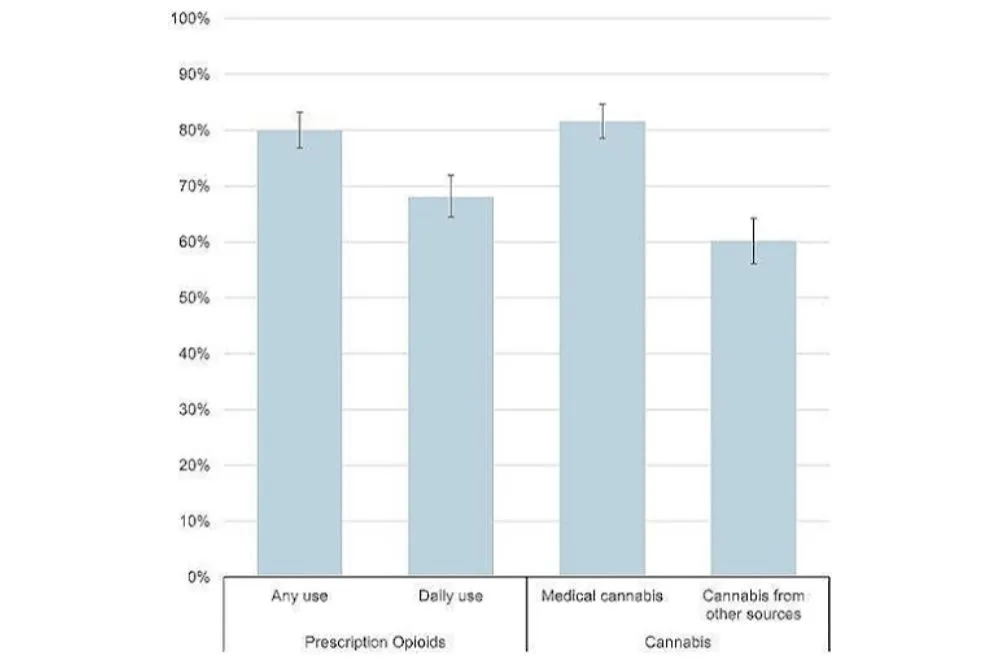 Researchers studied a large group of 147 patients with chronic, lasting pain, the kind often reported by people with fibromyalgia. Those who had leucine-rich glioma-inactivated 1 (LGI1) and contactin-associated protein-like 2 (CASPR2) antibodies were more likely to have such pain2. Patients with LGI1 antibodies also responded much better to immunotherapy (immune treatment) than those with CASPR2 antibodies. That means these antibodies cause pain in different ways. These findings matter because they may help treat patients diagnosed with fibromyalgia or pain from the mind. Right now, treatment for these painful illnesses does not work well. That is because doctors did not understand what was going on underneath. So this research deepens our understanding of pain and how to treat some pain syndromes.
Frequently asked questions
Can an autoimmune reaction cause chronic pain?
Yes. Researchers have found that autoimmune reactions are behind many chronic pains that otherwise go unexplained. These are pains with no sign of physical illness, where lab tests show no real changes. The clue came from patients whose pain eased fast on prednisolone, a drug that calms the immune system. That points to an immune system out of balance as the cause.
What does it mean to be CASPR2 or LGI1 antibody positive?
It means your immune system is making leucine-rich glioma-inactivated 1 (LGI1) or contactin-associated protein-like 2 (CASPR2) antibodies. In a group of 147 patients with chronic, lasting pain of the kind often reported in fibromyalgia, those with these antibodies were more likely to have that pain. Finding them points to an immune cause, not a purely mental one.
Is fibromyalgia an autoimmune disease?
In some patients, the pain called fibromyalgia looks autoimmune. Many people with lasting body pain and normal lab results end up diagnosed with fibromyalgia, chronic fatigue syndrome or pain from the mind. This research found LGI1 and CASPR2 antibodies in some of them. Some responded to immune treatment. That could change how these patients are treated.
Can prednisolone help chronic pain?
In some cases, yes, and quickly. One 66-year-old woman had 18 months of severe pain that began in both feet and spread to her thighs, buttocks, arms and torso. Painkillers and antidepressants did little. Adding high-dose prednisolone brought almost instant relief, and the pain returned when it was stopped.
Do LGI1 and CASPR2 antibodies cause pain the same way?
No. Patients with LGI1 antibodies responded much better to immunotherapy (immune treatment) than patients with CASPR2 antibodies. That tells researchers the two antibodies cause pain in different ways. That matters for choosing treatment. Otherwise, patients cycle through NSAIDs, opioids, antidepressants and seizure drugs that often fail them.
References
- Animals NRC (US) C on R and A of P in L. Mechanisms of Pain. National Academies Press (US); 2009. Accessed October 17, 2021. https://www.ncbi.nlm.nih.gov/books/NBK32659/
- Ramanathan S, Tseng M, Davies AJ, et al. Leucine-Rich Glioma-Inactivated 1 versus Contactin-Associated Protein-like 2 Antibody Neuropathic Pain: Clinical and Biological Comparisons. Annals of Neurology. 2021;90(4):683-690. doi:10.1002/ana.26189
Dr. Gurpreet Singh Padda, MD, MBA, MHP


