Controlling your blood sugar can stop more nerve damage. But it won’t undo the damage or ease the pain it causes. You may need a specific treatment for diabetic nerve pain.
Pills that just mask the symptoms are the most common approach.
- Opioids are used by 50 percent of diabetic peripheral neuropathy patients.
- Anti-inflammatory drugs are used by 40% of people.
- Serotonin reuptake inhibitors are used by 20% of patients (SSRI).
- Tricyclic antidepressants are used by 11% of people.
- Anticonvulsants are used by 11% of people (Neurontin and Lyrica).
Many drugs are used for the pain of diabetic neuropathy. But the US Food and Drug Administration (FDA) has approved only duloxetine and pregabalin for diabetic nerve pain.
Pregabalin (Lyrica, Pfizer) is the “gold standard” in treating peripheral neuropathy. It helps 39 percent of patients cut their pain by 50 percent. But it also causes problems in at least 38 percent of patients. These drugs have big downsides and side effects.
Combined Therapy
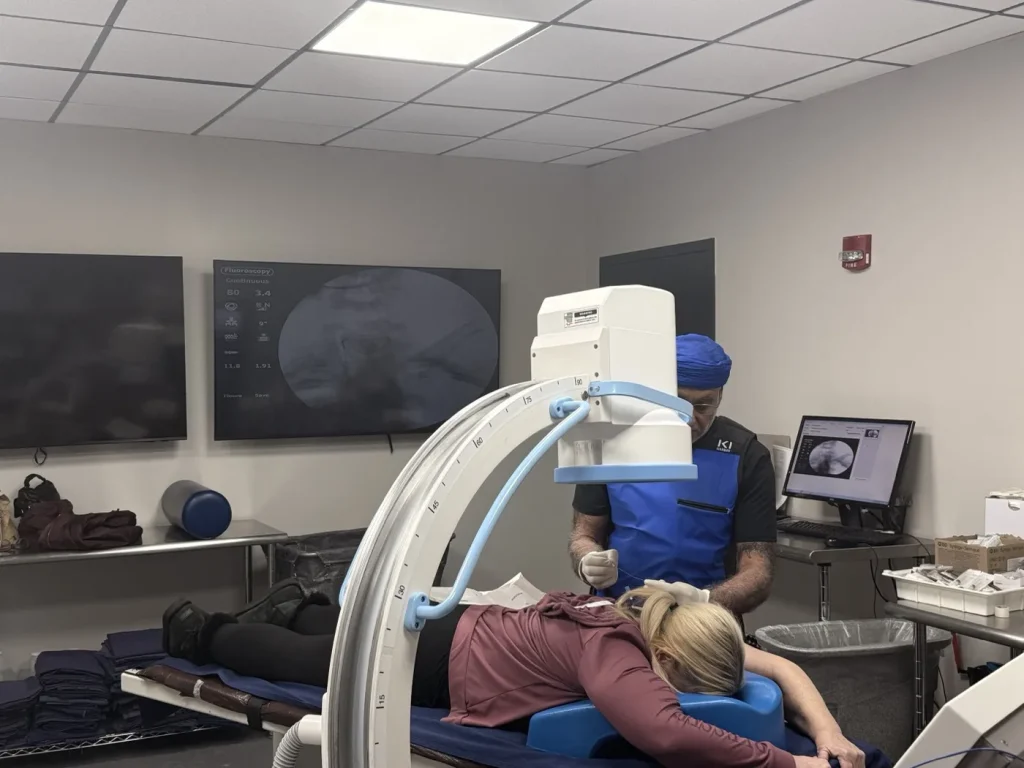
Specialists at Padda Institute use combined therapy to treat diabetic neuropathy with success. It joins two well-known methods into one program. It shows strong promise for diabetic neuropathy and for neuropathy with no known cause (idiopathic). Combination therapy has two parts. One is a local anesthetic Ankle Block. The other is Electronic Signal Therapy (EST), which uses an advanced electro anesthetic wave generator.
Ankle Block
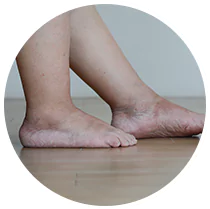
The ankle block targets five nerves that carry feeling below the ankle. Four are branches of the sciatic nerve (superficial peroneal, deep peroneal, sural, and posterior tibial nerve). The fifth is a skin branch of the femoral nerve (the saphenous nerve). The common peroneal and tibial nerves are the two end branches of the sciatic nerve.
Electronic Signal Treatment
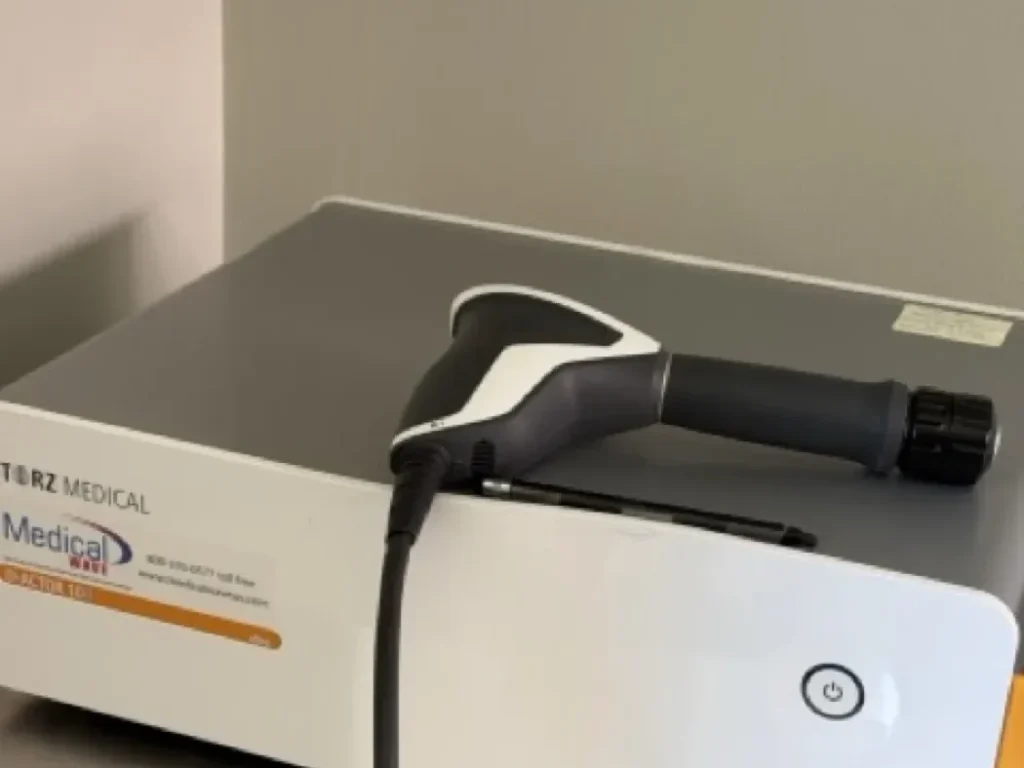
EST uses electrical signals to regrow nerves and boost blood flow. It does this by waking up nerve function in the damaged areas. The signals vary in both strength (amplitude, AM) and speed (frequency, FM). A computer controls them and sends set cell-signal patterns in from outside the body.
The device makes a digital sine-wave alternating current with matching harmonics. In the body, this current has effects that are scientifically documented and/or theorized. The device uses advanced communications technology. It sends higher frequency signal energy through custom electrodes. The pattern keeps shifting between ordered and random. That shifting stops the nerves from getting used to the signal (neuron accommodation).
Combined therapy uses 0.25 percent Marcaine, a local anesthetic, and a vasodilator (a drug that opens blood vessels for a short time to boost blood flow). When your nerves are stimulated, they get more blood flow. That makes them regrow faster.
Combined therapy is believed to:
- Increase cell growth.
- Increase metabolic activity.
- Reduce swelling around the nerve.
- Stimulate nerve function.
- Directly increase blood and oxygen flow to the nerves.
- Promote wound healing.
- Reduce inflammation.
- Reduce scar tissue.
With a pain plan that works, the patient will get more movement back.
Auricular vagal nerve stimulation. When drugs and metabolic care have not controlled the pain, we use the NS-100 — an FDA-cleared Class II programmable peripheral electrical nerve stimulator made by Nalu. It goes on the nerve branches at the ear and works as a vagal stimulator. It changes how the brain and spinal cord process pain signals. It does not cut off the nerves in the feet. It is worn for up to 30 days, most often around 20. Placement uses local anesthetic with no sedation. You drive yourself home, and there are no activity limits. Peripheral nerve stimulation is a covered category under Medicare’s national coverage determination for electrical nerve stimulators. Local coverage policy sets the criteria — we check your own coverage before booking. Read more about peripheral nerve stimulation.
Diabetic neuropathy raises the risk of a fall. But it is not the only reason a diabetic patient gets unsteady — the inner ear can be hit on its own, apart from the nerves in the feet. Balance and fall-risk testing measures both.