
Banner Sciatica

Sciatica treatment · St. Louis

Sciatica Nerve Pain Treatment

Sciatica is pain that radiates from the lower back along the sciatic nerve into the leg. It is usually on one side. Most often a herniated disc is pressing on the nerve. Padda Institute finds the root cause first, whether disc, spinal stenosis or piriformis syndrome. Then we treat it, with epidural steroid injections as a standard option.

Take the first step toward relief. Fill out the form, and we’ll reach out for a private talk about your needs.

Prefer not to fill in a form?

Same-day and emergency appointments are available.

Overview

Sciatica mainly refers to the pain that radiates along the sciatic nerve. The sciatic nerve runs from the lower back through the hip and down the leg. Sciatica mostly hits only one side of the body. That is mainly when a herniated disc or something else is squeezing part of the nerve. The most common cause is a herniated disc, which squeezes the sciatic nerve and can damage it. The most common causes of sciatic nerve damage are obesity, sitting too much, sleep habits, and high heels. These wear down the sciatic nerve.

Padda Institute center for interventional pain management finds the root cause of the pain first. Then it fits the treatment to you. If you feel any symptoms or pain, book a visit with our pain management doctors.

What does sciatica feel like?

The signs of sciatic nerve pain are listed below:

  • One Side Pain: The main symptom is pain in only one leg.
  • Tingling in Legs: It also brings numbness and tingling in the legs and feet. The person also has weak muscles in the legs.
  • Excruciating Pain: The main sign of sciatic nerve damage is radiating pain in the low back that goes along the leg and into the feet.
  • Extended Hours of Sitting, Standing, and Walking: With sciatic nerve pain, the person has trouble walking, sitting, and doing daily tasks.

One of the main signs of sciatica is pain on only one side of the body. The pain is intense and needs care right away.

The main areas affected by Sciatica nerve pain are:

  • Sole (of the foot)
  • Low back
  • Thigh or Leg (Front)
Sciatica Nerve Pain Treatment

When is sciatica an emergency?

Sciatica rarely needs emergency care. Seek emergency care when:

  • You have severe pain in your low back and leg, plus numbness.
  • You have trouble controlling your bowel or bladder.
  • The pain follows a violent injury, such as an accident.
Sciatica Nerve Pain Treatment

Customized Nerve Pain Treatments

Don’t let sciatica disrupt your lifestyle. Contact us now to schedule a consultation.

What causes sciatica?

The most common causes of pain in the sciatic nerve are as follows:

Spondylolisthesis

Spondylolisthesis often comes with degenerative disc disease (wear on the spinal discs). It happens when a spinal bone slips out of place. The bone pinches the nerves that join to form your sciatic nerve.

Piriformis Syndrome

The piriformis muscle runs from the lower spine to the top of the thigh bone. Piriformis Syndrome happens when the muscle presses on your sciatic nerve. The pressure causes numbness in the lower body. It makes almost the same pattern a disc does. So it has to be tested, not assumed: see when sciatica is not a disc, and a piriformis injection, image by image.

Herniated Disc

Your spinal bones are kept apart by discs of cartilage. Each disc has a thick, gel-like center that lets you bend. A herniated disc happens when the outer layer of the disc breaks. The gel inside pushes on your sciatic nerve. That leads to leg pain and numbness.

Spinal Stenosis

Spinal Stenosis is a narrowing of the spinal canal. It squeezes the nerves that run through the lower back into the legs. The narrowing puts pressure on your sciatic nerve.

How is sciatica diagnosed?

Sciatica treatment depends on how bad the problem is, and that varies from person to person. Diagnosis starts with your health history. That includes any recent injuries and how the pain feels. Next comes a physical exam that tests your muscle strength. The doctor may also ask you to stretch and move. People who have had sciatica for a long time may get nerve tests. These show how nerve signals travel, which areas are involved and how much. Imaging tests, including spinal X-rays, MRI and CT scans, let your doctor check the spine and find the cause of sciatica.

Precautions

For sciatica nerve pain relief, a few steps can cut the pain and lower the risks.

Exercise Regularly

Keep your posture straight and lined up. Pay special attention to the core muscles. Ask your doctor for exact exercises.

Change in Lifestyle

Don’t stand or sit for long hours; rest from time to time. Keep your back straight and avoid heavy lifting.

Good Posture

When you sit for long hours, pick a seat that lets you sit up well and holds up your back and arms. Keep a good, comfortable posture when you sit for a long time.

What is the best treatment for sciatica?

Epidural Steroid Injections are a standard option for back and leg pain. The shot puts a local anesthetic and steroid medicine into the epidural space. That space covers the nerve roots and spinal cord. It controls the pain by reducing inflammation in and around the nerve roots. It also lets patients take part in physical therapy and rehab. The doctors here at Padda Institute are the best in their fields. They give the most care and attention for sciatica nerve pain relief.

Send A Message

For questions and concerns, please fill out the form below.

Prefer not to fill in a form?

Same-day and emergency appointments are available.

What Our Patients Say

Individual results vary. These are unpaid patient testimonials shared with permission and are not a guarantee of outcome. See all patient stories.

Frequently Asked Questions

Most of the time, sciatica hits only one leg at a time. But it can affect both legs. It depends on where in the spine the nerve is squeezed.

Most people with sciatica recover without surgery. Good self-care helps ease the pain. But see a doctor if the pain is not getting better.

No, what is commonly referred to as “sciatica” or “sciatica pain” does not just come from the sciatic nerve. Sometimes the pain starts higher up in the lower back. It then spreads toward the front of the thighs or the hip.

Depending on the cause, people call sciatica pain piercing, shooting, or jolting in the leg. Others call this discomfort “burning,” “electric,” or “stabbing.” If you stand or sit for a long time, the pain gets worse.

A person with these traits may be at greater risk of sciatica:
  • Obesity and overweight
  • Lack of strong core to support lower back
  • Poor posture
  • Jobs that involve heavy lifting
  • Previous injuries

Most sciatica patients fully recover. But sciatica can leave chronic pain behind. A “drop foot,” where a numb foot makes normal walking impossible, may happen if the pinched nerve is badly damaged. This brings lasting muscle weakness. Sciatica may also leave a permanent loss of feeling in the leg.

Some causes of sciatica, like degenerative disc disease, sciatica during pregnancy, or falls, may not be preventable. But a healthy weight, good posture and regular exercise can help lower your risk of sciatica.

Piriformis syndrome is the classic look-alike. The piriformis muscle runs from the lower spine to the top of the thigh bone. When it presses on the sciatic nerve, it makes almost the same pain pattern a herniated disc does. That is why the cause has to be tested, not assumed. Pain from higher up in the lower back can also pass for sciatica. It spreads toward the front of the thigh or the hip.

Do not stand or sit for long hours without a break, and avoid heavy lifting. Keep your back straight and your posture supported. And do not wait out severe low back and leg pain with numbness, or any trouble controlling your bladder or bowels. Those signs call for emergency care, not a scheduled visit.

Sit in a seat that holds up both your back and your arms. Keep your back straight and sit upright and comfortable. Posture matters most when you have to sit for a long time. So do breaks. Get up from time to time instead of staying in one position for hours.

Treat the cause, not just the pain. Most people with sciatica recover without surgery. But first we find out what is pressing on the nerve: a herniated disc, spinal stenosis, spondylolisthesis or piriformis syndrome. Epidural steroid injections reduce inflammation around the nerve roots. That lets patients take part in physical therapy and rehab. Regular core exercise, good posture and no heavy lifting cut the pain and lower the risk of another flare.

Pain Conditions We Treat​

At Padda Institute, our pain management specialists & pain specialist doctors provide you the guidance and treatments tailored to your needs. We are best at what we do; we diagnose and evaluate to determine your best treatment plan, so that you can experience chronic pain relief like never before.
Complex Regional Pain Syndrome

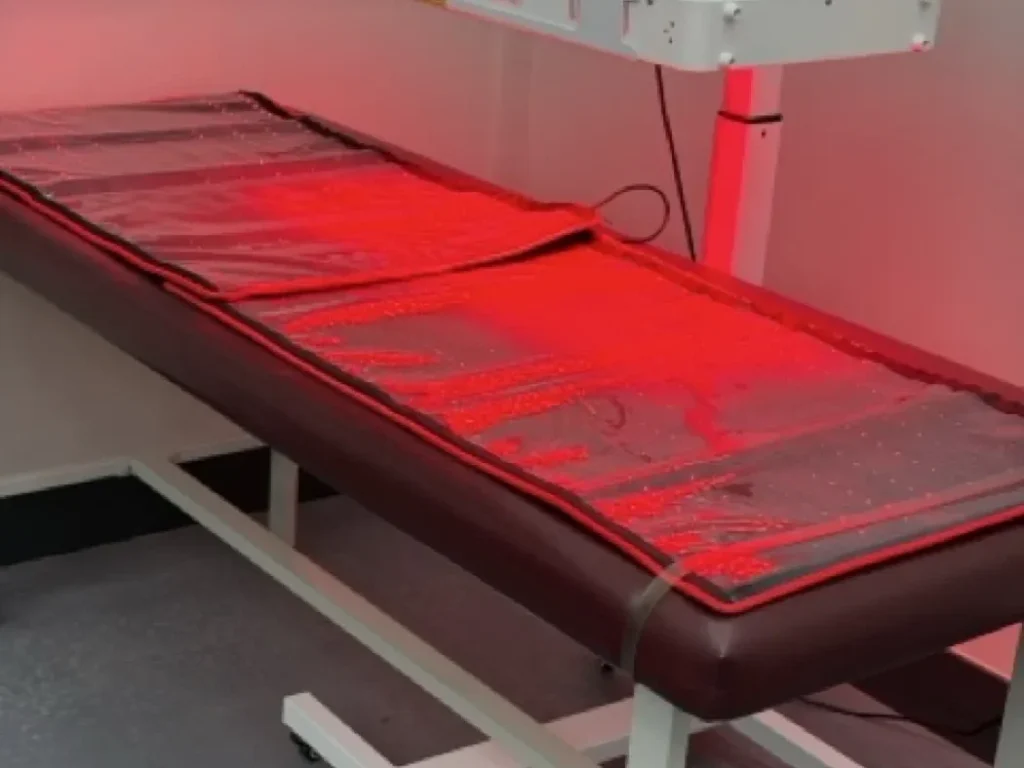
Complex regional pain syndrome (CRPS), once called reflex sympathetic dystrophy, is lasting burning pain in an arm or leg after an injury or nerve damage. “Of all the…

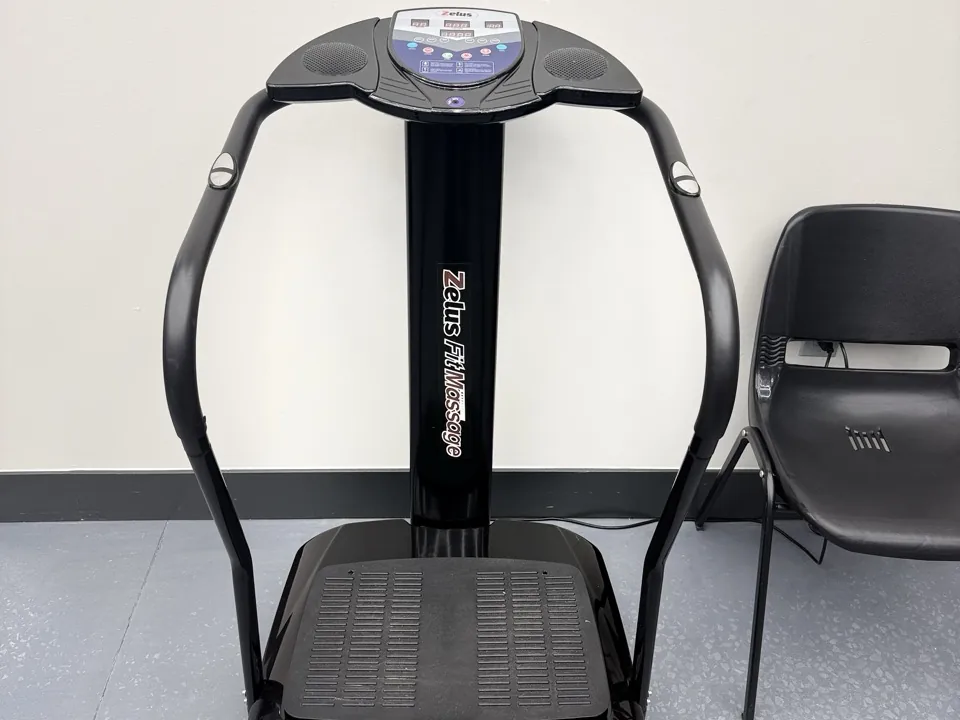
Diabetes And Neuropathy

Diabetic Peripheral Neuropathy (DPN) is the most common complication of diabetes, and often presents as a distal, symmetric..
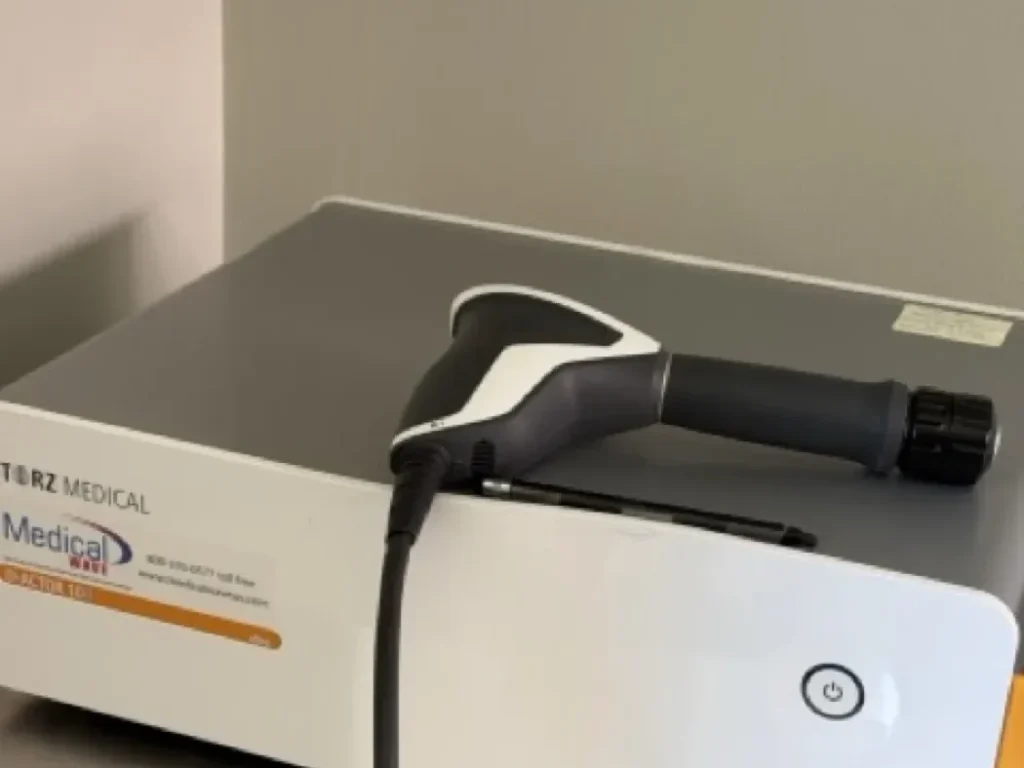
Serious Foot Pain

Nearly 60% of patient’s with chronic forefoot pain presenting to a podiatry practice have surgical intervention, yet only 50-60% of them..

Schedule NowCall (314) 481-5000