CRPS Banner

CRPS treatment · St. Louis

Complex Regional Pain Syndrome Treatment

Complex regional pain syndrome (CRPS), once called reflex sympathetic dystrophy, is lasting burning pain in an arm or leg after an injury or nerve damage. It responds best when treated early. Padda Institute treats it with sympathetic nerve blocks, radiofrequency thermoneurolysis, and spinal cord or peripheral nerve stimulation.

Take the first step toward relief. Fill out the form, and we’ll reach out for a private talk about your needs.

Prefer not to fill in a form?

Same-day and emergency appointments are available.

What is complex regional pain syndrome?

CRPS, short for complex regional pain syndrome, is a long-term condition. Its main feature is lasting pain. It usually hits the arms and legs. There are two types – Type I CRPS and Type II CRPS. Type I CRPS comes from an injury. Type II CRPS comes from nerve damage in the limbs, stroke, surgery, and sometimes even heart attack.

This pain condition has gone by several names – Reflex Sympathetic Dystrophy, Algodystrophy, and Causalgia. Since 1995, Complex Regional Pain Syndrome has been the standard term. See your doctor if you notice any symptoms. CRPS can be treated with medicine if it is caught early. Call us to book a visit with our specialists.

What are the symptoms of CRPS?

Symptoms vary from person to person. Catching the condition in time is key. Once the limb turns pale and the nail & skin start to change, it can no longer be reversed.

  • Continuous burning pain in the limbs – arm, leg, hand, and foot
  • Clear change in the temperature of the painful area
  • Sensitivity to cold and touch
  • Stiffness or swelling of joints
  • Odd feelings in the limbs, as if they are strange or out of place
  • Trouble moving the painful body part

Changes in Skin Color

Changes in Skin Color

Complex Regional Pain Syndrome

Inflammation

Back Pain

Chronic Pain

Complex Regional Pain Syndrome

Cramps

What Are The Causes?

It is hard to name one cause of Complex Regional Pain Syndrome. Most often, CRPS follows an injury to the arm/leg. It can also come from problems in the nervous system.

  • Type I CRPS can follow an illness or an indirect injury to the limb
  • Type II CRPS comes from direct damage to the nerves
Surgeries, heart attacks, ankle sprains, and even infections may cause Complex Regional Pain Syndrome. But not every such injury leads to CRPS. No one has a clear answer for why some injuries cause it.

Complex Regional Pain Syndrome

Fracture

Changes in Skin Color

Injury to Arm

Complex Regional Pain Syndrome

Surgeries

Increased Heart Dieses

Heart Attacks

When should you see a doctor for CRPS?

Treatment works best when a problem is caught early. So check complex regional pain syndrome stages and see a complex regional pain syndrome specialist early for the best results. Watch for these signs:

  • You experience constant severe pain in the limbs
  • Constant change in the temperature of the painful area
  • Swelling, redness, and extreme sensitivity in the painful area
  • Trouble moving the painful limb

How do I choose a specialist for CRPS (RSD)?

Choose one who confirms the diagnosis with the Budapest criteria before treating, and who performs sympathetic nerve blocks under image guidance. Complex regional pain syndrome, also called reflex sympathetic dystrophy (RSD), has no single test, so a doctor who skips the criteria is guessing.

The plan should be built for your limb and your stage, with the full range in one place: stellate ganglion and lumbar sympathetic blocks, ketamine by IV, under the tongue or on the skin, spinal cord or peripheral nerve stimulation, and physical therapy timed to the relief each block buys. Ask how soon they can see you. How CRPS is diagnosed with the Budapest criteria.

When should CRPS be evaluated for an interventional procedure?

As soon as it is suspected. Pain far out of proportion to the injury, a color or temperature change, swelling, a difference in sweating, or stiffness in one limb after a fracture, sprain or surgery are the signals. Waiting to see whether it settles uses up the window when sympathetic blocks work best: the first six months, and no later than two years.

Each block also tests the diagnosis. If numbing the sympathetic chain eases the burning, the pain is sympathetically maintained, and the plan builds from that answer. What happens when CRPS is left untreated.

Complex Regional Pain Syndrome

Regain Control of Complex Regional Pain Syndrome

Get control of CRPS with our focused treatment. Contact us today to book a visit.

How is CRPS diagnosed?

Diagnosis and the choice of CRPS medicine depend on the condition’s history and where it stands now. Finding CRPS, also called RSD, rests on your physical exam and medical history. No single test can diagnose it. But several tests might help shed light on it. Your doctor might order these tests:

Dynamic Phase Bone Scan

A dynamic phase bone scan may help track changes in the bone. A small dose of radioactive tracer goes into a vein. A special camera then picks it up.

Sweat Production Test

This test measures how much each limb sweats. If the two limbs differ, CRPS is suspected.

Magnetic Resonance Imaging

MRI is a scan that can show changes in limb tissue that CRPS could cause.

X-Ray

CRPS drains minerals from the bones of the painful limb. X-rays can show this bone loss.

Prevention

There’s an age-old phrase: “prevention is better than cure.” You cannot always stop CRPS. But some steps can help avoid it.

These may help lower the chances of CRPS:

  • Vitamin C after a Wrist Fracture – A high dose of vitamin C after a wrist fracture is proven to lower the chances of getting CRPS.
  • Mobilization – Staying in bed after a stroke can do more harm than good. Moving early lowers the risk of CRPS. That means getting up and walking again soon after the stroke.

How is CRPS treated at Padda Institute?

CRPS or RSD can be treated if it is caught early, in the first six months and no later than 2 years. Padda Institute, Center for Interventional Pain Management, offers procedures for long-term relief of complex regional pain syndrome.

Surgical sympathectomy (removing part of the chain of sympathetic ganglia on the side of the spine) has only a small role in treating RSD. There are focused treatments for CRPS in the foot. Options include sympathetic blocks with regional anesthetic techniques, radiofrequency thermoneurolysis, or neuromodulation with spinal cord or peripheral nerve stimulation.

The radiofrequency neurolysis method adds safety to a continuous regional sympathetic or neurolytic block for long-term relief. Sympathetic blocks have three jobs. They ease pain. They help restore function. And they shut down the sympathetic nerves (sympatholysis) to prove whether those nerves are feeding the pain. Say sympatholysis calms the burning pain (dysesthesia) and the pain from light touch (allodynia) or the extra pain from mild triggers (hyperalgesia). Then we repeat the block to see if the effect lasts longer each time. For some patients, these blocks alone are enough to get their abilities back. If sympatholysis eases symptoms and makes exercise therapy possible but wears off too soon, a radiofrequency neurolysis block may be an option.

Radiofrequency has been used to treat the cervical sympathetic chain, the thoracic sympathetic chain, and the lumbar sympathetic chain. It has also been used for nerve pain in CRPS I and II.

Send A Message

For questions and concerns, please fill out the form below.

Prefer not to fill in a form?

Same-day and emergency appointments are available.

What Our Patients Say

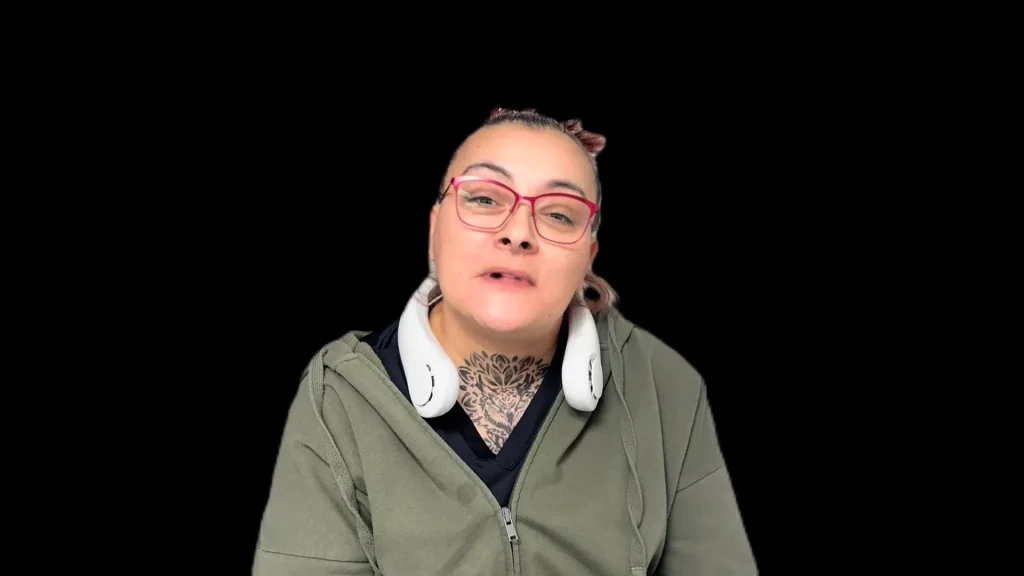
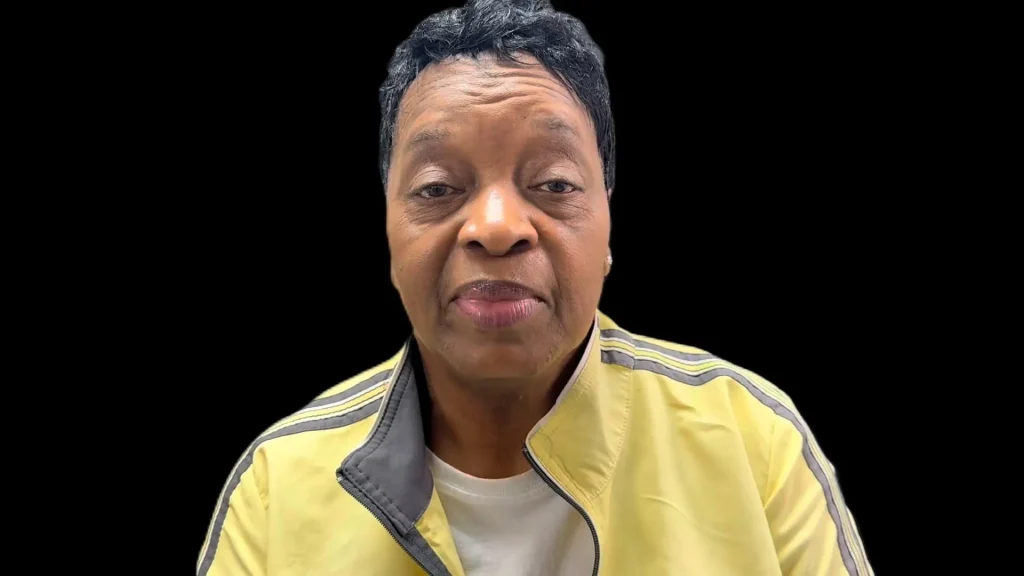
Individual results vary. These are unpaid patient testimonials shared with permission and are not a guarantee of outcome. See all patient stories.

Frequently Asked Questions

Yes, many medicines help cut the pain caused by CRPS. But get a solid diagnosis from a specialist before you pick one prescription over another.

Yes, nerve blocks have been shown to work for CRPS. But they do not work every time. How you respond depends on you and the details of your own case of CRPS.

CRPS won’t just go away. That is why early diagnosis and treatment are key. See a doctor if there is any chance you have CRPS, because in some cases the condition can go untreated for years.

Hot-and-cold contrast therapy or ice is generally NOT advised for people with CRPS.

Yes, many CRPS patients have abnormal sweating. That can mean too much sweat or none at all. With CRPS, it is common to have both extremes at different times.

There is no single answer. CRPS may go into remission. Or a person may live with it for the rest of their life. It depends on many factors.

No single treatment works for everyone, but timing matters most. CRPS responds best when treated early, within the first six months and no later than two years. At Padda Institute, the options are sympathetic nerve blocks, radiofrequency thermoneurolysis, and spinal cord or peripheral nerve stimulation. If a block eases the burning pain but wears off too soon, a radiofrequency block can make the relief last longer.

Surgery that removes nerves is rarely used. Surgical sympathectomy removes part of the chain of sympathetic nerve ganglia beside the spine. It has only a small role in treating CRPS. Padda Institute treats CRPS with sympathetic nerve blocks, radiofrequency thermoneurolysis, and neuromodulation with spinal cord or peripheral nerve stimulation. The goal is pain relief plus restored function, so the affected arm or leg can move and work again.

Delay is the biggest problem. Left untreated, CRPS can go on for years. Once the limb turns pale and the skin and nails change, it may not be reversible. Ice and hot-cold contrast therapy are generally not advised. Sensitivity to cold is one of the core symptoms. Sitting still also works against you. After a stroke, staying in bed raises the risk of CRPS, while moving early lowers it.

Pain Conditions We Treat​

At Padda Institute, our pain management specialists & pain specialist doctors provide you the guidance and treatments tailored to your needs. We are best at what we do; we diagnose and evaluate to determine your best treatment plan, so that you can experience chronic pain relief like never before.
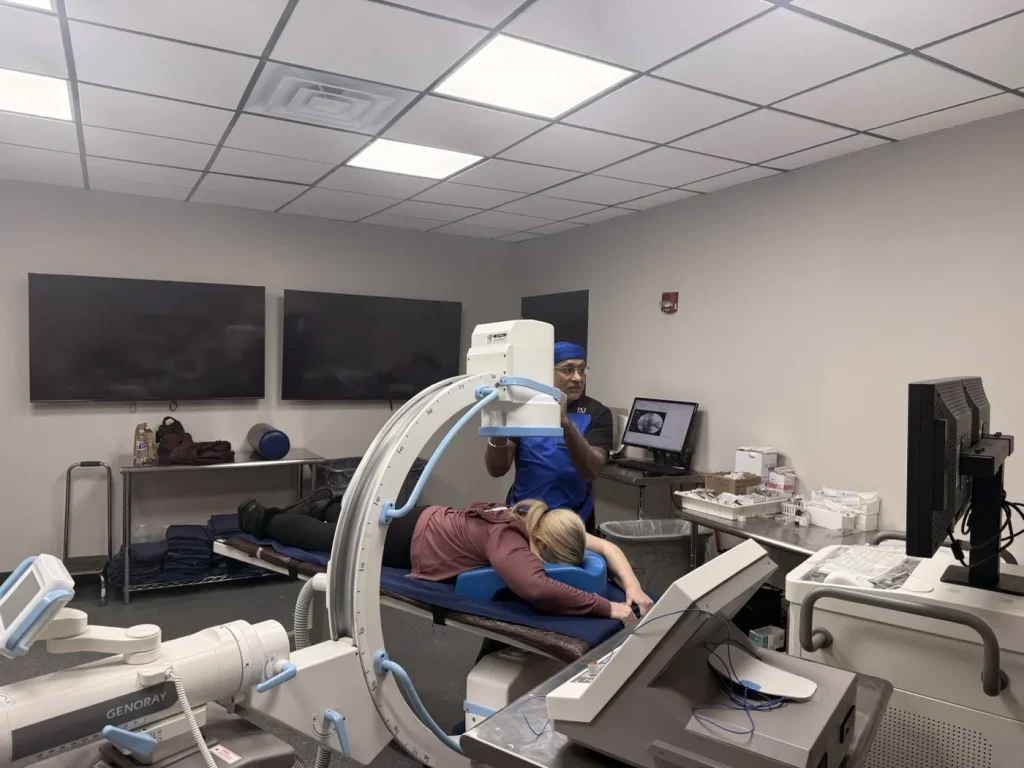
Facet Joint Radiofrequency (Rf)

A patient with primary facet pain, proven with either one or more blocks, may be a candidate for a facet rhizotomy using radiofrequency (RF)..

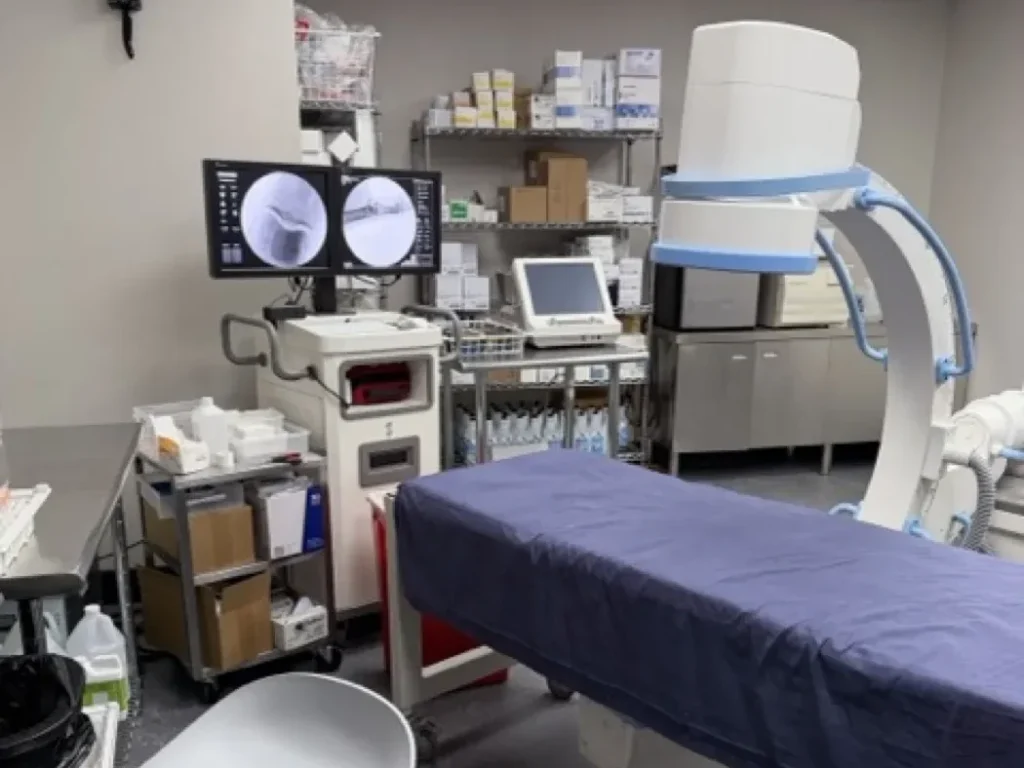
Facet Joint Injection

The spine is designed to bend and turn. Along with the intervertebral discs, facet joints (also referred to as Z joints or zygapophyseal joints)..
Hip Joint Injection

The hip joint is a large joint where the leg joins the pelvis. It works as a ball and socket. The top of the thigh bone (the femur)…

Schedule NowCall (314) 481-5000