Mon–Fri: 8 AM – 5 PM
Same-Day & Emergency Visits
Exterior of the Padda Institute clinic at 4477 Woodson Rd, St. Louis, Missouri, at night

Ketamine for RSD, CRPS and Refractory Nerve Pain

Ask us whether ketamine has a role in your treatment plan. Complete the form and we will contact you for a confidential discussion.

Prefer not to fill in a form?

Same-day and emergency appointments are available.

Overview

Ketamine is a non-competitive NMDA receptor antagonist. In reflex sympathetic dystrophy (RSD), also called complex regional pain syndrome (CRPS), and in other refractory nerve pain, repeated pain signaling is thought to drive glutamate onto NMDA receptors in the spinal cord and amplify the response over time. That amplification is the leading explanation for why light touch can begin to feel like injury. It is inferred from the pattern of symptoms rather than measured directly in patients. Blocking the NMDA receptor is the reason ketamine is considered after membrane-stabilizing medication, sympathetic blocks and desensitization have not been enough.

At the Padda Institute Center for Interventional Pain Management we use ketamine by three routes: intravenous infusion, sublingual preparations that dissolve under the tongue, and topical cream applied to the painful area. For RSD and CRPS, sublingual or topical is typically where we start.

The evidence does not transfer between these routes. A result from an intravenous study does not tell you what a cream will do, and the reverse is equally true. If someone quotes an infusion trial while handing you a jar of cream, those two things have little to do with each other. You should know that before you begin.

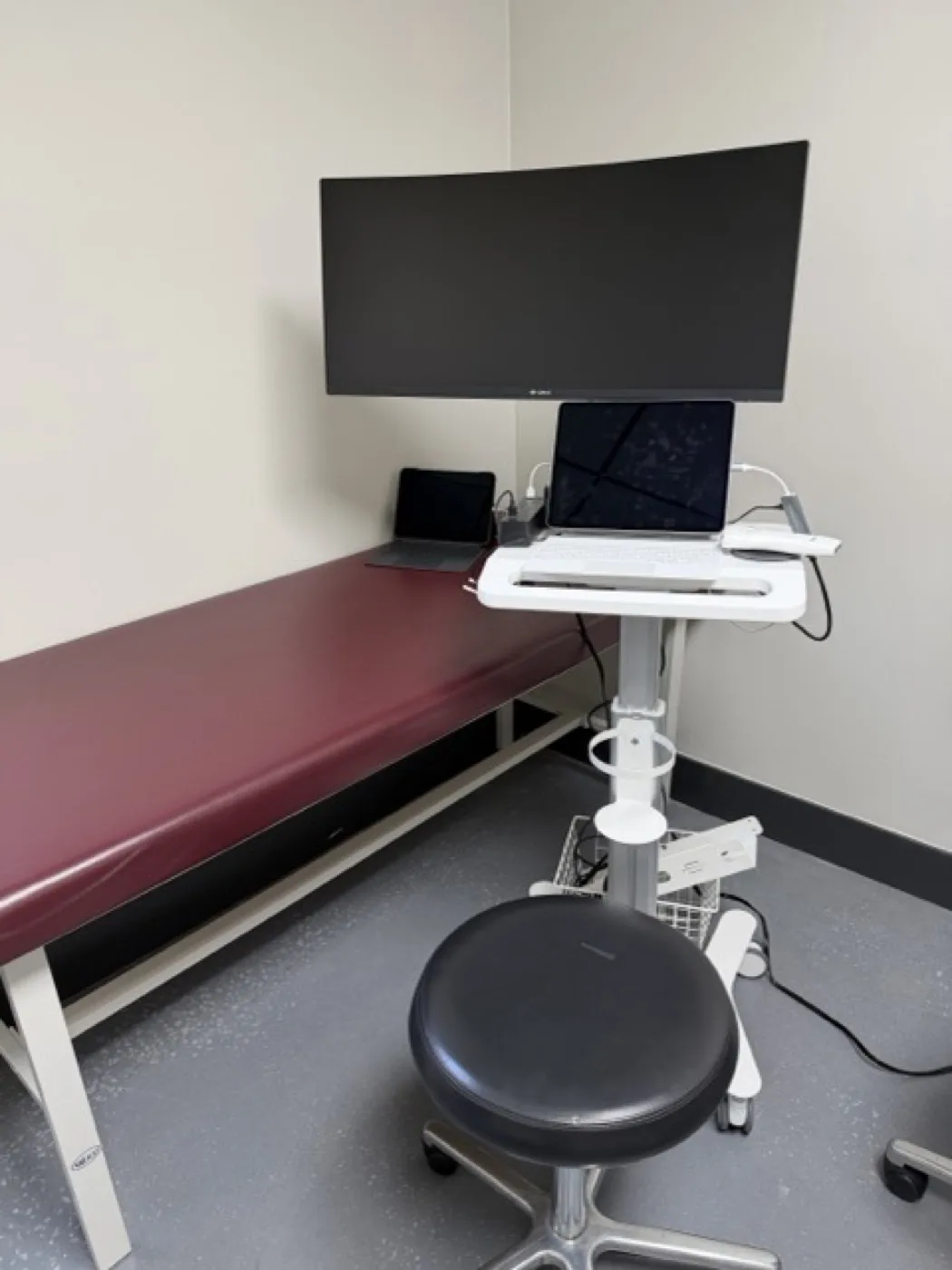
Diagnostic ultrasound cart and exam table at Padda Institute, St. Louis
Counseling and group therapy room at Padda Institute, St. Louis

What the Research Actually Shows

Intravenous ketamine

The strongest data come from a randomized, double-blind trial of 60 patients with CRPS type 1 (Sigtermans and colleagues, Pain, 2009). A 100-hour continuous inpatient infusion of S(+)-ketamine lowered pain compared with placebo through roughly week 11, with separation from placebo lost by week 12. Two limits matter and are rarely quoted: function did not improve, only pain scores did, and psychomimetic side effects occurred in 76 percent of patients. Short outpatient infusions are not what that trial studied.

Topical ketamine

Topical is a separate literature. In a double-blind, placebo-controlled crossover trial of 20 patients with CRPS (Finch and colleagues, Pain, 2009), 10 percent ketamine cream reduced brush allodynia and punctate hyperalgesia, with plasma levels undetectable — the effect was local, not systemic. Normal touch thresholds did not change, and how long the benefit lasts was never measured.

Sublingual ketamine

There is no controlled efficacy evidence for sublingual ketamine in these conditions, and we will tell you so directly. It is used because it is practical and better tolerated than an infusion — not because a trial has shown that it works.
Who Is a Candidate

  • RSD or CRPS meeting the Budapest clinical criteria, or documented neuropathic pain with allodynia
  • An inadequate response to standard care — membrane-stabilizing medication, sympathetic blocks, desensitization and physical therapy
  • No medical condition that makes ketamine unsafe for you (see risks below)

Ketamine is not a first step and it is not a substitute for finishing the diagnosis. If your workup has not excluded other treatable causes of your pain, that comes first.

What to Expect

Topical cream is applied to the painful area. In the trial setting the effect on allodynia was measurable the same day.

Sublingual preparations dissolve under the tongue. Dosing is individualized, and there is no trial-established schedule to point to.

Intravenous infusion requires screening beforehand and monitoring throughout — blood pressure, pulse and oxygen saturation are watched during the infusion. You cannot drive afterward and you will need someone to take you home.

Expected duration of benefit is route-specific, and the honest numbers are limited: roughly eleven weeks after the multi-day inpatient infusion that was studied, same-day for the cream, and unmeasured for sublingual.

Risks and Side Effects

  • Dissociation, vivid dreams, confusion and sedation
  • Nausea and vomiting
  • Increased blood pressure and heart rate
  • Impaired driving, balance and coordination after dosing
  • With repeated or prolonged exposure: ulcerative cystitis, a painful bladder condition that is sometimes irreversible, and hepatobiliary injury
  • Ketamine is a Schedule III controlled substance and carries a risk of misuse and dependence

We generally avoid ketamine in uncontrolled high blood pressure, unstable cardiac or cerebrovascular disease, raised pressure inside the skull or the eye, psychosis, significant liver disease, pregnancy, or active substance use.

Off-Label and Compounded: What That Means

Ketamine is approved by the FDA as an anesthetic. Every use of ketamine for chronic pain is off-label. Off-label prescribing is legal and common throughout medicine, but you are entitled to know when it applies to you.

Topical and sublingual ketamine are compounded preparations, made to order by a compounding pharmacy. Compounded drugs are not evaluated by the FDA for potency, purity or effectiveness.

Consensus guidance from the American Society of Regional Anesthesia and Pain Medicine, the American Academy of Pain Medicine and the American Society of Anesthesiologists notes that the evidence varies by condition and dose, that most studies are small and uncontrolled, and sets monitoring standards for intravenous use only.

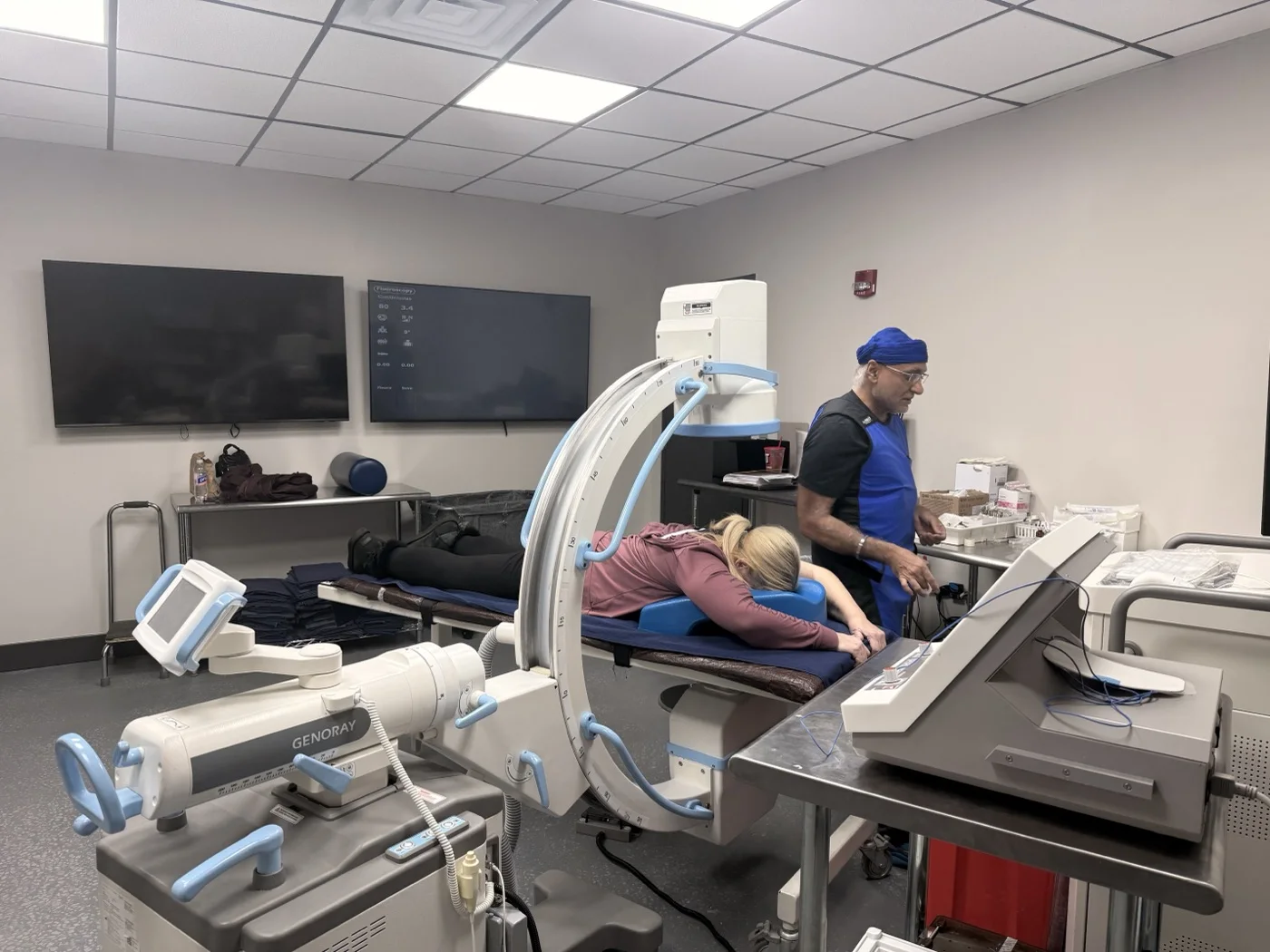
Wide view of the interventional procedure suite with C-arm fluoroscopy during a procedure at Padda Institute, St. Louis

Ask Whether Ketamine Has a Role in Your Care

Serving St. Louis, St. Louis County and St. Charles, and drawing patients from across Missouri and Illinois. Call or text us to discuss your diagnosis and whether ketamine fits your plan.

What Our Patients Say

Individual results vary. These are unpaid patient testimonials shared with permission and are not a guarantee of outcome. See all patient stories.

Ketamine Therapy: Frequently Asked Questions

Yes. For reflex sympathetic dystrophy (RSD) and complex regional pain syndrome (CRPS) we typically start with sublingual or topical ketamine. Intravenous infusion is also available. Which route we choose depends on your diagnosis, your other medical conditions and how you have responded to previous treatment.

No. Ketamine is FDA approved as an anesthetic, so all use for chronic pain is off-label. Topical and sublingual preparations are also compounded, which means they are not evaluated by the FDA for potency, purity or effectiveness. Off-label prescribing is legal and common, and we tell every patient when it applies.

It depends entirely on the route, and the honest answer is that the data are limited. In the trial of a 100-hour inpatient infusion, pain relief separated from placebo for roughly eleven weeks. For topical cream, the measured effect on allodynia was same-day and durability was never studied. For sublingual there is no controlled trial to quote.

The intravenous trial that showed pain relief did not show functional improvement. That is an important limit and one reason ketamine is used alongside desensitization, physical therapy and the rest of your plan rather than in place of them.

Dissociation, sedation, vivid dreams, nausea, and increases in blood pressure and heart rate. With repeated or prolonged use, ulcerative cystitis (a bladder condition that is sometimes irreversible) and liver injury. Ketamine is a Schedule III controlled substance and carries a risk of misuse and dependence. You cannot drive after dosing.

We generally avoid ketamine in uncontrolled high blood pressure, unstable heart or cerebrovascular disease, raised pressure inside the skull or the eye, psychosis, significant liver disease, pregnancy, or active substance use. Screening happens before anything is prescribed.

References

  • Sigtermans MJ, van Hilten JJ, Bauer MCR, et al. Ketamine produces effective and long-term pain relief in patients with Complex Regional Pain Syndrome Type 1. Pain. 2009;145(3):304-311. PMID 19604642.
  • Finch PM, Knudsen L, Drummond PD. Reduction of allodynia in patients with complex regional pain syndrome: a double-blind placebo-controlled trial of topical ketamine. Pain. 2009;146(1-2):18-25. PMID 19703730.
  • Cohen SP, Bhatia A, Buvanendran A, et al. Consensus Guidelines on the Use of Intravenous Ketamine Infusions for Chronic Pain. Reg Anesth Pain Med. 2018;43(5):521-546. PMID 29870458.

Send A Message

For questions and concerns, please fill out the form below.

Prefer not to fill in a form?

Same-day and emergency appointments are available.