Mon–Fri: 8 AM – 5 PM
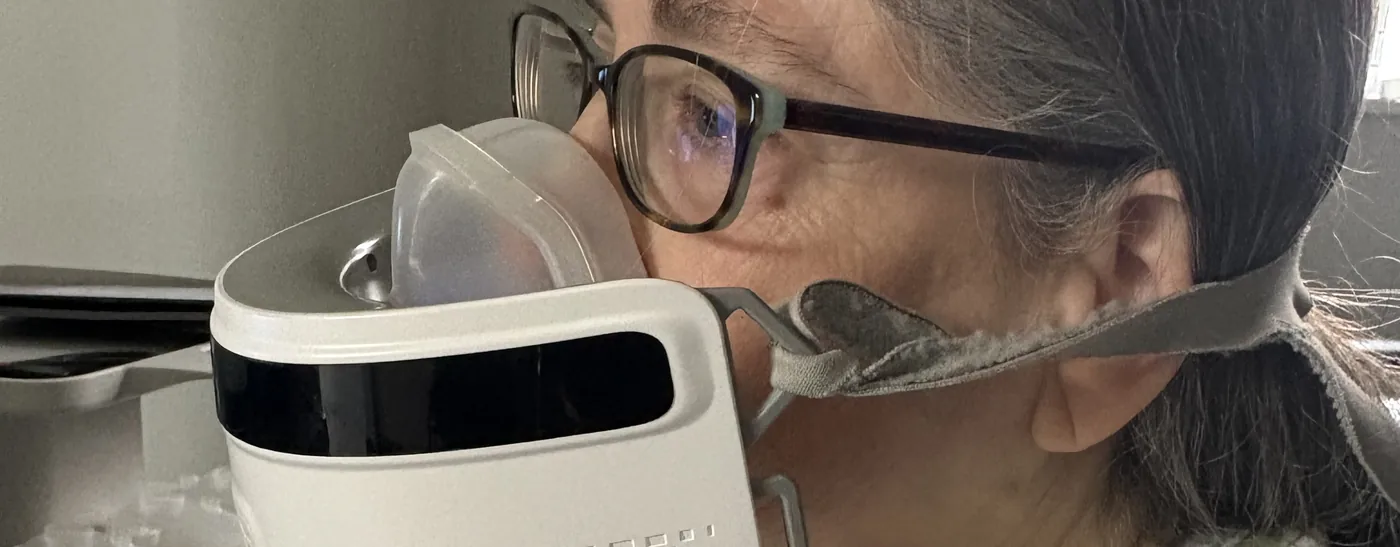
Clinician delivering treatment to a patient in a treatment room at Padda Institute, St. Louis

Lifestyle Medicine

Ask how the metabolic terrain is affecting your pain. Complete the form and we will contact you.

Overview

Two patients with the same MRI do not have the same pain, and they do not respond the same way to the same injection. The difference is usually the terrain — sleep, nutrition, metabolic health, movement and the inflammatory load the tissue is sitting in.

Lifestyle medicine is how we treat that terrain deliberately rather than hoping it improves on its own. Dr. Gurpreet Singh Padda, MD, MBA, MHP holds a Metabolic Health Practitioner credential alongside board certification in Obesity Medicine, Addiction Medicine, Pain Medicine, Interventional Pain Management and Anesthesiology.
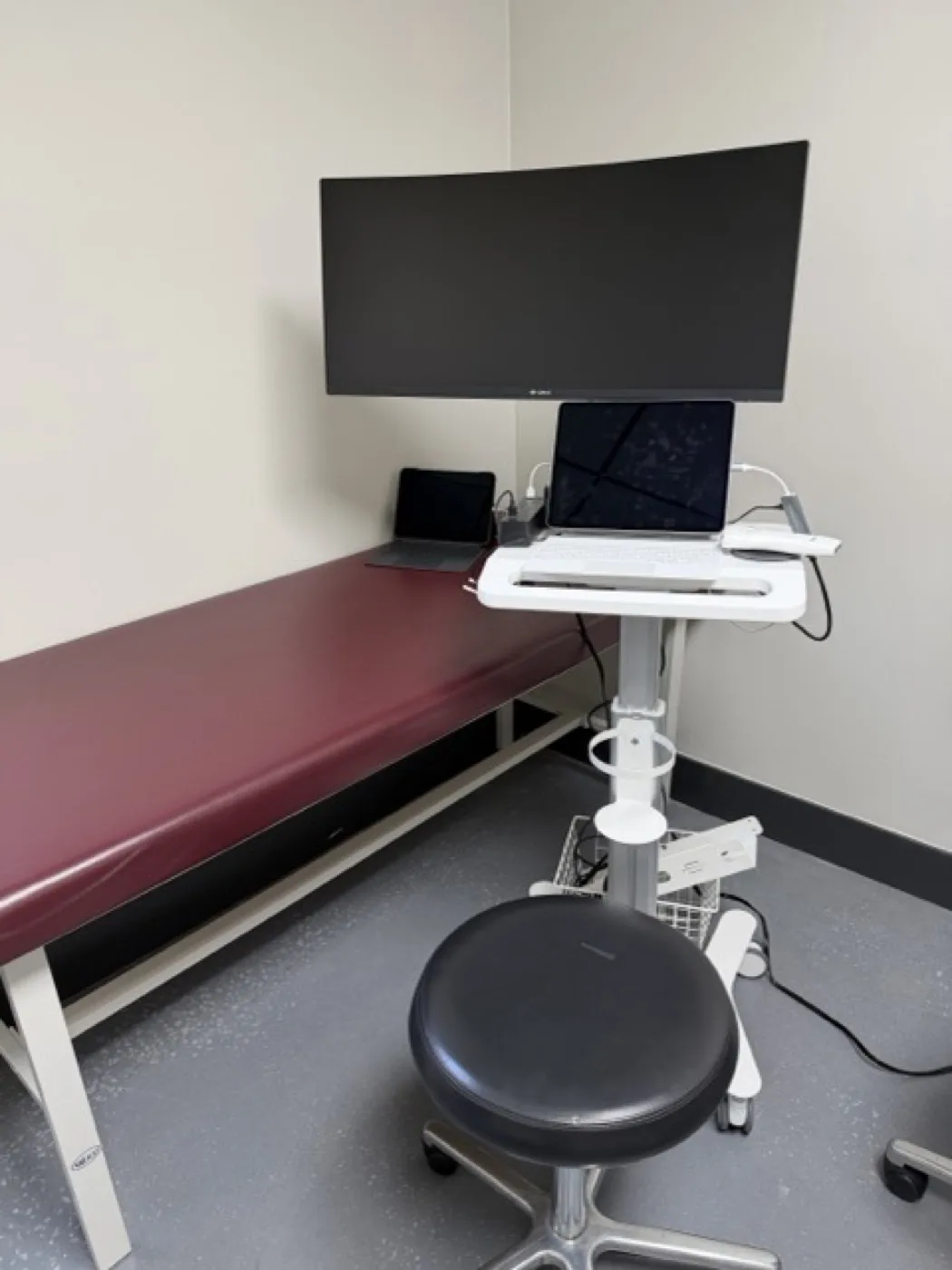
Diagnostic ultrasound cart and exam table at Padda Institute, St. Louis

What We Work On

  • Sleep and circadian alignment — including light exposure at night, which suppresses the repair window.
  • Nutrition — whole food, adequate protein and healthy fat; reducing refined carbohydrate and industrial seed oils that drive glycation and inflammation.
  • Movement — graded activity, which also supports your own endogenous opioid signalling.
  • Metabolic and inflammatory testing — measured, not assumed.
  • Nutritional deficiencies — magnesium, vitamin D and B vitamins are common and rarely checked.

Why the Terrain Decides the Outcome

Chronic pain is frequently an extension of systemic metabolic inflammation rather than a purely neurological event. That is why we screen metabolic markers before building a plan, and why patients who fix sleep and nutrition often need less medication and fewer repeat procedures to hold the same level of function.

Do not start, stop, or change any medication without consulting your physician. Individual results vary.

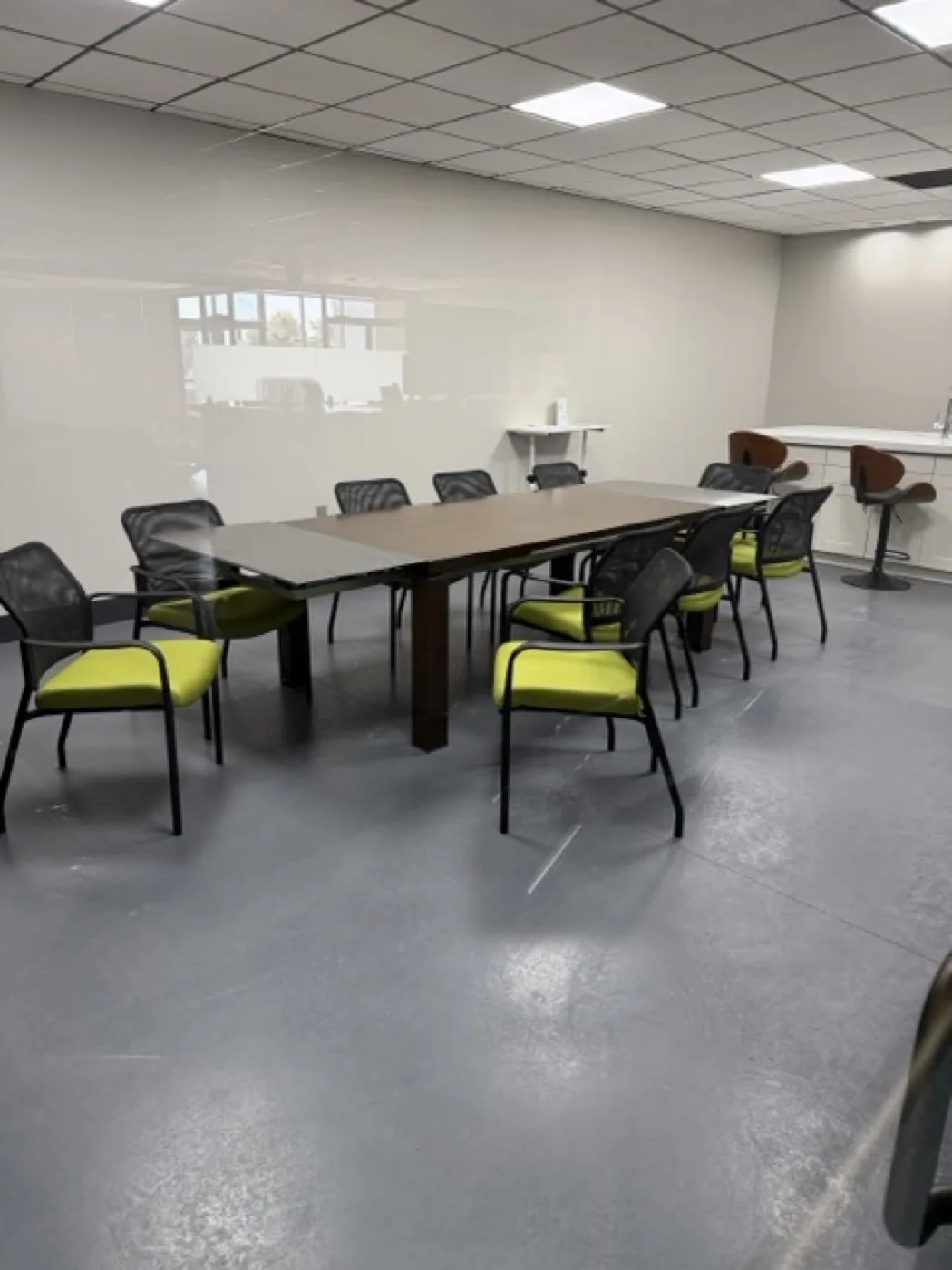
Counseling and group therapy room at Padda Institute, St. Louis

The Sleep Evidence

One bad night is measurable

Krause and colleagues, working in Matthew Walker’s laboratory, published The Pain of Sleep Loss in the Journal of Neuroscience in 2019. Sleep deprivation amplified pain reactivity in the brain’s somatosensory regions while blunting the circuits that normally modulate and dampen pain signalling.

That is the mechanistic reason sleep is treated here as a clinical target rather than lifestyle advice, and why disrupted sleep is one half of what we describe to patients as opioid bankruptcy.

Related Reading

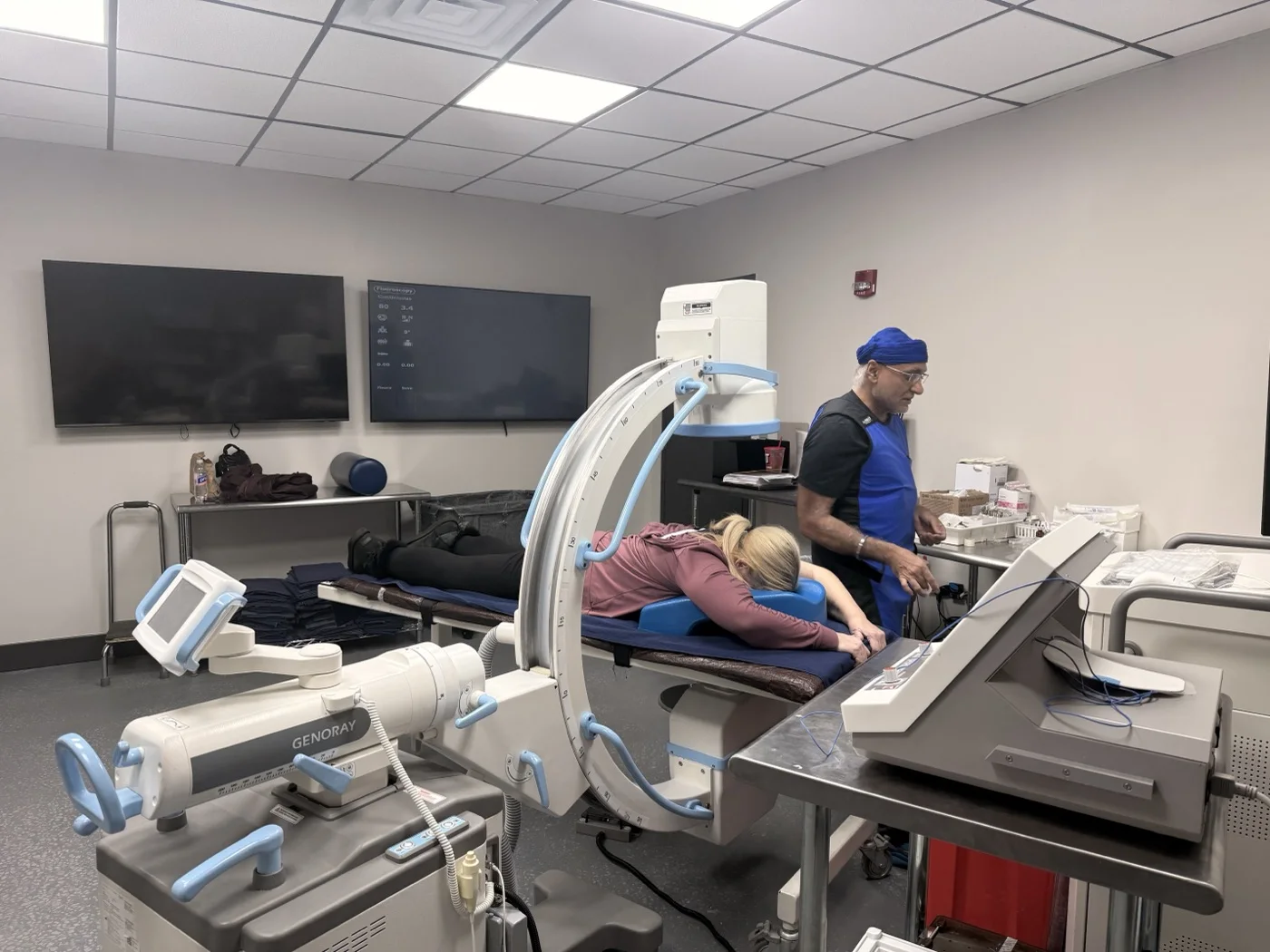
Wide view of the interventional procedure suite with C-arm fluoroscopy during a procedure at Padda Institute, St. Louis

Fix the Terrain, and the Treatment Holds

Serving St. Louis, St. Louis County and St. Charles, and drawing patients from across Missouri and Illinois. Call or text us to discuss whether this fits your plan.

What Our Patients Say

Individual results vary. These are unpaid patient testimonials shared with permission and are not a guarantee of outcome. See all patient stories.

Lifestyle Medicine: Frequently Asked Questions

It is the deliberate treatment of the daily inputs that determine whether tissue heals or stays inflamed: sleep and circadian timing, nutrition, movement, light exposure and stress load. In a pain practice it is not an add-on to the real treatment — it is the terrain that decides how well the real treatment holds.

Because it is measurable and it moves pain quickly. Deep sleep is when the body recharges its own pain-control systems. Krause and colleagues showed in the Journal of Neuroscience in 2019 that sleep deprivation amplifies pain reactivity in the brain's sensory regions while blunting the circuits that normally dampen that signal. One poor night lowers your pain threshold the next day.

Metabolic and inflammatory markers, alongside the nutritional deficiencies that are common in chronic pain patients and rarely looked for. Reference ranges describe a broad and largely unwell population, so sitting at the bottom of normal is not the same as having what tissue repair requires.

They overlap and are often run together, but they are not identical. Lifestyle medicine is the foundation — sleep, food quality, movement, circadian alignment. Medical weight loss adds structured coaching, nutritional counselling and, where appropriate, prescription medication. See medical weight loss.

No. A structural problem still needs structural treatment, and this is not a reason to stop anything you have been prescribed. What it does is reduce how much work the medication and the procedures have to do, which is what makes lower doses and longer intervals achievable. Do not start, stop, or change any medication without consulting your physician. Individual results vary.

Padda Institute Center for Interventional Pain Management, 4477 Woodson Road, Suite 100, St. Louis, MO 63134, with a second location at 12174 Natural Bridge Road, Bridgeton, MO 63044. Book at painmd.tv/appointment/, call (314) 481-5000 or text (314) 886-5902.

References

  • Krause AJ, Prather AA, Wager TD, Lindquist MA, Walker MP. The pain of sleep loss: a brain characterization in humans. J Neurosci. 2019;39(12):2291–2300. PMID 30692228.
  • Messier SP, Beavers DP, Queen K, et al. Effect of diet and exercise on knee pain in patients with osteoarthritis and overweight or obesity: a randomized clinical trial. JAMA. 2022;328(22):2242–2251. PMID 36511925.
  • Lean ME, Leslie WS, Barnes AC, et al. Primary care-led weight management for remission of type 2 diabetes (DiRECT): an open-label, cluster-randomised trial. Lancet. 2018;391(10120):541–551. PMID 29221645.

Send A Message

For questions and concerns, please fill out the form below.