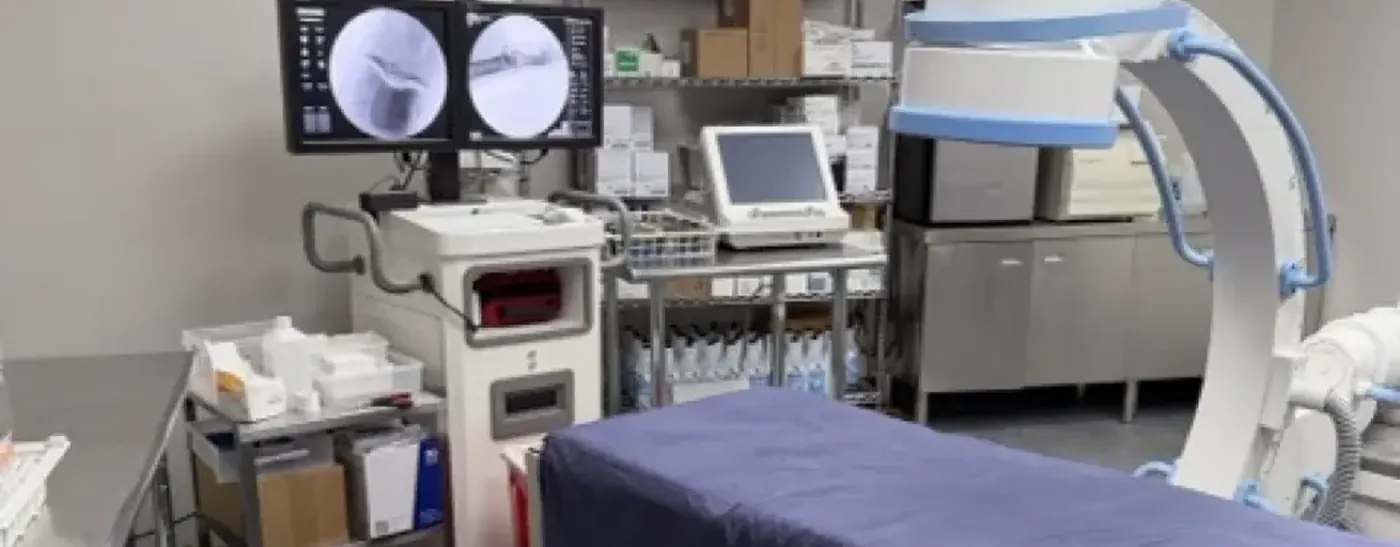


Fluoroscopy suite with C-arm and procedure table at Padda Institute, St. Louis

Kyphoplasty · Compression fracture · St. Louis

Kyphoplasty

Kyphoplasty is a minimally invasive, image-guided procedure. It steadies a painful vertebral compression fracture from the inside. It takes well under an hour. It is usually done same-day as an outpatient at Padda Institute in St. Louis.

Take the first step toward relief. Fill out the form, and we'll reach out for a private talk about your needs.

Prefer not to fill in a form?

Same-day and emergency appointments are available.

Overview

A vertebral compression fracture happens when one of the bones of the spine collapses under load. In people with osteoporosis, it can happen during something as simple as bending, lifting a bag of groceries, or a small stumble. The pain is often sudden, sharp, and worse with standing or walking.

These fractures are often blamed on general back pain and left untreated. Left alone, a collapsed spine bone heals in its crushed shape. That shortens the spine and tips posture forward. Each new fracture puts more load on the bones above and below it. That is why one compression fracture makes the next one more likely.

Kyphoplasty is a minimally invasive procedure that steadies the broken spine bone from the inside. It is done under image guidance and takes well under an hour. It is usually done same-day as an outpatient at Padda Institute in St. Louis.

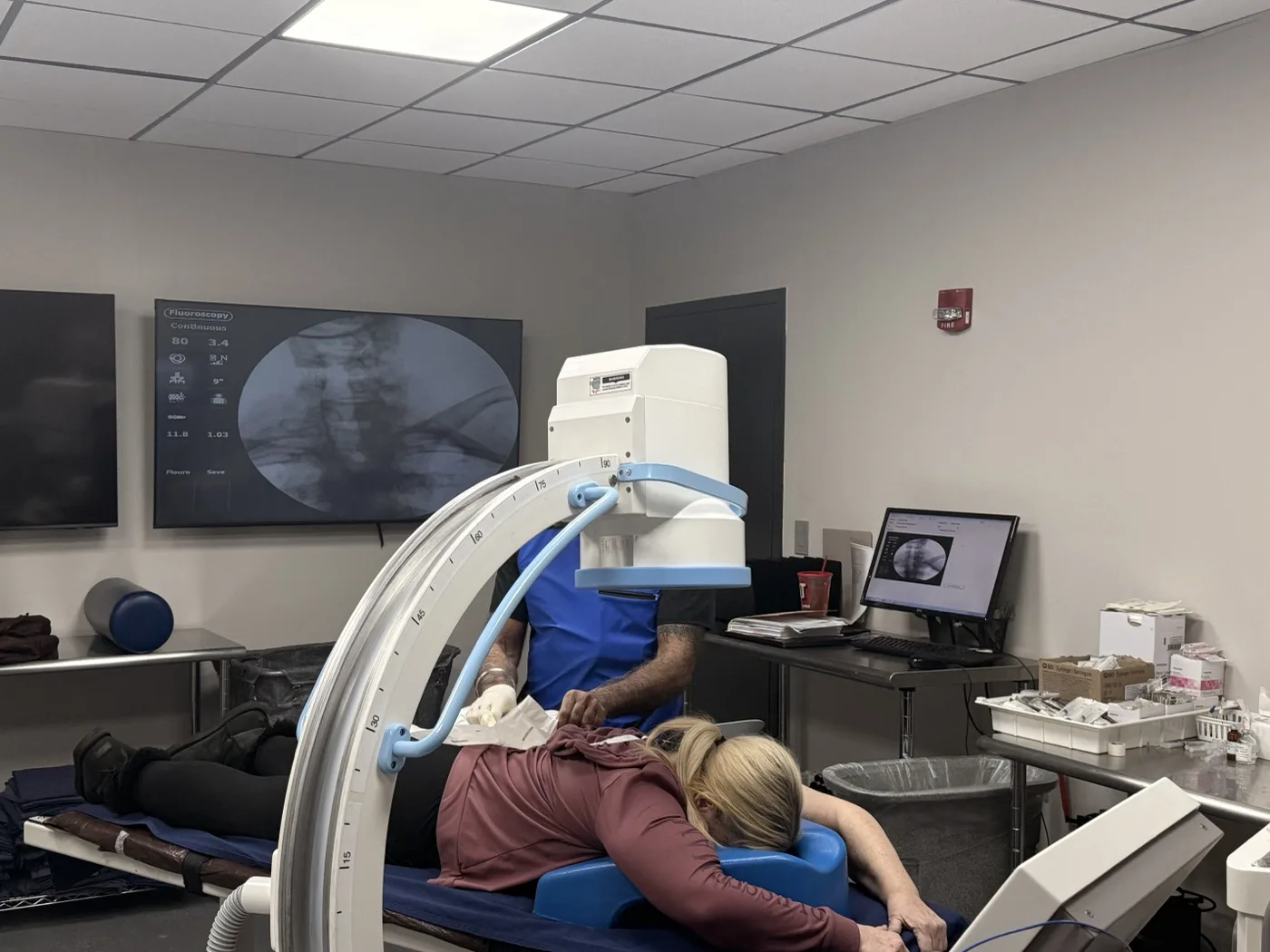
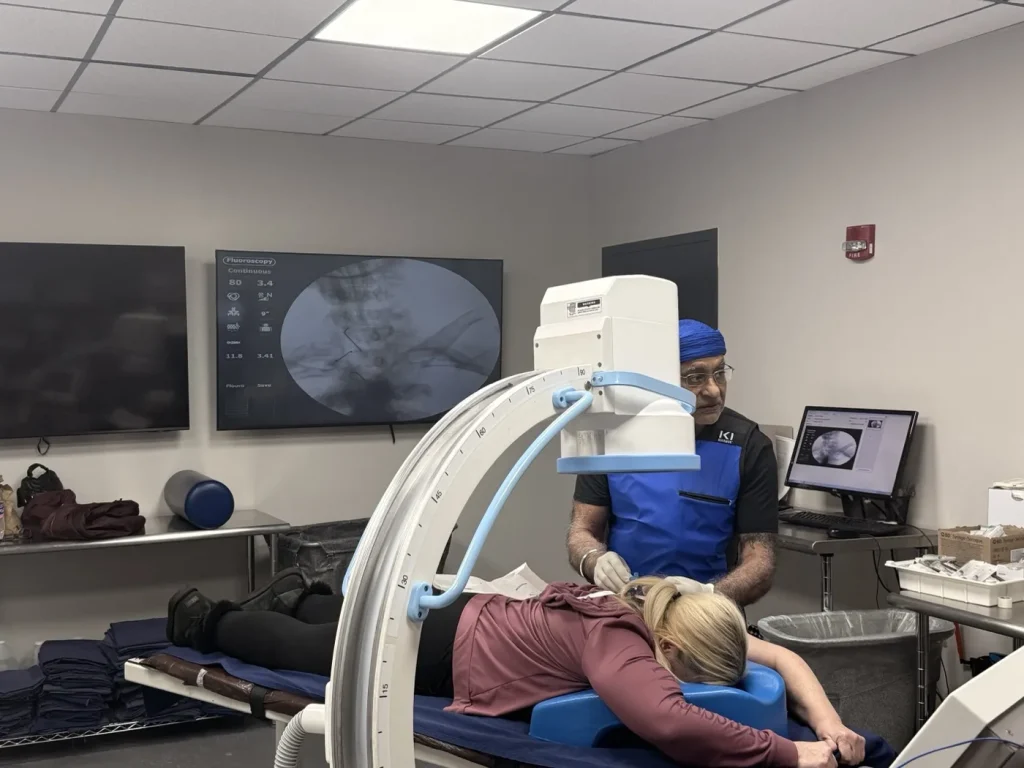
C-arm fluoroscopy imaging during an interventional pain procedure at Padda Institute
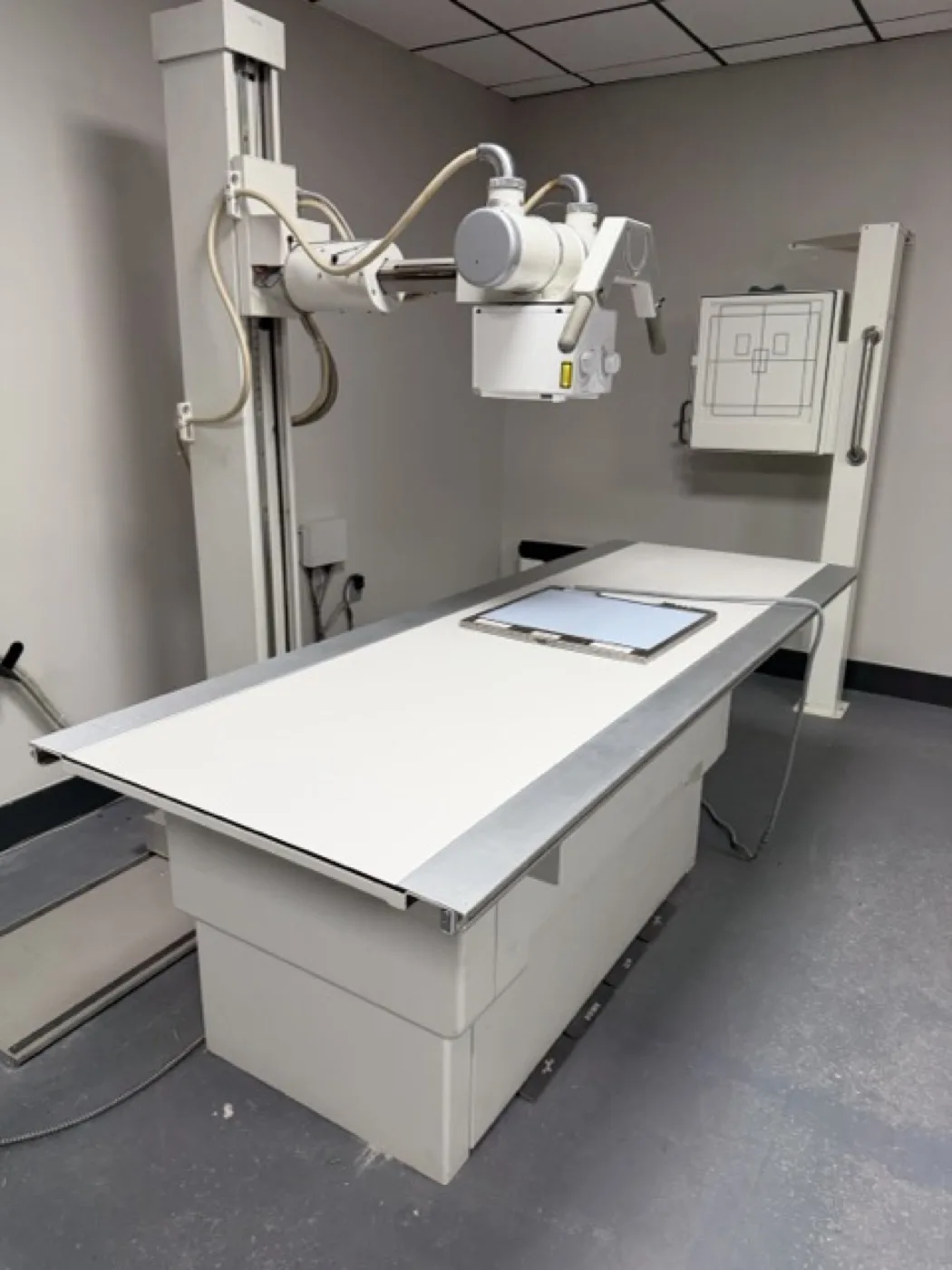
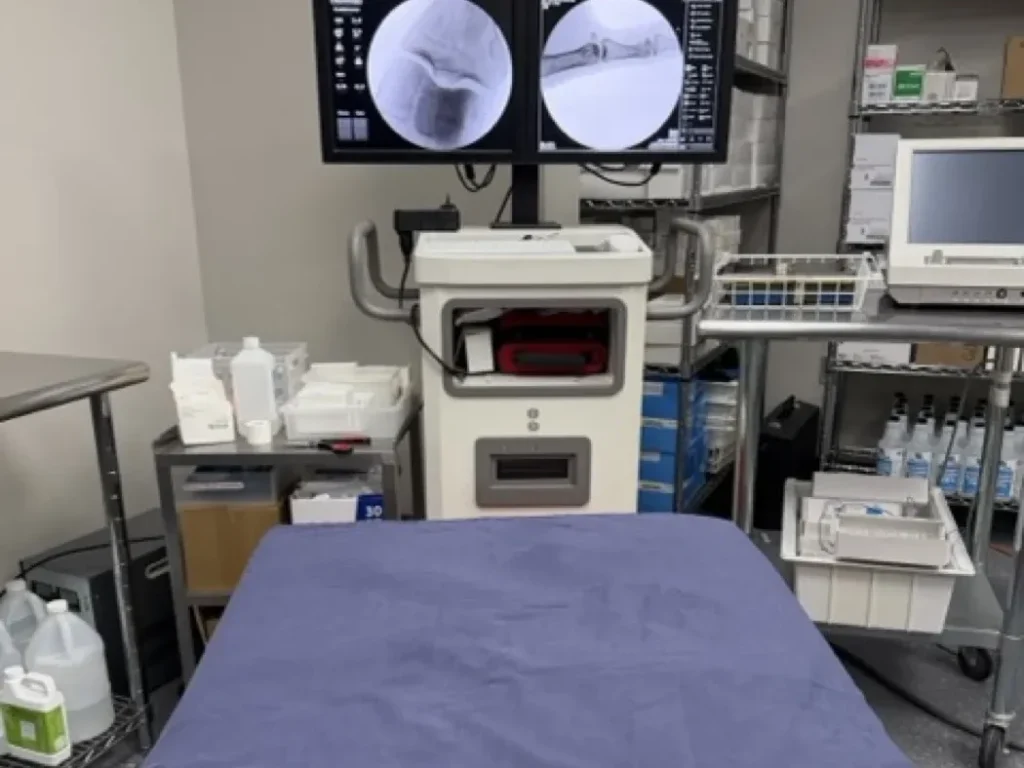
Digital whole body X-ray room at Padda Institute, St. Louis

What Is A Vertebral Compression Fracture?

The vertebrae are the stacked bones that form the spine. Each one carries the weight of everything above it. Bone density can drop through osteoporosis, long-term steroid use, or certain cancers. Then a vertebra can lose enough strength that it breaks and collapses. Most often it caves into a wedge shape at the front.

Common signs include:

  • Sudden back pain that gets worse with standing or walking.
  • Pain that eases when lying down.
  • Stiff spine, mostly when bending or twisting.
  • Loss of height over time.
  • A slow forward curve of the upper back.

Diagnosis starts with imaging. An X-ray will often show the collapse. But MRI is often needed to tell whether a fracture is fresh and still causing pain, or old and already healed. That difference matters — kyphoplasty is meant for fractures that are still actively causing pain.

How is kyphoplasty performed?

For kyphoplasty you lie face down. You get local anesthetic with mild sedation. The steps are:

  1. Access. Using live fluoroscopic guidance, the doctor makes a narrow path through the pedicle (a bony bridge on the back of the vertebra) into the broken bone. No open cut is needed.
  2. Balloon inflation. A small balloon is passed through the path and slowly filled inside the collapsed bone. This makes a hollow space. When the fracture allows, it also brings back some of the lost height.
  3. Cement placement. The balloon comes out and the space is filled with bone cement. The cement hardens within minutes and steadies the bone from inside.
  4. Recovery. The path is covered with a small dressing. Most patients are watched for a short time and go home the same day.

The whole procedure usually takes 30 to 45 minutes per level treated.

What is the difference between kyphoplasty and vertebroplasty?

Both procedures steady a broken spine bone with bone cement, and Padda Institute does both — see our vertebroplasty page for that approach. The difference is the balloon step.

Vertebroplasty injects cement straight into the broken bone without first making a space. It steadies the bone but does not try to restore height.

Kyphoplasty fills a balloon first. This makes a set space for the cement. In fractures treated before the bone has firmed up, it can win back some of the lost height. It can also ease the forward tilt of the spine.

Which procedure fits depends on the age of the fracture, how far it has collapsed, and the quality of the bone around it. We decide after we review your imaging, not before.

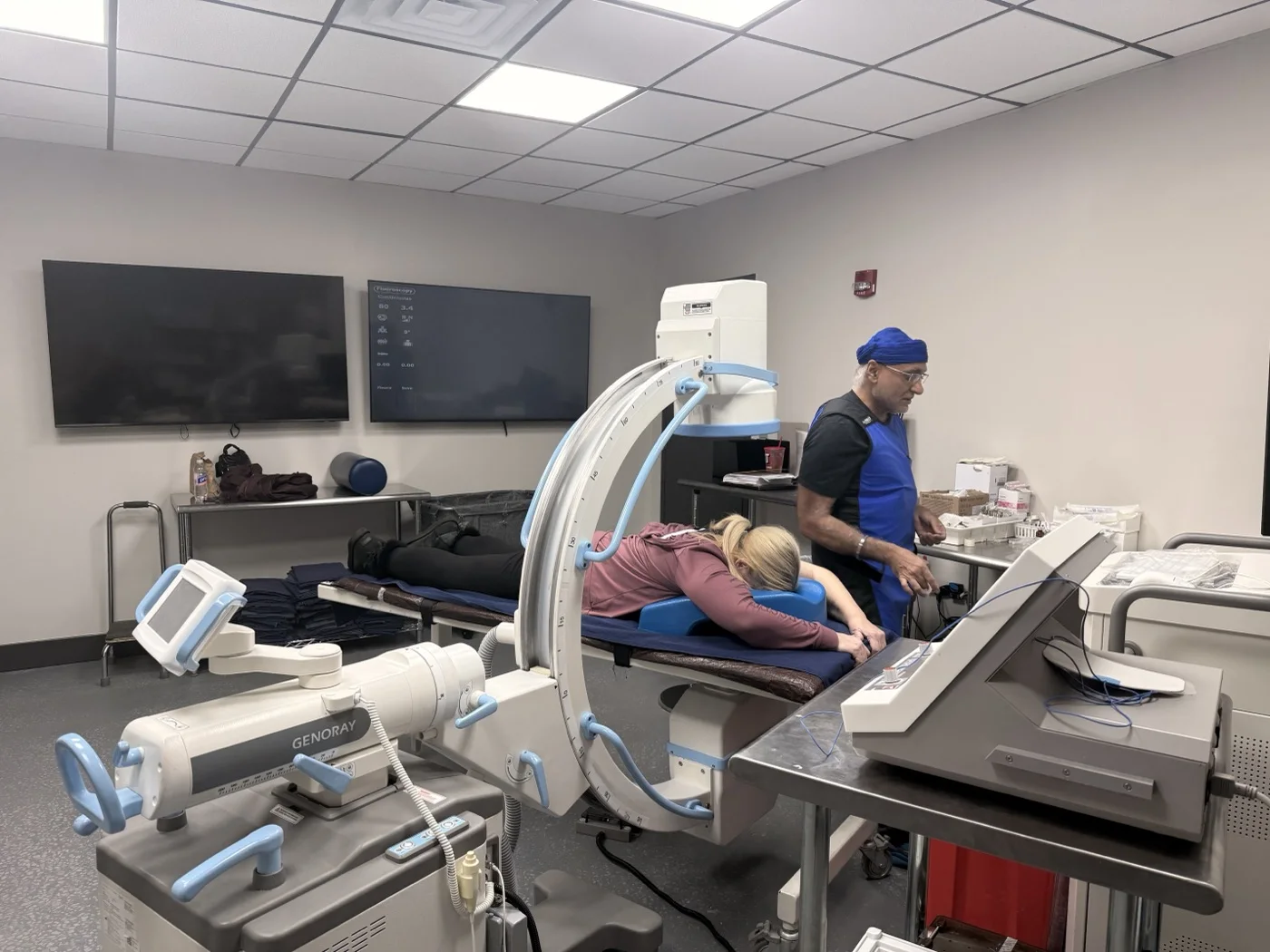
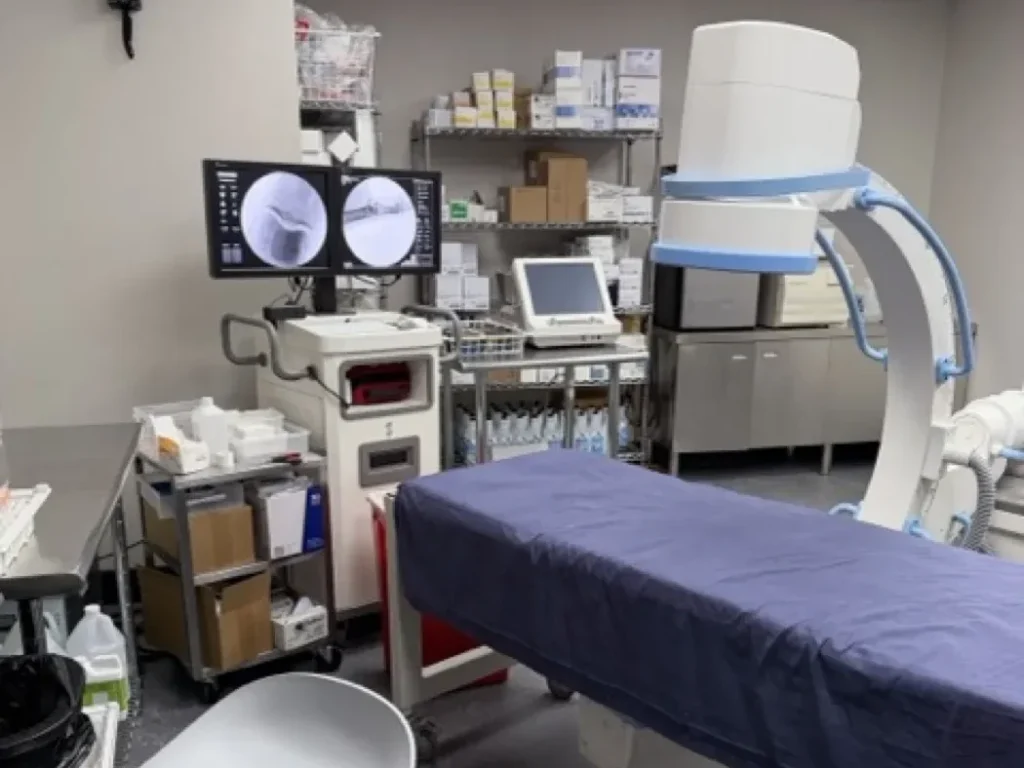
Wide view of the interventional procedure suite with C-arm fluoroscopy during a procedure at Padda Institute, St. Louis

Relief From Compression Fracture Pain

Don't let a compression fracture limit what you can do. Contact us to book your visit and take the first step toward relief.

Who Is A Candidate For Kyphoplasty?

Kyphoplasty is usually considered when:

  • Imaging confirms a vertebral compression fracture that is still causing pain.
  • Pain has not eased enough with rest, a brace, and medication.
  • The fracture is fresh enough that the bone has not fully firmed up.
  • Pain is limiting how you move, sleep, or live on your own.

Timing matters. Kyphoplasty works best while the fracture is still fresh — usually within weeks to a few months of when it started. Fractures that have fully healed in a collapsed shape are usually handled another way.

Not every compression fracture needs a procedure. Some heal well with conservative care. The visit is how we find out which group yours falls into.

How do I prepare for kyphoplasty, and what is recovery like?

Eat a light meal within a few hours before your procedure. If you take insulin for diabetes, do not change how you normally eat without checking with our office first. Take your usual medications with a little water unless you have been told not to.

Tell us ahead of time if you take a blood thinner such as warfarin, clopidogrel, apixaban, or rivaroxaban. These often need to be paused before the procedure. The timing must be worked out with the doctor who prescribed them.

Mild sedation is used, so you will need someone to drive you home. Most patients are up and walking within an hour of the procedure. Avoid heavy lifting and hard activity for the first several days. Follow the activity advice you are given when you leave.

A compression fracture is often the first clear sign of osteoporosis underneath. Steadying the fracture treats the pain. It does not treat the bone disease that caused it. Bone density testing and care should follow.

What Our Patients Say

Individual results vary. These are unpaid patient testimonials shared with permission and are not a guarantee of outcome. See all patient stories.

Kyphoplasty FAQs

The procedure itself usually takes 30 to 45 minutes for one level. With prep and recovery time, plan on being with us for about half a day.

Usually not. Most kyphoplasty procedures are done under local anesthetic with mild sedation through an IV. You are comfortable and drowsy but not fully knocked out. The approach is decided case by case.

Many patients report real improvement within 24 to 48 hours as the cement sets and the bone steadies. Results vary with the age of the fracture, the number of levels treated, and overall bone health.

If several spine bones are broken, more than one level may need treatment. Whether we treat them in one session or in stages depends on your imaging and overall health.

No. Kyphoplasty steadies the bone that is already broken. It does not strengthen the bone around it. A first compression fracture significantly raises the risk of another. So testing and treating the osteoporosis underneath is a key part of care.

Medicare and most commercial insurers usually cover kyphoplasty. Imaging must confirm the fracture, and your records must show it is medically needed. Our office will check your exact benefits before booking.

Timing matters. Kyphoplasty works best while the fracture is still fresh, usually within weeks to a few months of when the pain started. An MRI shows whether a fracture is fresh and still causing pain, or old and already healed. A fracture that has fully healed in its collapsed shape is usually handled another way. That is why an early checkup is worth it.

Most patients are up and walking within an hour and go home the same day. Someone else drives, because mild sedation is used. Avoid heavy lifting and hard activity for the first several days. Follow the activity advice you are given when you leave. Many patients notice real improvement within 24 to 48 hours as the cement sets.

Kyphoplasty is meant for a compression fracture that is still causing pain. A fracture that has already healed in its collapsed shape is usually handled another way. Some compression fractures heal well with conservative care alone. We review your imaging at the visit to decide which group your fracture falls into.

An untreated vertebra heals in its compressed shape. That shortens the spine and shifts your posture forward. Each added fracture puts more load on the vertebrae above and below it. That is why one compression fracture makes the next one more likely. A compression fracture is often the first clear sign of osteoporosis, so bone density care should follow.

Send A Message

Questions or concerns? Fill out the form below.

Prefer not to fill in a form?

Same-day and emergency appointments are available.

Pain Conditions We Treat

At Padda Institute, our pain management specialists provide the guidance and treatments tailored to your needs. We diagnose and evaluate to determine your best treatment plan, so that you can experience chronic pain relief like never before.
Vertebroplasty

Bed rest and strong pain medicine are no longer the only treatments for back pain caused by compression fractures of the spine. Now there is..

Epidural Steroid Injection (ESI)

Back pain affects nearly everyone at some point in their adult life. Often the exact cause of pain is not easy to see, as there are many..
Facet Joint Injection

The spine is designed to bend and turn. Along with the intervertebral discs, facet joints (also referred to as Z joints or zygapophyseal joints)..

Schedule NowCall (314) 481-5000