


Main Banner

Viscosupplementation for Knee Osteoarthritis in St. Louis

Image-guided hyaluronic acid injections that supplement the natural lubricating fluid inside an arthritic knee.

What viscosupplementation is

A healthy knee is lubricated by synovial fluid rich in hyaluronic acid, which lets the joint surfaces glide and cushions load. In osteoarthritis that fluid thins and loses its viscosity, so the joint takes more mechanical stress with every step. Viscosupplementation injects a hyaluronic acid preparation directly into the joint space to supplement what the knee has lost. It is often described to patients as a gel injection.

How the injection is performed

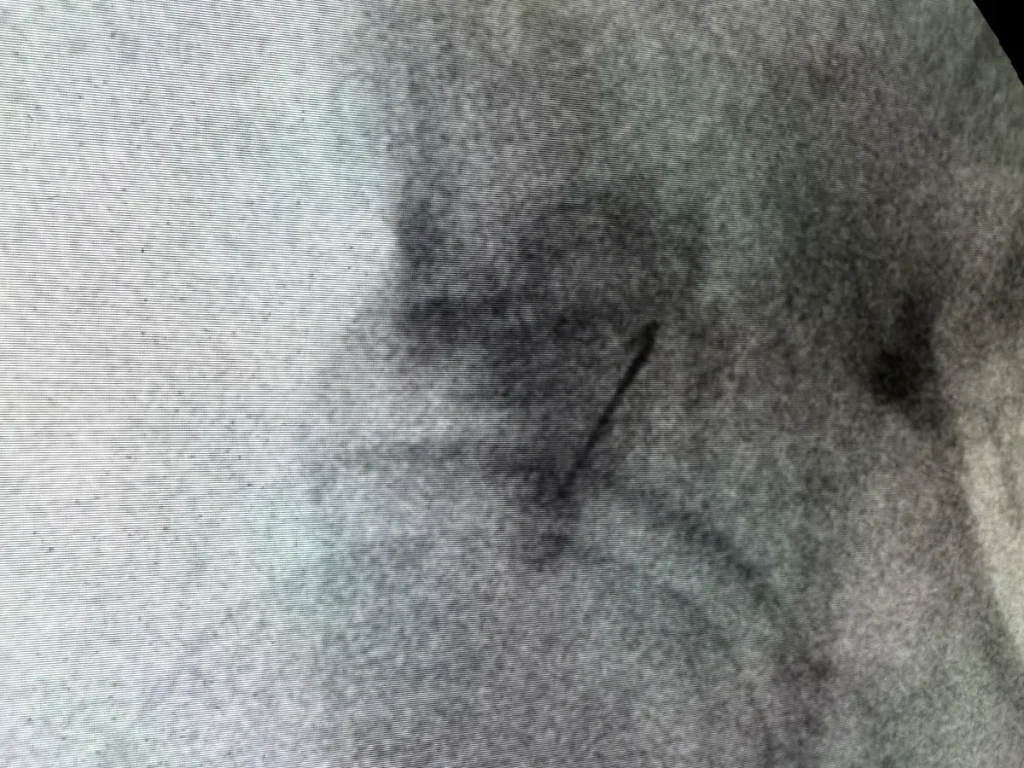
The knee is injected under ultrasound or fluoroscopic guidance so the medication is confirmed to be inside the joint space rather than in the surrounding soft tissue. Blind injection of the knee misses the joint more often than most patients expect, and a missed injection is a wasted one. Depending on the product used, treatment is either a single injection or a short series of weekly injections.

Who it helps, and what the guidelines actually say

The usual candidate has mild to moderate knee osteoarthritis, has not responded well enough to activity modification, physical therapy or a steroid injection, and is not ready for joint replacement.

We will be straightforward about where the evidence sits, because the guidance is not favorable. The American Academy of Orthopaedic Surgeons, in its 2021 clinical practice guideline on knee osteoarthritis, recommends against routine use of intra-articular hyaluronic acid, a moderate-strength recommendation, on the basis that it produces minimal or no clinically important improvement in pain or function compared with placebo. Other bodies, including several European groups, reach a more permissive conclusion, and the disagreement is genuine rather than a matter of one side being uninformed.

Our position: we will tell you the AAOS recommends against routine use before we treat you, not after. Some patients do report meaningful relief, and it remains a reasonable option when the alternative is a joint replacement you are not ready for. But it is offered here as an informed choice with the guidance stated plainly, not as a default.

How it fits with the other knee options

Viscosupplementation addresses the mechanical environment inside the joint. Genicular nerve blocks and genicular radiofrequency ablation instead interrupt the nerves carrying pain away from the joint. The two approaches are not alternatives so much as different levers, and they are frequently used in sequence. Which comes first depends on your imaging, your examination and how you have responded to treatment so far.

What hyaluronic acid does in a joint

Hyaluronic acid is a long-chain glycosaminoglycan produced by the synoviocytes lining the joint. It gives synovial fluid its viscoelastic behavior: at low shear, during slow movement, it acts as a lubricant; under sudden load it stiffens and behaves as a shock absorber. In osteoarthritis both the concentration and the molecular weight of native hyaluronic acid fall, so the fluid loses that dual behavior and transmits more mechanical stress to the cartilage surface.

Injected preparations differ in molecular weight and in whether they are cross-linked, which changes how long they persist in the joint. The mechanism is also probably not purely mechanical. Injected hyaluronic acid appears to influence synovial inflammation and to stimulate the synoviocytes to produce more of their own, which would explain why benefit outlasts the days the injected material actually remains in the joint. That proposed mechanism is plausible and supported by laboratory work, but it is precisely the sort of indirect effect that has proved hard to demonstrate convincingly in clinical trials.

Frequently Asked Questions

It depends on the product. Some are a single injection, others a series of three to five given weekly. We select based on your knee and your coverage, and tell you the plan before starting.

Unlike a steroid, it is not immediate. Benefit typically builds over several weeks as the joint environment changes. Judge it at four to six weeks, not the day after.

Coverage varies considerably by carrier and often requires documented failure of more conservative treatment first. Our office verifies your specific benefits before scheduling.

Yes. Viscosupplementation does not alter the joint surfaces or make a future replacement more difficult.

A guideline recommendation against routine use is not a prohibition, and it is based on average effect across trial populations. Individual patients do report benefit. We offer it as an informed option for people who are not surgical candidates, with the guidance stated openly so the decision is yours.

Request an Appointment

Same-day and emergency appointments are available. Call (314) 481-5000 or request a time below.

Related Treatments and Conditions

Other procedures and conditions our St. Louis pain specialists treat.
Hip Joint Injection

The hip joint is a large joint where the leg joins the pelvis, functioning as a ball and socket joint. The top of the thigh bone (the femur)…

Sciatica Nerve Pain Treatment

Sciatica mainly refers to the pain that radiates along the sciatic nerve. The sciatic nerve branches from the lower back, the hips, and the..
Electrodiagnostics

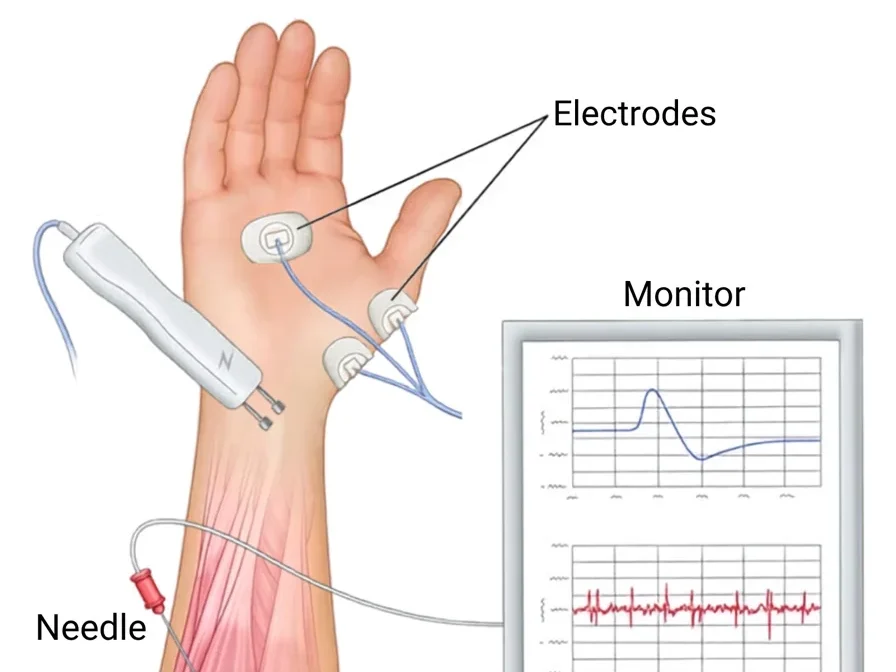
Electrodiagnostics (EDX) testing is used to evaluate the integrity and function of the peripheral nervous (most cranial nerves..