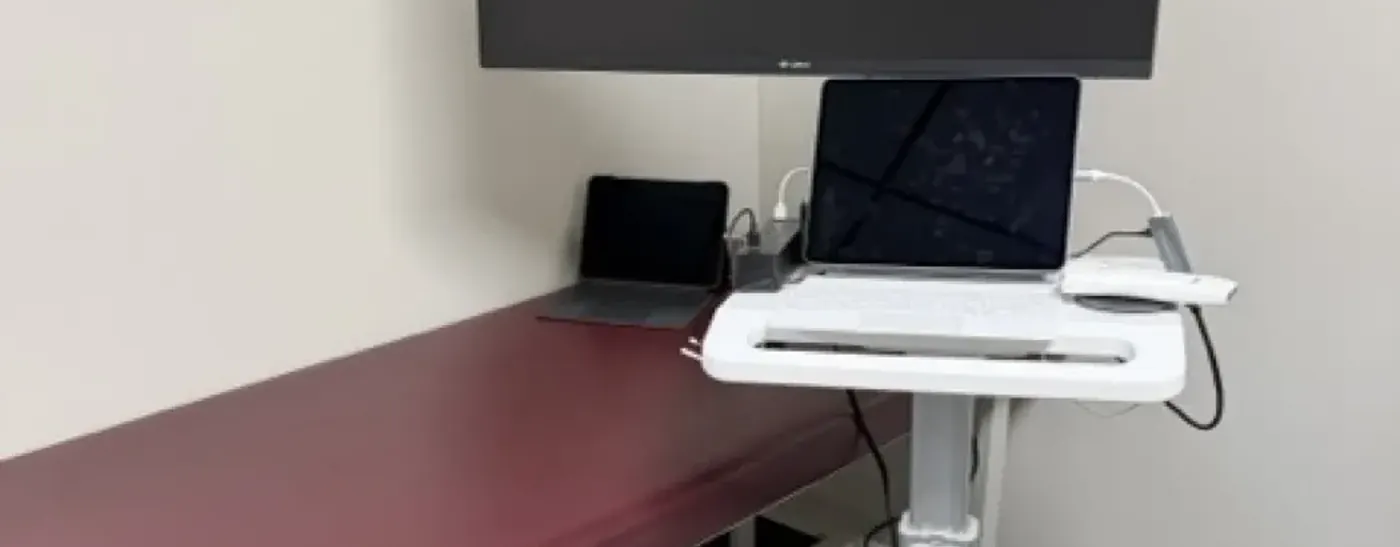


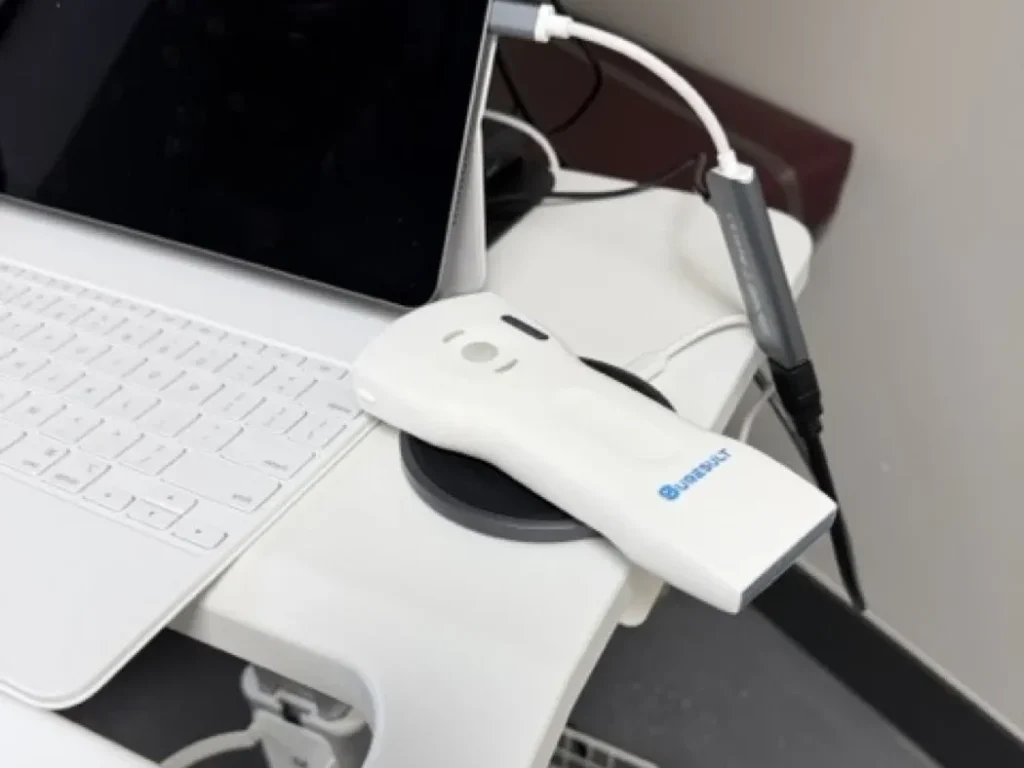
Diagnostic ultrasound cart and exam table used for image-guided knee injections at Padda Institute, St. Louis

Genicular nerve block · St. Louis

Genicular Nerve Block for Knee Pain in St. Louis

A genicular nerve block is a targeted, image-guided block of the nerves that carry pain from the knee joint. It is used both to confirm where knee pain comes from and to ease it.

Prefer not to fill in a form?

Same-day and emergency appointments are available.

What are the genicular nerves?

The knee joint does not have one nerve. Feeling reaches it through several small branches called the genicular nerves. Three are targeted most often: the superior medial, superior lateral and inferior medial genicular nerves. They run in set spots against bone at the edges of the joint. That is why a needle under image guidance can reach them, with no open surgery.

What is the procedure for a genicular nerve block?

The skin is numbed. Then, guided by fluoroscopy (live X-ray) or ultrasound, a fine needle is moved to each nerve target. A small amount of local anesthetic goes in at each spot. The procedure takes about twenty minutes. You stay awake, and you walk out the same day. The anesthetic works within minutes, so we ask you to test the knee before you leave.

What is a genicular nerve block used for?

The block answers a question that imaging cannot. Is the pain really coming from the joint surfaces? Or is it coming from somewhere else, like the hip or the low back, and showing up in the knee? Strong relief in the hours after the block confirms the genicular nerves carry the pain. That result is what qualifies you for genicular radiofrequency ablation, the longer-lasting treatment.

Who is a candidate for a genicular nerve block?

Who is it for? Most often, people with knee osteoarthritis that has not responded to injections or physical therapy. Also people who cannot have or do not want a knee replacement. And people with lasting knee pain after a replacement that is otherwise well placed. It is one of several diagnostic and therapeutic nerve blocks we do. It is the knee version of the hip joint injection approach.

The anatomy the technique depends on

The genicular nerves branch off larger nerves. The superior medial genicular nerve comes from the saphenous or tibial nerve. The superior lateral comes from the common peroneal, and the inferior medial from the tibial. Here is what makes them easy to target. At set points, each runs right against the periosteum (the thin lining of the bone). That is where the thigh bone shaft meets the bump on its inner or outer side (the epicondyle), and at the matching point on the tibia.

Bone is the landmark. Under fluoroscopy those spots are easy to see and find again. So the needle goes to a bony stop, not to a guess. Cadaver studies have sharpened these positions. They also showed the anatomy varies enough from person to person that guidance is a must. It also explains why three targets are standard. No single nerve carries the whole joint, and blocking just one would give an unclear result.

A prognostic test, not just an anesthetic

This block belongs to a group worth naming: it is a prognostic block. Its main job is not to ease pain for a few hours. Its job is to predict whether shutting down those nerves would help. That changes how you read the result. Say the block gives great relief for exactly as long as the anesthetic lasts. That is the ideal outcome, even though the pain comes back. It proves the nerves carry the signal.

It also sets the bar. The reference trial for genicular radiofrequency chose patients based on a positive block. So doing ablation on someone who did not respond means treating outside the group where the benefit was shown. A negative block is truly useful. It points us to the hip, the low back or the soft tissue around the knee before anything permanent is done.

What Our Patients Say

Individual results vary. These are unpaid patient testimonials shared with permission and are not a guarantee of outcome. See all patient stories.

Frequently Asked Questions

The anesthetic itself lasts hours. That short window is expected. It is the test result. If a steroid is added, relief may last for weeks. Longer relief comes from radiofrequency ablation, not the block.

Yes. The block numbs sensory nerves, not the muscles that move the knee. Most patients drive themselves home. If the leg feels weak or numb, have someone else drive until it wears off. And do not test the knee with heavy activity while it is numb.

That is useful to know. It suggests the pain comes from somewhere other than the joint surfaces. So we look at the hip, the low back and the soft tissue around the knee instead.

The skin is numbed first. Then a fine needle is guided to each nerve target under fluoroscopy or ultrasound. A small amount of local anesthetic goes in at each spot. You stay awake. The procedure takes about twenty minutes, and you walk out the same day. We ask you to test the knee before you leave.

Yes. Lasting knee pain after a replacement that is otherwise well placed is one of the common reasons we do this block. It also helps people with knee osteoarthritis that has not responded to injections or physical therapy. And it helps people who cannot have or do not want a knee replacement. The block shows whether the genicular nerves carry the pain.

Strong relief in the hours after the block confirms that the genicular nerves carry your knee pain. That holds even if the pain comes back when the anesthetic wears off. That result is what qualifies you for genicular radiofrequency ablation, the longer-lasting treatment. The reference trial for that treatment chose patients who had a positive block. That is why we test first.

Request an Appointment

Same-day and emergency appointments are available. Call (314) 481-5000 or request a time below.

Prefer not to fill in a form?

Same-day and emergency appointments are available.

Related Treatments and Conditions

Other procedures and conditions our St. Louis pain specialists treat.
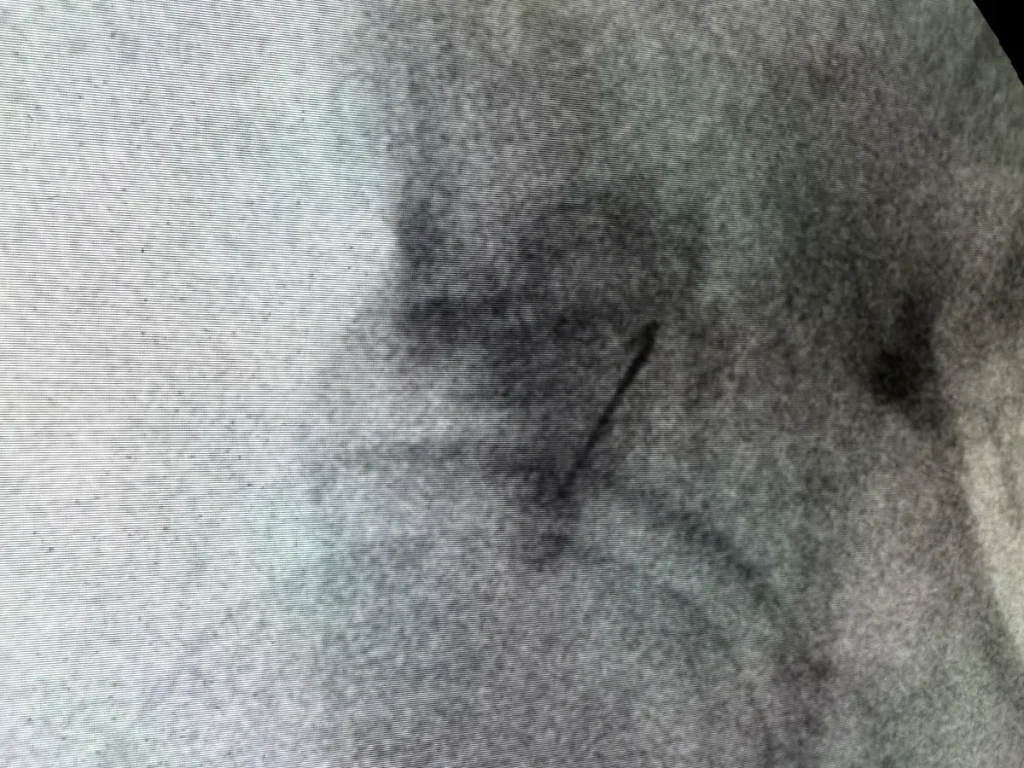
Hip Joint Injection

The hip joint is a large joint where the leg joins the pelvis. It works as a ball and socket. The top of the thigh bone (the femur)…

Sciatica Nerve Pain Treatment

Sciatica mainly refers to the pain that radiates along the sciatic nerve. The sciatic nerve branches from the lower back, the hips, and the..
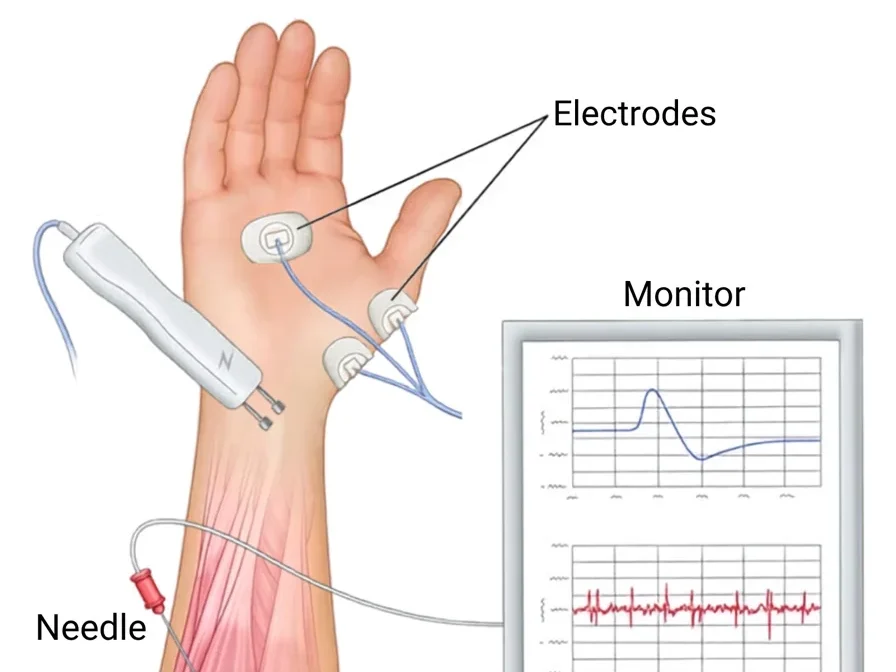
Electrodiagnostics

Electrodiagnostics (EDX) testing checks the health and function of the peripheral nervous (most cranial nerves..

Schedule NowCall (314) 481-5000