
Main Banner

Hydrodissection for Nerve Entrapment in St. Louis

An ultrasound-guided fluid injection that frees a compressed peripheral nerve from the scar tissue binding it, without open surgery.

What nerve entrapment is

Peripheral nerves run through tunnels and between layers of fascia. Injury, repetitive strain, surgery or inflammation can cause the nerve to become tethered to the tissue around it. The nerve then loses its normal ability to glide as the limb moves, and every movement tugs on it. The result is burning, tingling, numbness or shooting pain along the path of that nerve.

How hydrodissection works

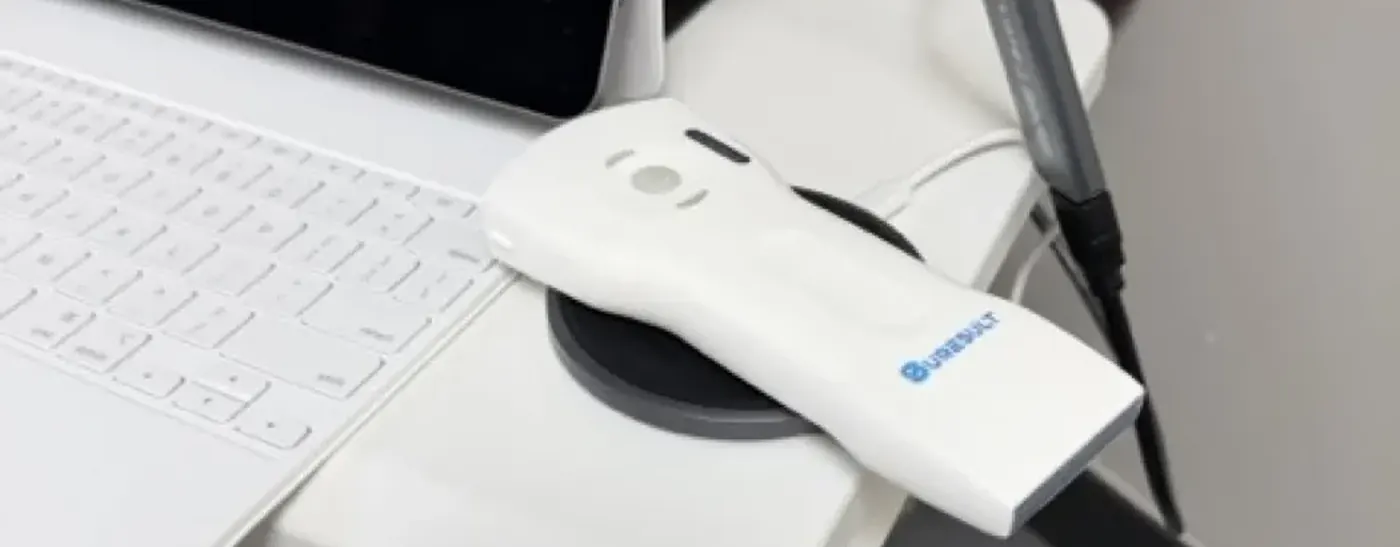
Under direct ultrasound visualization, a needle is guided to the plane between the nerve and the tissue holding it. Fluid is then injected under pressure to separate the two mechanically. The nerve is not cut or repositioned; it is simply released, restoring its ability to glide. The separation is visible on the ultrasound screen as it happens, which is what makes the technique precise.

Who it helps

Candidates typically have focal nerve pain confirmed by examination and electrodiagnostic testing. Common targets include entrapments at the wrist, elbow, and around the knee and ankle, including some presentations of persistent foot pain. Where the entrapment is severe and long-standing, hydrodissection may be combined with peripheral nerve stimulation.

What to expect

The procedure is performed awake, takes roughly twenty minutes and requires no incision. Some patients notice a change immediately as the pressure comes off the nerve; for others the benefit accrues over the following weeks as the nerve recovers. Gentle nerve-gliding exercises afterwards help preserve the mobility that has been restored.

Nerves are supposed to move

A peripheral nerve is not fixed in place. As a joint moves through range, the nerve must glide within its surrounding connective tissue and also stretch slightly along its own length. The median nerve at the wrist and the sciatic nerve at the hip both translate on the order of a centimeter with normal limb movement. That excursion is a design requirement, not an incidental property.

When the loose areolar tissue around a nerve becomes fibrotic after injury, surgery, repetitive strain or inflammation, the nerve adheres to the structures around it and loses that excursion. Every movement then applies traction to the nerve rather than allowing it to slide. Nerve trunks are richly innervated by their own nervi nervorum, so a mechanically tethered nerve becomes a pain generator even where conduction studies remain normal, which is why electrodiagnostic testing can be unremarkable in a patient with obvious symptoms.

Why fluid, and why the choice of fluid matters

Hydrodissection uses fluid pressure to separate tissue along the natural plane between the nerve and what has adhered to it. Fluid follows the path of least resistance, so it opens the adhesion while flowing around the nerve rather than through it. The separation is visible in real time on ultrasound as a halo forming around the nerve, which is the operator confirmation that the plane has opened.

The injectate is not arbitrary. Normal saline is conductive and can interfere if nerve stimulation is being used to confirm position. Five percent dextrose in water is frequently preferred because it is non-conductive, and there is a body of work suggesting dextrose has an effect on nerve mechanosensitivity beyond the mechanical separation, possibly acting on TRPV1 channels. That proposed pharmacological effect is less well established than the mechanical one, and we would describe it as plausible rather than proven.

Frequently Asked Questions

Typically a combination of normal saline with local anesthetic, sometimes with dextrose. The mechanical separation does much of the work, so large volumes of medication are not required.

Scar tissue can reform, particularly if the cause of the entrapment persists. Many patients get durable relief; others benefit from a repeat procedure. Addressing the underlying mechanical cause improves the odds.

Nerves are soft tissue and are invisible on X-ray. Ultrasound shows the nerve, the surrounding vessels and the spreading fluid in real time, which is essential for this particular procedure.

Request an Appointment

Same-day and emergency appointments are available. Call (314) 481-5000 or request a time below.

Related Treatments and Conditions

Other procedures and conditions our St. Louis pain specialists treat.
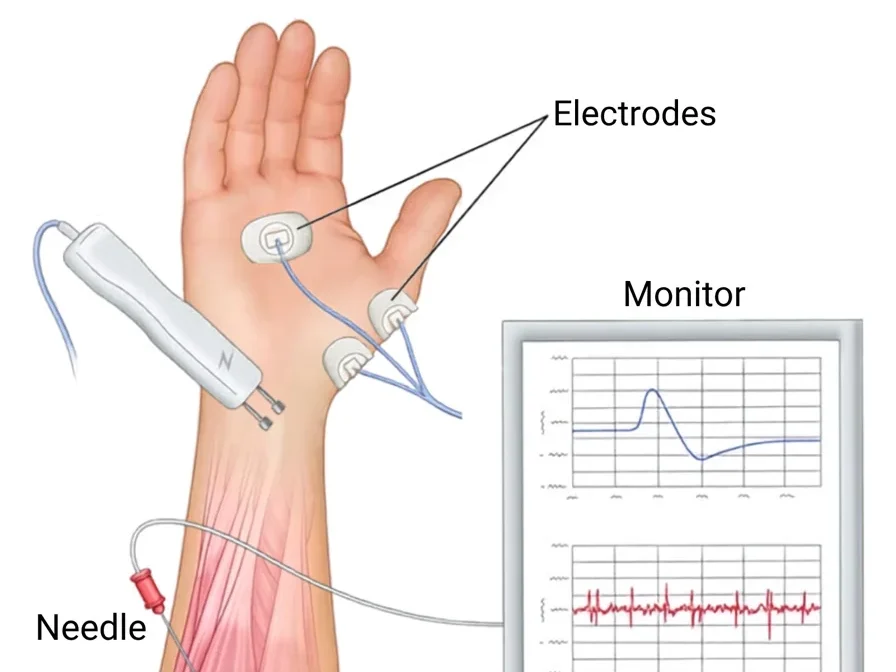
Electrodiagnostics

Electrodiagnostics (EDX) testing is used to evaluate the integrity and function of the peripheral nervous (most cranial nerves..

Serious Foot Pain

Nearly 60% of patient’s with chronic forefoot pain presenting to a podiatry practice have surgical intervention, yet only 50-60% of them..
Diabetes And Neuropathy

Diabetic Peripheral Neuropathy (DPN) is the most common complication of diabetes, and often presents as a distal, symmetric..