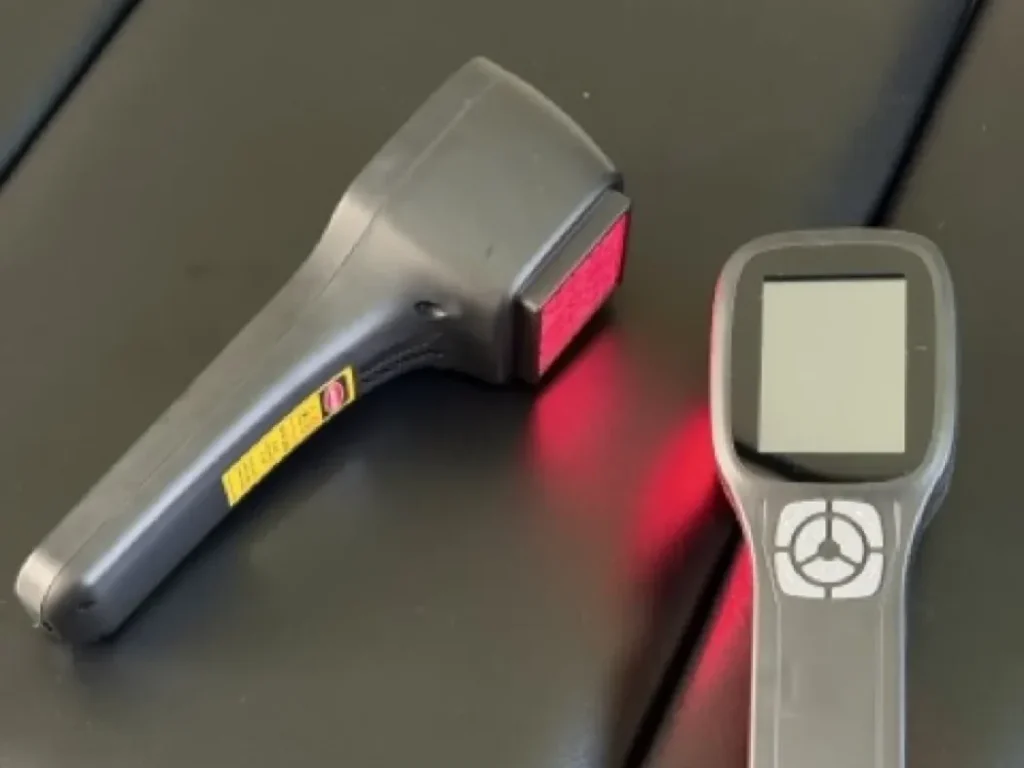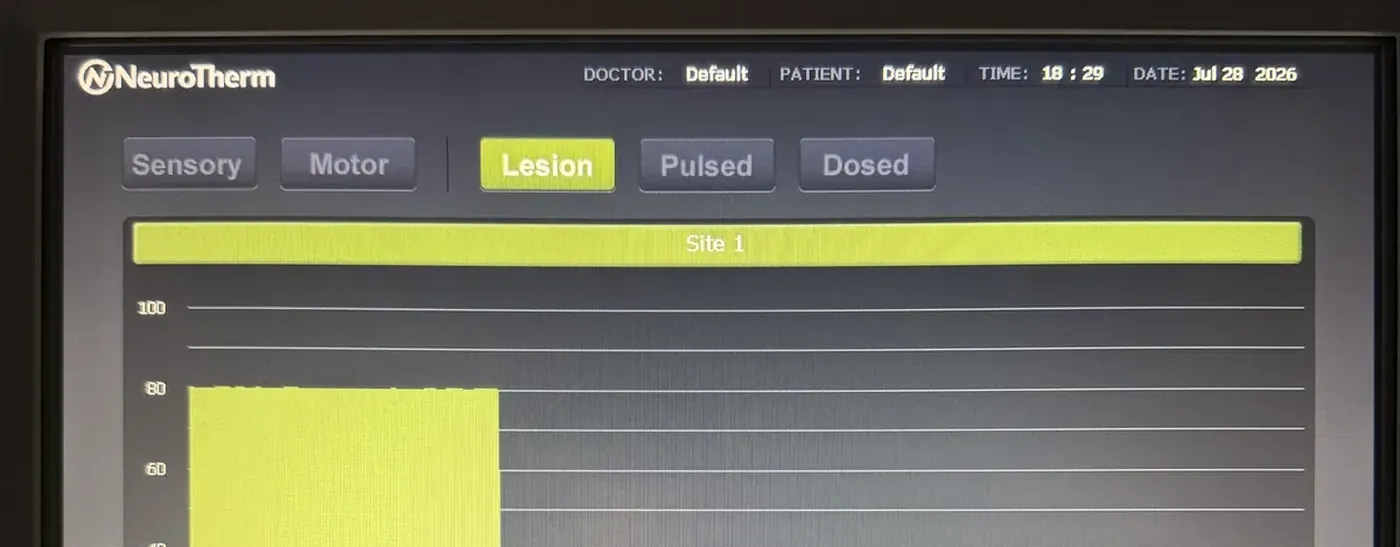
Procedure suite console at the completion of a treatment cycle at Padda Institute, St. Louis

Sphenopalatine ganglion block · St. Louis

Sphenopalatine Ganglion Block in St. Louis

A brief, low-risk block of the sphenopalatine ganglion for cluster headache, migraine and persistent facial pain.

Prefer not to fill in a form?

Same-day and emergency appointments are available.

What is the sphenopalatine ganglion?

The sphenopalatine ganglion, also called the pterygopalatine ganglion, is a small collection of nerve cells sitting just behind the nasal cavity. It relays sensory and autonomic signals for the face, sinuses, palate and parts of the head. Because so much head and facial pain traffic passes through this one structure, blocking it can quiet several pain patterns at once, including cluster headache and migraine.

What is the procedure for a sphenopalatine ganglion block?

The block can be delivered through the nostril using a fine catheter that places anesthetic against the mucosa overlying the ganglion, or by a needle approach under image guidance when a deeper or longer-acting block is required. The transnasal approach takes only a few minutes, requires no needle through the skin, and patients sit up and go home shortly afterward.

What does a sphenopalatine ganglion block treat?

Cluster headache is the classic indication, and the block is often used during a cluster bout to break the cycle. It is also used for refractory migraine, trigeminal and other facial pain, and some cases of persistent head and neck pain that have not responded to medication.

What should I expect after a sphenopalatine ganglion block?

Numbness at the back of the throat and a bitter taste for a short period are the usual sensations. Because there is no skin incision and no sedation in the transnasal approach, most patients drive themselves home. A series of blocks is sometimes used rather than a single treatment, depending on the pattern being treated.

The trigeminal autonomic reflex

The sphenopalatine ganglion is the largest parasympathetic ganglion of the head and sits in the pterygopalatine fossa, covered by only a few millimeters of mucosa at the back of the nasal cavity. That thin covering is what makes a topical transnasal approach possible at all.

Its clinical importance lies in the trigeminal autonomic reflex. Trigeminal sensory input activates a brainstem circuit that returns parasympathetic outflow through this ganglion to the cranial vessels and the lacrimal and nasal glands. That reflex arc explains the autonomic features that accompany cluster headache and some migraine: the tearing, nasal congestion, eyelid drooping and facial sweating on the affected side. Those signs are not incidental; they are the efferent limb of the reflex.

How can one block help cluster headache, migraine and facial pain?

Because the ganglion carries sensory, parasympathetic and sympathetic fibers converging in one compact structure, blocking it interrupts both the autonomic output and part of the sensory traffic maintaining the attack. This is why a single target is useful across cluster headache, some refractory migraine, and facial pain of several origins, which would otherwise seem an implausibly broad indication.

It also explains the speed. Relief that begins within minutes reflects direct anesthetic effect on a reflex arc that is actively firing, rather than any slower anti-inflammatory process. The corollary is that duration varies widely, since blocking a reflex does not by itself change whatever is driving it.

What Our Patients Say

Individual results vary. These are unpaid patient testimonials shared with permission and are not a guarantee of outcome. See all patient stories.

Frequently Asked Questions

Most patients describe it as odd rather than painful. The transnasal approach involves a soft catheter and topical anesthetic, not a needle through the skin.

Relief often begins within minutes when the block is effective, which is part of what makes it useful during an active cluster headache bout.

This varies widely, from hours to weeks. The pattern of your response guides whether the block is repeated, and whether a longer-acting approach is appropriate.

The usual sensations are numbness at the back of the throat and a bitter taste that last a short time. The transnasal approach uses a soft catheter and topical anesthetic placed against the lining behind the nose, with no skin incision and no sedation, which is why the block is brief and low-risk and most patients go home shortly afterward.

Usually, yes. The transnasal approach involves no skin incision and no sedation, so most patients sit up after a few minutes and drive themselves home. If you need the needle approach under image guidance for a deeper or longer-acting block, we will tell you beforehand what to plan for on the day of the procedure.

Not in the transnasal approach. A fine catheter placed through the nostril delivers anesthetic against the thin lining that covers the ganglion, so no needle goes through the skin. A needle approach under image guidance is reserved for cases that need a deeper or longer-acting block than the transnasal route can give.

Sometimes. A series of blocks is used rather than a single treatment for some pain patterns, and during a cluster bout the block is often used to break the cycle. How you respond, from relief lasting hours to relief lasting weeks, guides whether the block is repeated and whether a longer-acting approach makes sense.

Request an Appointment

Same-day and emergency appointments are available. Call (314) 481-5000 or request a time below.

Prefer not to fill in a form?

Same-day and emergency appointments are available.

Related Treatments and Conditions

Other procedures and conditions our St. Louis pain specialists treat.
Cluster Headache Treatment

Cluster Headache is a very severe form of primary headache disorder with a population, one-year prevalence of about 0.1%.

Migraine Headaches

Headache is among the principal reasons for physician visits and a common cause of emergency department visits.
Severe Head And Neck Pain

The goal of the Padda Institute Headache Section is to provide diagnosis and treatment that will help people who experience severe pain..

Schedule NowCall (314) 481-5000