


Celiac Plexus Block in St. Louis

An image-guided block of the nerve bundle carrying pain signals from the upper abdominal organs, used for chronic pancreatitis and abdominal malignancy.

What the celiac plexus does

The celiac plexus is a dense bundle of nerves sitting in front of the aorta in the upper abdomen. Pain signals from the pancreas, liver, gallbladder, stomach and much of the intestine pass through it before traveling to the spinal cord. When those organs are the source of severe, persistent pain, interrupting the plexus reduces the signal reaching the brain. It is a mainstay of treatment for chronic pancreatitis pain.

How the block is performed

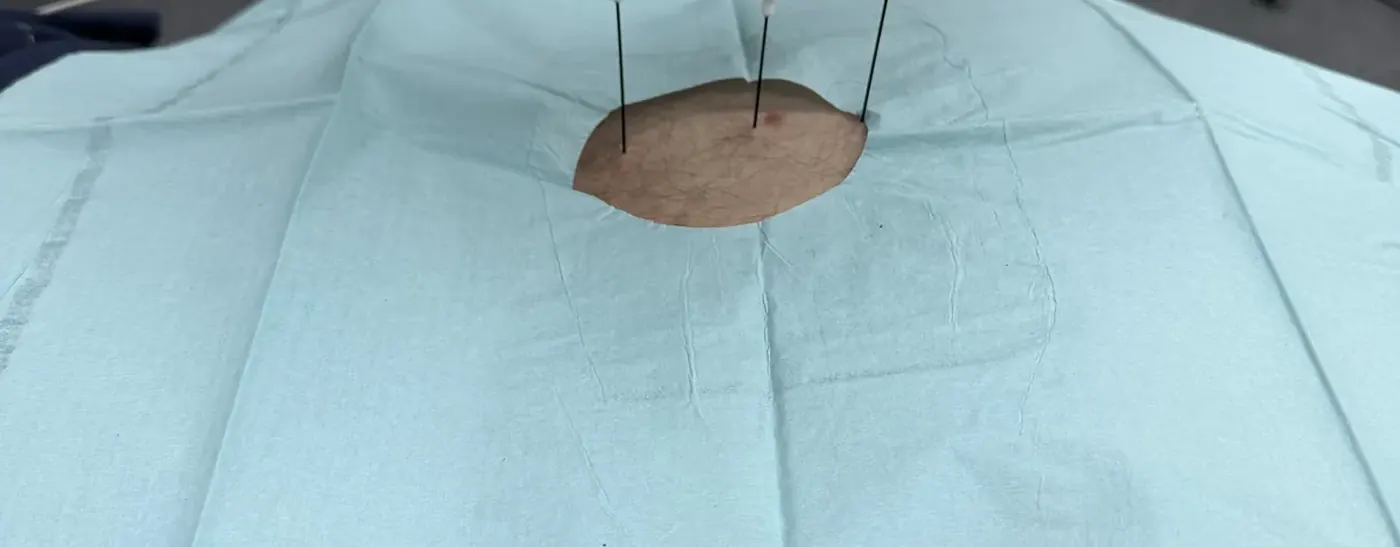
The patient lies face down and the skin and deeper tissues are numbed. Under fluoroscopic guidance, needles are advanced alongside the vertebral body until the tip sits at the plexus, and contrast confirms correct spread before medication is given. A diagnostic block uses local anesthetic; when that produces good relief, a neurolytic block using alcohol or phenol can extend the duration substantially.

Who it helps

The two clearest indications are pain from chronic pancreatitis and pain from upper abdominal cancers, particularly pancreatic cancer. In both settings the goal is not only comfort but reduced reliance on opioid medication, which carries its own burden of side effects in patients who are often already unwell.

What to expect

Blood pressure is monitored during and after the procedure, since interrupting these sympathetic nerves can lower it temporarily. Increased bowel activity is common and expected. Most patients go home the same day. The celiac plexus is one of several sympathetic targets we treat, alongside the lumbar sympathetic chain and stellate ganglion.

Frequently Asked Questions

A diagnostic anesthetic block lasts hours and is used to predict response. A neurolytic block commonly provides relief measured in months, and can be repeated.

Sedation is typically offered. The procedure is not performed under general anesthesia, because your feedback during needle placement is useful.

The realistic goal is substantial reduction rather than total elimination, often with a meaningful decrease in the amount of pain medication required.

Request an Appointment

Same-day and emergency appointments are available. Call (314) 481-5000 or request a time below.

Related Treatments and Conditions

Other procedures and conditions our St. Louis pain specialists treat.
Pancreatitis Pain Treatment

Pancreatitis is the inflammation of the pancreas. The pancreas is a large gland behind the stomach and near the first part of the small..

Lumbar Sympathetic Nerve Block

Your body has special nerves known as sympathetic nerves in your back which ,control blood supply and sweating to your legs and feet..

Stellate Ganglion Block

Your body has special nerves known as sympathetic nerves in your neck which ,control blood supply and sweating to your arms and hands . These nerves can be…