Summary: Intractable pain is pain that outlives its underlying cause. Managing it means fighting the inflammation that long-lasting pain sets off in the spine and brain, not leaning on painkillers alone. In other words, the root cause has been cured, but the pain goes on. This kind of pain does not respond well to most common pain treatments. It also causes neuroendocrine dysfunction (it throws off the nerve and hormone systems), raises stress, hurts mental health and makes heart health worse. So doctors say treatment should not stop at painkillers. People must try other therapies, too. More than one-third of adults have chronic pain, which is pain that lasts more than three months. It may be constant, or it may come and go. In many people, it turns into so-called intractable pain, a kind of pain that outlives the cause.
Chronic pain is one of the biggest problems in Western society. Experts define it as pain that lasts more than three months. It may be constant, or it may come and go. Almost 40% of people seem to have it. Joint, muscle and bone problems are the most common causes. Chronic pain is hard to treat, and it is one reason for the opioid epidemic in the US. But intractable pain is not the same as chronic pain.
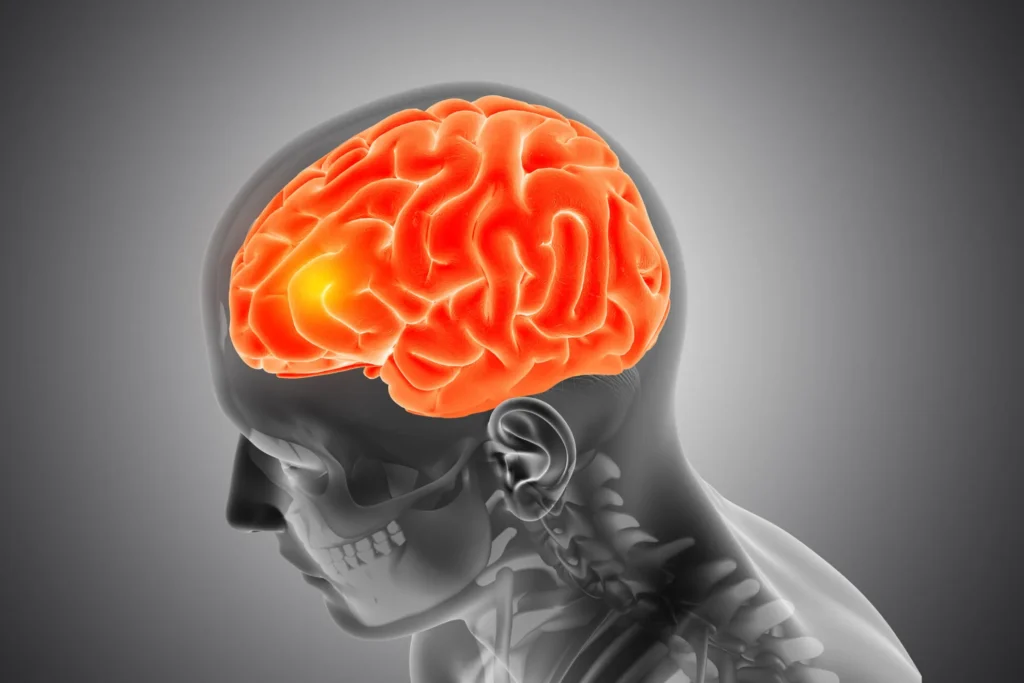
Sometimes pain seems to outlive the disease itself. With long treatment, doctors can treat the underlying causes of chronic pain. Yet many patients still hurt after the illness is gone. Long-lasting pain seems to cause irreversible changes in nerve circuits, mostly in the spinal cord and brain. Pain that goes on and is poorly treated inflames the spine and even parts of the brain. That inflammation causes significant changes in the way pain signals are handled. The result is constant, or intractable, pain and hyperalgesia (high pain sensitivity).
Intractable pain is much harder to treat than chronic pain. Doctors define intractable pain as something whose cause cannot be removed. That means they do not know well how to give lasting relief. This constant pain causes a lot of distress. That distress spreads into wider changes in the body, including changes in hormones. So people with chronic pain must understand that intractable pain is different. It often outlives the problem that started it, and doctors find it hard to treat. It can be managed but not cured.
Intractable pain causes significant changes in the brain, resulting in abnormal levels of various neurotransmitters like dopamine, GABA, endorphins, serotonin, and more. Fixing these imbalances is a challenge for modern medicine. Constant pain changes much more in the body. It brings fatigue, low drive, trouble paying attention and significant changes in heart health. It brings high blood pressure, memory problems, pulling away from people, appetite changes, weight gain and even depression. So most of the time, intractable pain is not just about pain. Its harm to health reaches much further. It is now sometimes called “intractable pain disease.” Because it changes so much, untreated intractable pain may cause severe neuroendocrine dysregulation (the nerve and hormone systems thrown off) due to spinal and brain inflammation.
Intractable pain often calls for opioids. But researchers now warn that people with this pain should try other treatments too. Painkillers alone are not enough.
For example, say the pain starts from a condition that ends in “itis,” like arthritis, cystitis, colitis, or myositis. Then the person would need anti-inflammatory treatment, and even regular corticosteroids. But many of these drugs have serious side effects. So experts suggest other options like cannabidiol (CBD), Boswellia, Ashwagandha, turmeric/curcumin, and more.
Experts say people with intractable pain must not rely on painkillers alone. It is no secret that this hard-to-treat pain does not respond well to them. Painkillers like opioids do not treat the cause. The cause of intractable pain is also still not fully known. Researchers think only a broad approach to health may calm spinal and brain inflammation. That same approach may help with the wider body changes that constant stress causes.
Pay close attention to lowering the stress response and low-grade inflammation. Work to bring the heart’s stress response back to normal. Mood disorders and other serious neurological and mental health problems also need care.
Frequently asked questions
What is the difference between intractable pain and chronic pain?
Chronic pain is pain that lasts more than three months. It can be constant or come and go, and it affects close to 40% of people. Intractable pain goes further. It outlives the problem that started it, and its cause cannot be removed. Doctors can manage intractable pain, but they cannot cure it. It responds poorly to most common pain treatments.
What causes intractable pain?
Pain that goes on a long time and is poorly treated inflames the spinal cord and parts of the brain. That inflammation changes the way pain signals are handled. It leaves constant pain and high pain sensitivity, called hyperalgesia. The brain’s levels of dopamine, GABA, endorphins and serotonin fall out of balance, even after the first illness has healed.
What are the symptoms of intractable pain?
It is rarely just pain. Constant pain brings fatigue, low drive, trouble paying attention and memory problems. It brings high blood pressure and other changes in heart health. It brings pulling away from people, appetite changes, weight gain and depression. Because it affects so much of the body, including the hormone system, it is sometimes called intractable pain disease.
Why are painkillers alone not enough for intractable pain?
Painkillers, opioids included, do not treat the cause, and this kind of pain does not respond well to them. Intractable pain often does need opioids. But treatment also has to lower the stress response and low-grade inflammation. It has to calm the heart’s stress response and manage mood disorders. When the pain began with an inflammatory condition such as arthritis or colitis, anti-inflammatory treatment is part of the plan.
Dr. Gurpreet Singh Padda, MD, MBA, MHP