Summary: A new study shows that a growing number of chronic pain patients and doctors support the legalization of cannabis. But the same study shows doctors are more hesitant than patients. They lack information, and the clinical evidence is limited.
A growing interest in cannabis for chronic pain should surprise no one. The condition is widespread, affecting about one-fifth of US adults. One-third of them live with high-impact chronic pain.
Chronic pain is a complex problem with many causes, and many of them are poorly understood. High-quality data is missing. Still, it is well known that a large share of chronic pain cases remain poorly managed.
Chronic pain is so common and so poorly treated that it helps drive the rise in substance use disorders and mental health problems in the US. On top of that, people are also looking for safer ways to use opioids for chronic pain.
Lately, cannabis has drawn a lot of attention as a safer and more effective way to manage pain. Yet clinical evidence on its use in chronic non-cancer pain is limited. Still, people are excited about it, and many believe cannabis can help them.
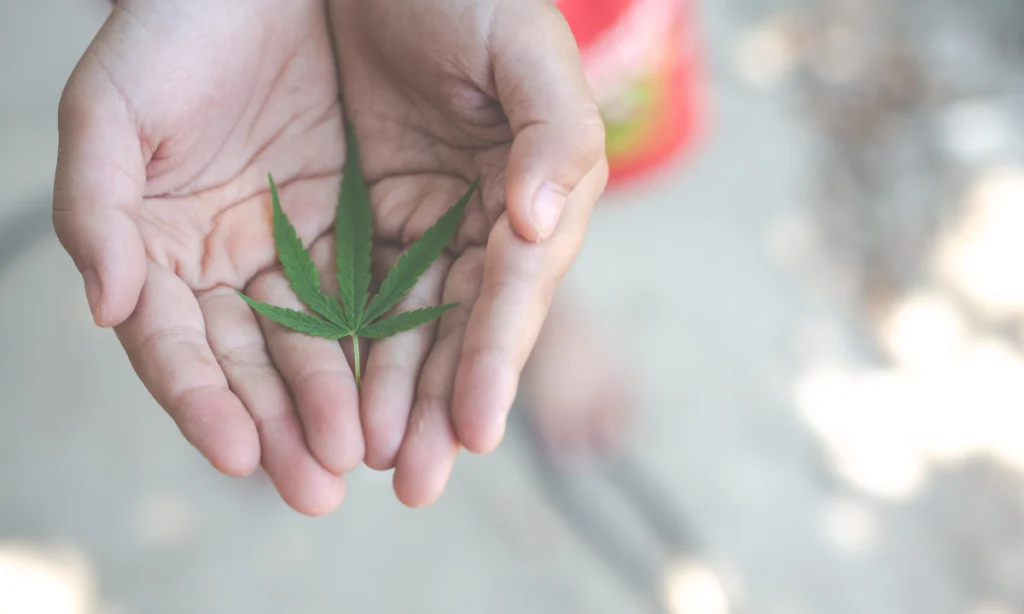
Of course, here we are not talking about CBD. We mean marijuana, or medical cannabis. Unlike CBD products, medical cannabis is high in THC and causes euphoria. It is also a stronger option for many health conditions.
But that is not all. There are other reasons interest in cannabis for chronic pain is rising. Medical cannabis is now legal in most of the US, in 38 states. Even recreational cannabis is legal in about 23 states. So cannabis is now easy to get.
In a new study, a survey of 1,600 people living with chronic pain and 1,000 doctors found that 71% of chronic pain patients supported legal medical cannabis. So did 59% of doctors.
In the same way, 55% of chronic pain patients supported legal cannabis for recreation. Only about 38% of doctors did. Of course, there are reasons for slightly lower support among chronic pain specialists and doctors. They worry about side effects, or about starting a new kind of problem. And there is not enough clinical data to say anything for sure.
Cannabis is still listed as a Schedule I controlled substance. That is true even though medical or even recreational cannabis is legal in many parts of the US. So federal law still treats it as a drug of abuse. That makes it hard to use cannabis in clinical practice or to run clinical studies.
Medical cannabis is now legal in most places, and recreational use is legal in many parts of the US. So some rules clearly need updating. Those rule changes would help researchers run clinical studies, especially on its role in chronic pain.
This study was part of a project funded by the National Institute on Drug Abuse. The project looked at how medical cannabis policies affect people with chronic pain. The study also aimed to learn how changes in cannabis policy might help cut opioid use.
In the end, the authors concluded that much still needs to be done. Doctors support medical cannabis less because they know less about it, so they need more training. And because of certain limits, clinical research on cannabis is still very hard to do. That shows the need to change some laws.
With these advances, chronic pain patients could have better access to full care options that match current science and rules. At Interventional Pain Management St. Louis, we are committed to new, evidence-based solutions that help manage chronic pain and improve patients’ quality of life.
Frequently asked questions
Do doctors support medical cannabis for chronic pain?
Most do, though fewer than patients. A 2024 JAMA Network Open survey of 1,600 people living with chronic pain and 1,000 doctors asked about it. It found 71% of patients and 59% of doctors supported legal medical cannabis. The gap was wider for recreational cannabis: 55% of patients backed it, compared with only about 38% of doctors.
Why are doctors more hesitant about cannabis than patients?
Doctors worry about side effects and about starting a new kind of problem. And there is not yet enough clinical data to say anything for sure. The study’s authors traced the lower support among doctors to a lack of knowledge. That points to a clear need for more training on medical cannabis in chronic pain care.
What is the difference between CBD and medical marijuana?
CBD products are low in THC. Medical cannabis, or marijuana, is high in THC and causes euphoria. It is a stronger option for many health conditions. Interest in medical cannabis for chronic pain is growing because many people see it as a safer, more effective way to manage pain. That is true even though clinical evidence in chronic non-cancer pain is limited.
Is medical cannabis legal in the US?
Medical cannabis is legal in 38 states, and recreational use is legal in about 23. Federal law still lists cannabis as a Schedule I controlled substance and treats it as a drug of abuse. That conflict makes it hard to use cannabis in clinical practice or to run clinical studies. That is why updated rules are needed.
Source:
Stone, E. M., Tormohlen, K., Bicket, M. C., & McGinty, E. E. (2024). Support for Expanding Access to Cannabis Among Physicians and Adults With Chronic Pain. JAMA Network Open, 7(9), e2435843. https://doi.org/10.1001/jamanetworkopen.2024.35843
Dr. Gurpreet Singh Padda, MD, MBA, MHP