

Main Banner

Sacroiliac (SI) Joint Injection in St. Louis

An image-guided injection for lower back and buttock pain arising from the sacroiliac joint, one of the most commonly missed sources of low back pain.

What is the sacroiliac joint?

The sacroiliac joints are the two joints connecting the sacrum, at the base of the spine, to the iliac bones of the pelvis. They transfer the load of the upper body into the legs and move only a few millimeters. When inflamed or mechanically irritated they produce pain across the lower back, the buttock and sometimes the back of the thigh, a pattern easily mistaken for sciatica or a disc problem.

How the injection is performed

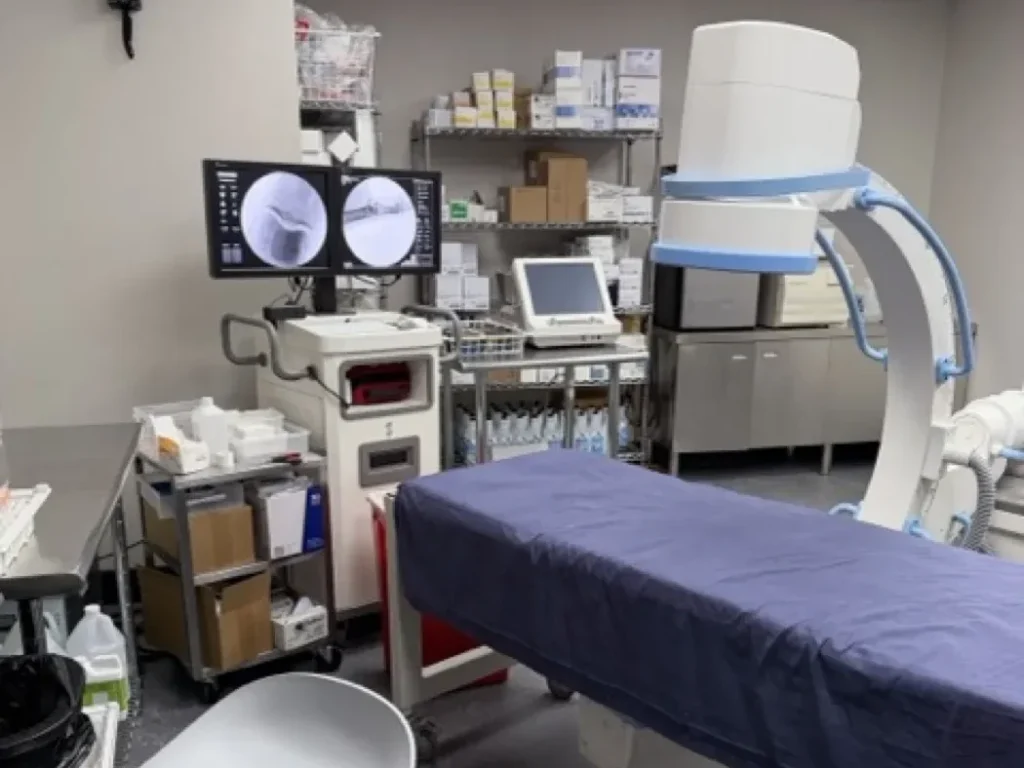
Under fluoroscopic guidance, contrast is used to confirm the needle has entered the joint before any medication is delivered. A local anesthetic and an anti-inflammatory steroid are then injected into the joint space. The procedure takes roughly fifteen minutes and is performed on an outpatient basis at our St. Louis office.

Diagnostic as well as therapeutic

Because the anesthetic acts immediately, the injection doubles as a diagnostic test. Meaningful relief in the hours that follow confirms the SI joint as the pain generator; little or no change points the search elsewhere. That answer directs what comes next, whether repeat injection, radiofrequency treatment of the nerves supplying the joint, or a different diagnosis altogether.

What to expect afterwards

Most patients return to light activity the same day. The anesthetic wears off within hours and the steroid effect typically builds over several days. We ask patients to record their pain levels across the first twenty-four hours, because that record is what makes the diagnostic part of the test meaningful.

Why the SI joint is hard to diagnose

The sacroiliac joint has an unusual innervation. Its posterior aspect receives contributions from the lateral branches of the S1 to S3 dorsal rami, and often from L5 and S4, and that supply varies considerably between individuals. There is no single nerve to test. Pain referred from the joint can appear in the buttock, the groin, the posterior thigh and occasionally below the knee, which is why it is so readily mistaken for a lumbar radiculopathy.

Imaging does not resolve it either. Degenerative change at the SI joint is common in asymptomatic adults, so a finding on CT or MRI does not establish that the joint is the source. No single physical examination maneuver is reliable on its own; the literature supports using a cluster of provocation tests, and even then the result raises or lowers suspicion rather than confirming it.

Why the injection is the reference standard

Because neither imaging nor examination is definitive, a controlled diagnostic block is what the field uses as its reference standard. The logic is simple: anesthetize the joint under fluoroscopic guidance with contrast confirming intra-articular spread, and see whether the pain goes. If it does, within the duration of the anesthetic, the joint is implicated. If it does not, it is not the source and continuing to treat it wastes time.

This is why we ask you to track your pain in the hours afterward, and why blind injection is not acceptable here. Without image guidance and contrast the needle frequently misses the joint capsule, and a missed injection produces a false negative that can send the entire workup in the wrong direction.

Frequently Asked Questions

Duration varies considerably. Some patients get several months of relief from a single injection; others get a shorter window that still confirms the diagnosis and guides the next step. The steroid component generally takes a few days to reach full effect.

The skin and deeper tissues are numbed first. Most patients describe pressure rather than sharp pain during the injection itself. The procedure is performed awake, without general anesthesia.

Examination findings and pain pattern raise the suspicion, but no single physical test is definitive. The injection is the most reliable way to confirm it, which is why your response in the first day matters as much as the relief.

Active infection, certain bleeding disorders and some blood-thinning medications need to be addressed first. We review your medication list and medical history before scheduling.

Request an Appointment

Same-day and emergency appointments are available. Call (314) 481-5000 or request a time below.

Related Treatments and Conditions

Other procedures and conditions our St. Louis pain specialists treat.
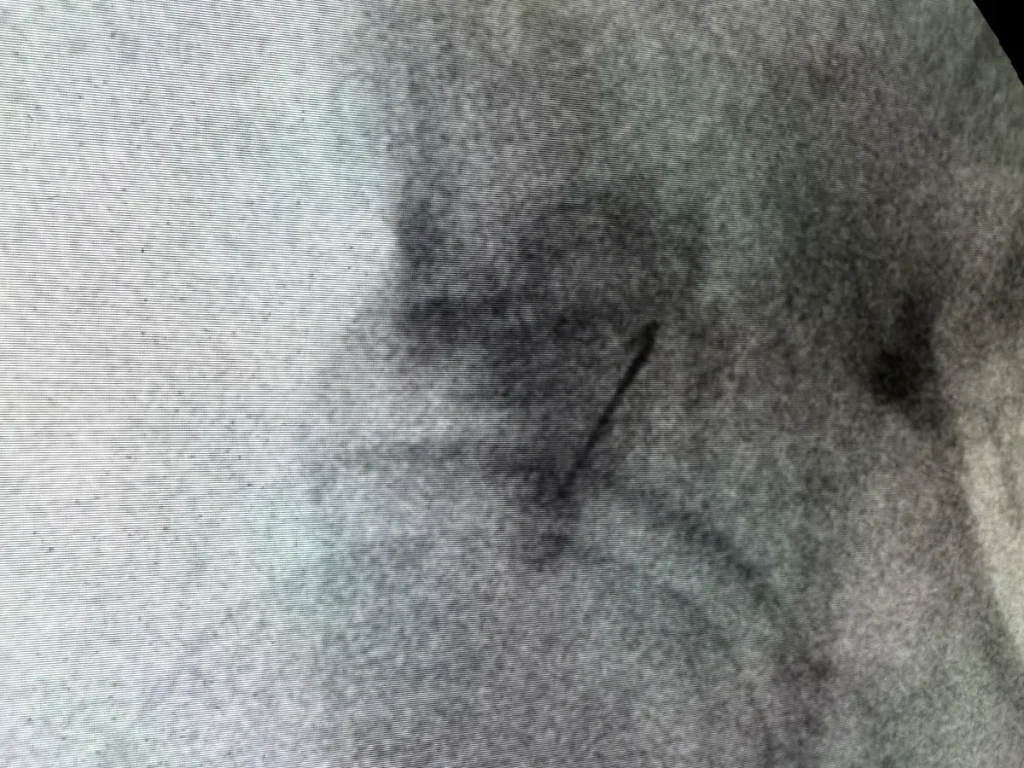
Sciatica Nerve Pain Treatment

Sciatica mainly refers to the pain that radiates along the sciatic nerve. The sciatic nerve branches from the lower back, the hips, and the..

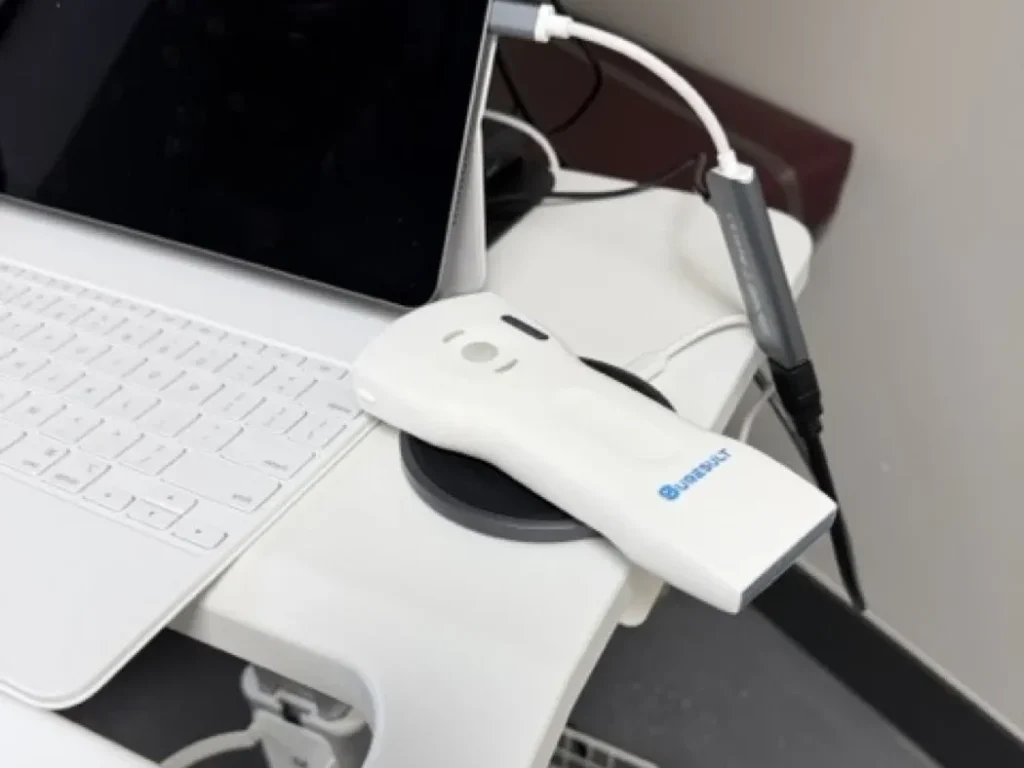
Hip Joint Injection

The hip joint is a large joint where the leg joins the pelvis, functioning as a ball and socket joint. The top of the thigh bone (the femur)…
Facet Joint Injection

The spine is designed to bend and turn. Along with the intervertebral discs, facet joints (also referred to as Z joints or zygapophyseal joints)..