
Main Banner

Spinal Cord Stimulation in St. Louis

An implanted neuromodulation system that interrupts chronic nerve pain in the back, arms or legs before the signal reaches the brain.

How spinal cord stimulation works

A thin lead carrying electrical contacts is placed in the epidural space, just outside the spinal cord, and connected to a small generator implanted under the skin. The device delivers mild electrical impulses that alter how pain signals are processed as they travel toward the brain. Rather than treating the original injury, it changes the signal the nervous system is sending about it.

The trial comes first

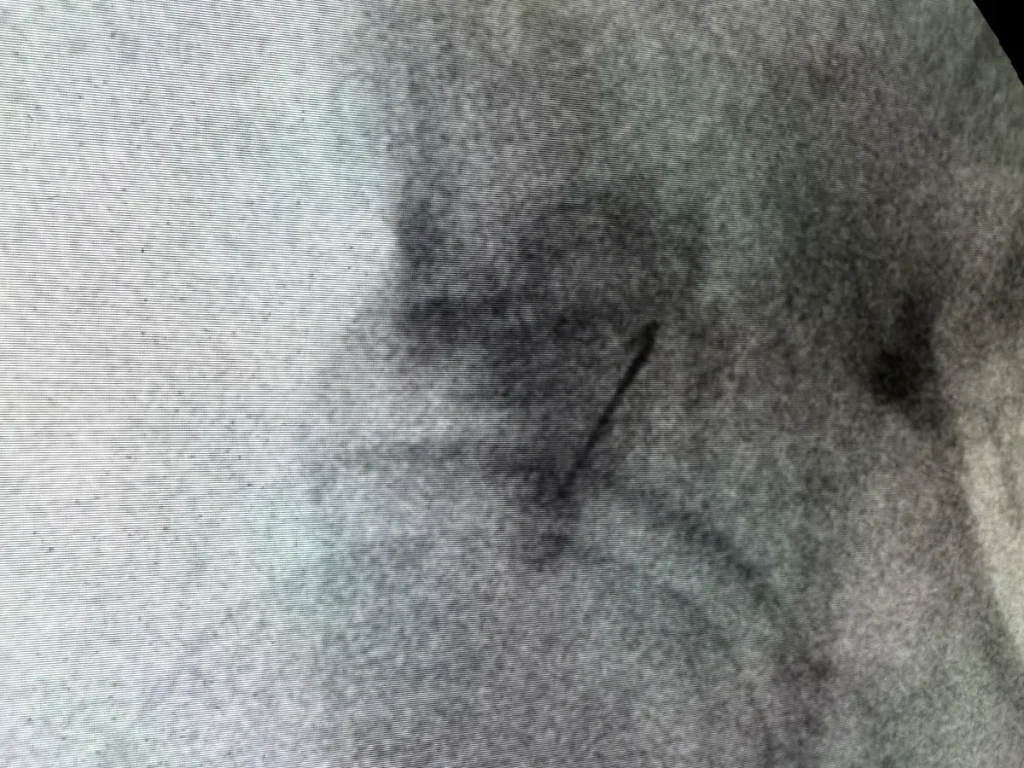
Nobody receives a permanent implant without first completing a trial. Temporary leads are placed percutaneously and worn for several days while normal daily activity resumes. The trial answers the only question that matters: does this reduce your pain enough, and reliably enough, to justify an implant? Patients who do not get a convincing response during the trial do not proceed.

Who it helps

The strongest candidates have neuropathic pain that has not responded to injections, medication or surgery. Common indications include persistent radicular leg pain, pain after spine surgery, and complex regional pain syndrome. It is generally considered after less invasive options such as epidural steroid injection have been tried.

What to expect

Both the trial and the implant are outpatient procedures. Modern systems are programmable, so the stimulation pattern can be adjusted over time as your pain changes, and several waveform options exist if the first program is not the right fit. Device checks and reprogramming are part of ongoing care rather than a sign something has gone wrong.

How the signal is actually changed

The original rationale came from the gate control theory of pain proposed by Melzack and Wall in 1965, which held that stimulating large-diameter sensory fibers in the dorsal column could inhibit transmission of pain signals carried by smaller fibers. That model explained the tingling sensation older systems produced in the painful area, since the same fibers carry touch.

Modern understanding is broader. Stimulation also alters neurotransmitter activity in the dorsal horn and modulates supraspinal pathways, which is why newer high-frequency and burst waveforms relieve pain without producing any tingling at all. Practically, this means a device that does not feel like it is doing anything may still be working, and that a program producing no sensation is not a malfunction.

What the trial evidence supports

The landmark randomized comparison is Kumar and colleagues, published in Pain in 2007, a multicentre trial of spinal cord stimulation versus conventional medical management in failed back surgery syndrome, with results sustained at twenty-four months in the PROCESS follow-up. That evidence base is why persistent radicular pain after spine surgery is the best-established indication.

It is also why we insist on the trial period. The published outcomes come from populations selected by a successful trial, so a permanent implant placed without one is not supported by the same evidence. If your trial does not produce a convincing response, the honest conclusion is that the data predicting benefit does not apply to you.

Frequently Asked Questions

It depends on the system and program. Some waveforms produce a light tingling sensation in the painful area; others work below the threshold of sensation and are not felt at all.

It is designed to be long-term but is fully reversible. The leads and generator can be removed if the device stops helping or is no longer wanted.

The temporary leads are simply removed in the office, and we move on to other options. A trial that fails is useful information, not a wasted step.

Request an Appointment

Same-day and emergency appointments are available. Call (314) 481-5000 or request a time below.

Related Treatments and Conditions

Other procedures and conditions our St. Louis pain specialists treat.
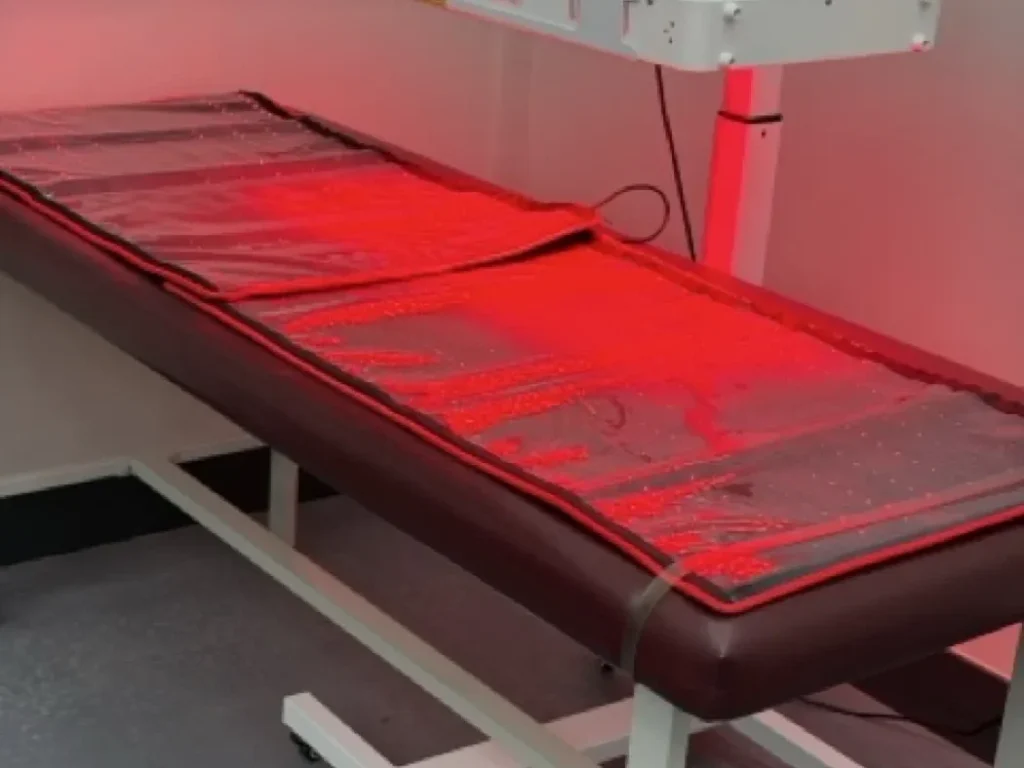
Complex Regional Pain Syndrome

“Of all the chronic neuropathic pain syndromes, none has perplexed patient, clinician, and scientist more than the complex regional pain..

Sciatica Nerve Pain Treatment

Sciatica mainly refers to the pain that radiates along the sciatic nerve. The sciatic nerve branches from the lower back, the hips, and the..
Epidural Steroid Injection (ESI)

Back pain affects nearly everyone at some point in their adult life. Often times the exact cause of pain is not readily apparent, as there are many..