Mon–Fri: 8 AM – 5 PM
Clinician delivering treatment to a patient in a treatment room at Padda Institute, St. Louis

Counseling for Chronic Pain

Ask about counseling as part of your pain treatment. Complete the form and we will contact you for a confidential discussion.

Overview

Living with pain for years does predictable things to a person: sleep breaks down, activity narrows, mood drops, and the fear of triggering a flare keeps people still until they are deconditioned. Each of those makes pain worse, and none of them is a character flaw.

Counseling here addresses that loop directly. It is delivered in-house by a clinical psychologist, which means it is coordinated with the physician managing your procedures and medication rather than happening in a separate silo.

To be explicit, because patients are often sent for counseling as a way of being dismissed: this service does not assume your pain is imagined. Chronic pain is a physiological problem. We treat the structural driver as well — see interventional pain management.
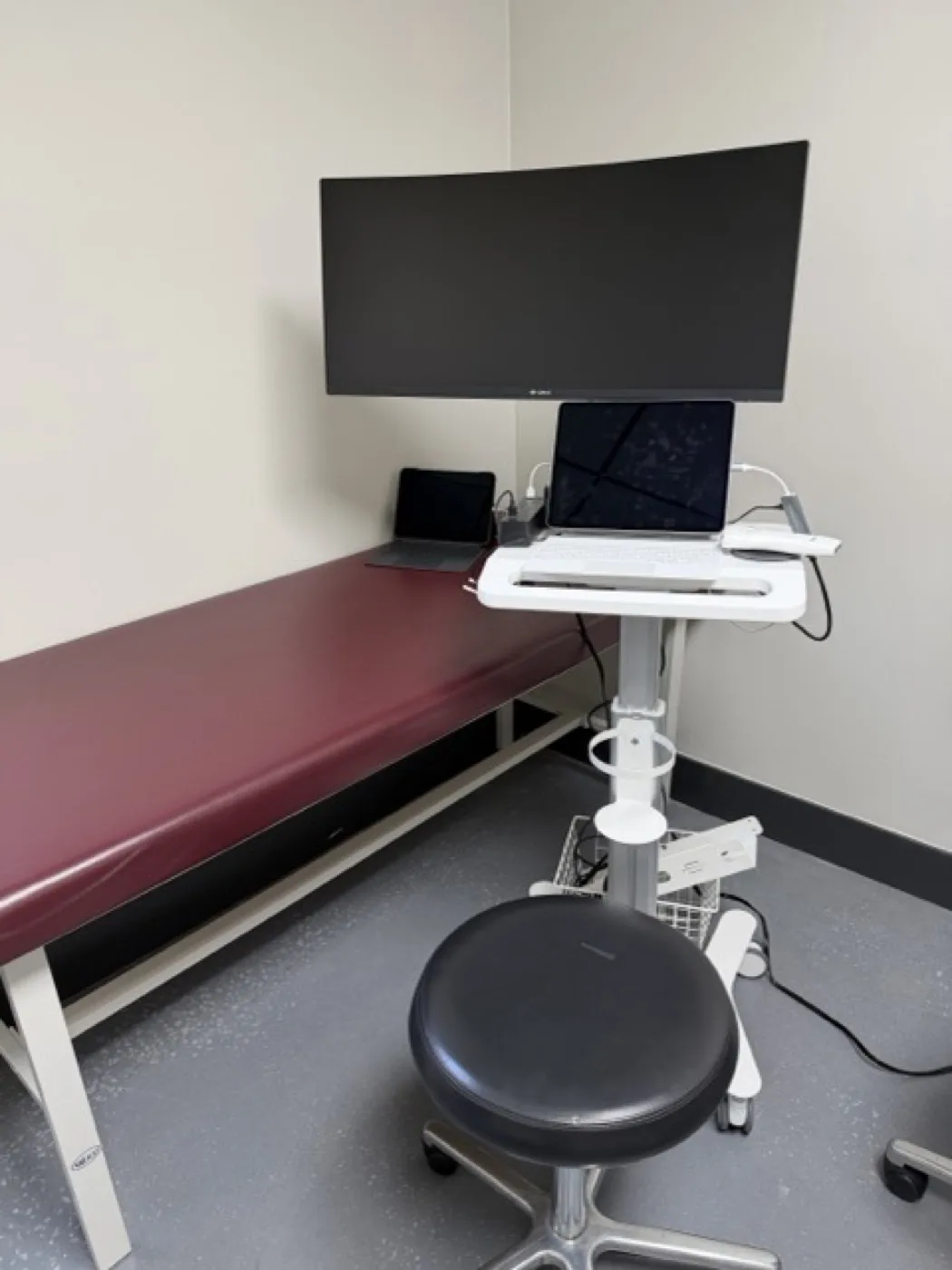
Diagnostic ultrasound cart and exam table at Padda Institute, St. Louis

What the Work Actually Looks Like

  • Sleep — the single highest-yield target, because sleep loss measurably lowers pain threshold.
  • Pacing and activity — finding the level of movement that builds capacity without provoking flares.
  • Fear of movement — the avoidance that protects in the short term and deconditions over years.
  • Acceptance-based work — reducing the struggle against pain that is not currently fixable, so attention and energy go back into living.
  • Opioid harm reduction — support through dose reduction, which is where most tapers fail without it.

Where It Fits in the Plan

For patients on long-term opioid therapy, counseling is part of the treatment agreement rather than an optional extra, alongside a minimum of twelve physical therapy sessions a year and metabolic participation. That combination is what allows medication to come down without the patient falling apart.

Full protocol: opioid stewardship for pharmacists and referring physicians.

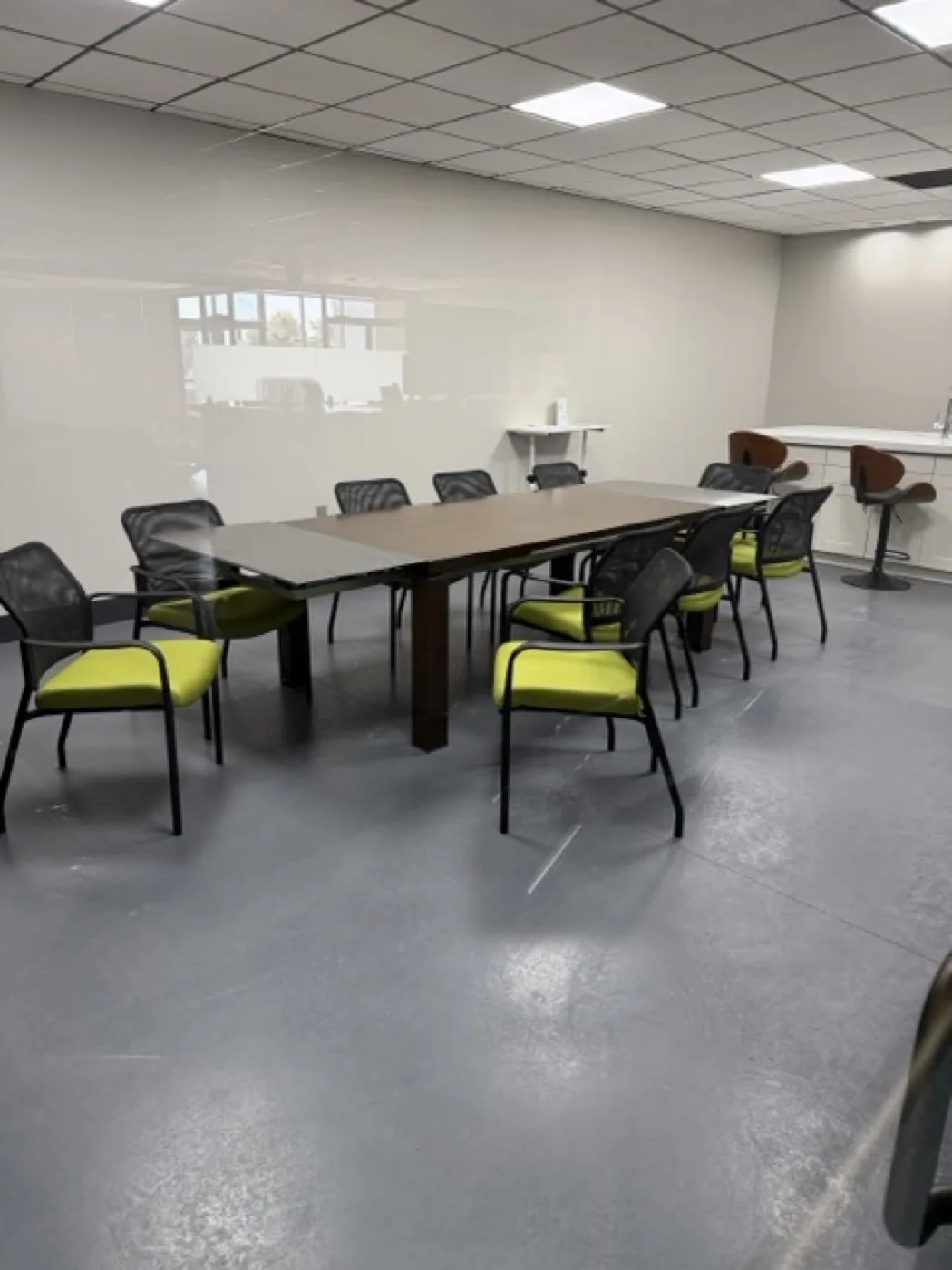
Counseling and group therapy room at Padda Institute, St. Louis

What the Evidence Supports

Psychological therapy for chronic pain

The 2020 Cochrane review by Williams and colleagues examined psychological therapies for chronic pain in adults and found small benefits for pain, disability and distress against usual care. We quote that honestly: the effects are consistent and worthwhile, not dramatic.

Acceptance and Commitment Therapy

A 2024 overview of systematic reviews with meta-analysis in The Journal of Pain examined ACT for chronic pain across randomised trials, supporting its use as an adjunct. A 2024 meta-analysis in the Clinical Journal of Pain reported similar findings for mindfulness-based interventions in chronic low-back pain.

Counseling is an adjunct that improves function and quality of life. It is not a cure, and individual results vary.
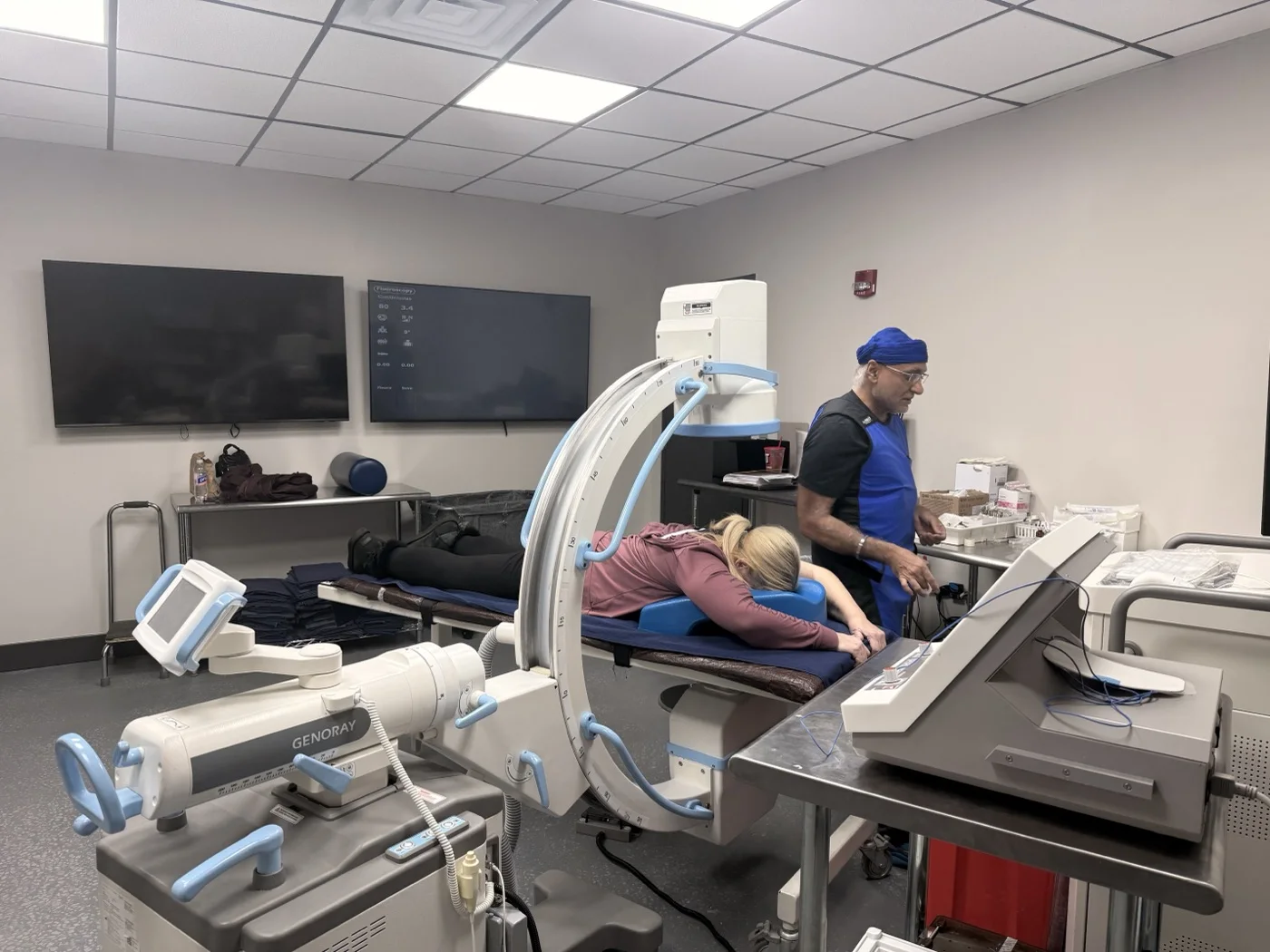
Wide view of the interventional procedure suite with C-arm fluoroscopy during a procedure at Padda Institute, St. Louis

Treat the Loop, Not Just the Signal

Serving St. Louis, St. Louis County and St. Charles, and drawing patients from across Missouri and Illinois. Call or text us to discuss whether this fits your plan.

What Our Patients Say

Individual results vary. These are unpaid patient testimonials shared with permission and are not a guarantee of outcome. See all patient stories.

Counseling for Chronic Pain: Frequently Asked Questions

No. Chronic pain is a real, physiological problem, and nothing about this service implies otherwise. Persistent pain changes how the nervous system processes signals, and it reliably erodes sleep, mood and activity — which then feed back into the pain. Counseling works on that loop. It does not assume the pain is imagined.

Primarily cognitive behavioural and acceptance-based approaches, including Acceptance and Commitment Therapy, delivered in-house. The emphasis is practical: sleep, pacing, activity that does not trigger flares, and the fear of movement that keeps people still and deconditioned.

Reasonable, and we will be precise about it. The 2020 Cochrane review of psychological therapies for chronic pain in adults found small benefits for pain, disability and distress compared with usual care — real, consistent, and modest rather than dramatic. A 2024 overview of systematic reviews in The Journal of Pain reached similar conclusions for Acceptance and Commitment Therapy. It is an adjunct that improves function, not a cure. Individual results vary.

Yes. Ongoing psychological counseling is part of the treatment agreement for patients on long-term opioid therapy, alongside physical therapy and metabolic participation. It is not a judgement about character — it is what makes dose reduction survivable and durable. Our full protocol is published in our opioid stewardship page for pharmacists and referring physicians.

In-house. We have a clinical psychologist as part of the practice, which means counseling is coordinated with the physician managing your procedures and medication rather than happening in isolation.

Padda Institute Center for Interventional Pain Management, 4477 Woodson Road, Suite 100, St. Louis, MO 63134, with a second location at 12174 Natural Bridge Road, Bridgeton, MO 63044. Book at painmd.tv/appointment/, call (314) 481-5000 or text (314) 886-5902.

References

  • Williams ACC, Fisher E, Hearn L, Eccleston C. Psychological therapies for the management of chronic pain (excluding headache) in adults. Cochrane Database Syst Rev. 2020;8(8):CD007407. PMID 32794606.
  • Martinez-Calderon J, García-Muñoz C, Rufo-Barbero C, Matias-Soto J, Cano-García FJ. Acceptance and Commitment Therapy for chronic pain: an overview of systematic reviews with meta-analysis of randomized clinical trials. J Pain. 2024;25(3):595–617. PMID 37748597.
  • Paschali M, Lazaridou A, Sadora J, et al. Mindfulness-based interventions for chronic low back pain: a systematic review and meta-analysis. Clin J Pain. 2024;40(2):105–113. PMID 37942696.
  • Krause AJ, Prather AA, Wager TD, Lindquist MA, Walker MP. The pain of sleep loss: a brain characterization in humans. J Neurosci. 2019;39(12):2291–2300. PMID 30692228.

Send A Message

For questions and concerns, please fill out the form below.