Mon–Fri: 8 AM – 5 PM
Same-Day & Emergency Visits
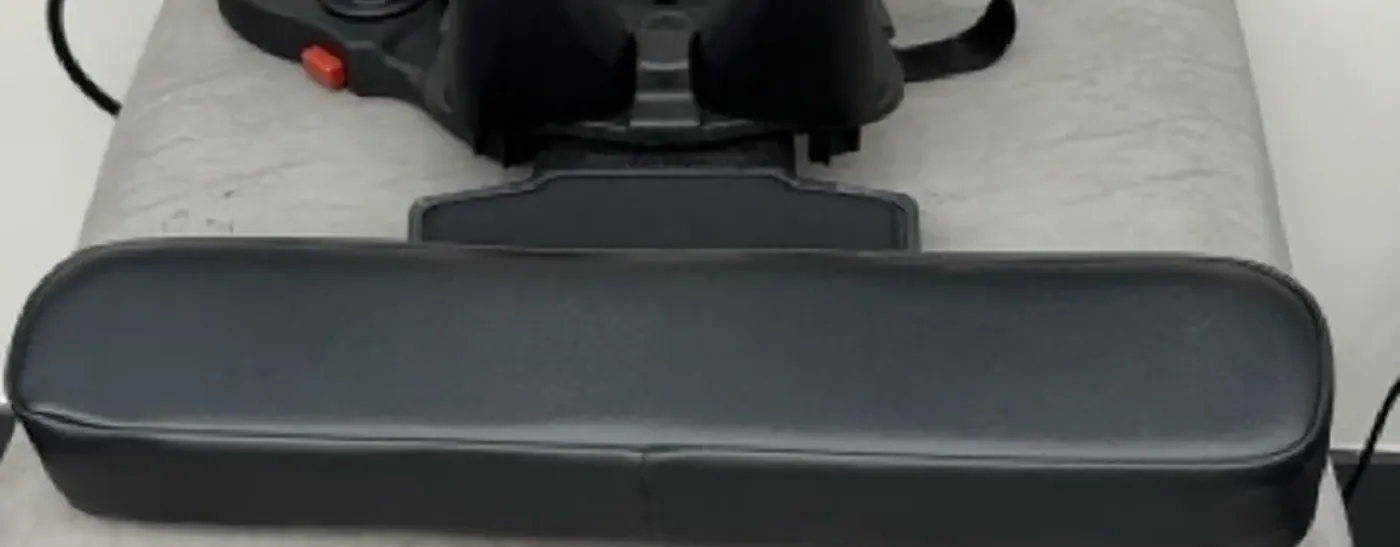
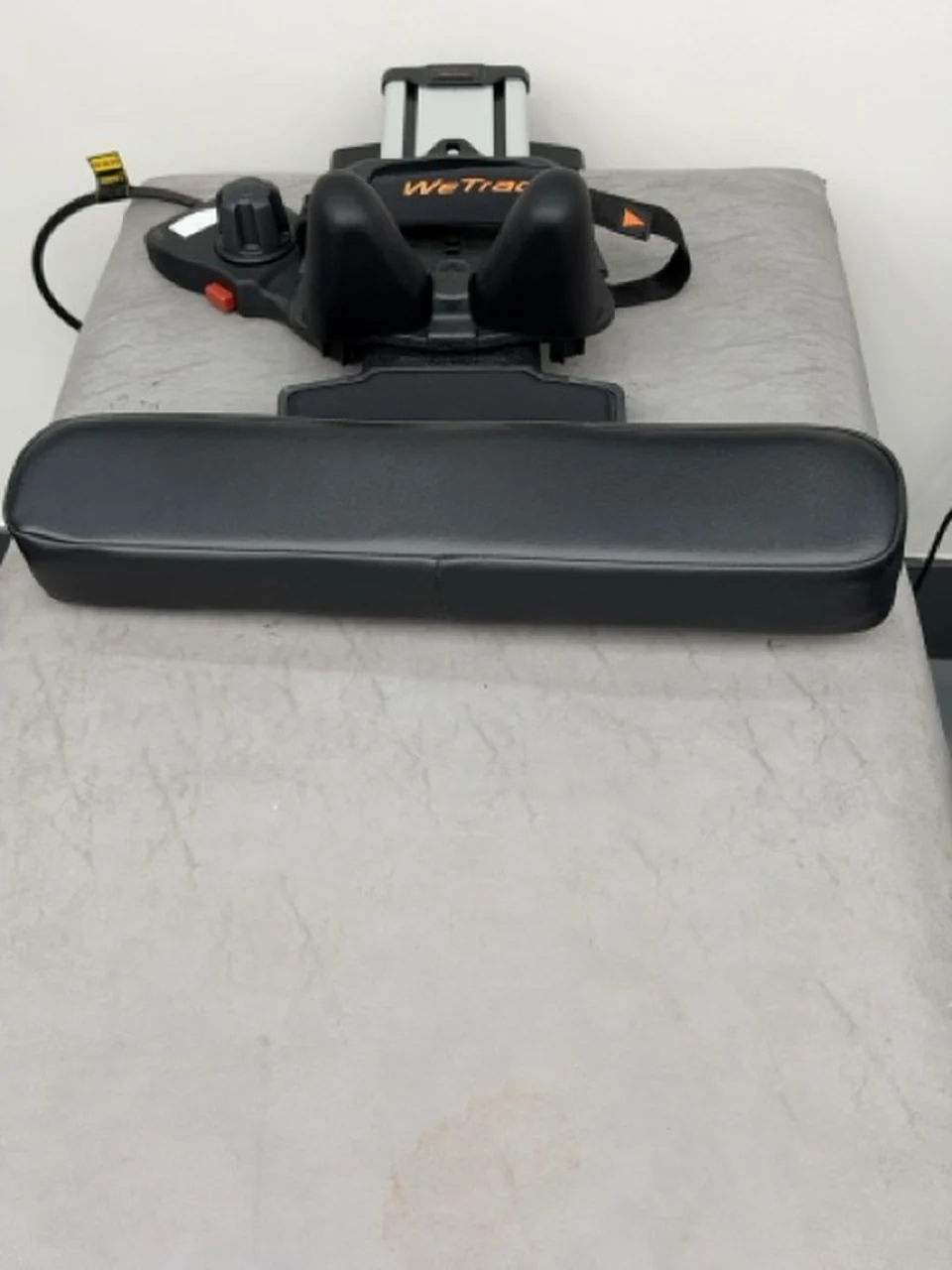
Pneumatic cervical traction unit at Padda Institute, St. Louis

Pneumatic Cervical Traction in St. Louis

Controlled, measured decompression of the neck to reduce pressure on cervical discs and nerve roots.

Prefer not to fill in a form?

Same-day and emergency appointments are available.

What cervical traction does

Cervical traction applies a controlled distraction force along the neck, gently separating the vertebrae. That separation reduces pressure inside the discs and widens the bony openings through which the nerve roots exit — the neural foramina.

Where neck pain radiates into the shoulder or arm, the usual cause is a nerve root under pressure from a disc protrusion, a narrowed foramen, or both. Traction addresses the mechanical part of that directly, by temporarily giving the nerve more room.

Ours is a pneumatic system, meaning the force is regulated by air pressure rather than by weights. That allows the force to be graded precisely and increased gradually within a session, which matters because an irritated cervical spine responds badly to force applied abruptly.

Pneumatic cervical traction unit at Padda Institute, St. Louis

Why pneumatic rather than weighted

Traditional traction uses a hanging weight or a manual pulley. The force is harder to control, harder to reproduce between sessions, and it arrives less smoothly.

A pneumatic system regulates force by air pressure, which means it can be dialled to a specific value, held, released and repeated identically. Practically that lets us start well below the level that provokes symptoms and increase deliberately across sessions as tolerance improves.

It also allows intermittent traction — cycles of pull and release rather than sustained pull. Many patients tolerate intermittent traction considerably better, and the cycling appears to help with fluid exchange in the disc rather than simply holding it stretched.

What it is used for

Traction is most useful where symptoms have a clear mechanical component:

  • Cervical radiculopathy — neck pain radiating into the shoulder, arm or hand, with or without numbness
  • Foraminal narrowing from degenerative change
  • Disc protrusion producing nerve root irritation
  • Persistent neck pain with restricted movement and muscle guarding
  • Symptoms following a motor vehicle accident, where whiplash has left persistent mechanical neck pain

A useful sign is positional: if your arm symptoms ease when you lift your arm over your head, or when you gently pull your own head upward, the nerve root is likely under mechanical pressure and traction is worth trying.

How it fits with everything else

Traction is a conservative modality and we treat it as one. It is inexpensive, low-risk and non-invasive, which makes it a reasonable early step — but it is not a substitute for identifying which structure is generating your pain.

Where symptoms persist, electrodiagnostic testing establishes objectively whether a nerve root is affected and at which level. From there, targeted options such as a selective nerve root block or cervical epidural steroid injection address the inflammation around the nerve directly.

Traction also pairs well with the rest of the conservative program — it frequently makes physical therapy tolerable in patients whose neck is too irritable to work with otherwise.

When traction is not appropriate

Traction is avoided where the spine may be structurally unstable or where distraction could cause harm: after certain cervical fractures, in the presence of significant instability, with spinal tumor or infection, with vertebrobasilar insufficiency, in inflammatory arthritis affecting the upper cervical spine, and in severe osteoporosis.

It is also not the answer for every neck complaint. Pain arising from the cervical facet joints rather than from a compressed nerve root often does not respond, and continuing traction that is not helping simply delays the treatment that would.

Neck Pain Radiating Into Your Arm

Identifying whether a nerve root is under pressure is the first step. Call to arrange an evaluation.

What Our Patients Say

Individual results vary. These are unpaid patient testimonials shared with permission and are not a guarantee of outcome. See all patient stories.

Cervical Traction FAQs

It should not. Force is increased gradually and stays within what you tolerate. Most patients describe a stretching sensation and often immediate partial relief of arm symptoms. Pain during traction means the force or the angle is wrong, and both are adjustable.

Usually ten to twenty minutes, often using intermittent cycles of pull and release rather than sustained pull. Most patients tolerate the intermittent pattern better.

Some patients notice a change within the first two or three sessions. If several sessions have produced no change at all, that is meaningful information — it suggests the problem is not primarily mechanical compression, and we would look elsewhere rather than continue.

No. Home devices apply force that is neither measured nor reproducible, and an irritable cervical spine responds badly to uncontrolled force. A pneumatic clinical system delivers a specific, repeatable value that can be adjusted deliberately.

It is avoided with cervical instability or certain fractures, spinal tumor or infection, vertebrobasilar insufficiency, inflammatory arthritis affecting the upper cervical spine, and severe osteoporosis. We review your history and imaging before starting.

It relieves pressure rather than repairing the disc. For many patients that relief is enough for symptoms to settle while the disc resolves on its own. Where it is not, injections targeting the inflamed nerve root are the usual next step.

Send A Message

For questions and concerns, please fill out the form below.

Prefer not to fill in a form?

Same-day and emergency appointments are available.

Pain Conditions We Treat

At Padda Institute, our pain management specialists provide the guidance and treatments tailored to your needs. We diagnose and evaluate to determine your best treatment plan, so that you can experience chronic pain relief like never before.
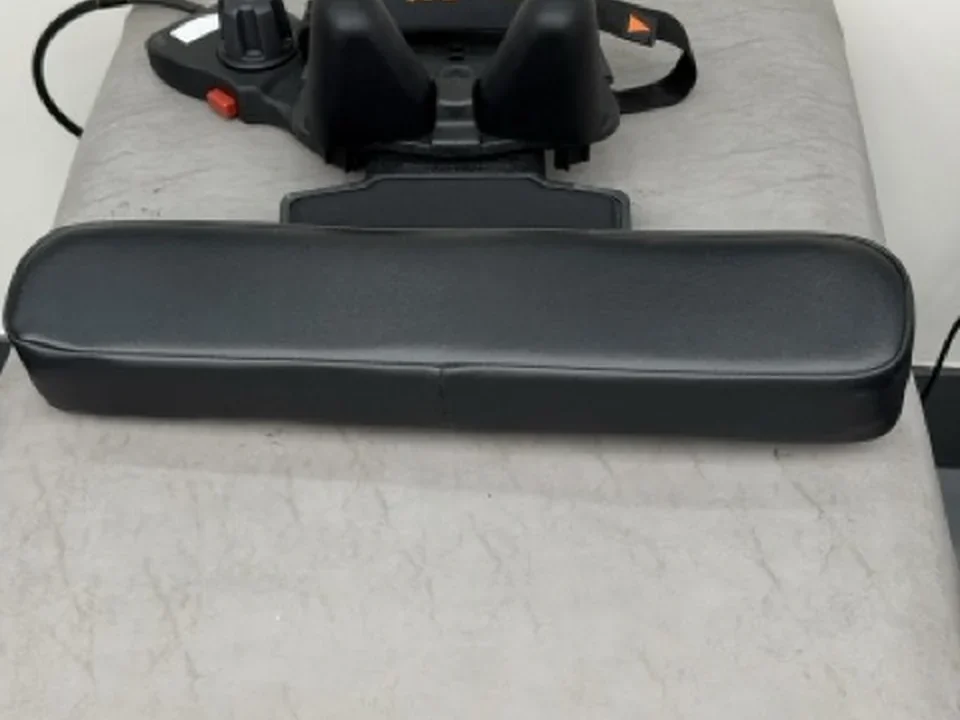
Severe Head And Neck Pain

The goal of the Padda Institute Headache Section is to provide diagnosis and treatment that will help people who experience severe pain..

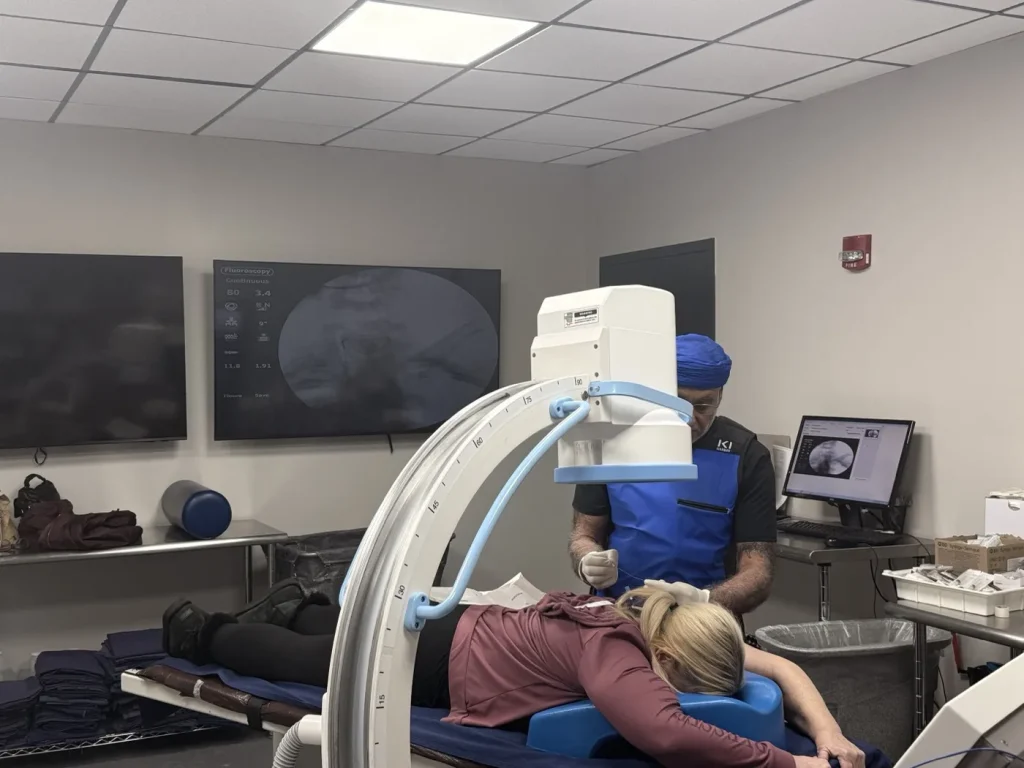
Selective Nerve Root Block

Nerve roots exit your spinal cord and form nerves that travel into your arms or legs. These nerves allow you to move your arms, chest wall, and..
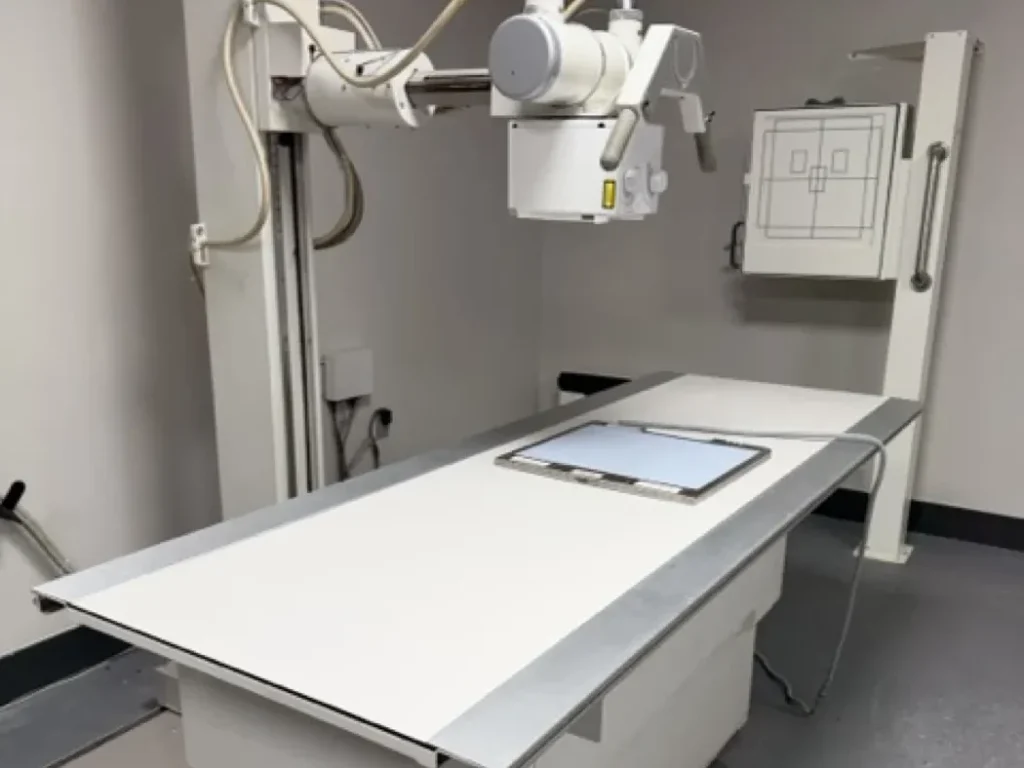
Car Accidents Injuries

At Padda Institute Of Pain Management, we understand that car accidents can result in a wide range of injuries, causing pain and discomfort that can impact your daily…