Mon–Fri: 8 AM – 5 PM
Same-Day & Emergency Visits
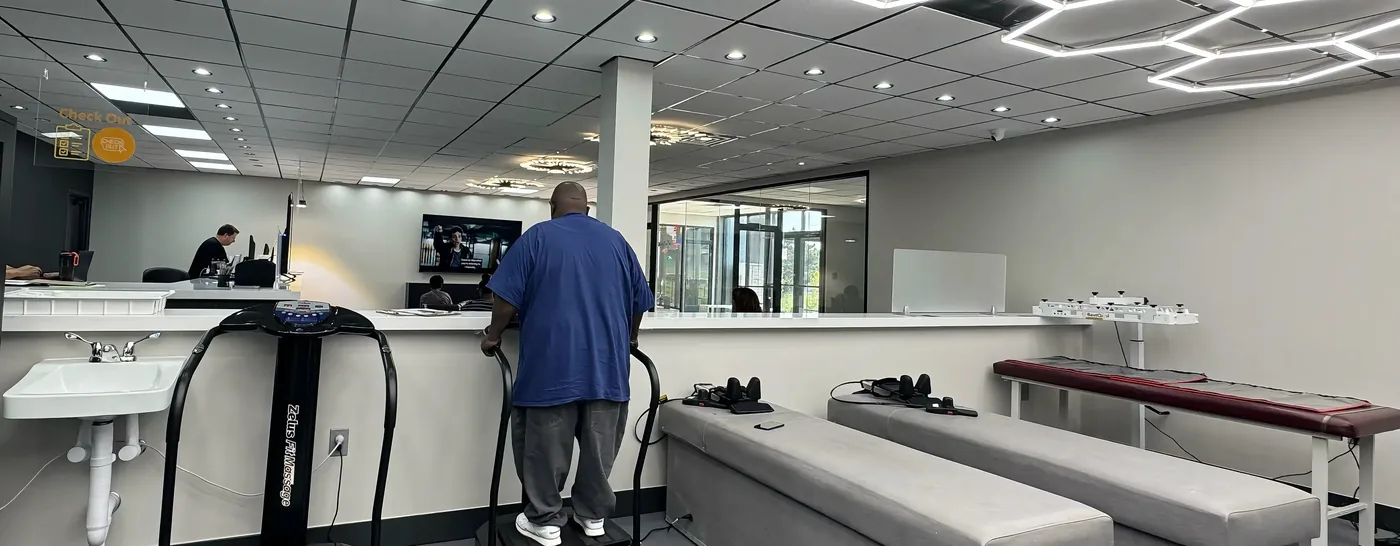
Whole body vibration platforms in the therapy area at Padda Institute, 4477 Woodson Road, St. Louis

Whole Body Vibration Therapy in St. Louis

Controlled mechanical stimulus to recruit muscle and build load tolerance when pain limits conventional exercise.

Prefer not to fill in a form?

Same-day and emergency appointments are available.

What whole body vibration is

You stand on a platform that oscillates at a controlled frequency. The movement is small and rapid, and your muscles respond to it involuntarily — a reflex contraction repeated many times per second in response to the changing surface beneath you.

The clinical value is that this recruits muscle without requiring you to load a joint through range, lift a weight, or tolerate the movement that ordinarily provokes your pain. For a patient whose pain has made conventional exercise impossible, it offers a way back in.

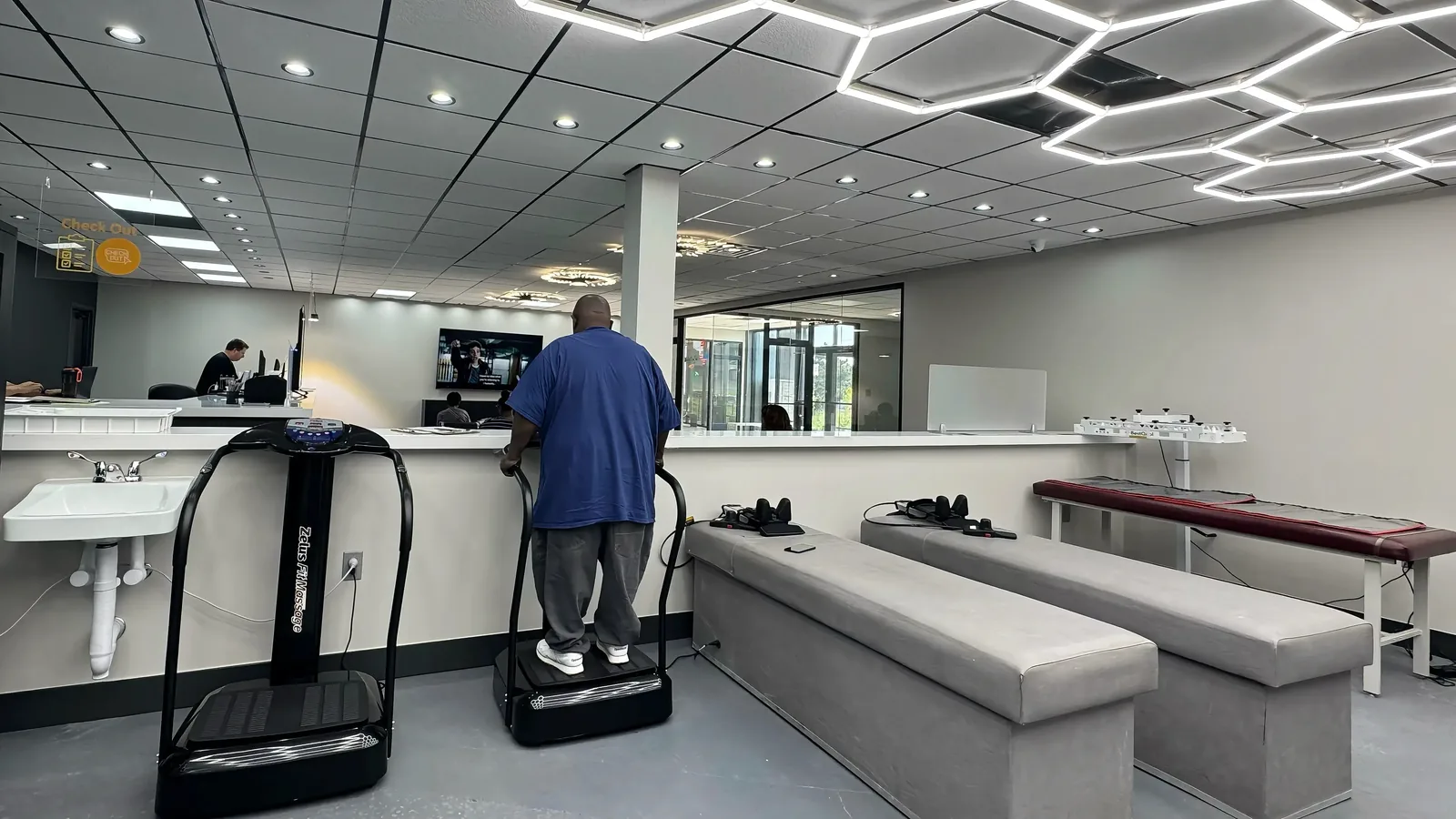
Patient standing on a whole body vibration platform in the therapy area at Padda Institute, St. Louis

Why muscle matters in chronic pain

Muscle is not only a mover. It is an endocrine organ that releases signaling molecules called myokines during contraction, and several of those are anti-inflammatory.

This creates a loop worth understanding. Pain reduces activity; reduced activity costs muscle mass; less muscle means less myokine signaling; less anti-inflammatory signaling means more inflammation and more pain. Deconditioning is not merely a consequence of chronic pain, it is one of the things sustaining it.

Anything that recruits muscle in a patient who cannot otherwise exercise is therefore doing more than maintaining strength.

How we use it

Primarily as a bridge — a way to begin loading tissue in patients too painful or deconditioned to start conventional physical therapy, with the intention of progressing to active exercise as tolerance improves.

It also has a role in bone loading, which matters for patients with osteoporosis, particularly anyone who has already sustained a vertebral compression fracture and needs to load bone without spinal impact.

It is a supportive modality, not a replacement for progressive exercise. If you can tolerate active rehabilitation, that is better.

Who should be cautious

Vibration is avoided in pregnancy, with acute thrombosis, with recent fracture or unstable hardware, with retinal detachment, and with certain implanted devices — tell us if you have a pacemaker, a spinal cord stimulator or any implanted generator, and we will check the manufacturer guidance before using it.

Severe osteoporosis requires judgment rather than blanket avoidance: appropriate loading is beneficial for bone, excessive loading is not, and the distinction depends on your bone density and fracture history.

A Way Back Into Movement

If pain has made exercise impossible, this is often where we start. Call to ask whether it suits you.

What Our Patients Say

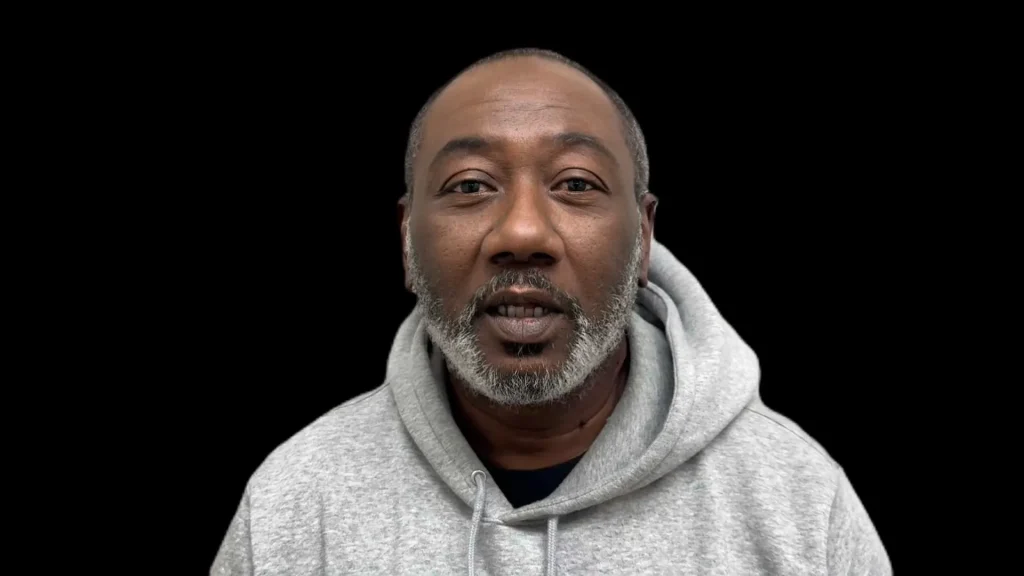
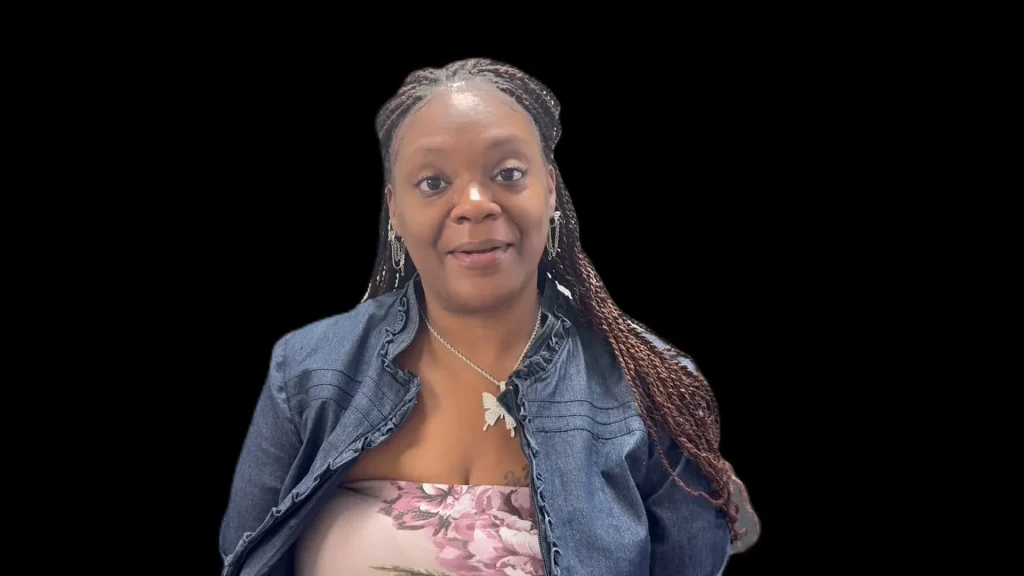
Individual results vary. These are unpaid patient testimonials shared with permission and are not a guarantee of outcome. See all patient stories.

Whole Body Vibration FAQs

No. It is a bridge for patients who cannot yet tolerate conventional exercise, with the aim of progressing to active rehabilitation. If you can already exercise actively, that is more effective.

Short — usually several minutes. It is more demanding than it looks, and sessions are built up gradually rather than started at length.

Mechanical loading supports bone, and vibration provides loading without spinal impact, which is useful after a compression fracture. It is one component of bone health, not a substitute for medical management of osteoporosis.

Tell us before your first session. We check the device manufacturer guidance rather than assume, because recommendations differ between systems.

Pregnancy, acute thrombosis, recent fracture or unstable hardware, retinal detachment, and certain implanted devices. Severe osteoporosis needs individual judgment rather than a blanket rule.

Send A Message

For questions and concerns, please fill out the form below.

Prefer not to fill in a form?

Same-day and emergency appointments are available.

Pain Conditions We Treat

At Padda Institute, our pain management specialists provide the guidance and treatments tailored to your needs. We diagnose and evaluate to determine your best treatment plan, so that you can experience chronic pain relief like never before.
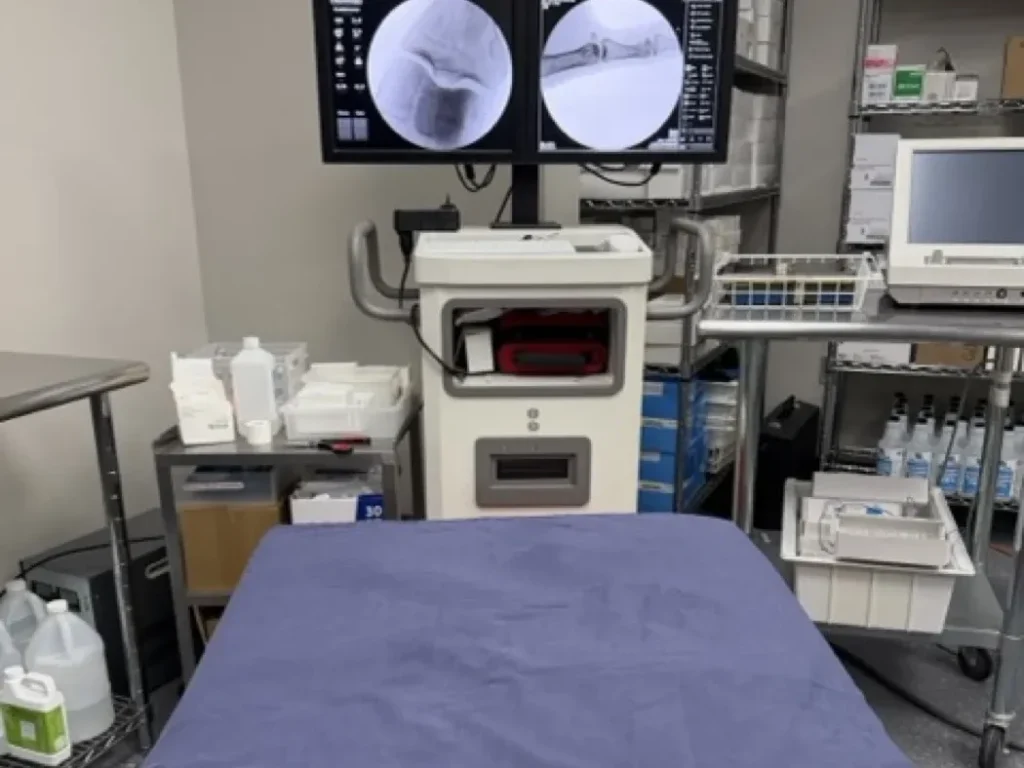
Vertebroplasty

Bed rest and strong pain medicine are no longer the only treatments for back pain caused by compression fractures of the spine. Now there is..

Spinal Cord Stimulation

Spinal cord stimulation uses a small implanted device to deliver mild electrical impulses to the spinal cord, interrupting chronic nerve pain signals. Padda Institute performs SCS trials and…

Diabetes And Neuropathy

Diabetic Peripheral Neuropathy (DPN) is the most common complication of diabetes, and often presents as a distal, symmetric..