



Hip Joint Injection

Hip joint injection · St. Louis

Hip Joint Injection

A hip joint injection puts a small dose of strong medicine right into the hip joint to ease pain. The pain most often comes from a worn-out or arthritic hip. The shot tests as well as treats. If the pain gets better, the hip joint is the source. If not, the pain likely comes from the lower back or knee.

Take the first step toward relief. Complete the form, and we’ll reach out to you for a confidential discussion about your needs.

Prefer not to fill in a form?

Same-day and emergency appointments are available.

Overview

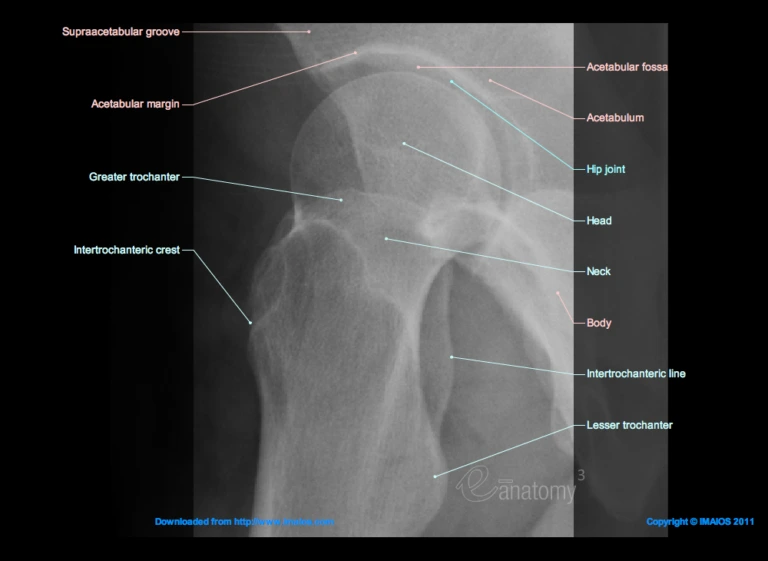
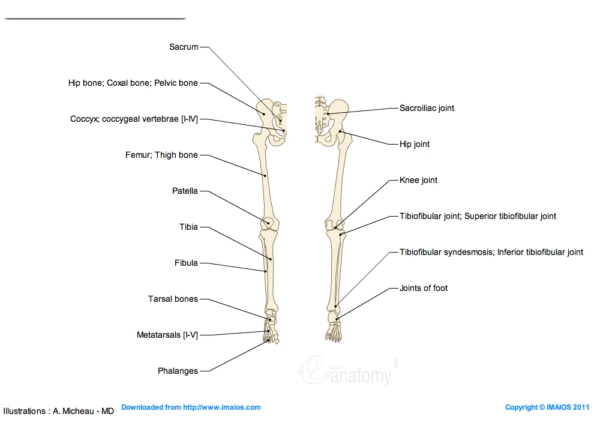
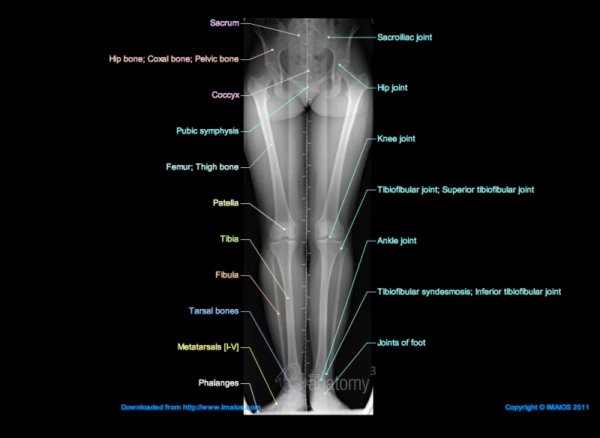
The hip joint is a large joint where the leg joins the pelvis. It works as a ball and socket. The top of the thigh bone (the femur) is a round ball. It fits into a socket, a hollow in the pelvic bone. A group of ligaments holds the ball in place. They form a capsule, like a sleeve, around the joint. Inside the capsule are cartilage and a slippery joint fluid. Together they let the two bones glide with very little friction.

What is a hip joint injection?

The hip joint injection targets the hip joint we think is causing your pain. We inject and numb the joint to ease that pain. The shot puts a small dose of strong medicine right into the painful hip joint. Hip pain usually comes from a worn-out or arthritic hip. But sometimes it is “referred” pain. That means you feel it in the hip, but it really comes from the lower back. Less often it comes from the knee on the same side.

Hip Joint

The hip joint injection helps both find and treat hip pain. So it is a test and a treatment in one.

Put simply, we inject medicine into the hip joint we suspect. If the pain gets better, we can be fairly sure the hip joint is the cause. If the pain is no better, it likely comes from somewhere else, most often the lower back or the knee.

We often inject a dye first. It shows us the joint and confirms the medicine is going to the right spot.

Hip Joint Injection
Hip Joint Injection

What causes hip joint pain?

The hip joints hold joint fluid and are lined with cartilage.

Like any joint in the body, hip joints can become diseased, and then they hurt.

By far the most common hip joint disease is arthritis. It is a wear-and-tear, inflamed condition. Over time it wears away joint cartilage and causes bone overgrowth (‘osteophytes’ or ‘spurs’). It eats into the joint, and in the end the joint itself becomes unstable.

The hip joints and the tissue around them are full of nerves. As the arthritis gets worse, the nerve endings get irritated and inflamed. That is what you feel as pain. Any part of this wear-and-tear process can hurt.

The main job of scans before the procedure is to check for other types of arthritis or other, less likely causes of hip pain.

Can an X-ray or MRI tell if my hip joint is causing the pain?

Not reliably. Scans (X-rays, MRI and CT scans) help screen the hips for a possible cause of pain. But they often cannot tell whether a given hip joint is the source of pain.
They show how worn the hip is. But as with any joint, how worn it looks does not always match how much it hurts. Some patients have badly worn hips on their scans and feel little pain. Others in severe hip pain show only mild wear. That is why your history and a hands-on exam matter so much in finding the source of pain.

Hip Joint Cta Banner

Move Freely With Our Hip Joint Injection

Our Hip Joint Injection gives targeted relief so you move better and hurt less. Contact us to book a visit.

What happens during a hip joint injection?

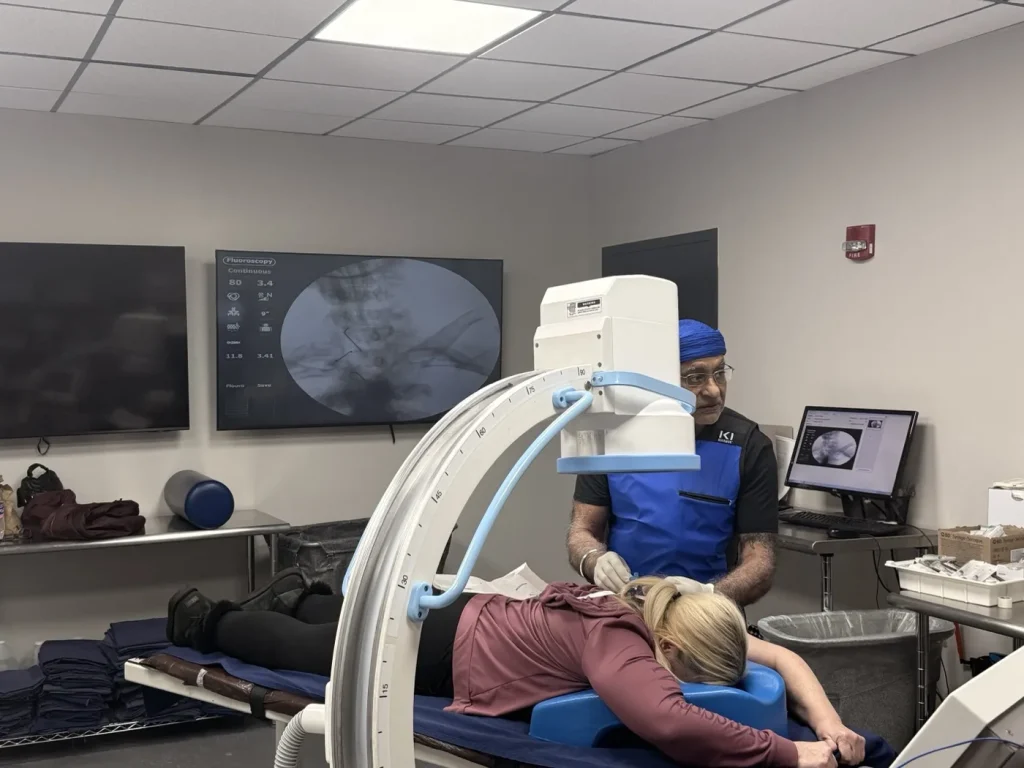
We explain the procedure, answer your questions and get your consent. You lie on the X-ray table. We clean the painful hip with povidone-iodine (Betadine) and alcohol to keep it germ-free.

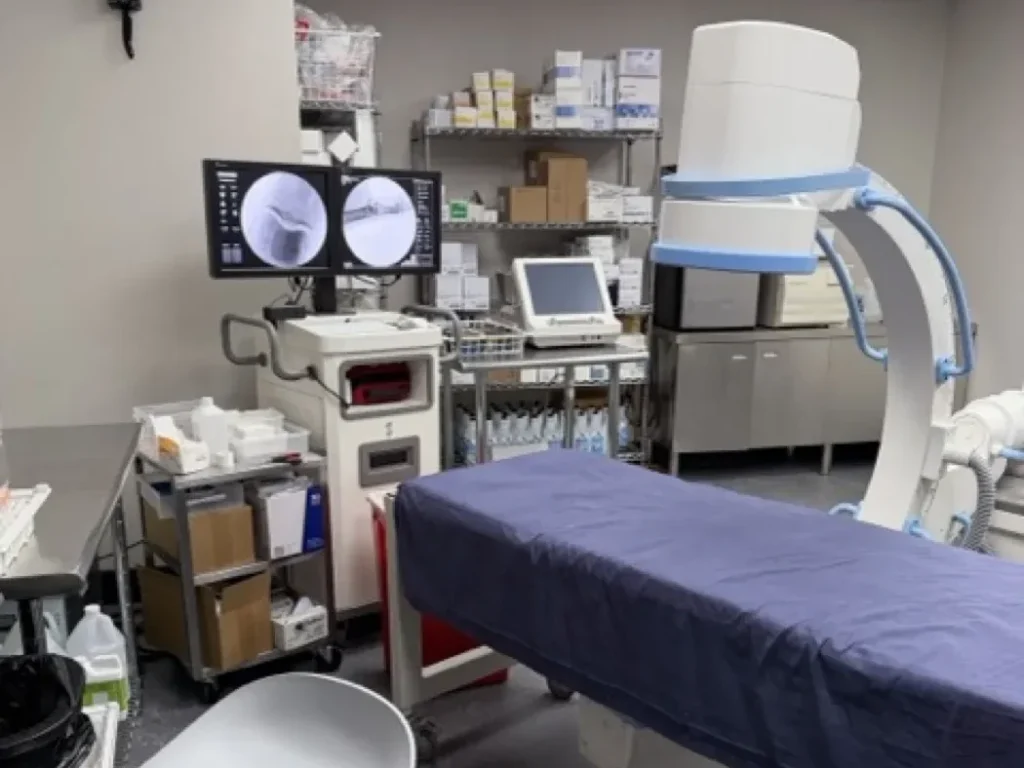
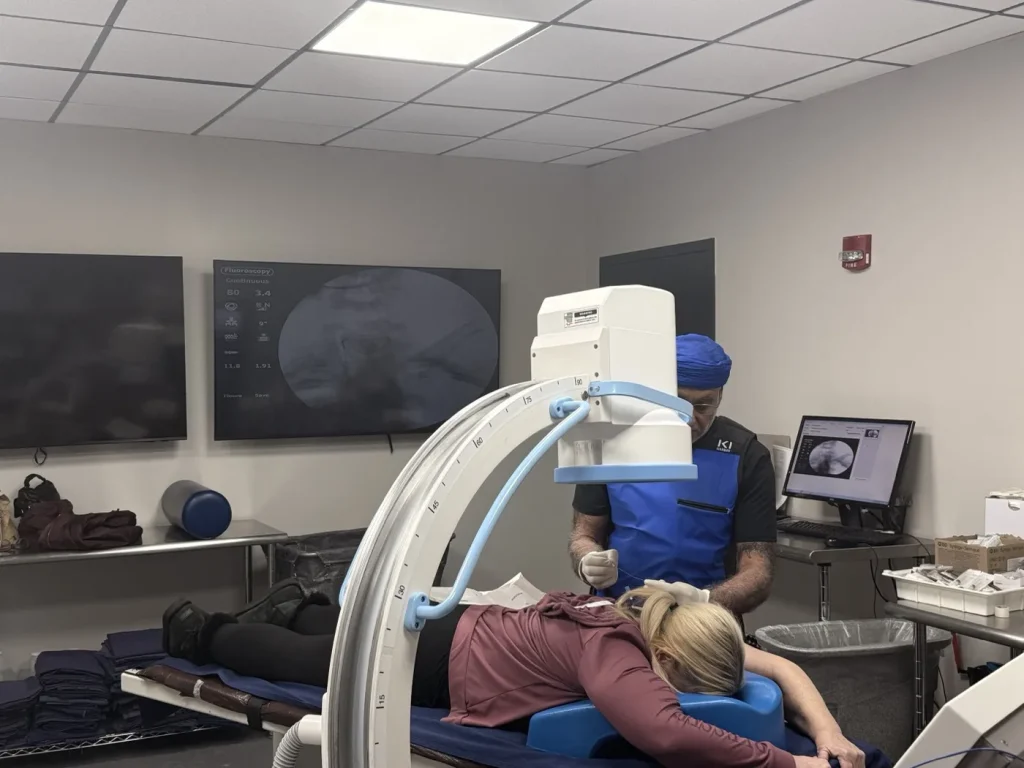
We find the exact spot with the fluoroscope (live X-ray). We numb the skin over it with lidocaine. A sterile needle goes into the hip joint. We inject a little water-based contrast (dye) to confirm the needle tip is in the right place. Then we inject a mix of local anesthetic (lidocaine or bupivacaine) and anti-inflammatory medicine (steroid). We slowly pull the needle out. The whole procedure is done with fluoroscopic (X-ray) guidance.

The shot itself takes only a few minutes. The whole visit usually takes thirty to sixty minutes. After the hip joint injection, you rest on the table for twenty to thirty minutes. Then we ask you to move the hip in the way that usually brings on your pain. You may or may not get relief in the first few hours. That depends on whether the joint we injected is the main source of your pain. Now and then, the leg feels numb, a bit weak or odd for a few hours after the shot.

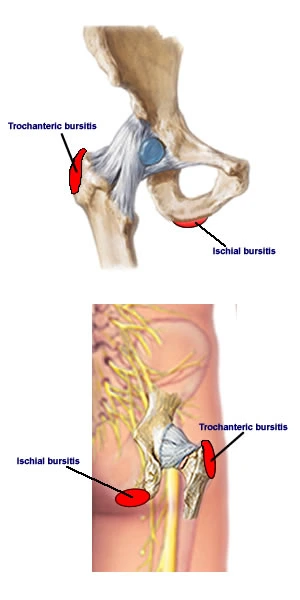
Soon after, your pain doctor examines you to see if the pain has improved. Some people have pain that feels like hip joint pain but really comes from bursitis next to the hip. Bursitis is inflammation of a small fluid sac that cushions the joint.

Trochanteric Bursitis

The trochanteric bursa sits over the bony bump on the side of the hip. This type of bursitis hits women and middle-aged to older people more often. It can start on its own, with no injury. Walking oddly because of arthritis in the hip, knee, ankle, foot or back can also cause it. Signs include pain that slowly builds on the side of the hip and sometimes runs down the thigh. It hurts to sleep on that side, get up from a deep chair, sit in a car or climb stairs. Now and then it hurts to walk.

Ischial Bursitis

The ischial bursa sits below the bone in your buttock called the ischium. It can get inflamed after an injury or from long sitting on hard seats. Signs include pain when you sit or lie on your buttocks and pain that runs to the back of the thigh. Ischial bursitis is also called “weaver’s bottom” or “tailor’s seat.”

What are the risks of a hip joint injection?

As with any procedure, serious problems can happen. The most common side effects from the hip joint or bursa injection include (but are not limited to):

    • Allergic reactions to the medicine or dye
    • Infection (occurs in less than 1 per 15,000 injections)
    • Post-injection flare (joint swelling and pain a few hours after the corticosteroid injection)
    • Depigmentation (a whitening of the skin)
    • Local fat atrophy (thinning of the skin)
    • A torn tendon in the path of the needle
    • Bleeding, nerve injury, organ injury and death are rare but possible
Trochanteric Bursitis

What Our Patients Say

Individual results vary. These are unpaid patient testimonials shared with permission and are not a guarantee of outcome. See all patient stories.

Hip Joint Injection FAQs

Both. Numbing medicine in the joint tells us whether the hip itself is causing your pain. The anti-inflammatory medicine treats it. The test part matters because hip and spine pain overlap so often.

Often, yes. Pain from the low back spreads into the groin, buttock and outer thigh. It looks a lot like hip joint pain. If numbing the hip does not change your pain, the spine becomes the more likely source. Then we shift the work-up to the spine.

Weeks to several months, based on how much of the pain comes from inflammation. If relief is good but short, that still tells us where the pain is coming from.

The hip is a deep joint. Aiming by feel alone is not reliable. A shot that misses the joint gives a false test result and no relief. We use imaging to confirm the needle is inside the joint before we inject.

Then the hip joint is probably not causing your pain. That points the search toward the low back, the sacroiliac joint or the soft tissue around the hip. That is more useful than a failure no one can explain.

We handle most of the discomfort before the needle reaches the joint. We numb the skin over the hip with lidocaine first. The medicine itself also has a numbing agent, lidocaine or bupivacaine. The shot takes only a few minutes. Some people get a post-injection flare: joint swelling and pain a few hours after the steroid. It is a known side effect.

Yes, moving the hip is part of the test. After the shot you rest on the table for twenty to thirty minutes. Then we ask you to move the hip the way that usually brings on your pain. Your doctor checks whether it has improved. For a few hours the leg may feel numb, a bit weak or odd, so plan your day around that.

The shot itself takes a few minutes. The whole procedure usually takes thirty to sixty minutes. That covers explaining it, signing consent, cleaning and numbing the skin, checking the needle with contrast dye under X-ray, and injecting the medicine. Afterward you rest for twenty to thirty minutes. Then your doctor examines you to see whether the pain has changed.

Send A Message

For questions or concerns, fill out the form below.

Prefer not to fill in a form?

Same-day and emergency appointments are available.

Pain Conditions We Treat​

At Padda Institute, our pain management specialists & pain specialist doctors provide you the guidance and treatments tailored to your needs. We are best at what we do; we diagnose and evaluate to determine your best treatment plan, so that you can experience chronic pain relief like never before.
Facet Joint Injection

The spine is designed to bend and turn. Along with the intervertebral discs, facet joints (also referred to as Z joints or zygapophyseal joints)..

Epidural Steroid Injection (ESI)

Back pain affects nearly everyone at some point in their adult life. Often the exact cause of pain is not easy to see, as there are many..
Selective Nerve Root Block

Nerve roots exit your spinal cord and form nerves that travel into your arms or legs. These nerves allow you to move your arms, chest wall, and..

Schedule NowCall (314) 481-5000