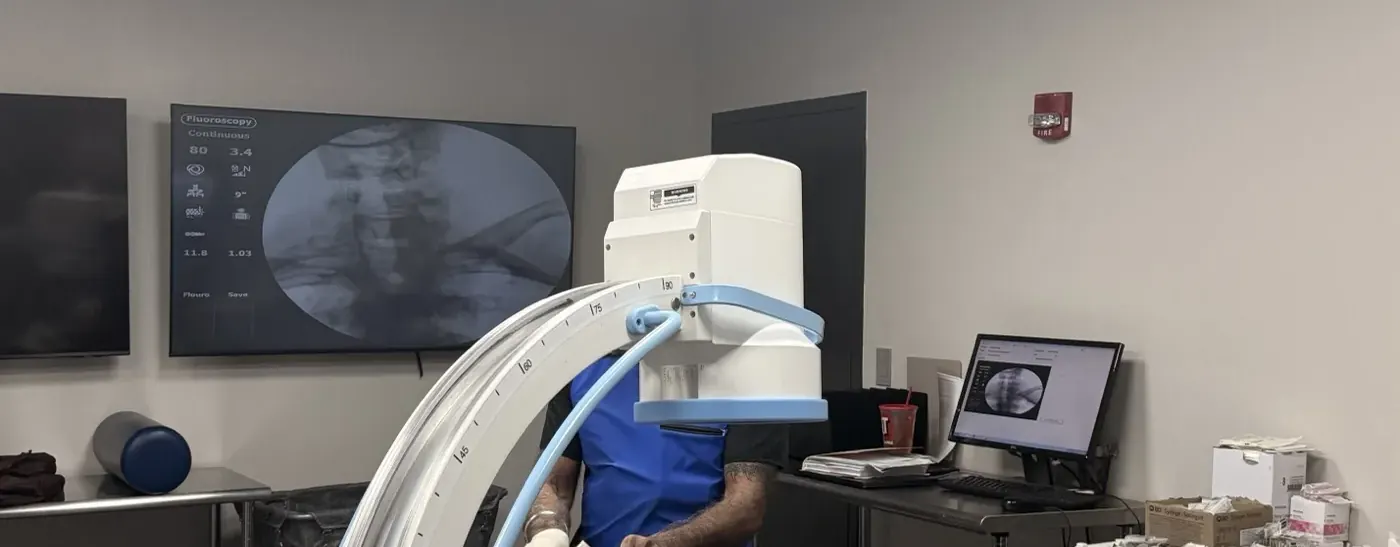

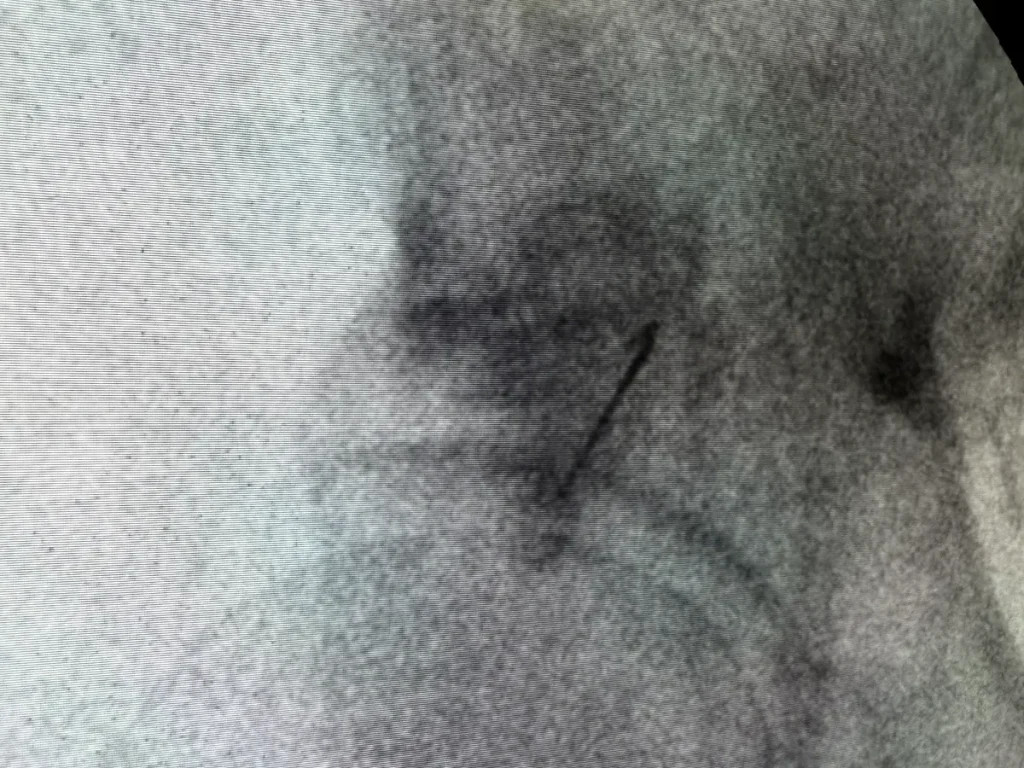
C-arm fluoroscopy imaging during an interventional pain procedure at Padda Institute, St. Louis

Lumbar sympathetic block · St. Louis

Lumbar Sympathetic Nerve Block Injection

A lumbar sympathetic nerve block numbs the sympathetic nerves on each side of the lower spine. It blocks or cuts pain in the legs and feet. It treats pain driven by those nerves. That includes Complex Regional Pain Syndrome (CRPS), sympathetically maintained pain and shingles in the lower body.

Take the first step toward relief. Complete the form, and we’ll reach out to you for a confidential discussion about your needs.

Prefer not to fill in a form?

Same-day and emergency appointments are available.

Overview

Your body has special nerves known as sympathetic nerves in your back that control blood supply and sweating to your legs and feet. These nerves can be numbed to change blood flow to a limb. That cuts the pain these nerves carry:
Reflex sympathetic dystrophy (RSD), also called Complex Regional Pain Syndrome (CRPS), usually starts with a nerve injury that involves the sympathetic nervous system. A crushed or partly damaged nerve can set off fierce burning pain. Blood supply to the injured area changes too. People with CRPS may feel odd sensations in all or part of the area. Often they are extra sensitive to touch, pressure, or temperature. Patients with severe ischemic limb pain (pain from too little blood flow) have sharp, aching pain because circulation falls short. Patients in end-stage PVD (peripheral vascular disease) have pain even at rest, with or without ulcers.

  • Severe pain (claudication and rest pain)
  • Decreased pulse in the limb
  • Abnormal skin temperature
  • Abnormal skin color
  • Non healing ulcers
  • Other trophic changes
CRPS Lumbar Block

Common types of PVD

  • Arteriosclerosis
  • Diabetic arteriosclerosis
  • Raynaud’s disease
  • Buerger’s disease

What Is The Purpose Of A Lumbar Sympathetic Nerve Block?

The Lumbar Sympathetic Nerve Block is a procedure that blocks or cuts pain in the legs and feet. That pain comes from injury or disease of the sympathetic nervous system. The lumbar sympathetic nerves sit on each side of the lumbar spine (lower back).

After an injury or illness, the sympathetic nervous system may stop working right. That causes pain. Common conditions include Complex Regional Pain Syndrome (CRPS), also known as Reflex Sympathetic Dystrophy. Others are sympathetically maintained pain and herpes zoster (shingles) in the lower body.

If the block relieves your pain, the doctor will later do a series of blocks. The goal is to break the pain cycle and give lasting relief. How many blocks you need depends on how long relief lasted between shots. Usually each shot gives more relief, for longer. If the series does not relieve your pain, a radiofrequency lesion may be done. Or a stimulator implant may need to be considered.

The Celiac Plexus Block is a type of Lumbar Sympathetic Block. It finds and treats pain carried by the sympathetic nerves of the belly, such as chronic pancreatitis.

The Ganglion Impar Block is a type of Lumbar Sympathetic Block. It finds and treats pain carried by the sympathetic nerves of the pelvis, such as interstitial cystitis or coccydynia (tailbone pain).

Lumbar Sympathetic Nerve Block

Get Relief With A Lumbar Sympathetic Nerve Block Injection

Our Lumbar Sympathetic Nerve Block gives targeted relief and brings comfort back to your life. Reach out now to schedule a visit.

What happens during a lumbar sympathetic nerve block?

The Lumbar Sympathetic Block is an outpatient procedure. You go home the same day. It is usually done in the Operating Room or a Special Procedure Room. For your safety and comfort, you are hooked up to monitors (EKG monitor, blood pressure cuff, and a blood-oxygen monitor). You lie on your stomach. No IV or sedation is used; you stay awake under local anesthetic. Your back is cleaned with antiseptic soap. Then the doctor injects numbing medicine deep into your skin and tissue. This burns for a few seconds. Once the numbing sets in, the doctor places another needle. A special X-ray machine called a fluoroscope guides it. The doctor injects a radiopaque dye (contrast solution) to make sure the needle is in the right spot. Then a small mix of numbing medicine (anesthetic) and anti-inflammatory medicine (steroid) is injected. Afterward, please stay at the Clinic until the doctor says you are ready to leave.

Will I be awake during a lumbar sympathetic block?

You do not need to be asleep for this procedure. But you will get enough medicine to keep you comfortable.

How long does a lumbar sympathetic block take?

A lumbar sympathetic block usually takes no more than 10 or 15 minutes.

What should I do before the procedure?

  • You will be getting medicine, so do not eat for four or five hours before the procedure. If you are diabetic, go over your meal and medicine schedule with your doctor.
  • You may need to stop some medicines several days before the procedure. Tell the doctor every prescription and store-bought medicine you take, including herbs and vitamins. The doctor will tell you if and when to stop them.
  • Tell the doctor if you have asthma. Tell the doctor if you ever had an allergic reaction (i.e. hives, itching, trouble breathing, any treatment that put you in the hospital) to dye from an earlier scan (CT scan, angiogram, etc). Also tell the doctor if you have had an allergic reaction to shellfish (shrimp, scallops, lobster, crab). The doctor may prescribe medicine for you to take before the procedure.
  • Tell the doctor if you get a cold, fever, or flu symptoms before your visit.

What should I expect after a lumbar sympathetic block?

  • Your legs may feel weak and/or numb for a few hours after the procedure. If so, avoid anything that needs lifting, balance and coordination.
  • Drink plenty of clear liquids afterward to help flush the dye from the kidneys.
  • Most patients drive themselves home. If your leg feels weak or numb, have someone else drive until that wears off.
  • If you feel up to it, you can go back to normal activity and work the next day.
  • If the doctor prescribes physical therapy, stick with it.
  • You may feel much better right after the shot (from the numbing medicine). But your pain may come back within a few hours. The steroid may take a few days to start working.
  • You must do physical therapy to get long-term control of symptoms.

What are the risks of a Lumbar Sympathetic Nerve Block?

  • Puncture of the abdominal organs or the lungs
  • Numbness of the legs that may last for hours
  • Temporary weakness or numbness from the neck down
  • Allergic reaction to the medication
  • Nerve damage
  • Bruising at the injection site
  • Infection at the injection site
  • Injection of medication into a blood vessel with possibility of stroke or seizure or sudden cardiac arrest
  • Post-injection flare (nerve root irritation with pain several hours after treatment, which may last days or weeks)
  • Depigmentation (a whitening of the skin)
  • Local fat atrophy (thinning of the skin)
  • Destruction of a motor or sensory nerve in the path of the needle
  • Bleeding, nerve injury, organ injury and death are rare but possible

What Our Patients Say

Individual results vary. These are unpaid patient testimonials shared with permission and are not a guarantee of outcome. See all patient stories.

Lumbar Sympathetic Block FAQs

It is a separate network of nerves running alongside the spine. It controls blood flow, sweating and some pain signals. It is different from the nerves that carry feeling and movement. That is why blocking it treats one specific kind of pain.

Most commonly complex regional pain syndrome in the leg, some types of lasting nerve pain, and pain from poor blood flow in the leg.

Warmth in the affected leg is the usual early sign. That is because blocking the sympathetic chain boosts blood flow. Skin temperature is sometimes measured before and after. Pain relief may follow over hours to days.

It varies. When the block helps, a series is often used. The spacing depends on how long each one lasts. In complex regional pain syndrome the goal is to open a window where rehab becomes possible.

The usual concerns are short-term leg weakness, a drop in blood pressure, and soreness at the shot site. It is done under image guidance to place the medicine exactly and lower those risks.

Relief comes in two stages. The numbing medicine can make you feel much better right away, but that effect may wear off within a few hours. The steroid can take a few days to start working. If the block helps, the doctor may repeat it. How many you need depends on how long relief lasted between shots. Relief usually grows longer with each one.

Most patients drive themselves home. If your leg feels weak or numb, have someone else drive until that wears off. If your legs feel weak or numb for a few hours, skip anything that needs lifting, balance or coordination. Drink plenty of clear liquids to help clear the dye. Most people return to normal activities and work the next day.

Most people feel a burning sensation for a few seconds when the numbing medicine goes into the skin. The block needle goes in only after that medicine takes effect. You do not need to be asleep, but you get enough medicine to stay comfortable. No. There is no IV sedation; you stay awake under local anesthetic. The procedure usually takes 10 to 15 minutes.

If a series of blocks does not relieve your pain, the next options are a radiofrequency lesion or a stimulator implant. Physical therapy still matters, because long-term control of symptoms depends on it. The block is meant to break the pain cycle and open a window for rehab, not to replace it.

Send A Message

Questions? Fill out the form below.

Prefer not to fill in a form?

Same-day and emergency appointments are available.

Pain Conditions We Treat​

At Padda Institute, our pain management specialists & pain specialist doctors provide you the guidance and treatments tailored to your needs. We are best at what we do; we diagnose and evaluate to determine your best treatment plan, so that you can experience chronic pain relief like never before.
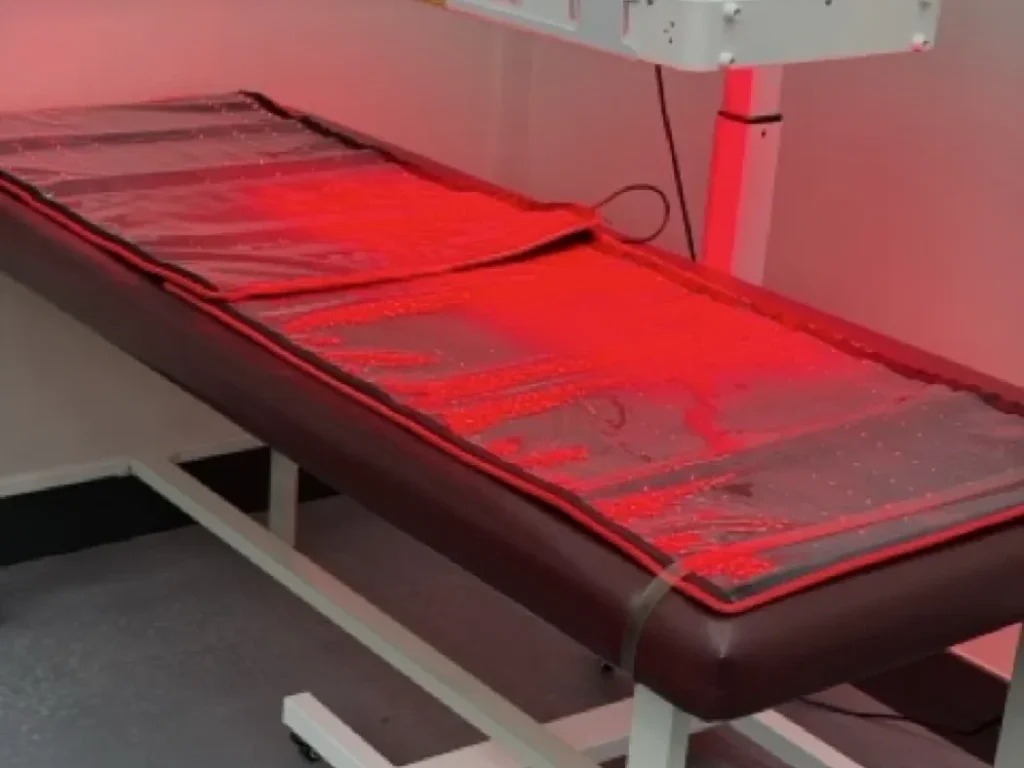
Complex Regional Pain Syndrome

Complex regional pain syndrome (CRPS), once called reflex sympathetic dystrophy, is lasting burning pain in an arm or leg after an injury or nerve damage. “Of all the…

Sciatica Nerve Pain Treatment

Sciatica mainly refers to the pain that radiates along the sciatic nerve. The sciatic nerve branches from the lower back, the hips, and the..
Diabetes And Neuropathy

Diabetic Peripheral Neuropathy (DPN) is the most common complication of diabetes, and often presents as a distal, symmetric..

Schedule NowCall (314) 481-5000