
Migraine Headaches

Migraine treatment · St. Louis

Migraine Headache Treatment

A migraine is a throbbing or pulsing headache, usually on one side of the head. It often brings nausea, vomiting and a strong dislike of light and sound. Untreated, an attack lasts 4 to 72 hours. At Padda Institute, treatment starts with finding the root cause. Then we pair the right medicines with self-care and lifestyle changes.

Take the first step toward relief. Fill out the form, and we’ll reach out for a private talk about your needs.

Prefer not to fill in a form?

Same-day and emergency appointments are available.

What is a migraine?

Most migraines hit one side of the head and cause throbbing or pulsing pain. Nausea, vomiting, and a strong dislike of light and sound often come with it. An attack can last from hours to days. The pain can be bad enough to stop your usual activities.

Some people get a warning sign called an aura before or with the headache. Medicine can ease migraine pain and prevent some migraines. The right medicine, together with self-care and lifestyle changes, may help.

At Padda Institute, our goal is to find the root cause of migraines. We review your history and exam first. We might order a test if the exam shows no neurologic warning signs, such as papilledema (swelling at the back of the eye). Talk with our specialists today.

Migraine Headache Signs & Symptoms

Migraine Headaches

Headache

Migraine Headaches

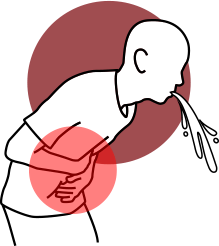
Vomiting

Migraine Headaches

Dizziness

Migraine Headaches

Blurred Vision

Migraine Headaches

Sensitivity to Weather

Neck Pain

Neck Stiffness

Aura

Some people get auras before or during migraines. Auras are nerve symptoms that go away on their own.

Examples of migraine auras include:

  • Vision changes, such as seeing odd shapes, bright spots, or flashes of light
  • Vision loss
  • A pins-and-needles feeling in an arm or leg

How long does a migraine last?

Left untreated, a migraine can last from 4 to 72 hours. How often they come varies from person to person. Migraines might hit once a month or many times a month.

You might have these symptoms during the migraine:

  • Pain usually on one side of your head, but sometimes on both sides
  • Nausea and vomiting
  • Pain that throbs or pulses
  • Being bothered by light, sound, and sometimes smell or touch

Migraine Postdrome

You may feel tired, foggy, and washed out for up to a day after a migraine. Some people feel strangely happy instead. A sudden head movement can briefly bring the pain back.

When should you see a doctor for a migraine?

Migraines go undiagnosed and poorly treated far too often. If you get them often, keep track of each attack and how you handled it. Book a visit with a specialist about your headaches.

  • See your doctor if the pattern of your headaches changes or if they feel different.
  • A sudden, severe headache, like a thunderclap.
  • Fever, stiff neck, confusion, seizures, double vision, numbness, or weakness in any part of the body. Any of these might mean a stroke.
  • A headache that won’t quit and gets worse after coughing, exercise, straining, or a sudden movement.
  • New headache pain after 50 years of age.
Migraine Headaches

Alleviate Migraine Headaches With Our Specialized Treatment

Find a life without constant migraines with our focused treatments. Reach out to book a consultation.

What causes migraines?

There is no single known cause of migraines. Genes and your surroundings may play a part. Changes in the brainstem may affect the trigeminal nerve, a major pain pathway. Imbalances in brain chemicals such as serotonin, which helps your nerves manage pain, might also play a role.
Common migraine triggers include:

  • Hormonal changes in women: Many women get headaches when their estrogen levels swing, such as before or during periods, pregnancy, or menopause.
  • Drinks: Examples are alcohol, mainly wine, and too much caffeine, such as coffee.
  • Stress: Migraines can be brought on by stress at work or at home.
  • Changes in sleep: Too little or too much sleep can cause migraines in some people.
  • Changes in the weather: A change in weather or air pressure can set off a migraine.
  • Food additives: The artificial sweetener aspartame and the preservative monosodium glutamate (MSG), found in many foods, can trigger migraines in some people.

How are migraines treated?

The goal of migraine headache therapy is to ease symptoms and stop future attacks. Do not take any medicine without your doctor’s prescription. Two types of medicine treat migraines:

  • Analgesics (pain relievers): These drugs, often called acute or abortive therapy, are given during an attack to ease symptoms.
  • Medication for prevention: These drugs are taken on a regular basis, typically daily, to make migraines less severe or less frequent.

Acute Migraine Treatment For Relief​

  • Triptans: Prescribed drugs such as rizatriptan (Maxalt, Maxalt-MLT) and sumatriptan (Imitrex, Tosymra) treat migraine because they block pain pathways in the brain. As pills, shots, or nasal sprays, they can ease many migraine symptoms. People at risk of strokes or heart attacks should not use them.
  • Dihydroergotamine (D.H.E. 45, Migranal): This drug comes as a nasal spray or a shot. It works best when taken soon after symptoms start, for migraines that tend to last longer than 24 hours. Side effects might include migraine-related nausea and vomiting.
  • Opioid Medications: Narcotic opioid drugs might help people who can’t take other migraine drugs. They are highly addictive. They are usually used only when everything else has failed.
  • Anti-nausea Medications: These help when migraine with aura comes with nausea and vomiting. Chlorpromazine, metoclopramide (Reglan), or prochlorperazine (Compro) are anti-nausea drugs. They are usually taken with pain medicine.

Migraine Experts At Padda Institute

Padda Institute has the most experienced migraine specialists working in St. Louis area. Specialists trained in nervous system disorders work together to bring the best migraine treatment we can.

What Our Patients Say

Individual results vary. These are unpaid patient testimonials shared with permission and are not a guarantee of outcome. See all patient stories.

Migraine Treatment FAQs

When preventive medicine has not worked, when attacks are coming more often, or when side effects cost you more than the headaches. Raising the dose of the same type of drug is rarely the answer.

It depends on the pattern. Options include nerve blocks aimed at the pathways involved, such as sphenopalatine ganglion block, and botulinum toxin injections for chronic migraine.

Generally, headache on fifteen or more days per month over three months, with migraine features on at least eight of those days. The label matters. It decides which treatments fit and what insurers will approve.

Not automatically. We look at what you take and how often. We check whether overusing medicine is feeding the pattern. That is common and often missed. Changes are made with care and together with your prescriber.

A record of how often you get headaches, what you have tried, at what dose, and for how long. That history shapes the plan more than anything else in the visit.

A migraine is more than a bad headache. The pain throbs or pulses, usually on one side of the head. It often brings nausea, vomiting and a strong dislike of light and sound, sometimes smell or touch too. Some people get a warning aura first. Untreated, an attack lasts 4 to 72 hours. It can be bad enough to stop your usual activities.

Acute, or abortive, medicine taken during the attack is built for relief. Triptans such as rizatriptan and sumatriptan block pain pathways in the brain. They come as pills, shots or nasal sprays. People at risk of stroke or heart attack should not use them. Dihydroergotamine works best when taken soon after symptoms start. Take nothing without your doctor's prescription.

Many can. Preventive medicine, taken on a regular basis, typically daily, makes migraines less severe and less frequent. Knowing your triggers helps too. Watch for hormone shifts, alcohol and too much caffeine, stress, too little or too much sleep, weather changes and food additives such as aspartame and MSG. Keep a record of your attacks and what you did about them.

The attack is not the end of it. For up to a day afterward, many people feel tired, foggy and washed out. This stage is called the postdrome. A few feel strangely happy instead. A sudden movement of the head can briefly bring the pain back. If your pattern changes or the headaches feel different, tell your doctor.

Send A Message

For questions, please fill out the form below.

Prefer not to fill in a form?

Same-day and emergency appointments are available.

Pain Conditions We Treat​

At Padda Institute, our pain management specialists & pain specialist doctors provide you the guidance and treatments tailored to your needs. We are best at what we do; we diagnose and evaluate to determine your best treatment plan, so that you can experience chronic pain relief like never before.
Cluster Headache Treatment

Cluster Headache is a very severe primary headache disorder. In any one year, about 0.1% of people have it.


Anxiety, PTSD and Chronic Pain

Many of our patients have suffered significant trauma, either mental or physical. It keeps their anxiety high all the time, and..
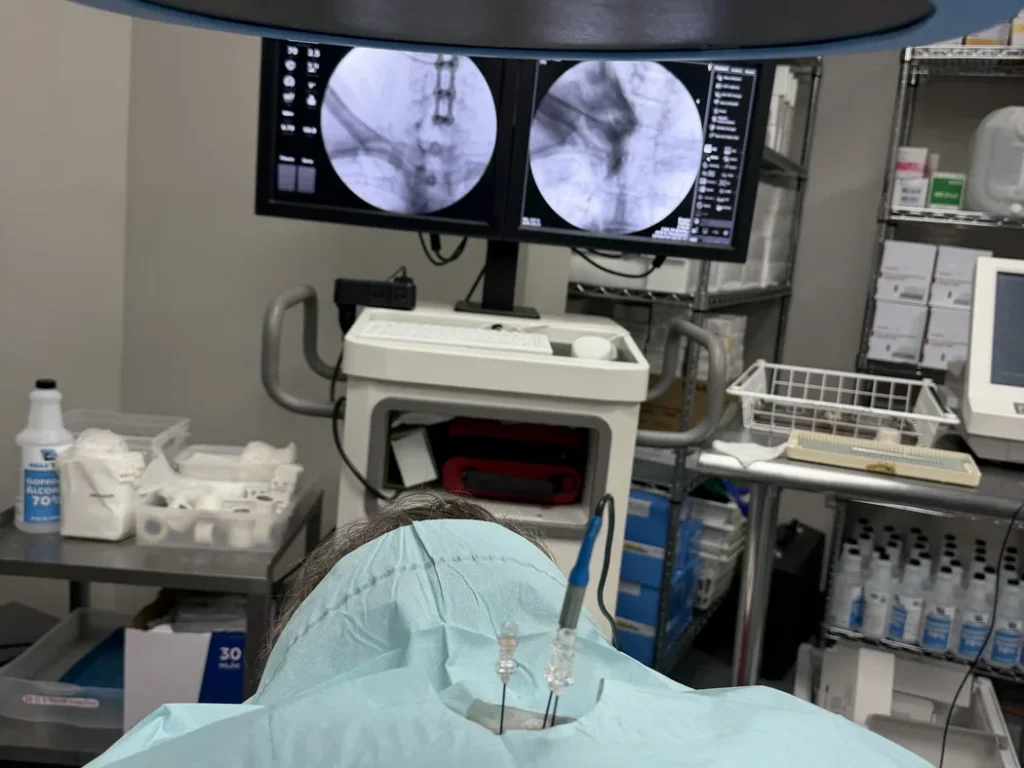
Discogram

The disks are soft, cushion-like pads that separate the hard bones of your spine. A disk may be painful when it bulges, herniates..

Schedule NowCall (314) 481-5000