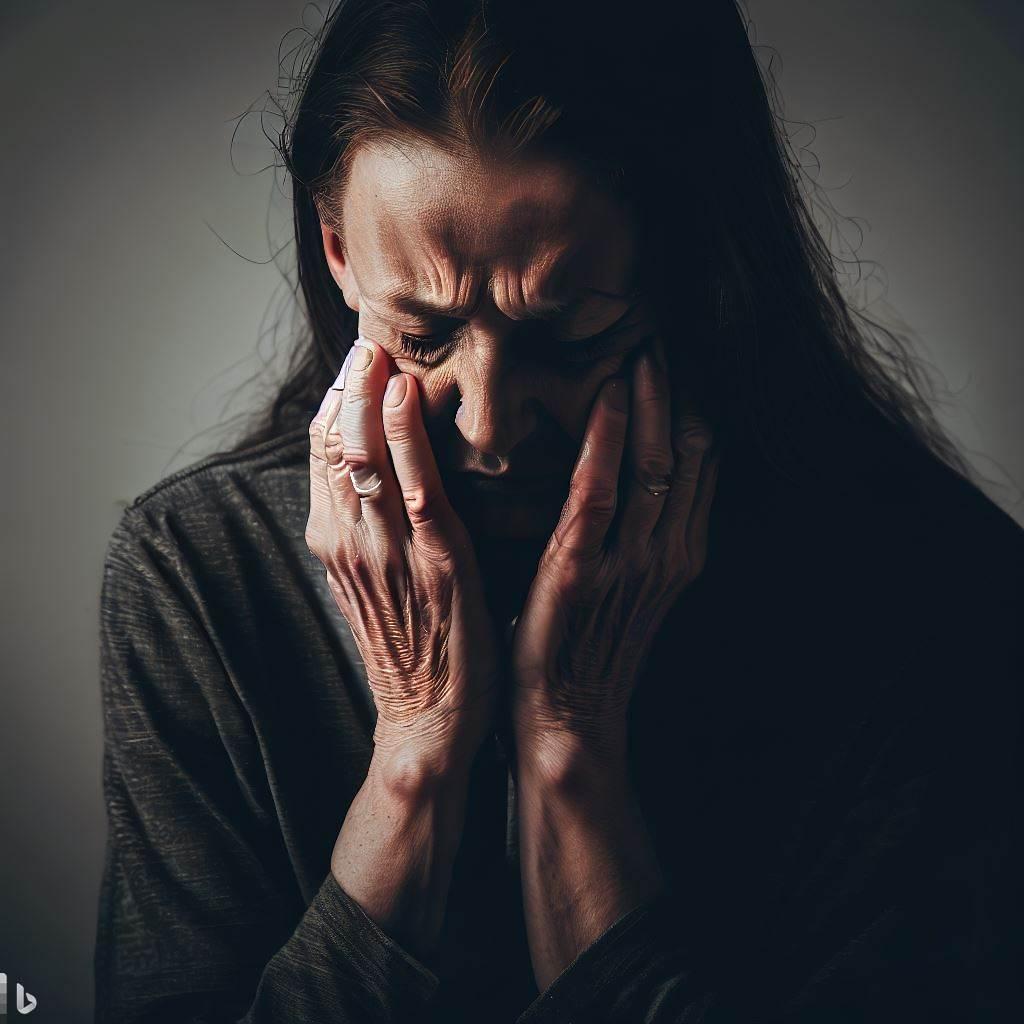
Summary: Cosmetic surgery is usually seen as safe, with few complications. So it is growing more popular among young adults. But a new Norwegian study shows that many young adults develop chronic pain after cosmetic surgery. More than 10% of patients still had pain three months after the procedure. Many of them were young men.
Cosmetic surgery is elective surgery, meaning you choose it. Sometimes it fixes a visible flaw. But most of the time, people have it to improve their looks. Yet the problems it causes are still poorly understood and under-reported. A new study in the Scandinavian Journal of Pain shows that pain after these elective surgeries is not rare (1).
Some people who have cosmetic surgery are already at risk of chronic pain, or already have it. Many of them have mood and emotional disorders. Those are known risk factors for chronic pain.
Cosmetic surgery is also growing more popular. Almost half of adults would like some kind of cosmetic procedure. In the US, more than 1.5 million adults have major cosmetic surgery each year (2). But it is unclear how many of them develop chronic pain. Knowing this matters, because these people need special care.
How common is chronic pain after cosmetic surgery?
Cosmetic surgery is growing more popular. But some parts of it are not well studied. We need to learn why people choose it. We need to learn which health problems are more common in them. And we need to learn what long-term harm it can cause.
Researchers from the University of Oslo ran this study. They surveyed 1,746 adults who had cosmetic surgery. They mainly asked about chronic pain, most of all pain that lasted after surgery.
The study had some interesting findings. It appears that about 12.6% of the patients had chronic pain. Many of them were young adults under age 30.
The study had one more interesting finding. Men were five times more likely than women to have chronic pain after cosmetic surgery. Yet most cosmetic surgery patients are women. This stands out. Chronic pain is usually more common in women, most of all those with mood and emotional problems.
Another surprise was that chronic pain was more common in younger patients. Two-thirds of all those who reported chronic pain were aged 18-29.
This study clearly shows a gap in what we know about chronic pain. People rarely think cosmetic surgery might cause chronic pain. Young men expect it even less.
Of course, this study has many limits. Still, it is an eye-opener. It looked at people who had invasive cosmetic surgery. But millions of people in the US also have minimally invasive cosmetic procedures. So we also need to know if those carry similar risks.
We also need studies on the risk factors for this kind of chronic pain. Quite likely, these people have certain factors that make them prone to it. Knowing more about this may help stop pain from becoming chronic.
Chronic pain is harder to manage. It needs a different treatment plan than short-term pain. Cosmetic surgery clinics are good at managing short-term pain. But chronic pain needs a different approach, and these patients need to see special clinics.
What should you do if pain lingers after cosmetic surgery?
Chronic pain after cosmetic surgery seems not to be rare. People having cosmetic surgery need to know these risks. Those who have this problem should get care at pain clinics with the skill to manage it well.
Frequently asked questions
How many people get chronic pain after cosmetic surgery?
More than one in ten. Researchers at the University of Oslo surveyed 1,746 adults who had cosmetic surgery. Of them, 12.6% reported chronic pain, meaning pain still there three months or more after the procedure. More than 1.5 million Americans have major cosmetic surgery each year. So that is a lot of people living with pain they did not expect.
Who is most likely to have chronic pain after cosmetic surgery?
Young adults and men. In the Norwegian study, two-thirds of the people with chronic pain were 18 to 29 years old. Men were five times more likely than women to get it. That held even though most cosmetic patients are women. People who already have mood or emotional problems, or pain before surgery, also face a higher risk.
What could be causing constant pain after surgery?
The study did not find one cause. Some people come to surgery already at risk. Many live with mood and emotional problems, which are known risk factors for chronic pain. Some already have pain. Other factors likely play a part. Once pain has lasted past three months, it is chronic pain after surgery. It needs a different approach than the short-term pain right after the operation.
Do minimally invasive cosmetic procedures cause chronic pain too?
Nobody knows yet. The Norwegian study looked only at people who had invasive cosmetic surgery. Millions of Americans also have smaller cosmetic procedures every year. Whether those carry a similar risk of lasting pain still needs its own study. If pain from any procedure is still there after three months, have it checked at a pain clinic.
References
1. Engel S, Jacobsen HB, Reme SE. Cosmetic surgery and associated chronic post-surgical pain: A cross-sectional study from Norway. Scandinavian Journal of Pain [Internet]. 2024 Jan 1 [cited 2024 May 1];24(1). Available from: https://www.degruyter.com/document/doi/10.1515/sjpain-2023-0099/html?lang=en
2. American Society of Plastic Surgeons. [cited 2024 May 1]. American Society of Plastic Surgeons Reveals 2022’s Most Sought-After Procedures. Available from: https://www.plasticsurgery.org/news/press-releases/american-society-of-plastic-surgeons-reveals-2022s-most-sought-after-procedures
Dr. Gurpreet Singh Padda, MD, MBA, MHP


