Mon–Fri: 8 AM – 5 PM
Same-Day & Emergency Visits
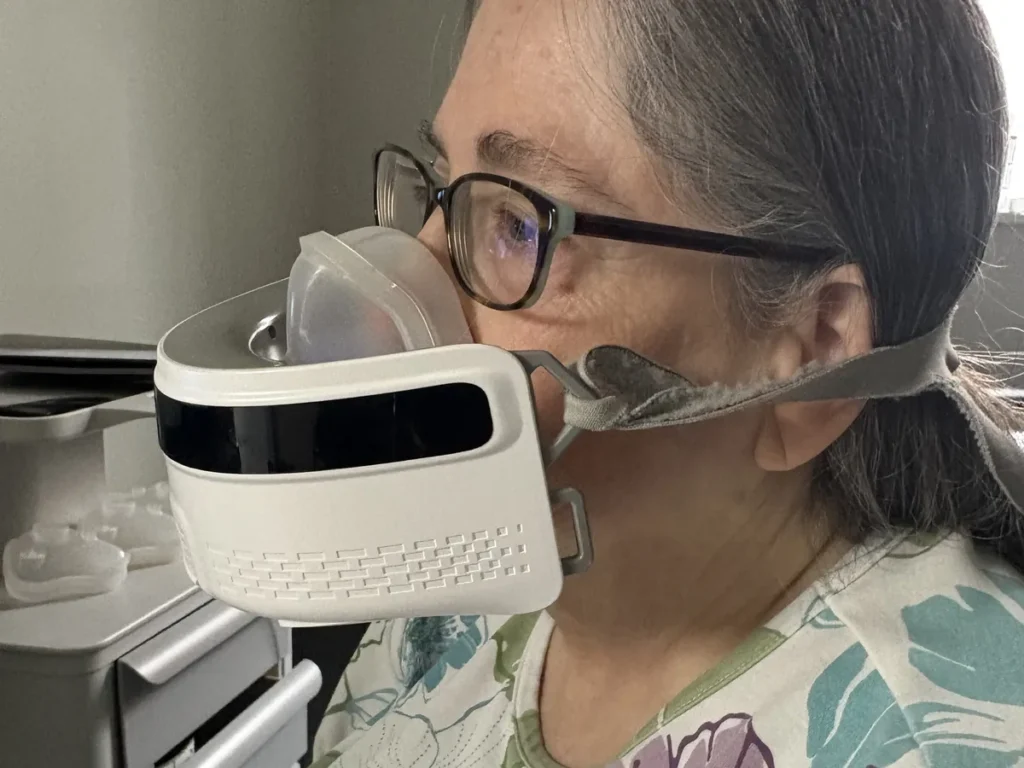
Cognivue cognitive assessment station at Padda Institute, St. Louis

Cognivue Cognitive Assessment

Objective, computerized measurement of cognition — so change can be tracked rather than estimated.

Prefer not to fill in a form?

Same-day and emergency appointments are available.

Why a pain clinic measures cognition

Chronic pain affects thinking. So does long-term opioid therapy. So does the metabolic dysfunction that frequently accompanies both. Patients describe it as brain fog, and it is one of the most common complaints we hear and one of the least often measured.

Left unmeasured, it gets argued about. A patient reports difficulty concentrating; a clinician records it as a subjective symptom; nobody knows whether it is getting better or worse. If a medication change is made, there is no way to tell whether cognition improved.

Cognivue is a computerized assessment that produces an objective score across several cognitive domains. Its value here is that it can be repeated — turning a vague complaint into a measurable trajectory.

Cognivue cognitive assessment station at Padda Institute, St. Louis

Where we use it

Most usefully as a baseline before and after a significant change: starting or tapering an opioid, adding or removing a medication with cognitive effects, or beginning metabolic treatment where improvement in cognition is one of the outcomes we expect.

It matters particularly in the context of opioid stewardship. Weaning a patient to a lower dose is easier to justify, and easier for the patient to accept, when the cognitive cost of the higher dose can be shown rather than asserted.

It is a screening and tracking tool, not a diagnostic one. It does not diagnose dementia or any specific neurological condition, and where a score raises concern the appropriate step is referral for formal neurocognitive evaluation.

What the test involves

It is a self-administered computerized assessment taking roughly ten minutes. You interact with a screen; no reading aloud, no examiner scoring you in real time, and no way to influence the result by how the examiner is feeling that day. That standardisation is the point — it is what makes the second test comparable to the first.

Results are available immediately and reviewed with you.

Measure It Rather Than Guess

If brain fog is part of your picture, baseline it. Call to arrange an assessment.

What Our Patients Say

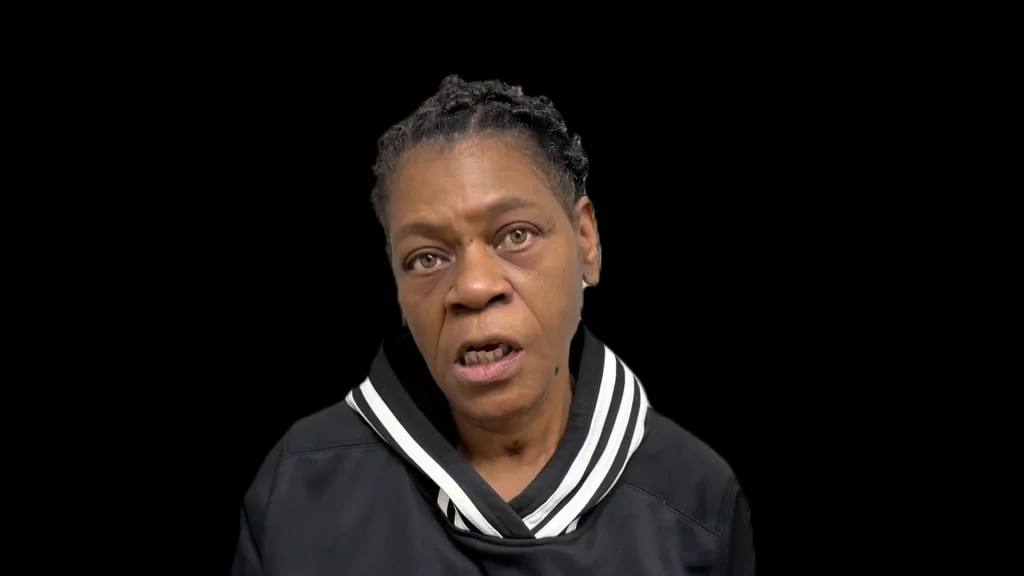
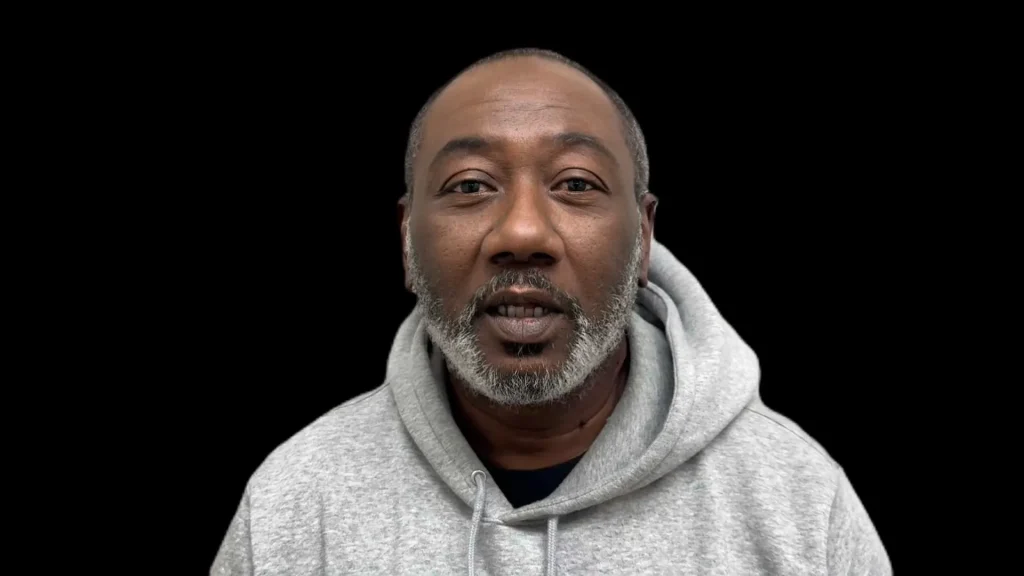
Individual results vary. These are unpaid patient testimonials shared with permission and are not a guarantee of outcome. See all patient stories.

Cognivue FAQs

About ten minutes. It is self-administered on a screen and requires no preparation.

No. It is a screening and tracking tool. Where a result raises concern, the appropriate next step is referral for formal neurocognitive evaluation.

Because chronic pain, long-term opioid therapy and metabolic dysfunction all affect cognition, and those effects influence treatment decisions. Measuring gives a baseline to compare against after a change.

It is not pass or fail. It produces a score across cognitive domains, and its main value is the comparison between one assessment and the next.

Usually, if there is a reason to — before and after an opioid taper, a medication change, or a course of metabolic treatment. A single score in isolation is far less useful than a trend.

Send A Message

For questions and concerns, please fill out the form below.

Prefer not to fill in a form?

Same-day and emergency appointments are available.

Pain Conditions We Treat

At Padda Institute, our pain management specialists provide the guidance and treatments tailored to your needs. We diagnose and evaluate to determine your best treatment plan, so that you can experience chronic pain relief like never before.

Medical Weight Loss

Physician-led weight management for patients whose pain and metabolic health are linked, combining coaching, nutrition, medication, lifestyle medicine and exercise therapy.

Anxiety, PTSD and Chronic Pain

Many of our patient’s have suffered significant trauma, either psychological or physical, which maintains a chronic high level of anxiety, and..

Lifestyle Medicine

Treating the terrain around chronic pain: sleep and circadian timing, nutrition, movement and the metabolic and inflammatory markers that decide whether tissue heals.