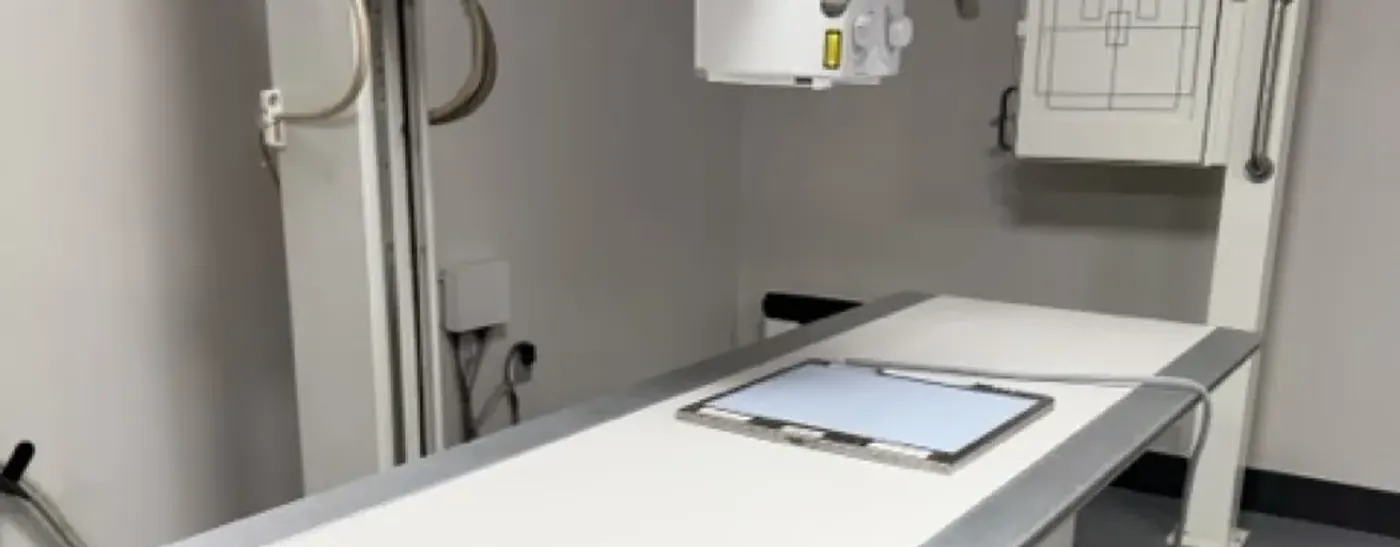
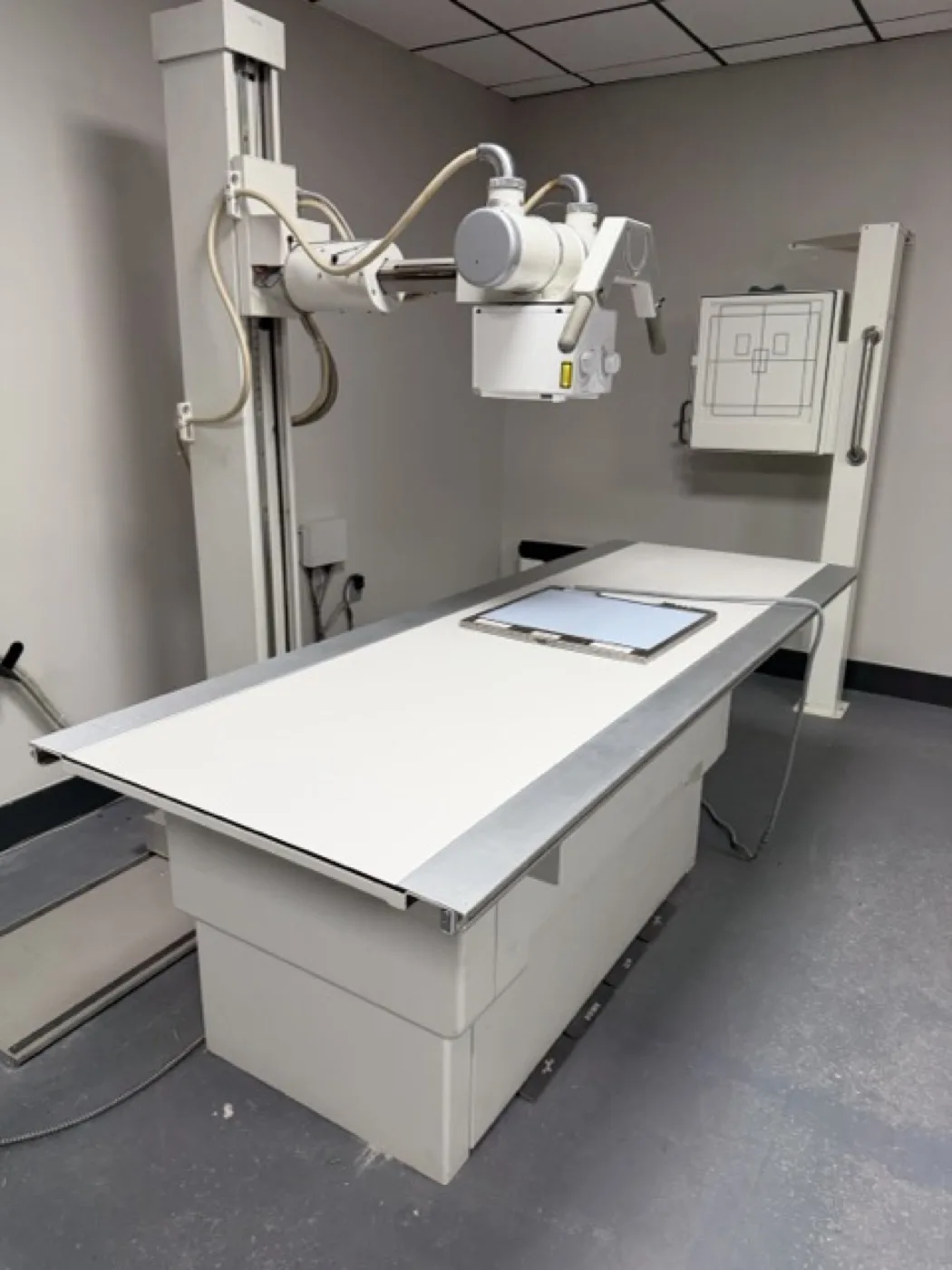



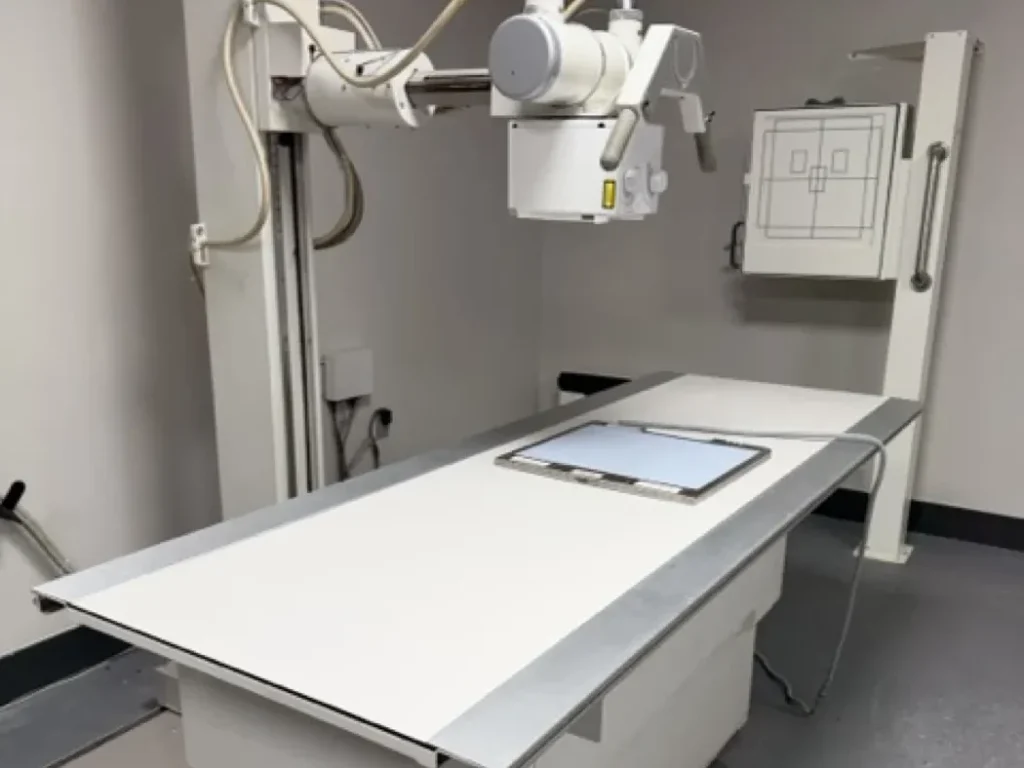
Digital whole body X-ray room at Padda Institute, St. Louis

Digital X-ray · St. Louis

Digital X-Ray at Padda Institute

Digital whole body X-ray is on-site digital imaging. Your exam and your scan happen in the same visit, not weeks apart.

Prefer not to fill in a form?

Same-day and emergency appointments are available.

Can I get an X-ray at my pain appointment?

We take digital X-rays on site. Your scan happens during your exam. You do not go to another building on another day and then wait again for someone to read it.

This is about more than saving a trip. The doctor who just examined you can look at your films in the same talk. He can match them to what the exam just found — a sore level, symptoms that change with position, a pain pattern he could bring on. A scan read alone, weeks later, loses that match completely.

Digital images are also ready at once. The contrast can be adjusted without taking the picture again. The images are stored and shared without physical film.

Digital whole body X-ray room at Padda Institute, St. Louis

Why are X-rays taken standing up?

Many spine scans are taken lying down. That works for some questions and misleads on others. That is because lying down takes away the load that causes your symptoms in the first place.

Standing and whole-body views show how you line up under load — how the spine, pelvis and legs really stack when gravity pulls on them. A short leg, a tilted pelvis and a curve the spine makes to make up for it often do not show on a lying-down scan. On a standing one they are plain to see.

This matters when your pain is mechanical and gets worse with load. The question is not how one piece of the spine looks alone. It is how load moves through the whole chain.

What can an X-ray show, and what can it miss?

X-ray shows bone well: alignment, wear and tear, fracture, spondylolisthesis (one bone slipping forward on another), hardware position and joint space. It is fast and low-dose.

It does not show soft tissue well. Discs, nerve roots, ligaments and muscle barely show up. So a normal X-ray after an injury does not mean nothing is wrong — and that matters most after a motor vehicle accident.

When a nerve may be involved, electrodiagnostic testing answers a question no picture can. It shows whether the nerve itself is working wrong, not just whether something near it looks wrong.

Evaluation and Imaging in One Visit

On-site digital X-ray means we match the findings while you are still here. Call to set up an evaluation.

What Our Patients Say

Individual results vary. These are unpaid patient testimonials shared with permission and are not a guarantee of outcome. See all patient stories.

Digital X-Ray FAQs

Not for X-ray. We take it here during your visit. MRI and CT are set up elsewhere when they are the right test.

Right away. Digital images show on the screen as they are taken. We go over them with you in the same visit.

Because load changes how you line up. Standing views show how your spine and pelvis act under gravity, and that is when your symptoms happen. Lying down takes away the very thing we are trying to study.

That is common and expected. X-ray shows bone, not soft tissue or how nerves work. If pain goes on with a normal film, the work-up moves on to nerve testing and diagnostic blocks. It does not end there.

Digital X-ray uses a low dose, much lower than CT. We take a picture when the result will change the plan, and not otherwise.

Digital means your images show on the screen right away, with no film to develop. The contrast can be adjusted on screen without taking the picture again. The images are stored and shared by computer instead of on physical film. Here, it also means the doctor who examined you goes over your images with you during the same visit, not weeks later.

X-ray is fast. Because we take it on site during your exam, there is no separate visit to another building and no wait for someone to read it later. The images show up as they are taken. Your results are matched to what the exam just found, such as a sore level or a pain pattern that changes with position.

X-ray shows bone well and soft tissue poorly. Discs, nerve roots, ligaments and muscle barely show up. So a normal X-ray after an injury, including a car accident, does not mean nothing is wrong. When we suspect a nerve problem, electrodiagnostic testing shows whether the nerve is really working wrong. No picture can answer that.

Send A Message

For questions and concerns, please fill out the form below.

Prefer not to fill in a form?

Same-day and emergency appointments are available.

Pain Conditions We Treat

At Padda Institute, our pain management specialists provide the guidance and treatments tailored to your needs. We diagnose and evaluate to determine your best treatment plan, so that you can experience chronic pain relief like never before.
Car Accidents Injuries

At Padda Institute Of Pain Management, we understand that car accidents can result in a wide range of injuries. That pain can affect your daily life.

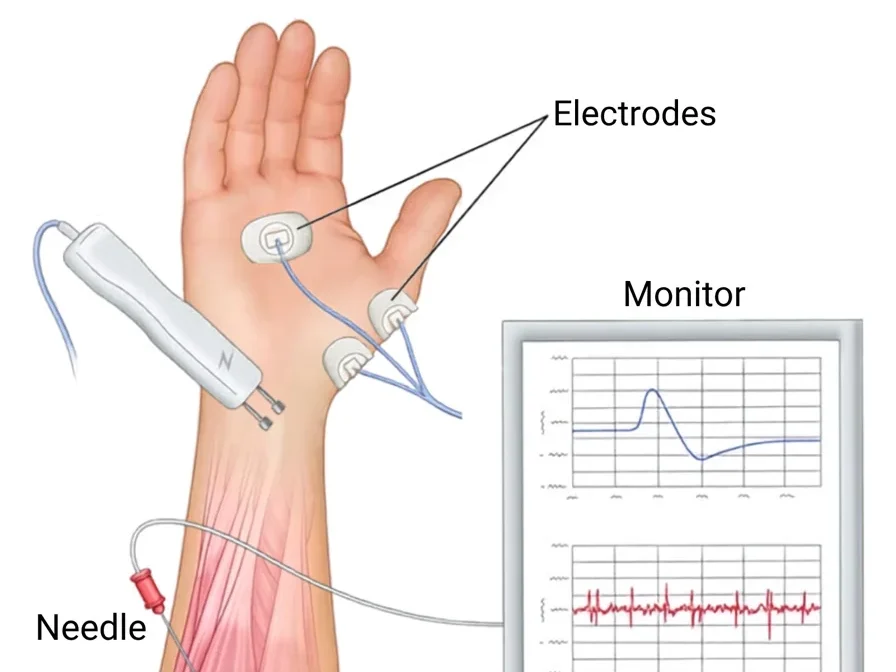
Electrodiagnostics

Electrodiagnostics (EDX) testing checks the health and function of the peripheral nervous (most cranial nerves..
Severe Head And Neck Pain

The goal of the Padda Institute Headache Section is to provide diagnosis and treatment that will help people who experience severe pain..

Schedule NowCall (314) 481-5000