Mon–Fri: 8 AM – 5 PM
Same-Day & Emergency Visits
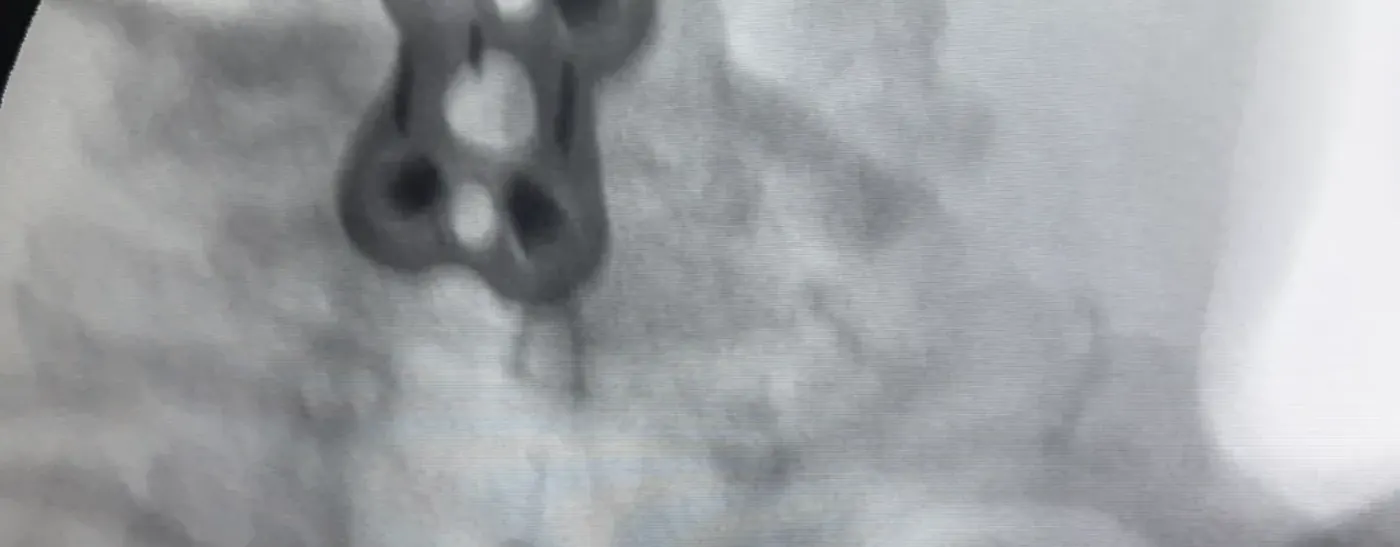
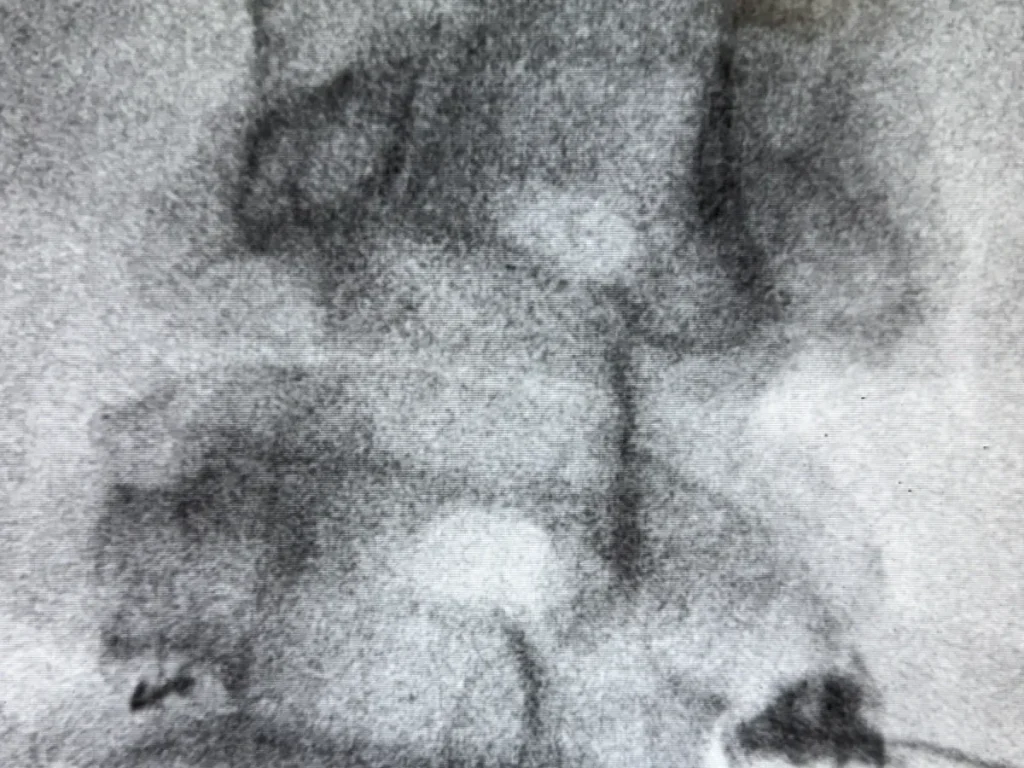
Fluoroscopic image of anterior plates and two intradiscal spacers in a failed back surgery patient at Padda Institute, St. Louis

Failed Back Surgery Syndrome

Pain that persists or returns after spine surgery almost always has an identifiable cause. Finding it is the work.

The name is misleading

Failed back surgery syndrome describes pain that persists or returns after spine surgery. The term is unfortunate, because it suggests the operation was performed badly. Usually it was not.

What more often happened is one of three things. The surgery successfully addressed a structural problem that was not, or was not solely, the source of the pain. Or it addressed the right problem and a second generator was present all along, unmasked once the first was treated. Or the surgery worked and something new developed afterwards — most commonly epidural scar tissue, or accelerated load transfer to the segments adjacent to a fusion.

All three are diagnosable. That is the point of this page: persistent post-surgical pain is not a category to be managed indefinitely with medication. It is a diagnostic problem that has usually not been finished.

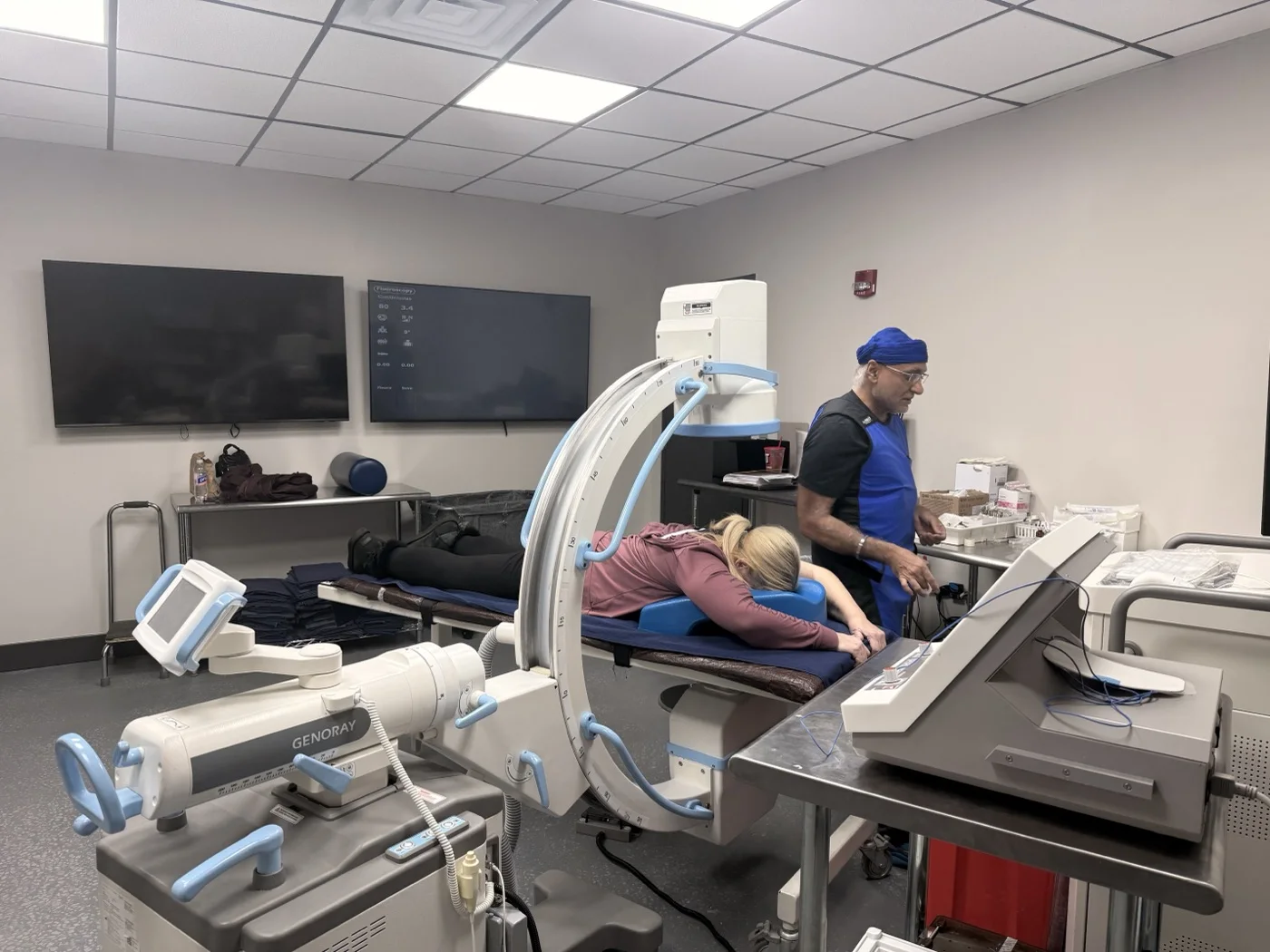
Procedures are performed in our own suite under live imaging - not a prescribing practice.
Wide view of the interventional procedure suite with C-arm fluoroscopy during a procedure at Padda Institute, St. Louis

What is actually generating the pain

Epidural fibrosis. Scar tissue forms after any epidural intervention. Where it tethers a nerve root, the nerve loses its normal ability to glide as you move, and becomes symptomatic with position and activity. This is the most common finding in leg pain that returns some months after otherwise successful decompression.

Adjacent segment change. A fused segment does not move, so the segments above and below absorb more load. Over years this accelerates degeneration at those levels, and pain returns at a location adjacent to the original surgery rather than at it.

The facet joints. Frequently the original pain was facet-mediated and the disc finding on imaging was incidental. Decompressing a disc that was never the generator leaves the actual source untouched.

The sacroiliac joint. Commonly missed, and more likely after lumbar fusion because load transfers to the pelvis. It refers pain to the buttock and posterior thigh in a pattern easily mistaken for recurrent radiculopathy.

Central sensitization. After a long period of unrelieved pain the nervous system amplifies signaling independent of the original injury. This is real and treatable, but it is a different problem requiring different treatment.

How we work it out

Imaging after spine surgery is genuinely difficult to interpret. Hardware creates artefact, post-surgical change looks abnormal in everyone, and scar is hard to distinguish from recurrent disc on a static image. Reading a post-operative MRI in isolation and treating what looks worst is how patients end up with a second operation that does not help either.

We rely more heavily on two things. Electrodiagnostic testing establishes objectively whether a nerve root is functionally affected and at which level, independent of what the images show. And diagnostic blocks answer the question directly: numb a specific structure, see whether the pain changes.

A facet block, an SI joint injection or a selective nerve root block each tests a specific hypothesis. The answers accumulate into a diagnosis.

What treatment follows

Where scar tissue is tethering a nerveepiduroplasty uses a catheter under fluoroscopic guidance to break up adhesions and deliver medication directly to the affected nerve, restoring some of its ability to move freely.

Where the facet joints are confirmedradiofrequency ablation of the medial branch nerves gives longer relief than repeated injection.

Where neuropathic pain is established and diffusespinal cord stimulation has its strongest evidence base in precisely this population. The landmark randomized comparison, Kumar and colleagues in Pain in 2007, studied stimulation against conventional medical management in failed back surgery syndrome specifically.

Where central sensitization dominates — the work is different: ketamine for refractory nerve pain, counseling, and metabolic and inflammatory treatment.

What we will not do

We will not manage this with escalating medication alone. Our approach is interventional-first, set out plainly in our opioid stewardship protocol, and long-term opioid therapy without interventional support is not something we offer.

We also will not promise that a diagnosis is always findable. Sometimes several generators contribute and no single one dominates. In that case we say so, and the goal shifts honestly from cure to function — which is a legitimate goal, but it should be arrived at after the diagnostic work, not instead of it.

Pain After Spine Surgery Is Not The End Of The Road

Most persistent post-surgical pain has a findable cause. Call to arrange an evaluation.

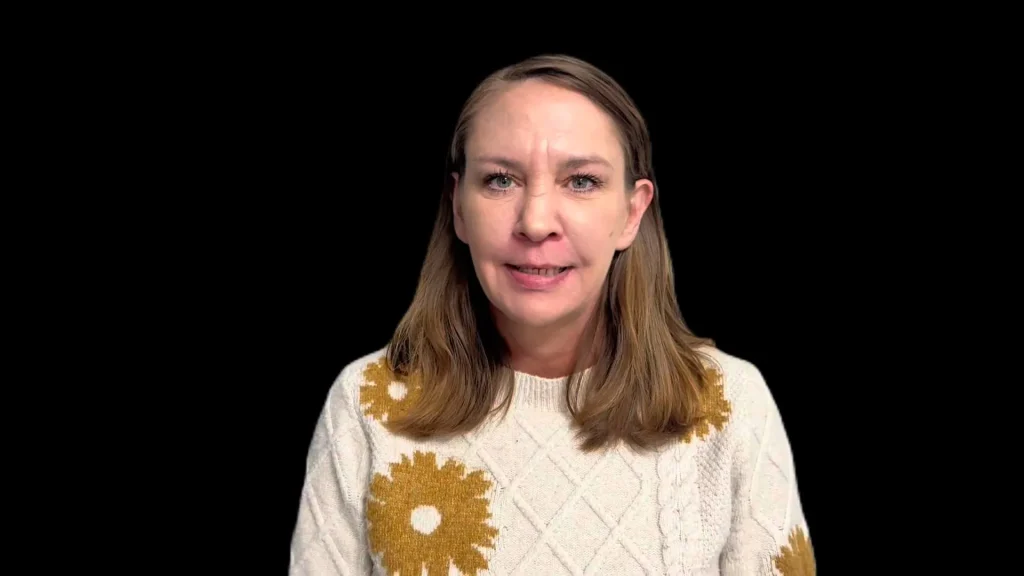
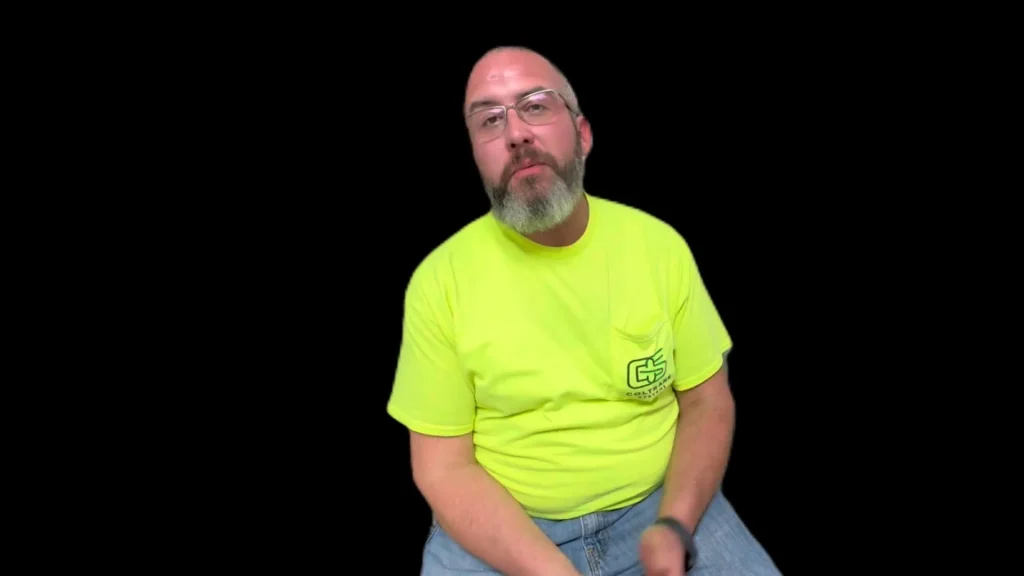
What Our Patients Say

Individual results vary. These are unpaid patient testimonials shared with permission and are not a guarantee of outcome. See all patient stories.

Failed Back Surgery Syndrome FAQs

Usually not. More often the operation correctly addressed a structural finding that was not the whole source of the pain, or a second generator was present and became apparent once the first was treated, or something developed afterwards such as scar tissue or adjacent segment change.

Frequently not. A second operation performed without identifying why the first did not relieve the pain carries a lower success rate than the first. The diagnostic work comes before that decision, not after it.

It is difficult on static imaging, which is one reason we lean on functional testing and diagnostic blocks. How the pain behaves, whether it varies with position and movement, and how it responds to a targeted block all inform the answer.

Because this is the population in which it has been studied most rigorously. The randomized evidence supporting stimulation comes substantially from trials in failed back surgery syndrome, which is why it is a well-founded option here rather than a speculative one.

No, though long-standing pain adds central sensitization to whatever the original problem was, and that component needs treating too. The diagnostic work is the same; the treatment plan simply has more than one target.

No. We do not offer medication-only management. Treatment here requires willingness to undergo procedural evaluation and treatment, and our aim is to reduce medication by treating the pain generator directly.

Send A Message

For questions and concerns, please fill out the form below.

Pain Conditions We Treat

At Padda Institute, our pain management specialists provide the guidance and treatments tailored to your needs. We diagnose and evaluate to determine your best treatment plan, so that you can experience chronic pain relief like never before.
Spinal Cord Stimulation

Spinal cord stimulation uses a small implanted device to deliver mild electrical impulses to the spinal cord, interrupting chronic nerve pain signals. Padda Institute performs SCS trials and…

Epiduroplasty (Epidural Lysis of Adhesions)

Epiduroplasty, also called epidural lysis of adhesions, uses a catheter under fluoroscopic guidance to break down scar tissue in the epidural space and deliver medication to tethered nerve…

Sacroiliac (SI) Joint Injection

A sacroiliac joint injection delivers anti-inflammatory medication into the SI joint under fluoroscopic guidance. Performed at Padda Institute in St. Louis, it both relieves lower back and buttock…