Exterior of the Padda Institute clinic at 4477 Woodson Rd, St. Louis, Missouri, at night

Ketamine for CRPS · St. Louis

Ketamine for RSD, CRPS and Refractory Nerve Pain

Ketamine blocks the NMDA receptor that turns up RSD, CRPS and stubborn nerve pain. We use it by IV drip, under the tongue or as a cream once standard care has fallen short. Fill out the form and we will reach out for a private talk.

Prefer not to fill in a form?

Same-day and emergency appointments are available.

How does ketamine work for RSD and nerve pain?

Ketamine is a non-competitive NMDA receptor antagonist. In plain terms, it blocks the NMDA receptor, a switch in the spinal cord that can turn pain up. Reflex sympathetic dystrophy (RSD) is also called complex regional pain syndrome (CRPS). In RSD and in other stubborn nerve pain, the pain signal fires over and over. That is thought to flood NMDA receptors in the spinal cord with glutamate, a nerve messenger. Over time, the volume keeps rising. That is the leading reason given for why a light touch can start to feel like an injury. It is worked out from the pattern of symptoms, not measured directly in patients. Blocking the NMDA receptor is why we consider ketamine after membrane-stabilizing medication (nerve-calming pills), sympathetic blocks and desensitization have not been enough.

At the Padda Institute Center for Interventional Pain Management we use ketamine three ways: intravenous infusion, sublingual forms that melt under the tongue, and topical cream rubbed on the painful area. For RSD and CRPS, we usually start with sublingual or topical.

The evidence does not transfer between these routes. A result from an IV study does not tell you what a cream will do. The reverse is just as true. If someone quotes an IV trial while handing you a jar of cream, those two things have little to do with each other. You should know that before you start.
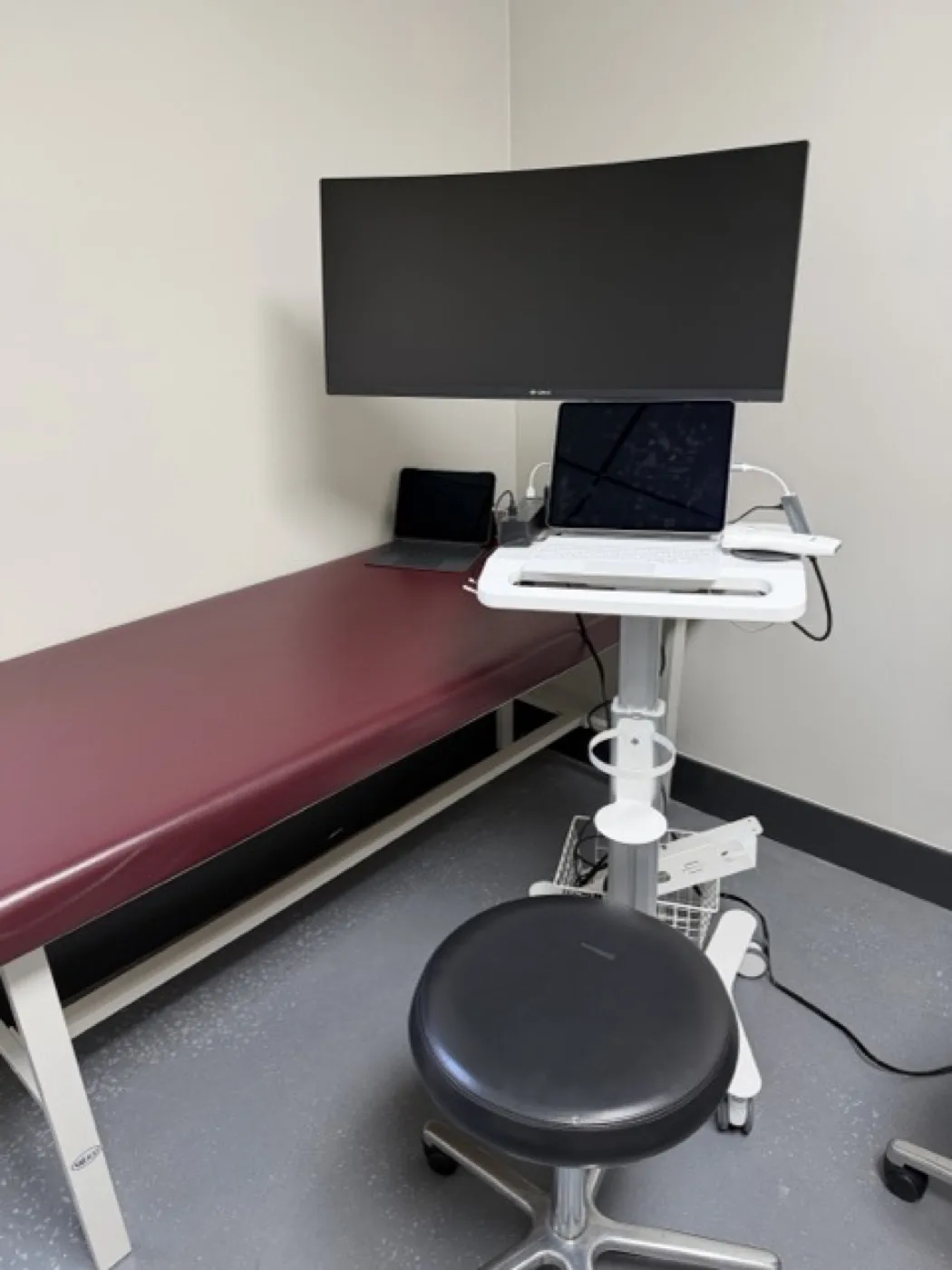
Diagnostic ultrasound cart and exam table at Padda Institute, St. Louis
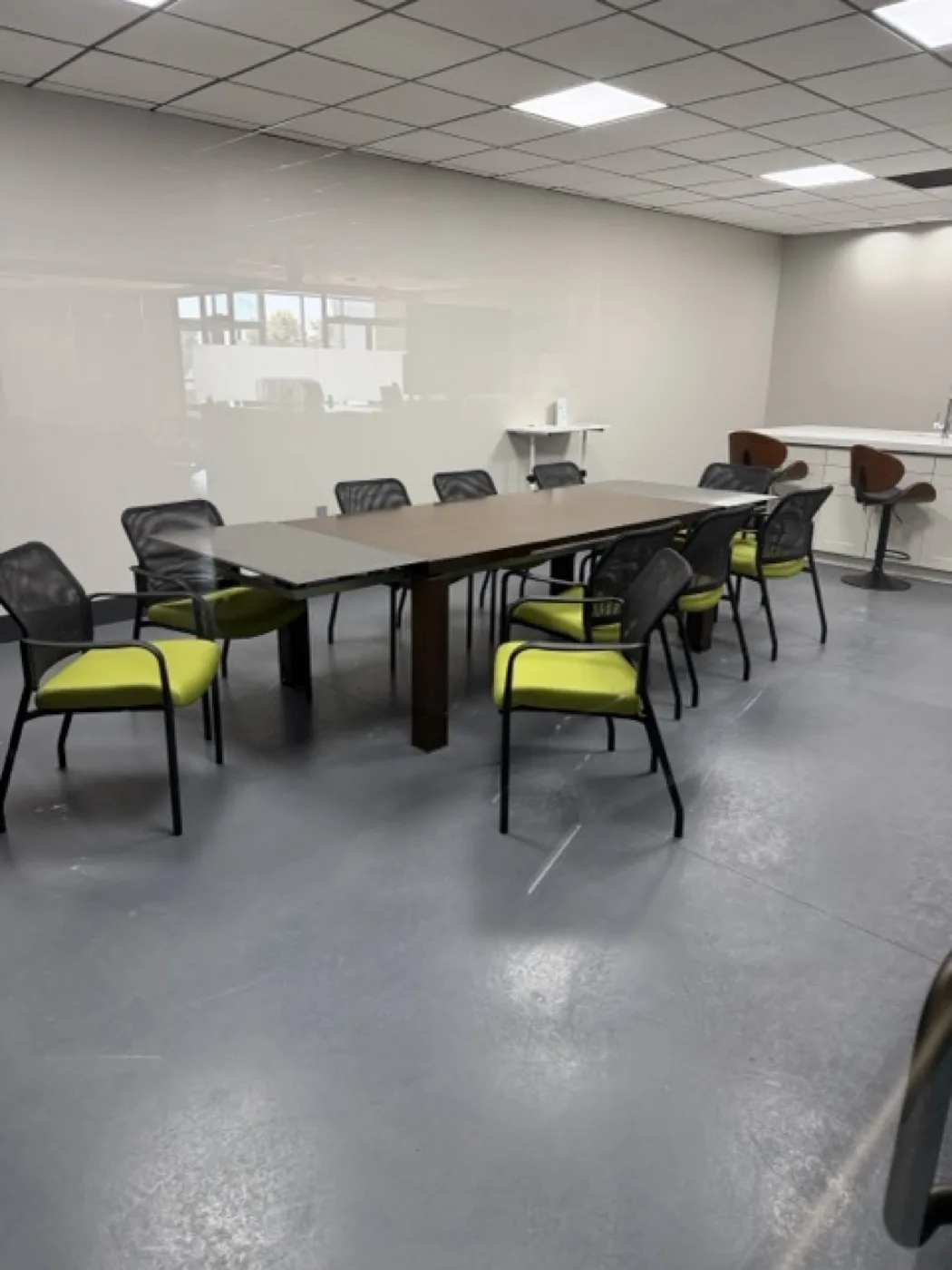
Counseling and group therapy room at Padda Institute, St. Louis

Does ketamine work for CRPS? What the research shows

Intravenous ketamine

The strongest data come from a randomized, double-blind trial of 60 patients with CRPS type 1 (Sigtermans and colleagues, Pain, 2009). A 100-hour continuous inpatient infusion of S(+)-ketamine lowered pain compared with placebo through about week 11. By week 12, the gap from placebo was gone. Two limits matter, and people rarely quote them. First, function did not improve. Only pain scores did. Second, 76 percent of patients had psychomimetic (mind-altering) side effects. That trial did not study short outpatient infusions, where you go home the same day.

Topical ketamine

The cream has its own body of research. One trial was double-blind, placebo-controlled and crossover, with 20 patients with CRPS (Finch and colleagues, Pain, 2009). In it, 10 percent ketamine cream cut brush allodynia (pain from a light brush) and punctate hyperalgesia (extra pain from a pinprick). No ketamine showed up in the blood — the effect stayed in the skin, not the whole body. Normal touch feeling did not change. No one measured how long the benefit lasts.

Sublingual ketamine

There is no controlled efficacy evidence for sublingual ketamine in these conditions. We will tell you so plainly. We use it because it is practical and easier to take than an IV drip — not because a trial has shown that it works.
Who is a candidate for ketamine for nerve pain?

  • RSD or CRPS that meets the Budapest clinical criteria, or confirmed nerve pain with allodynia (pain from a light touch)
  • Standard care has not worked well enough — membrane-stabilizing medication (nerve-calming pills), sympathetic blocks, desensitization and physical therapy
  • No health problem that makes ketamine unsafe for you (see risks below)

Ketamine is not a first step. It does not replace finishing the diagnosis. If your workup has not ruled out other treatable causes of your pain, that comes first.

What happens during ketamine treatment?

Topical cream goes on the painful area. In the trial, the effect on touch pain showed up the same day.

Sublingual forms melt under the tongue. We set the dose for each person. No trial has set a schedule we can point to.

Intravenous infusion needs screening first and close watching the whole time. We track blood pressure, pulse and oxygen level during the drip. You cannot drive afterward, and you will need someone to take you home.

How long the benefit lasts depends on the route, and the honest numbers are few. It was about eleven weeks after the multi-day hospital drip that was studied. It was same-day for the cream. No one has measured it for sublingual.

What are the side effects of ketamine?

  • Dissociation (feeling detached), vivid dreams, confusion and sleepiness
  • Nausea and vomiting
  • Higher blood pressure and heart rate
  • Poor driving, balance and coordination after a dose
  • With repeated or long use: ulcerative cystitis, a painful bladder condition that sometimes cannot be reversed, and hepatobiliary injury (damage to the liver and bile ducts)
  • Ketamine is a Schedule III controlled substance. It carries a risk of misuse and dependence

We usually avoid ketamine if you have high blood pressure that is not under control, or unstable heart or brain blood vessel disease. We also avoid it with raised pressure inside the skull or the eye, psychosis, serious liver disease, pregnancy, or current drug or alcohol use.

How Topical and Sublingual Ketamine Are Prepared

Ketamine is approved by the FDA as an anesthetic.

Topical and sublingual ketamine are compounded. A special pharmacy makes them to order from our prescription.

Joint guidance comes from the American Society of Regional Anesthesia and Pain Medicine, the American Academy of Pain Medicine and the American Society of Anesthesiologists. It notes that the evidence varies by condition and dose. It notes that most studies are small and uncontrolled. And it sets monitoring rules for IV use only.

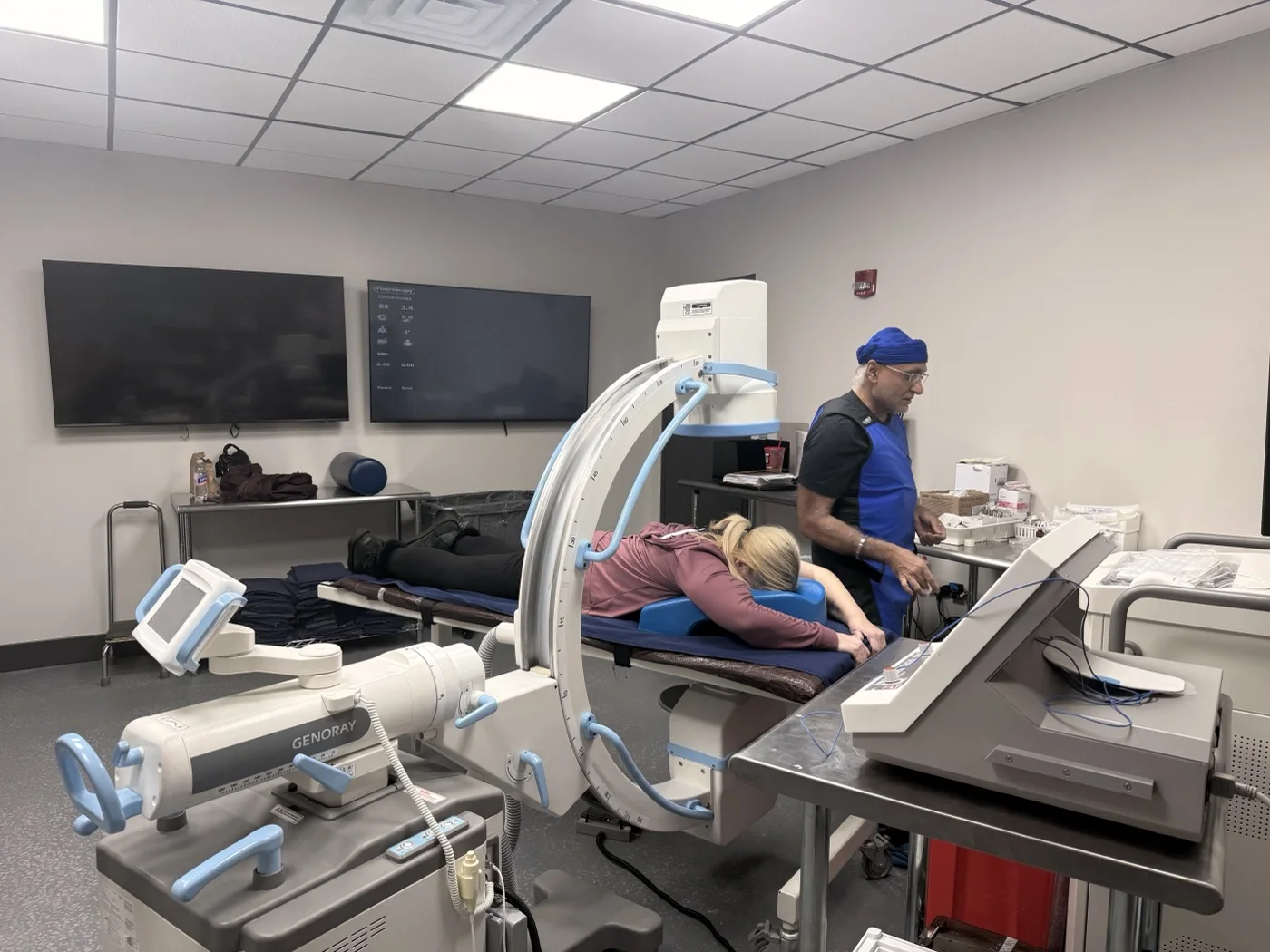
Wide view of the interventional procedure suite with C-arm fluoroscopy during a procedure at Padda Institute, St. Louis

Ask Whether Ketamine Has a Role in Your Care

Serving St. Louis, St. Louis County and St. Charles, with patients from across Missouri and Illinois. Call or text us to talk about your diagnosis and whether ketamine fits your plan.

What Our Patients Say

Individual results vary. These are unpaid patient testimonials shared with permission and are not a guarantee of outcome. See all patient stories.

Ketamine Therapy: Frequently Asked Questions

Yes. For reflex sympathetic dystrophy (RSD) and complex regional pain syndrome (CRPS) we usually start with sublingual or topical ketamine. IV drips are also available. The route we pick depends on your diagnosis, your other health problems and how past treatment worked for you.

Ketamine is FDA approved as an anesthetic. For chronic pain we prescribe it by route. A pharmacy compounds the topical and sublingual forms from our prescription. IV drips come with screening first and close watching the whole time.

It depends on the route, and the honest answer is that the data are thin. In the trial of a 100-hour hospital drip, pain relief beat placebo for about eleven weeks. For the cream, the effect on touch pain showed up the same day, and no one studied how long it lasts. For sublingual there is no controlled trial to quote.

The IV trial that showed pain relief did not show better function. That is a big limit. It is one reason we use ketamine along with desensitization, physical therapy and the rest of your plan, not in place of them.

Dissociation (feeling detached), sleepiness, vivid dreams, nausea, and higher blood pressure and heart rate. With repeated or long use, ulcerative cystitis (a bladder condition that sometimes cannot be reversed) and liver injury. Ketamine is a Schedule III controlled substance. It carries a risk of misuse and dependence. You cannot drive after a dose.

We usually avoid ketamine with high blood pressure that is not under control, or unstable heart or brain blood vessel disease. We also avoid it with raised pressure inside the skull or the eye, psychosis, serious liver disease, pregnancy, or current drug or alcohol use. We screen you before we prescribe anything.

Yes, as a sublingual form that melts under the tongue. For RSD and CRPS, we usually start with sublingual or topical ketamine. We set the dose for each person. There is no controlled trial showing sublingual ketamine works for these conditions, and we say so plainly. We use it because it is practical and easier to take than an IV drip.

No. We consider ketamine after membrane-stabilizing medication (nerve-calming pills), sympathetic blocks, desensitization and physical therapy have not been enough. It does not replace finishing the diagnosis. If your workup has not ruled out other treatable causes of your pain, that comes first, before anyone prescribes ketamine.

We screen you before the drip and watch you the whole way through. We track your blood pressure, pulse and oxygen level the entire time. Ketamine hurts driving, balance and coordination after a dose. So you cannot drive afterward, and you will need someone to take you home.

In a controlled trial of 20 patients with CRPS, a 10 percent ketamine cream cut pain from light brushing and pinprick on the skin. The effect stayed in the skin and showed up the same day. It did not show up in the blood. No one measured how long that benefit lasts.

References

  • Sigtermans MJ, van Hilten JJ, Bauer MCR, et al. Ketamine produces effective and long-term pain relief in patients with Complex Regional Pain Syndrome Type 1. Pain. 2009;145(3):304-311. PMID 19604642.
  • Finch PM, Knudsen L, Drummond PD. Reduction of allodynia in patients with complex regional pain syndrome: a double-blind placebo-controlled trial of topical ketamine. Pain. 2009;146(1-2):18-25. PMID 19703730.
  • Cohen SP, Bhatia A, Buvanendran A, et al. Consensus Guidelines on the Use of Intravenous Ketamine Infusions for Chronic Pain. Reg Anesth Pain Med. 2018;43(5):521-546. PMID 29870458.

Send A Message

For questions or concerns, fill out the form below.

Prefer not to fill in a form?

Same-day and emergency appointments are available.