Summary: It is well known that antidepressants cause sexual dysfunction. Now, one of the latest studies shows that this sexual dysfunction is mainly due to a loss of genital sensitivity. Further, it appears that this loss of genital sensitivity is persistent and more likely to affect males.
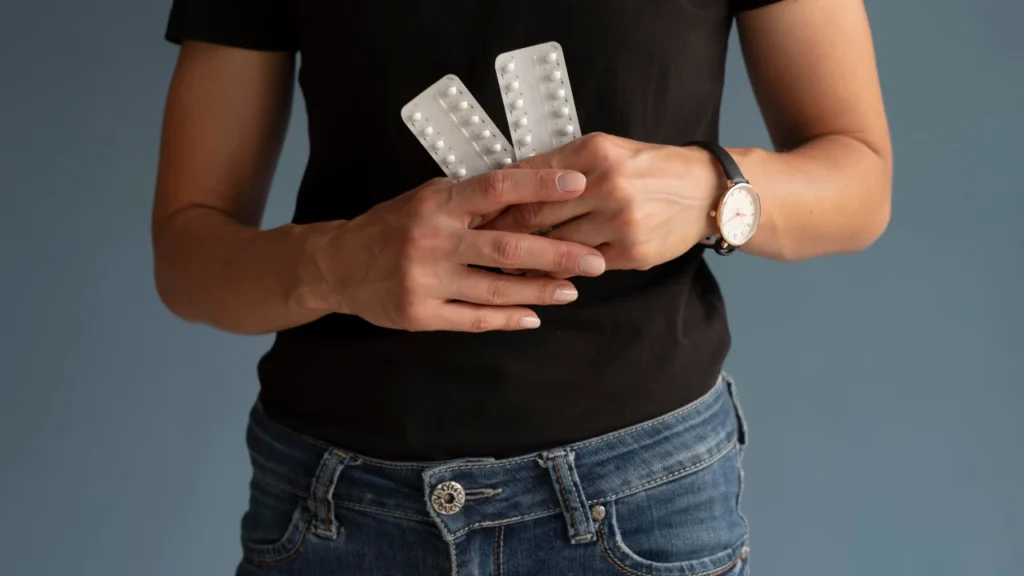
Antidepressants are used extensively these days for a range of conditions, and not just for managing depression. They are also used to manage OCD, panic attacks, chronic pain, and even certain gastrointestinal issues. Thus, they are among the most commonly used drugs. Yet, evidence favoring their widespread use is limited, and they might cause severe side effects.
At present, more than 80% of prescriptions are those of selective serotonin reuptake inhibitors (SSRIs). They are often touted as safer antidepressants. Thus, the use of fluoxetine, citalopram, sertraline, and other SSRIs is on the rise.
However, even newer antidepressants are not very safe. They are known to cause insomnia, headaches, blurred vision, muscle and joint pains, and stomach upset. They might also cause some long-lasting severe issues like changes in mental health. There is now increasing evidence that they also cause sexual dysfunction, which may be a significant concern for young adults.
Despite their widespread use and the well-established fact that they cause sexual dysfunction in many, the underlying mechanism remains unclear or poorly studied. Now, one of the latest studies shows that this sexual dysfunction due to the prolonged use of antidepressants is due to reduced genital sensitivity. What is worrisome is that this loss of sensitivity of genitals may persist for a long time, even after discontinuing the drugs.
In recent years, doctors have started realizing that sexual dysfunction due to prolonged SSRI use is often due to the so-called persistent post-treatment genital hypoesthesia (PPTGH). Simply said, many of those who have used antidepressants complain that they have stopped enjoying sex due to reduced sensation.
Of course, this issue also occurs with many other drugs used to treat mental health conditions, so the researchers compared antidepressants with other medications. They enrolled 15- to 29-year-olds in the study, surveying a total of 2,179 young people, and 574 of them reported reduced genital sensation (genital hypoesthesia).
Overall, researchers found that PPTGH was present in 13.2% of individuals who were prescribed antidepressants, compared to a 0.9% incidence of PPTGH with other medications. As one can note, the difference is massive. There is some clear evidence that antidepressants cause loss of genital sensitivity, causing sexual dysfunction.
These findings should not come entirely as a surprise since antidepressants are frequently used to manage premature ejaculation. However, what is worrisome is that antidepressants may cause some long-term changes in the body or brain, resulting in reduced genital sensation.
It is vital to understand that these issues are generally seen in males, though they may also affect females. There is a need for more extensive studies to understand how antidepressants influence sexual function in different genders.
Nevertheless, these findings are relevant as antidepressants may reduce genital sensitivity significantly, and this risk is 10 times higher in those prescribed antidepressants than those who are not prescribed these drugs.
This is something that must be kept in mind when prescribing antidepressants, and patients must also be informed about it. Especially considering that antidepressants are used widely to manage not just depression but also issues like stress, anxiety, phobias, chronic pain, and many other health issues. Consulting with chronic pain specialists is crucial to understanding the full scope of risks and benefits when using these medications.
Frequently asked questions
Can antidepressants cause genital numbness?
Yes. A 2024 survey links antidepressant use to a loss of genital sensitivity, and that loss appears to drive much of the sexual dysfunction these drugs are known for. Doctors call the lasting form persistent post-treatment genital hypoesthesia, or PPTGH. It is linked to long-term use of SSRIs, the class that includes fluoxetine, citalopram and sertraline, and it is reported more often in males, though females are affected too.
How common is lasting genital numbness after antidepressants?
In the survey behind this article, 2,179 young people aged 15 to 29, drawn from sexual and gender minority youth in Canada and the US, answered questions about genital sensation. Lasting numbness was reported by 13.2% of those who had been prescribed antidepressants, compared with 0.9% of those who took other medications. That is a large gap, and more extensive studies across other groups are still needed.
Does genital numbness go away after stopping antidepressants?
Not always. The worrying finding is that the loss of sensation can persist long after the drug is stopped, which suggests the medication may cause lasting changes in the body or brain. That is why this risk belongs in the conversation before a prescription is written, especially when an antidepressant is offered for chronic pain, anxiety or stress rather than depression.
Source:
Pirani, Y., Delgado-Ron, J. A., Marinho, P., Gupta, A., Grey, E., Watt, S., MacKinnon, K. R., & Salway, T. (2024). Frequency of self-reported persistent post-treatment genital hypoesthesia among past antidepressant users: A cross-sectional survey of sexual and gender minority youth in Canada and the US. Social Psychiatry and Psychiatric Epidemiology. https://doi.org/10.1007/s00127-024-02769-0
Dr. Gurpreet Singh Padda, MD, MBA, MHP