What this video covers
- What central sensitization means, and why the spinal NMDA wind-up model comes from animal recordings, not human measurement.
- Why only the IV infusion has controlled data, while the cream and under-the-tongue dosing this practice often starts with has never been tested against placebo.
- What the one controlled trial showed: a 100-hour inpatient S-ketamine infusion lowered pain through week 11, lost its edge at week 12, did not improve function, and caused mind-altering effects in three of four patients.
- Why a short outpatient infusion is not the treatment that was studied.
- The cream evidence: 10 percent cream cut brushing and pinprick pain in 20 patients, with blood levels too low to detect, no change in normal touch, and no lasting relief.
- MEDICAL DISCLAIMER: This content is for educational purposes only and is not medical advice. It does not substitute for professional diagnosis or treatment. Always consult a licensed healthcare provider regarding your condition. Viewing this video does not establish a doctor-patient relationship.
Ketamine for CRPS is three treatments that share one molecule: skin cream, an under-the-tongue troche (lozenge) and an IV infusion. Each route has its own evidence. Only the infusion has controlled data: a 100-hour inpatient infusion that lowered pain through week 11. The cream and under-the-tongue routes have never been tested against placebo.
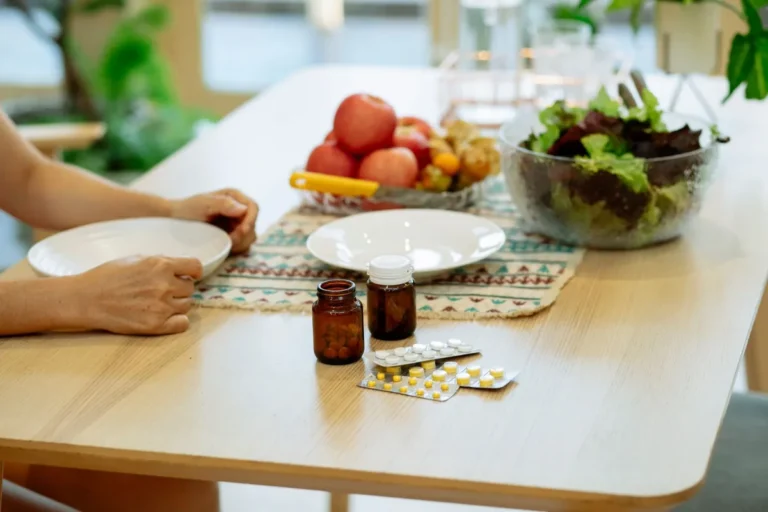
There is a jar on the kitchen counter. White cream, a pharmacy label, a strength written by hand — ten percent ketamine. Beside it sits a bottle of troches that melt under the tongue. And in the folder from the clinic is a printout of an infusion study. Nobody has told the person holding that jar a key fact. The paper on the counter and the jar on the counter have almost nothing to do with each other.
Say a limb has burned since an injury that healed. Most charts call this complex regional pain syndrome. Many patients and older records still call it reflex sympathetic dystrophy, or RSD. Ketamine will come up sooner or later. This article explains why it comes up and what the controlled evidence really shows. It also explains why that evidence is different for every route the drug can take.
What forms of ketamine are used for CRPS? Three treatments that share a molecule
Ketamine can be given three ways here: as a compounded topical cream rubbed on the painful skin, as a sublingual troche that melts under the tongue, and as an intravenous infusion. They share a molecule. They do not share the same evidence.
That matters more than it sounds. A patient is handed a jar and a bottle, then quoted an IV trial. Or booked for a short outpatient infusion and told that trial gave eleven weeks of relief. It did not. Each route has to be judged on the studies actually run on that route.
The rationale: NMDA receptors and spinal wind-up
The reason anyone reaches for an NMDA blocker in a limb like this starts in a lab animal’s spinal cord. You have a right to know that before you agree to it.
In animal studies, researchers record from dorsal horn nerve cells. This is the first relay station where pain signals from the body enter the spinal cord. Send repeated painful input at one fixed strength, and the nerve cell’s output climbs anyway. Glutamate builds up. The magnesium ion that plugs the NMDA receptor channel gets pushed out. Calcium floods in, and the system’s gain rises. That climb is called wind-up. It is part of what is broadly called central sensitization.
Two honest caveats belong with that paragraph. First, wind-up is measured with an electrode in an animal. It has not been measured in your spinal cord. It is inferred in patients — reasonably — when touch pain outlasts the injury by months and spreads past a single nerve’s territory. That is an inference, not a recording.
Second, ketamine is a non-competitive NMDA receptor antagonist: it blocks that channel. That is the whole reason for using it here. Logical is not the same as proven.
Why does CRPS make light touch so painful?
Central sensitization is why the symptom is so strange to describe and so hard for others to believe.
If the spinal relay has turned up its gain, input that should register as touch reaches the brain labeled as pain. That is allodynia — a bedsheet, a sock, a breeze from a fan, the light drag of a shirt cuff becomes unbearable. It is also why hyperalgesia shows up. A pinprick that should be a small, sharp, brief thing becomes too much and lingers.
It explains the second thing patients describe: the pain no longer follows the map. A nerve injury causes pain in that nerve’s territory. When the spinal cord itself has changed, the burning spreads past those borders. That is exactly the pattern that makes a primary care visit go in circles.
And it explains the third: why physical therapy stalls. A limb that cannot stand contact cannot be worked on. The therapy that would restore movement needs touch, and touch is the symptom.
Does ketamine work for CRPS? The evidence, route by route
Take the three routes in the order the evidence ranks them. That is not the order a clinic finds convenient.
Intravenous: where the controlled data live
Sigtermans and colleagues, publishing in Pain in 2009, randomized 60 patients with complex regional pain syndrome type 1. They had been sick for a median of over seven years. Patients got a 100-hour continuous inpatient infusion of S(+)-ketamine, dosed to each person, or placebo.
At week one, pain scored 2.7 out of 10 on ketamine against 5.5 on placebo. That gap held through week eleven and was gone at week twelve.
Now the two findings that get left out of the retelling. Treatment did not cause functional improvement — pain fell, but function did not follow. And mind-altering effects (dissociation and related mental changes) occurred in 76 percent of ketamine patients versus 18 percent on placebo. Roughly three of four felt detached from reality.
So this is where the controlled data live. But it is one randomized trial in 60 patients. And it tested one specific treatment: a hundred hours, inpatient, S(+)-ketamine, dosed to each person, monitored. The multi-society guidance discussed below is blunt. Most of the research supporting ketamine in chronic pain is small and weak in design, and this trial sits inside that research. It is the best evidence on this page, not settled evidence. And a short outpatient infusion is not the treatment that was studied. Anything shorter goes beyond what that trial tested, and should be described that way.
Topical: a separate literature, measured over a single day
Finch, Knudsen and Drummond, also in Pain in 2009, ran a double-blind, placebo-controlled crossover trial of 10 percent ketamine cream in 20 patients with CRPS.
The cream cut allodynia to light brushing and hyperalgesia to pinprick. Blood ketamine could not be detected an hour after use. So the effect was local, not body-wide. But normal touch thresholds did not change, and durability was never measured. That trial tells you about the same day. It tells you nothing about the same month.
Sublingual: no controlled efficacy evidence in this condition
Sublingual ketamine has no controlled efficacy trial in complex regional pain syndrome. When it is used, that is a practice preference, not a first choice backed by evidence. You have a right to hear it named that way before it is dispensed.
One boundary on the numbers
Every figure above was measured in complex regional pain syndrome. Maybe what you have is stubborn nerve pain without CRPS — post-herpetic neuralgia, painful diabetic neuropathy, a nerve hurt during surgery. The reasoning about how it works carries over. The eleven weeks does not. A study that did not enroll you cannot report your result.
What the usual conversation misses
None of this argues against standard care, and none of it criticizes the doctors who deliver it. Nerve-calming (membrane-stabilizing) drugs, sympathetic blocks and desensitization therapy come first. A diagnostic sympathetic block earns its place by showing whether the sympathetic system is involved at all. Ketamine comes up only in the narrow case where those steps have been tried and were not enough. That is the setting the studies on this page were run in. It is the only setting this article is about.
Three things do get missed, though. They are the reason this article exists.
The diagnosis is skipped. This diagnosis is made with the Budapest criteria and by ruling other things out. Deep vein thrombosis, cellulitis, hidden fracture, radiculopathy, trapped nerves and small fiber neuropathy all mimic it. A diagnostic sympathetic block helps show whether the sympathetic system is involved. If the name has not been earned that way, what follows is not a treatment decision. It is a guess with a controlled substance attached.
Evidence is moved between routes that never shared it. The infusion paper on the counter does not support the jar on the counter.
The preparation matters. A pharmacy mixes creams and troches to the prescription, and strength can vary by batch. And one word needs precision. The trial drug was S(+)-ketamine — that is esketamine, the same molecule as the nasal spray approved for treatment-resistant depression. Same molecule, different product, different route, different use. That approval says nothing about a painful limb.
Is ketamine safe for CRPS? Screening, side effects and monitoring
A responsible ketamine talk is mostly about screening and consent. Look at the 2018 consensus guidance from the American Society of Regional Anesthesia and Pain Medicine, with the American Academy of Pain Medicine and the American Society of Anesthesiologists. It is explicit. Benefit varies by condition and dose. Most supporting studies are small and weak in design. Side effects are relatively rare, but risk rises with higher doses and more frequent treatments. And its monitoring standards cover intravenous use only. That phrase “relatively rare” has to be read next to the infusion trial above, where mind-altering effects were not rare at all.
In practice, that means:
- Name the diagnosis first, by Budapest criteria and ruling out look-alikes, before any route is discussed.
- Screen before dosing. Heart, blood pressure, liver, mental health and substance-use screening comes first. Ketamine is not right with uncontrolled high blood pressure or unstable heart or brain blood vessel disease. It is also not right with high pressure in the skull or eye, active psychosis, serious liver disease, active substance use disorder, or in pregnancy or breastfeeding.
- Expect real side effects. Beyond feeling detached: sleepiness, dizziness, nausea, blurred vision, and a rise in blood pressure and heart rate. No driving and no legal or money decisions on a dosing day. Infusions need nonstop vital-sign monitoring, rescue equipment on hand, and an adult driver.
- Respect the controlled-substance status. Ketamine is Schedule III, with real misuse and dependence risk. Take-home troches are limited in number and covered by a written treatment agreement. A Schedule III drug in a kitchen drawer is a diversion risk whether or not anyone in the house means it to be.
- Handle the cream as a drug, not a lotion. It passes on by touch. Wash hands after every use, keep treated skin covered, and keep the jar away from children and pets. A dose that helps on your forearm is not a dose anyone else should get.
- Watch for long-term harms. Repeated or high-dose use can cause ulcerative cystitis (bladder damage) — sometimes severe and not always reversible — plus liver injury. So urinary symptoms and liver enzymes are monitored.
- Set a stop date on day one. Every trial should have a time limit, be recorded as a trial, and stop on the agreed date if it does not deliver.
For the procedure details — how each route is prepared, screened for and monitored — see the ketamine therapy page for the three routes and their monitoring requirements.
A composite picture, not one person’s chart
The following is a composite — a picture assembled from many patients with this condition, not one person’s chart. It is a practice observation, not a trial result. Individual results vary.
A limb is injured, kept still, healed on scans, and then burns for a year. Sympathetic blocks help for hours. A nerve-calming drug works at a dose that makes thinking hard. A therapist cannot start, because contact is unbearable. Treatment starts where risk is lowest: 10 percent compounded cream on the touch-sensitive skin. The patient is told, out loud and in writing, that its evidence covers a single day, not a season. A bedsheet becomes bearable. That is not a cure, and it should not be called one. But it can buy enough touch tolerance for the therapist to begin.
What deserves stress is the honest limit on that story. It is an observation from practice, not a measured result. None of the trial numbers above can be borrowed to support it. The one controlled infusion trial in this condition lowered pain and did not move function at all. And no trial shows that desensitization therapy changes the course here. The narrower claim is the true one. A limb no one can touch cannot be worked on. A limb that can be touched can be.
Frequently asked questions
Does ketamine cure CRPS or RSD?
No. In the one controlled trial in this condition, a 100-hour inpatient infusion kept pain scores below placebo through week eleven. It lost that gap at week twelve and produced no gain in function. That is real relief for a while. It is not a cure, and no route of ketamine has been shown to reverse the condition. Individual results vary.
Is ketamine cream as good as a ketamine infusion?
They are not comparable, because they were never studied against the same outcome. The cream trial measured a single day. In 20 patients, 10 percent ketamine cream cut allodynia to light brushing and hyperalgesia to pinprick. Blood levels were too low to detect, normal touch did not change, and durability was never measured. The infusion trial followed pain scores across twelve weeks. If someone quotes infusion results while handing you a jar, ask which paper the number came from. Individual results vary.
Does sublingual ketamine work for nerve pain?
There is no controlled evidence that sublingual ketamine works in complex regional pain syndrome. It is used as a practice preference, not because a trial supports it. That should be said plainly before it is prescribed. Do not start, stop, or change any medication without consulting your physician.
I have diabetic neuropathy or post-herpetic neuralgia, not CRPS. Do these numbers apply to me?
The reasoning about how it works — NMDA receptors and central sensitization — carries over. The numbers do not. Every figure cited here was measured in patients with complex regional pain syndrome. Anyone quoting you the eleven-week result for a different diagnosis is quoting a study that did not enroll you. Do not start, stop, or change any medication without consulting your physician.
What are the risks, and can I drive afterward?
Dissociation and related mental effects occurred in 76 percent of patients in the infusion trial. Sleepiness, dizziness, nausea, blurred vision, and a rise in blood pressure and heart rate are also expected. No driving and no legal or money decisions on a dosing day. Infusions need an adult driver, nonstop vital-sign monitoring, and rescue equipment. Repeated or high-dose use can cause ulcerative cystitis — sometimes severe and not always reversible — and liver injury. So urinary symptoms and liver enzymes are monitored. Ketamine is Schedule III, with real misuse and dependence risk. Do not start, stop, or change any medication without consulting your physician.
How is ketamine prescribed for CRPS?
Ketamine for complex regional pain syndrome is prescribed as a cream, a troche or an infusion. A pharmacy mixes creams and troches to the prescription, and strength can vary by batch. The trial drug, S(+)-ketamine, is the same molecule as the esketamine nasal spray approved for treatment-resistant depression. But that approval says nothing about a painful limb.
How does ketamine work for CRPS?
Ketamine blocks the NMDA receptor, a channel in the spinal cord’s pain relay. In animal studies, repeated pain input makes that relay turn up its own volume. This is called wind-up, and it is part of central sensitization. That is why touch can register as pain and the burning spreads past one nerve’s map. Blocking the channel is why ketamine is used. Wind-up is inferred in patients, not measured in them.
How long is a ketamine infusion for CRPS?
The only controlled trial in this condition used a 100-hour nonstop inpatient infusion of S(+)-ketamine, dosed to each person and monitored throughout. Pain stayed below placebo through week eleven, and the gap was gone by week twelve. A short outpatient infusion is not the treatment that was studied. So any benefit claimed for a shorter session goes beyond what that trial tested, and should be described that way.
Where can I be evaluated for this in the St. Louis area?
Padda Institute Center for Interventional Pain Management sees patients at 4477 Woodson Rd, Suite 100, St. Louis, MO 63134 — right next to St. Louis Lambert International Airport — and at 12174 Natural Bridge Rd, St. Louis, MO 63044. We serve the St. Louis region, Missouri and Illinois. Call (314) 481-5000 or text (314) 886-5902, Monday through Friday, 8:00 AM to 5:00 PM. Bring your scans and your records, and ask for the evidence by route.
Key takeaways
- Ketamine blocks the NMDA receptor tied to spinal wind-up and central sensitization. That reasoning comes from animal recordings and your symptom pattern. It is not measured in your spinal cord.
- The evidence does not carry between routes. IV holds the only controlled data in this condition: one 60-patient trial of a 100-hour inpatient infusion, relief through week eleven, no gain in function, mind-altering effects in 76 percent. The cream has a single-day sensory trial. The under-the-tongue route has none.
- Even that IV trial sits inside research the 2018 multi-society guidance calls small and weak in design. And it studied a 100-hour inpatient infusion, not the short outpatient version.
- A pharmacy mixes creams and troches. Ketamine is a Schedule III controlled substance that needs screening, monitoring and a written treatment agreement.
- The diagnosis has to be earned first — Budapest criteria plus ruling out DVT, cellulitis, hidden fracture, radiculopathy, trapped nerves and small fiber neuropathy — before any route is a treatment decision.
- If burning, swelling and temperature change have outlasted the injury that caused them, get the diagnosis named. Then ask which route the evidence really supports.
This article is educational and is not a substitute for evaluation, diagnosis, or treatment by a physician. Individual results vary. Do not start, stop, or change any medication without consulting your physician. To be evaluated at Padda Institute Center for Interventional Pain Management, call (314) 481-5000 or text (314) 886-5902.
References
- Sigtermans MJ, van Hilten JJ, Bauer MCR, Arbous SM, Marinus J, Sarton EY, Dahan A. Ketamine produces effective and long-term pain relief in patients with Complex Regional Pain Syndrome Type 1. Pain. 2009;145(3):304-311. PMID 19604642. PubMed
- Finch PM, Knudsen L, Drummond PD. Reduction of allodynia in patients with complex regional pain syndrome: a double-blind placebo-controlled trial of topical ketamine. Pain. 2009;146(1-2):18-25. PMID 19703730. PubMed
- Cohen SP, Bhatia A, Buvanendran A, Schwenk ES, Wasan AD, Hurley RW, Viscusi ER, Narouze S, Davis FN, Ritchie EC, Lubenow TR, Hooten WM. Consensus Guidelines on the Use of Intravenous Ketamine Infusions for Chronic Pain From the American Society of Regional Anesthesia and Pain Medicine, the American Academy of Pain Medicine, and the American Society of Anesthesiologists. Reg Anesth Pain Med. 2018;43(5):521-546. PMID 29870458. PubMed
Get the diagnosis before you accept the procedure
Bring your scans and your history to the Padda Institute Center for Interventional Pain Management in St. Louis. We will tell you which structure is really making your pain — and what the evidence does and does not support.
Or call or text us.
Medically reviewed by Gurpreet Singh Padda, MD, MBA, MHP — Board Certified in Anesthesiology, Pain Medicine, Interventional Pain Management, Addiction Medicine, and Obesity Medicine. Last reviewed July 2026.
Dr. Gurpreet Singh Padda, MD, MBA, MHP