Facet joints are vital for the stability and suppleness of our spine, yet when injured or worn down they can be a source of intense discomfort. In this post, we will explore the intricacies of facet joints and how damage or degeneration can cause pain, as well as discuss various diagnostic techniques and treatments for managing it. We will discuss the diagnostic process for identifying facet joint issues using advanced imaging techniques such as X-rays and MRI scans, as well as diagnostic blockage procedures. You’ll learn about conservative management methods like physical therapy approaches and commonly prescribed medications that can provide relief from facet-mediated pain. Moving forward, we will explore advanced treatment options including facet joint injections and radiofrequency ablation (RF), which have shown promising results in providing long-term relief for patients suffering from lumbar facet arthropathy. Additionally, you’ll gain insight into structural parameters within these joints such as orientation and tropism – both essential aspects to consider while diagnosing lower back pain related to facets. Lastly, we’ll take an alternative approach by examining Facet Theory’s application outside biomechanics through multidimensional data visualization. This unique perspective demonstrates the wide range of possibilities offered by understanding facets at a deeper level.
Table of Content
- Facet Joints: The Culprit Behind Your Lower Back Pain
- Anatomy and Function of Facet Joints
- What Causes Facet Joint Degeneration?
- Diagnosing Facet Joint Pain
- Imaging Techniques Used for Diagnosis (X-rays & MRI)
- Diagnostic Blockage Procedure
- Conservative Management Methods for Treating Facet Joint Pain
- Physical Therapy Approaches
- Medications Commonly Prescribed
- Advanced Treatment Options – Facet Injections and Radiofrequency Ablation (RF)
- Facet Injections: Procedure and Benefits
- Radiofrequency Ablation (RF): How It Works and Its Effectiveness
- The Importance of Structural Parameters in Facet Joints
- Facet Theory: A Unique Approach to Multidimensional Data Visualization
- What is Facet Theory?
- Applications of Facet Theory
- FAQs in Relation to Facet
- What are facet joints and their purpose?
- What is the best treatment for facet joint pain?
- What activities aggravate facet joints?
- Why is facet joint pain so bad?
- Conclusion
Facet Joints: The Culprit Behind Your Lower Back Pain
Facet joints, also known as lumbar zygapophysial joints, are the reason why your lower back hurts so much.
Anatomy and Function of Facet Joints
Facet joints are small synovial joints that allow your spine to move and bend without friction.
What Causes Facet Joint Degeneration?
- Osteoarthritis: Normal wear-and-tear processes can lead to osteoarthritis, causing inflammation and stiffness around affected areas.
- Injury: Trauma from accidents or sports injuries can damage facets, causing localized discomfort.
- Poor Posture: Chronic poor posture puts excessive strain on certain parts of your spine, exacerbating existing issues.
Understanding the anatomy and function of facet joints, as well as the causes of degeneration or damage within them, is essential for patients seeking relief from chronic low back pain. Alternative approaches like Facet Theory [1] offer valuable insights into multidimensional data visualization techniques.
Diagnosing Facet Joint Pain
Pain in the lower back can be persistent and troublesome, but pinpointing its source is key to finding an effective remedy.
Imaging Techniques Used for Diagnosis (X-rays & MRI)
Medical professionals utilize X-rays and MRI to recognize any anomalies or degenerative alterations in the facet joints. X-rays [2] provide a clear view of your spine’s bony structures, while an MRI scan offers a more detailed look at soft tissues surrounding these joints.
Diagnostic Blockage Procedure
A diagnostic blockage procedure confirms if facet joint pain is causing your symptoms by injecting an anesthetic medication into the suspected painful joint under fluoroscopic guidance. If you experience significant relief from your pain after this injection, it confirms that the targeted facet joint is responsible for your discomfort. Healthcare providers may also recommend adjuvant medications like anti-inflammatory drugs or muscle relaxants during their assessment process. These medications can help alleviate some of your symptoms temporarily while further testing takes place. The information gathered through these diagnostic methods is crucial in determining the most suitable treatment approach for your facet joint pain. Conservative management options like physical therapy may be sufficient to address your discomfort, but more advanced treatments might be necessary if your pain persists or worsens despite these efforts.
Conservative Management Methods for Treating Facet Joint Pain
When it comes to managing facet joint pain, surgery isn’t always the only option; physical therapy can be a viable alternative.
Physical Therapy Approaches
Stretching exercises increase range of motion, muscle strengthening exercises provide better support, low-impact aerobic activities promote overall fitness, and pain relief modalities like heat or cold packs can provide temporary relief.
Medications Commonly Prescribed
NSAIDs such as ibuprofen may reduce inflammation, and if these conservative treatments are ineffective, stronger pain relievers or muscle relaxants may be prescribed. Combining physical therapy with appropriate medication management can provide relief without invasive procedures, but if conservative treatments fail, more advanced options may be necessary.
Advanced Treatment Options – Facet Injections and Radiofrequency Ablation (RF)
When traditional therapies fail, targeted injections or radiofrequency ablation may be necessary to alleviate persistent pain. 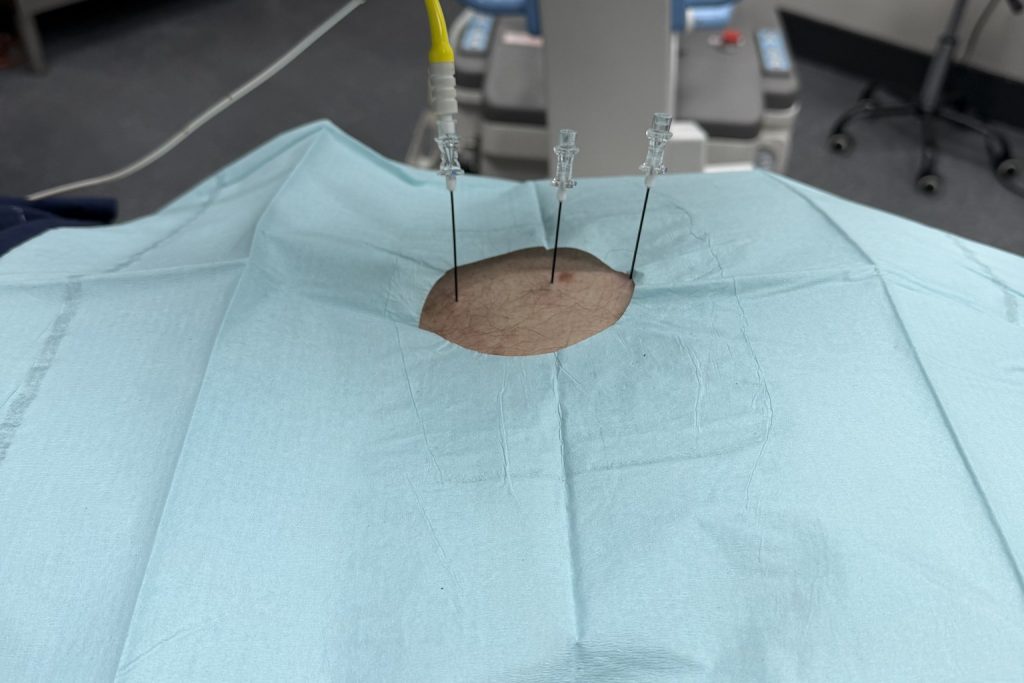
Facet Injections: Procedure and Benefits
Facet joint injections reduce inflammation and provide temporary pain relief, with some patients experiencing significant improvement after just one injection.
Radiofrequency Ablation (RF): How It Works and Its Effectiveness
RF disrupts nerve pathways responsible for carrying pain signals, providing significant relief for up to two years in some patients.[3]
- Studies show RF reduces the need for pain medications.
- RF may not target the source of discomfort, and in some cases it might need to be performed multiple times.
The Importance of Structural Parameters in Facet Joints
Understanding the orientation and tropism of lumbar facet joints is crucial in identifying their role in causing chronic low back pain. Abnormal facet joint orientations can lead to increased stress on spinal structures, resulting in an increased risk for developing lower back pain and other spine-related disorders. Facet tropism, or asymmetry between left and right facet joint angles, can cause excessive pressure on one side of the intervertebral discs, leading to chronic lower back pain symptoms over time. Research has shown that individuals with significant facet tropism may experience higher rates of lumbar disc degeneration due to uneven distribution of load across the spinal column. By understanding these structural parameters, healthcare professionals can better diagnose and treat chronic lower back pain caused by facet joint dysfunction. This knowledge also paves the way for further research into developing more effective therapies targeting specific spinal abnormalities related to facet joints.
FAQs in Relation to Facet
What are facet joints and their purpose? The purpose of facet joints, also known as zygapophyseal joints, is to provide stability and flexibility to the spine. What is the best treatment for facet joint pain? Common treatments for facet joint pain include physical therapy, medications, facet injections, and radiofrequency ablation. What activities aggravate facet joints? Heavy lifting, prolonged sitting with poor posture, high-impact sports, golfing or tennis can aggravate facet joints. Why is facet joint pain so bad? Facet joint pain can be severe due to inflammation and degeneration of cartilage between facets causing nerve irritation and increased friction during movement.
Conclusion
Facet joints are a big deal when it comes to spine pain, so it’s important to know their anatomy and function; degeneration or damage within them can lead to chronic back pain that requires diagnosis using imaging techniques such as X-rays and MRI. Don’t fret though, treatment options for facet joint pain include physical therapy, medications, injections, and radiofrequency ablation (RF) and structural parameters such as orientation and tropism also impact lower back pain. And if you’re feeling adventurous, alternative approaches like Facet Theory can be used for multidimensional data visualization outside of biomechanics.
Reference
[1]. https://www.ncbi.nlm.nih.gov/pmc/articles/PMC4799189/ [2]. https://www.spine-health.com/treatment/diagnostic-tests/getting-accurate-back-pain-diagnosis [3]. https://www.mayoclinic.org/tests-procedures/radiofrequency-neurotomy/about/pac-20394931
Related reading on painmd.tv
Cluster headaches are a debilitating and often misunderstood form of headache disorder. This condition can bring about considerable impairment in one’s life, including days missed from work and disability. In this blog post, we will delve into the intricacies of cluster headaches, including common triggers, circadian rhythm influences, and how they differ from migraines. We will also explore various acute treatment options such as medications like sumatriptan and zolmitriptan, high-flow oxygen therapy, and non-invasive vagus nerve stimulation (nVNS). Furthermore, we’ll discuss potential prevention strategies involving topiramate combined with microstimulators as well as lifestyle modifications that may help minimize exposure to known triggers. Lastly, we’ll examine the economic burden associated with living with chronic or episodic cluster headache disorders and emphasize the importance of open communication between patients and healthcare providers in managing this challenging condition.
Table of Contents:
- Cluster Headache Trigger
- Alcohol: A Headache in a Bottle
- Nitrates: The Silent Culprit
- Strong Odors: A Stinky Trigger
- Impact on Work and Disability
- Intense Pain Leads to Increased Work Absences Among Female Sufferers
- Higher Rates of Disability Linked to Cluster Headache Severity
- Acute Treatments for Cluster Headaches
- Subcutaneous Sumatriptan: The First-Line Treatment Option
- Intranasal Medications: Sumatriptan or Zolmitriptan
- High-Flow Oxygen Therapy via Non-Rebreather Masks
- Preventing Cluster Headaches
- Topiramate and Microstimulators for Headache Prevention
- The Role of Circadian Rhythms in Triggering Episodes
- Migraines vs. Cluster Headaches
- Differences between migraine triggers
- Symptoms unique to each disorder
- Treatment approaches tailored to specific conditions
- Mental Health Implications
- Impact on Mental Wellbeing
- Increased Risk for Cardiovascular Diseases
- FAQs in Relation to Cluster Headache
- What causes cluster headaches?
- How painful are cluster headaches?
- How can cluster headaches be treated?
- Why are cluster headaches so excruciating?
- What are the types of cluster headaches?
- What is hemicrania continua?
- Conclusion
Cluster Headache Triggers
Identifying and understanding the triggers of cluster headaches is crucial for managing this rare neurological disorder. Common triggers include alcohol, nitrates in food, strong odors, and changes in circadian rhythms.
Alcohol: A Headache in a Bottle
Up to 50% of people with chronic cluster headaches experience attacks after drinking alcohol, so it’s important to be aware of your personal tolerance levels and limit intake accordingly.
Nitrates: The Silent Culprit
Processed meats like hot dogs and bacon, as well as certain vegetables like spinach and beetroot, contain nitrates that have been linked to triggering cluster headaches in some cases. Consider dietary adjustments if you notice a pattern between your diet and headache occurrences. [2]
Strong Odors: A Stinky Trigger
Cigarette smoke and chemical fumes are just a couple of the potent smells that have been reported to provoke cluster headaches. Be mindful of your surroundings and avoid environments with strong odors whenever possible. [2] Understanding the triggers of cluster headaches, including chronic and episodic cluster headaches and hemicrania continua, is crucial for managing this debilitating condition and headache disorders in general.
Impact on Work and Disability
Cluster headaches can seriously affect a person’s ability to work and carry out daily activities, with women experiencing more work absences and disability than those without the condition. 
Intense Pain Leads to Increased Work Absences Among Female Sufferers
The severity of cluster headaches can make it impossible for individuals to focus or perform their job duties effectively, resulting in increased absenteeism, particularly among female sufferers. [3] Studies have shown that employers should consider implementing flexible working arrangements or accommodations for employees dealing with chronic cluster headache symptoms.
Higher Rates of Disability Linked to Cluster Headache Severity
- Hemicrania continua: Patients who experience short-lasting unilateral neuralgiform headaches with cranial autonomic symptoms may face severe detriments to their mental health due to the intensity of pain during an attack.
- Risk factors: End-organ damage caused by these episodes increases the risk of cardiovascular disease in affected individuals, further highlighting the need for comprehensive care that addresses both physical and psychological aspects when treating patients suffering from cluster headaches.
- Treatment options: To reduce disability rates among those afflicted with cluster headache disorders, healthcare providers must develop personalized treatment plans based on each patient’s unique triggers, lifestyle factors, and medical history.
This may include a combination of acute treatments, preventative measures, and mental health support to help individuals manage their condition effectively. By understanding the impact of cluster headaches on work and disability rates, patients and healthcare providers can collaborate to develop effective strategies for managing this painful neurological disorder.
Acute Treatments for Cluster Headaches
Don’t let cluster headaches ruin your day – try these evidence-based acute treatments to manage the pain.
Subcutaneous Sumatriptan: The First-Line Treatment Option
For rapid relief, subcutaneous sumatriptan is the way to go – it narrows blood vessels in the brain to alleviate headache pain. [4]
Intranasal Medications: Sumatriptan or Zolmitriptan
If injections aren’t your thing, try intranasal medications like sumatriptan or zolmitriptan – they work just as well and are administered through a nasal spray. [5]
High-Flow Oxygen Therapy via Non-Rebreather Masks
For a non-pharmacological approach, try high-flow oxygen therapy using non-rebreather masks – it can help alleviate pain by reducing blood flow to the affected area. [6] After an episode has subsided, it’s recommended that patients withdraw verapamil cautiously while maintaining their effective dose regimen. [7]
Preventing Cluster Headaches
Preventing cluster headaches can be challenging, but there are some options that may provide relief.
Topiramate and Microstimulators for Headache Prevention
Topiramate at high doses combined with microstimulators can help prevent chronic cluster headaches. [8]
The Role of Circadian Rhythms in Triggering Episodes
Recognizing the connection between episodic cluster headaches and circadian rhythms is essential for prevention efforts.
- Maintain consistent sleep habits to regulate your circadian rhythms.
- Try to keep away from bright lights near bedtime in order to decrease the chances of headaches.
- Manage stress levels with relaxation techniques like deep breathing exercises or meditation.
Understanding how certain factors like seasonal changes can trigger headache disorders like hemicrania continua may also aid in prevention efforts. [9]
Migraines vs. Cluster Headaches
Both migraines and cluster headaches are painful neurological disorders, but they differ in triggers, symptoms, and treatments.
Differences between migraine triggers
Migraines are complex and influenced by stress, smoking, diet, and genetics, while cluster headaches have specific triggers like alcohol consumption or changes in circadian rhythms.
Symptoms unique to each disorder
- Migraine: Moderate to severe throbbing pain on one side of the head with nausea, vomiting, sensitivity to light and sound.
- Cluster headache: Excruciating stabbing pain around one eye or temple area lasting 15 minutes up to three hours with redness or tearing in the affected eye and nasal congestion on that side.
Treatment approaches tailored to specific conditions
Migraine management can involve OTC meds like ibuprofen or aspirin, prescribed drugs such as triptans, and changes in lifestyle. For cluster headaches, acute treatments include subcutaneous sumatriptan injections or high-flow oxygen therapy, and preventative options may involve using topiramate at high doses combined with microstimulators. Understanding how certain factors like circadian rhythms or seasonal changes can trigger cluster headaches is also essential in prevention efforts. It’s important for patients to receive the appropriate care for their specific condition, whether it’s chronic or episodic cluster headache, migraine, or hemicrania continua.
Mental Health Implications
Cluster headaches not only affect physical health but also have significant mental health implications, leading to emotional distress, anxiety, and depression.
Impact on Mental Wellbeing
The excruciating agony of cluster headaches can be absolutely overwhelming, inducing a sense of desperation or despondency. Moreover, the unpredictability of these attacks often leads to increased stress levels as individuals worry about when their next headache will occur. It is crucial for healthcare providers to address both the physical and psychological aspects of this condition to provide comprehensive care. One helpful resource for mental health support is the National Institute of Mental Health (NIMH), which offers guidance on coping strategies and resources for those living with chronic illnesses like cluster headaches.
Increased Risk for Cardiovascular Diseases
- Hypertension: People suffering from cluster headaches are more likely to develop high blood pressure due to end-organ damage caused by frequent episodes.
- Atherosclerosis: Inflammation resulting from severe headache disorders such as hemicrania continua can contribute to plaque buildup in arteries, increasing the risk of heart disease over time.
- Elevated Stress Levels: The ongoing stress associated with managing cluster headache symptoms may exacerbate existing cardiovascular issues or increase susceptibility among otherwise healthy individuals.
It is critical for patients and healthcare providers to collaborate in devising a holistic treatment plan that accounts for both the physical discomfort and psychological distress of cluster headaches. This may include medications, lifestyle modifications, or even counseling services to help individuals cope with their condition.
FAQs in Relation to Cluster Headache
What causes cluster headaches?
The root cause of cluster headaches is unknown, but abnormal activity in the hypothalamus and genetic factors may play a role.
How painful are cluster headaches?
Cluster headaches are one of the most painful headache disorders, causing work absences and disability due to their intensity and frequency.
How can cluster headaches be treated?
Treatment options include oxygen therapy, sumatriptan injections, and preventive measures like topiramate or microstimulators.
Why are cluster headaches so excruciating?
Cluster headaches activate trigeminal nerve pathways, leading to inflammation around blood vessels near the affected area and intensifying pain signals sent to the brain.
What are the types of cluster headaches?
There are two types of cluster headaches: episodic cluster headache and chronic cluster headache.
What is hemicrania continua?
Hemicrania continua is a type of headache disorder that causes continuous pain on one side of the head and responds to indomethacin. https://player.vimeo.com/video/377206806?color&autopause=0&loop=0&muted=0&title=1&portrait=1&byline=1&autoplay=1#t=
Conclusion
- Watch out for triggers like alcohol, certain foods and medications, strong odors, and environmental factors.
- Disrupted sleep patterns can also increase vulnerability.
- Relief options include medication like sumatriptan and zolmitriptan, high-flow oxygen therapy, and nVNS.
- Make lifestyle modifications to minimize exposure to known triggers.
Don’t suffer in silence – seek help from medical professionals and take control of your cluster headaches today.
References:
[1] https://www.mayoclinic.org/diseases-conditions/cluster-headache/symptoms-causes/syc-20352080 [2] https://www.ncbi.nlm.nih.gov/pmc/articles/PMC4403058/ [3] https://www.ncbi.nlm.nih.gov/pmc/articles/PMC6651619/ [4] https://www.ncbi.nlm.nih.gov/pmc/articles/PMC3444224/ [5] https://pubmed.ncbi.nlm.nih.gov/15330820/ [6] https://jamanetwork.com/journals/jama/article-abstract/185035 [7] https://www.ncbi.nlm.nih.gov/pmc/articles/PMC5587615/ [8] https://www.ncbi.nlm.nih.gov/pmc/articles/PMC3613390/ [9] https://pubmed.ncbi.nlm.nih.gov/25142523/ [10] https://www.nimh.nih.gov/
Related reading on painmd.tv
In an active cluster bout?
A sphenopalatine ganglion block takes only a few minutes, uses no needle through the skin and no sedation, and is often used during a bout to break the cycle. The Padda Institute offers same-day and emergency visits — no referral needed, and you do not need to be an existing patient. Call (314) 481-5000 or text (314) 886-5902.
Summary: Chronic low back pain is quite common and affects most people sometimes in their life. However, it still remains challenging to treat. Thus, managing chronic low back pain requires a multidimensional approach. Additionally, doctors are also testing many other non-pharmacological approaches to managing the condition, like cognitive functional therapy (CFT). However, researchers warn that, at present, there is insufficient data to support the widespread use of such treatments. Thus, for example, one of the recent systemic reviews failed to confirm the benefits of CFT in chronic low back pain.
Low back pain is among the leading causes of chronic pain. An estimated 80% of adults will experience low back pain sometimes in their life. At any given time, 15%-30% of older adults are experiencing low back pain.
However, low back pain in many adults becomes a chronic issue, and nothing seems to help. They continue to experience low back pain for months and even years, resulting in a significant disability.
Chronic pain is challenging to treat, as it is a poorly understood condition. It is not just caused by some low back trauma or due to degenerative processes. In many cases, the cause of low back pain may not be in the spine. Thus, for example, those living with depression are more likely to experience chronic low back pain.
This explains why anti-depressants are effective in many chronic low back pain cases. Such drugs not only potentiate the activity of painkillers but also act on the central nervous system. Similarly, various psychological therapies may also help enhance the quality of life of people living with chronic low back pain.
Currently, many non-pharmacological treatments for chronic low back pain are also being popularized. However, researchers warn that many such therapies though used extensively, have not been tested in clinical studies. For example, in recent years, doctors have been increasingly using cognitive functional therapy (CFT).
Cognitive functional therapy (CFT) is an approach to managing low back pain that focuses on addressing the physical aspects of pain and the cognitive and psychosocial factors that can contribute to its persistence. CFT is a holistic and multidimensional approach that combines cognitive and behavioral strategies with movement and functional exercises.
CFT is based on the understanding that low back pain is often influenced by various factors, including beliefs, emotions, behavior, and social context, in addition to physical factors such as muscle imbalances, joint dysfunction, and movement patterns. Therefore, CFT aims to address these different factors comprehensively to achieve long-term pain relief and improved function.
In CFT, the individual’s beliefs, thoughts, and emotions about pain are considered important factors influencing their pain experience and ability to cope with it. The approach involves helping individuals identify and challenge unhelpful beliefs or thought patterns related to their pain and developing more positive and adaptive cognitive strategies. This may include education about pain science, promoting self-efficacy, and helping individuals reframe their pain perception.
CFT also involves addressing behavioral factors such as movement and activity patterns. Movement and functional exercises address physical impairments and improve functional capacity, helping individuals gradually resume their normal activities and develop healthier movement patterns. CFT emphasizes an individualized and graded approach to exercise, taking into consideration the person’s specific needs and capabilities.
Another key aspect of CFT is addressing psychosocial factors such as stress, fear, and social context. This may involve addressing stress management techniques, promoting relaxation strategies, and addressing any psychosocial barriers to recovery, such as fear avoidance behaviors or maladaptive coping strategies.
As CFT is becoming increasingly popular, doctors are spending much time learning the therapy. However, some experts are skeptical about this treatment approach to lower back pain. They say that there is insufficient evidence to support its widespread use.
Thus, recently, researchers carried out the most extensive study regarding the efficacy of CFT in low back pain. They did a comprehensive systemic review, which included 15 clinical studies. However, out of these, only five were of good quality. In this systemic review, researchers concluded that there is insufficient data to confirm the benefit of CFT in low back pain. Hence, its widespread use is unjustified until more studies are done.1
Humans have evolved to live under mild stress. However, an abundance of food is causing ill effects like a higher risk of obesity, metabolic disorders, Alzheimer’s, and more. A new study found that B-type procyanidins present in some foods like cocoa and apple may induce a mild stress response called hermetic effect through the gut-brain axis, thus boosting metabolism and reducing the risk of chronic health disorders, including chronic pain treatment.
These days people are more likely to die of non-infectious diseases like heart attack, stroke, dementia, cancer, and so on. Most of these health disorders are caused by faulty lifestyle choices like bad dietary habits and a sedentary lifestyle. However, it also means that many of these disorders can be prevented, thus prolonging life.
We live in an era of abundance; hence obesity or metabolic disorders are the primary culprits causing many health disorders, including sciatica nerve pain treatment. Metabolic disorders not only cause significant mortality, but more importantly, they cause much disability. The majority of the global population is affected by one or other metabolic or chronic health disorders. bStudies show that making even smaller lifestyle changes may significantly reduce the risk of chronic health disorders.
Thus, for example, an increased intake of fruits like apples and chocolates may increase lifespan and prevent chronic health disorders. This is because fruits are rich in polyphenols, which are potent antioxidants. However, now researchers have found that there are multiple ways in which these phytocompounds help.
It appears that some not-so-good compounds in fruits like grapes and apples, called B-type procyanidin, a kind of polyphenol, may help reduce the risk of chronic ailments and premature death. It appears that they work by inducing a so-called hermetic response1. Hormesis or hermetic effect is still a poorly understood phenomenon. Although constant stress is bad for humans, it seems that mild and intermittent stress is rather good for humans and is associated with healthy aging and longevity. This ability of mild stress to prolong life is called the hermetic effect.
Humans have evolved to be hunters and gatherers. It means that there was nothing like food security in the olden days. Hence, humans have frequently experienced stress for ages and lived without sufficient food, causing mild stress. This mild stress causes specific brain responses by influencing the nervous system. It is a kind of adaptive response that prolongs life by boosting metabolism and preventing metabolic disorders, autoimmune diseases, Parkinson’s, Alzheimer’s, and other health disorders.
However, modern humans are living much more comfortably, and specific stressors are not present. Of course, modern humans are more prone to mental stress than the stress caused by physical irritants, infections, or lack of food. But, mental stress differs from the kind of stress humans have become used to. Thus, mental stress is bad for humans, but certain stressors are rather good Now a new study shows that some bioactive compounds present in foods may also help due to hermetic effect or by inducing a hermetic response. B-type procyanidins, made of catechins, a class of polyphenols, are among such agents that can cause a hermetic reaction. Though these compounds may not do much at smaller doses or may even harm at higher dosages, however, at moderate dosages, they induce a stress response and thus benefit health.
These compounds that can induce hermetic response are present in foods like cocoa, grape seeds, red wine, and many foods. When consumed in the right amounts, they can stimulate the working of the sympathetic nervous system through stress response, thus increasing thermogenesis. Hence, these organic compounds present in many foods at the right dose may help reduce the risk of heart disease, stroke, hypertension, glucose intolerance, dyslipidemia, and more.
Researchers found that when these compounds, B-type procyanidins, were given in small amounts, they did not work. Similarly, if they were given in large amounts, they either did not work in lab mice or may even cause harm. However, when given at a moderate dose, they could significantly influence the gut-brain axis, stimulate the working of the sympathetic nervous system, increase thermogenesis, and boost metabolism, thus reducing the risk of various metabolic health disorders.
Researchers have long known that some toxic compounds, when given at the correct dose, may act as medicine instead. However, they did not know how these compounds worked. The new study shows that the activation of the hypothalamus-pituitary-adrenal (HPA) axis caused by mild stress plays a vital role in their functioning. It not only prevents metabolic disorders but is also suitable for brain health and may boost memory and cognition.
Therefore, it would be right to say that mild stress caused by certain foods and lifestyle choices like intermittent fasting may boost cognition and memory and prevent neurodegenerative disorders and metabolic disorders.
Summary: Neurodegenerative disorders like Alzheimer’s and Parkinson’s have increased significantly in the last few decades. Researchers think this rise cannot be explained solely based on genetics or population aging. It appears that environmental pollutants are playing a significant role in the rise of neurodegenerative disorders. Humans are now being regularly exposed to 80,000 chemicals, and the number is rising. There is an urgent need to study how these pollutants cause neurodegeneration and poor brain health, especially focusing on environment-gene interaction.
Understanding the cause of neurodegenerative diseases like Alzheimer’s and Parkinson’s is quite challenging. What has constantly perplexed researchers is the significant rise of these issues. Just imagine that Alzheimer’s was among rare diseases just a century back. However, now Alzheimer’s is among the leading causes of disability and death, affecting millions each year.
The risk of Alzheimer’s in some people can be explained by genetics and effect on brain health. However, there are many things that genetics cannot explain. For example, genetics cannot explain why so many people are now living with Alzheimer’s compared to just 50 years ago. It is evident that the human genetic pool has not changed much in the last 50 years.
If we look back in time, it is easy to see two things that have changed drastically in a century. These are lifestyle choices and environment1. Some health experts think that environmental changes have contributed to the rise of these issues. For example, cars were rare a century ago, there were very few polluting industries, and even farmers were not using pesticides. However, now everything is happening on a massive scale. For example, some cities now have more cars than people.
There is a reason for renewed interest in exploring the role of environmental changes in Alzheimer’s, Parkinson’s, and other neurodegenerative disorders. A new field of science called exposomics can help better understand the role of chemical exposure in disease development.
In a recent annual meeting of the American Neurological Association, 2022, the focus would be on discussing how exposome is deriving neurological disorders.
Here it is vital to understand that concerns are not just about industrial pollutants or pesticides. Chemicals are just everywhere. They are in the air, water, and even food. What is worrisome is the sheer number of chemicals that the human body, especially brain health is exposed to. Some experts estimated that there are nearly 80,000 toxic chemicals in the environment. This only highlights the severity and scale of the problem.
Understanding how chemicals increase the risk of neurodegeneration is quite challenging. One way of understanding this is by comparing the risk of neurodegeneration in people exposed to a higher level of pollutants than others. However, things are not as simple. Some people do not develop neurological conditions even when exposed to contaminants due to their genetic make.
Hence, it is vital to understand the gene-environment interaction. Further researchers noticed that it is not just about pollutants. There are severe concerns regarding the increasing use of new kinds of nanomaterials. Manufacturers study their physical properties and introduce them to the industry. However, it is really concerning that we know very little about how these nanomaterials may interact with the human body. There are almost no studies regarding their safety in humans. Thus, the industry may be solving its problem, but at the same time, it might be creating other issues.
It is very clear that the rise of neurodegenerative brain diseases like Alzheimer’s and Parkinson’s cannot be explained by genetics or the aging population. Instead, there is something more sinister happening in the background. Exposure to different chemicals is not just high, it is rising at an alarming pace.
Of course, doctors have long known the role of environmental factors in disease development. They have traditionally asked their patients about where they work and live to assess the risk. However, even after identifying the risk factors, there isn’t much that doctors can do except react to these issues. It means that there is a need for more research into the subject and an urgency to educate the people and society and make significant changes.
The Bottom Line
The Padda Institute of Pain management takes the lead with a proven record in chronic pain treatment. Whether you have a prolonged migraine headache or any other chronic pain, our cluster headache specialists offer unique treatments to ensure overall relief.
Autoimmunity and Arachnoiditis
Autoimmune disorders are conditions when immunity starts acting against the body’s structures. What causes autoimmunity remains poorly understood. However, studies suggest that Epstein Barr Virus infection may play a significant role in autoimmunity. It appears that in those diagnosed with chronic autoimmune diseases, EBV is activated, which ultimately causes autoimmunity. Researchers have found that EBV and resulting autoimmunity even play a role in adhesive arachnoiditis.
Autoimmune disorders are complex to manage since, in these disorders body’s immunity which must protect various organs, instead starts attacking them. Therefore, such disorders are challenging to treat, as suppressing immunity is the only way to manage them. But, unfortunately, altering immune responses is still not entirely possible. This makes it difficult for the doctors to carry out treatments for migraine headache relief as well as chronic pain treatment.
Moreover, researchers want to understand the cause of autoimmune disorders. They want to understand why immunity starts behaving in this way in some people. Unfortunately, genetics cannot fully explain the risk of chronic autoimmune diseases. Researchers have long suspected that certain viruses increase the risk of autoimmune disorders and even some cancers.
Some new studies suggest that Epstein Barr Virus (EBV), a virus belonging to the herpes family, which is present in the body of most people, becomes suddenly active in some individuals for reasons poorly understood. Furthermore, this sudden EBV activation apparently causes an immune response, which also increases the risk of autoimmune disorders.
Researchers now call this phenomenon “EBV autoimmunity.” Some experts say that it is the most significant cause of multiple sclerosis, lupus, and rheumatoid arthritis and is also responsible for about 2% of all cancers.
Autoimmunity and Arachnoiditis
Adhesive arachnoiditis (AA) is long known as a severe inflammatory condition often causing chronic and even intractable pain. In this condition, cauda equina nerve roots in the spine become adhered to the arachnoid lining of the spinal canal due to inflammation, thus causing chronic pain and disability. Researchers have long suspected that this inflammation has something to do with autoimmunity, and now evidence is increasing in favor of this theory.
In a recent study, researchers reviewed the MRI data of 800 patients living with AA. When looking at their medical history, they noticed something interesting. They found that all of them had significant spinal disc issues before they developed AA.
However, more interesting was the finding that most of these people living with AA have suffered from one or another kind of autoimmune disorder like fibromyalgia, Hashimoto’s thyroiditis, migraine, burning mouth or feet, chronic fatigue, arthritis, and so on. Therefore, researchers concluded that AA in these individuals was rather a late complication of autoimmune disorder.
Since studies show that there is a relationship between EBV infection and autoimmunity, they decided to test the patients living with AA for EBV. They found that most of those diagnosed with this chronic and painful condition were positive for EBV and showed signs of the reactivation of the virus. Not only that, but they also found that AA patients had a high level of antibodies against other viruses often associated with autoimmunity like cytomegalovirus, different herpes strains, and Lyme.
Researchers say that there is no doubt that EBV plays an important role in the development of autoimmune disorders. However, their study now shows that AA is a late-stage complication of autoimmune diseases that occur due to EBV reactivation. Thus, EBV reactivation also plays a vital role in AA development. Hence, EBV antibodies must be tested in those living with AA and even in other conditions characterized by chronic pain or intractable pain. This will be particularly helpful in chronic pain treatment and migraine headache relief.
Summary: Covid-19 has affected almost 100 million people, causing above million deaths. It also means that more than 98% of people have completely recovered, or as it may look. However, studies suggest that even after recovery, many continue to live with a long covid causing fatigue, chronic pain, brain fog, and many other issues. In addition, studies show that almost four million people are out of work or living with disability due to covid. Hence, the post covid recovery somehow demands special care including the chronic pain treatment.
Covid-19, by now, has affected most people in the US. Data shows that it has already affected almost 100 million people, causing more than 1 million deaths. But, of course, it also means that a considerable number of people have recovered from it. But there is an issue, and it appears that not everyone has recovered completely. We are not discussing post-covid complications like severe lung or cardiovascular issues here. Those kinds of issues are readily identified and treated, though many may require prolonged treatment.However, it appears that there are millions more living with long covid. Though these individuals appear close to normal, and even their diagnostic tests are close to normal, these people continue to feel unwell even months after a complete recovery. Since these people do not show many changes in diagnostic tests, they are not able to get any medical help, and they are often declared as people who have recovered completely. Nonetheless, these people are unable to work or function normally. They continue to experience body aches, fatigue, poor concentration, and other minor health issues.
Doctors are now calling it a kind of long covid, as its signs and symptoms continue for a long time. It is emerging as one of the most significant threats these days. Just take an example of a study done by the Brookings Institution indicating that about four million people could not return to work after covid. Therefore, these are people who can be regarded as disabled. However, these people face some severe issues, as no one recognizes them as disabled. Quite often, even people close to these individuals fail to understand their pain and health issues.
Understanding Long Covid
It seems that even after making a complete recovery, people continue to experience chronic pain and many health issues weeks and months after the infection. Doctors find it quite challenging to explain the cause of this phenomenon. Moreover, symptoms may even go away and then come back again in many instances. No two people with long covid have similar signs and symptoms, and every one has distinct kinds of symptoms. For some, it may be more about fatigue; for others, it may be headaches.
CDC has already come up with some of the common signs of long covid:
- General symptoms – like fatigue, low concentration, frequent fever. A person may feel tired even after a small exertion.
- Cardio-respiratory symptoms – like shortness of breath, cough, chest pain, and palpitations.
- Neurological issues – brain fog, headaches, sleep disturbances, tingling sensation in hands and feet, mood disorders like depression or anxiety, and changes in smell and taste.
- Digestive issues – like frequent diarrhea and stomach pains.
- Other symptoms – like joint pains, rashes, and hormonal changes.
As one can see, that list is quite long. Moreover, the severity of these symptoms varies. Not all symptoms are present in everyone living with long covid. Most will have few of the symptoms.
As one can see, many of the above signs are symptoms are quite vague, which creates a diagnostic challenge. Clinical evaluations like imaging, x-ray, and blood tests, fail to show any significant changes, and thus even doctors feel helpless. Of course, doctors may prescribe drugs, but treatment often fails to help. It means that many people are forced to live with these health issues for a long, with a significant disability.
The Takeaway
Padda Institute of Pain Management offers expertise in chronic pain treatment with its renowned complex regional pain syndrome specialists. Schedule an appointment today to get overall pain relief.
Summary: Osteoarthritis of finger joints is a highly debilitating condition. Pharmacological drugs can provide pain relief in the condition, but they are unsuitable for preventing disease progression. Thus, patients have to take medications daily. Now a new study shows that injecting fat tissues into the finger joints may provide prolonged relief. Furthermore, these fat tissues are extracted from the patient’s other body parts, making the treatment a highly safe procedure.
Osteoarthritis is the leading cause of joint pains. It is a disease of wear and tear that especially affects weight-bearing joints like knees and hips. The disease is more likely to occur in those living with some inherent weaknesses, metabolic disorders, and more. Most people diagnosed with the condition are middle-aged or older adults. Though osteoarthritis in fingers is relatively less common, it is not uncommon.
Since osteoarthritis is a disease of older adults and a wear and tear condition, it is difficult to treat. The changes that have occurred in the joints are almost irreversible. It means people affected by the condition must live with the pain lifelong. Chronic pain associated with joint disorders may be quite debilitating.
Osteoarthritis progresses slowly over the years. Though the condition may not be reversible, doctors can treat and provide chronic pain relief associated with the condition. However, most people will have to take non-steroidal anti-inflammatory drugs daily.
The New Treatment Provides Prolonged Relief for Osteoarthritis in Fingers
Taking daily painkillers helps, but it is not easy to use medications daily. Moreover, pharmacological drugs may cause many side effects.Therefore, researchers experimented with a new kind of safe and minimally invasive treatment: lipofilling. It is a procedure in which doctors inject a patient’s own fatty tissues inside the joints. Then, they retrieve these fatty tissues using liposuction from other body parts like the upper thighs.
The procedure is safe as doctors inject a minute amount of fatty tissue into the joint. They inject merely one milliliter of fatty tissue into the arthritic finger joint. In the new study, researchers found that this simple procedure was amazingly effective, providing almost instant relief. Patients had to wear a splint and take painkillers for a week, and after this, they experienced profound relief. Moreover, the procedure did not cause any complications.
The present study was done in 25 finger joints. Researchers regularly followed up with the patients for 44 months, paying particular attention to pain scores. Researchers say that the benefit from the treatment was significant.
Before treatment, patients had a pain score of 6 out of ten, and after treatment the pain score was merely 0.5, which is just a mild sense of discomfort. Researchers say that they have been amazed by such results. Moreover, the treatment was especially good for reducing pain scores.
Additionally, the patient also demonstrated improvement in joint health and functioning. For example, their pinch grip strength almost doubled from a median of 2 kg to 4.3 kg. This is a massive difference. It means that treatment not only provided pain relief but also enhanced the functionality and quality of life of people living with chronic pain due to finger osteoarthritis.
In recent years, lipofilling has gained significant popularity. It is especially used in various cosmetics and reconstructive procedures. Lipofilling is so good for osteoarthritis as it may help reverse the disease process. Animal studies show that these fat cells are rich in mesenchymal stromal cells (kind of stem cells). Thus, lipofilling promotes tissue regeneration in arthritic joints.
However, researchers admit that they still need to carry out more studies to understand the benefits of such a treatment fully. For example, they need to carry out studies using control groups. Additionally, they also need to understand the long-term benefits of such a treatment.
Nonetheless, there is no doubt that this treatment is highly promising. It is minimally invasive, safe, and easy to carry out, but it helps preserve the joint structure and promote regenerative processes. Therefore, many people living with chronic pain due to osteoarthritis may expect a benefit from such treatment. In addition, it may help them start living without their daily dose of painkillers.
The Takeaway
While mentioning chronic pain, it might not be a mere discomfort, rather a complex underlying medical ailment that calls for a specialist treatment. Hence, Padda Institute of Pain management offers a comprehensive complex regional pain syndrome treatment to suit your needs. Schedule your appointment today and get immediate chronic pain relief.
Summary: Although doctors know that pain management psychologists can help manage chronic low back pain along with physiotherapy. However, they do not know to what degree it helps and what kind of psychological therapy is better. The new study, a meta-analysis, found that cognitive behavior therapy and pain education are among the superior psychological interventions that provide long-term chronic pain treatment, fear reduction, and function enhancement. In addition, psychological therapy is effective and safe to use along with physiotherapy.
Researchers from the University of Sydney, Australia, say that their study shows that there is sound evidence in support of using psychological therapy along with physiotherapy in those living with intense lower back pain. In addition, the study’s findings help better describe the role of pain management psychologists in low back treatment.
Millions of adults live with intense, chronic lower back pain, and treatment fails to help sufficiently in many cases. Hence, it is a common practice to combine different treatment modalities. Chronic low back pain is a condition when low back pain lasts for more than 12 weeks. Even severe sciatica back pain is confused with lower back pain.
The relationship between psychological stress and chronic painful conditions is well known. It has a dual-sided relationship with chronic pain. Those living with chronic back pain are more likely to have anxiety, depression, and other mental health issues. Conversely, those prone to mental health issues are more likely to have chronic pain.
Though the importance of psychological therapy in managing chronic low back pain has long been identified, guidelines are inconsistent. In addition, it is not clear what kind of psychological therapy to use and when. Thus, doctors have to decide without sufficient evidence and information.
To address this issue, researchers from an Australian university decided to explore the role of different kinds of psychological therapies in chronic pain treatment. For the study, they went through a massive amount of literature. As a result, they identified the five most commonly used psychological therapies in low back pain: behavioral therapy, cognitive behavioral therapy/talking treatment, mindfulness, counseling, pain education programs, and a combination of various psychological therapies.
It was a meta-analysis, which means that they found all the studies using psychotherapy for chronic low back pain and combined their data to find which intervention was better. As a result, they could identify 97 clinical trials with 13,136 participants with 17 different treatment approaches1.
First and foremost, they could confirm that adding psychological therapy to physical therapy was helpful and better than physiotherapy alone.
They found that two kinds of psychological therapies, when used along with physiotherapy, were particularly good for reducing pain. Those are pain education and cognitive behavior therapy. Moreover, the benefits of these therapies were reported even two months after the treatment.
However, among these two methods, it appears that pain education has better outcomes in the long run and is also more sustainable. It showed significant benefits even after six months of the therapy. Pain therapy was especially good for improving physical function. On the other hand, it appears that cognitive behavior therapy was better for reducing pain intensity.
Many people living with low back pain develop fear. They avoid certain activities, thinking it would worsen their back pain. Quite often, these fear beliefs have no scientific reasons. The study found that although cognitive behavior therapy was quite good at reducing fear initially, in the long run, pain education was better for reducing pain fear.
The researchers also found that psychological therapy was quite a safe treatment. None of the 20 studies that mentioned the safety of such a treatment approach reported any side effects. However, researchers have some concerns as they think that many such studies did not pay sufficient attention to adverse effects.
This study was really extensive, exploring the short- and long-term benefits of various psychological interventions for chronic pain treatment. However, researchers did notice that many studies regarding the use of psychological intervention for chronic low back pain were of poor quality, which may influence their meta-analysis quality.
Nonetheless, researchers think that their study could find something important. It could confirm the benefit of psychological interventions in chronic low back pain. Additionally, it could also find that specific treatments like cognitive behavior therapy and pain education are better than others.
Summary: Due to ongoing opioid epidemics, researchers are looking for effective and safer ways for chronic pain treatment. Opioids are quite effective in pain management. However, studies show that they also cause increased pain sensitivity over time, a phenomenon called opioid-induced hyperalgesia. This means that those using opioids for pain need higher doses for pain relief, increasing the risk of addiction and overdose. However, studies suggest that cannabis does not alter pain tolerance, and may be quite good for prolonged use, thus managing chronic pain.
Opioids are among the most potent painkillers and have been used in medicine for a long time. However, due to the opioid epidemic in the US, many health experts are now looking for safer options. Many of these alternatives may not replace opioids, but they might help reduce opioid use and be even more beneficial in certain health conditions.
One such alternative to opioids for pain management that is worth exploring is cannabis. Medical cannabis has also been in use for pain management for a long. However, cannabis is relatively safer. Moreover, many states have even started to legalize recreational cannabis use. Therefore, it is even more important to understand its health benefits and its role in pain management.
Opioids may Cause Hyperalgesia
Doctors have long known that opioids can even increase pain sensitivity in many regular opioid users. This phenomenon is called opioid-induced hyperalgesia (OIH). It is a paradoxical phenomenon. People use opioids to overcome severe pain; on the other hand, opioids may increase pain sensitivity.
It means that those using opioids for long may stop responding to opioids and may need higher dosages to overcome pain. However, prescribing higher dosages or more potent opioids means a greater risk of opioid side effects and misuse. It is quite likely that this phenomenon is partly to be blamed for opioid addiction.
Cannabis does not Seem to Cause Hyperalgesia
However, now new studies suggest that using cannabis could be a safer option in many instances. It has a demonstrated efficacy in managing chronic pains. But, more importantly, one can safely use cannabis for long without a need to increase the dosage, as it does not appear to cause hyperalgesia like opioids.
Interest in the use of various cannabinoids has increased in recent years. Moreover, some compounds in the cannabis plant, like cannabidiol, are now available without a prescription and are safe for prolonged use. Doctors think this pain-sensitizing effect of opioids forcing doctors to use higher dosages has contributed to opioid addiction issues and overdose deaths. However, cannabinoids are much safer.
In the study, doctors enrolled subjects who used cannabis more than three times a week and compared their pain sensitivity with those who did not use cannabis at all. They used the so-called cold-pressor task, in which hands are submerged in cold water, to test the ability to tolerate pain by the participants2. They found that cannabis users did not display increased pain sensitivity, something commonly seen in opioid users. Doctors say that this is an important distinction between the two substances. This further shows that cannabis is a safer option for managing chronic pain when compared to opioids.
Of course, these are early days, and much has to be learned about cannabis to avoid repeating the early mistakes. Nonetheless, these studies are encouraging. Moreover, cannabis is not new to medicine and even people. Massive safety data already exists regarding prolonged cannabis use for various medical conditions. Nonetheless, this is one more step forward in finding safer alternatives to opioid medication.