A first interventional pain appointment is a diagnostic visit. The purpose is to work out what is generating your pain and to agree what would establish that with more certainty — not to hand you a prescription and a follow-up date. Knowing that in advance changes what you bring and what you ask.
What to bring
The most useful things you can bring are the ones nobody usually asks for until later.
- Your actual imaging, not just the report. Reports summarize; the images allow correlation with your symptom pattern.
- A list of what has already been tried, including what helped a little, what did nothing, and what made things worse. Failures are diagnostic information.
- Your current medication list, including doses, and anything you have stopped and why.
- A specific account of what you can no longer do. Walking distance, standing time, sleep, stairs. These are more useful than a number out of ten.
- Previous procedure records, if you have had injections before. Whether a block worked, and for how long, is one of the strongest pieces of evidence available.
What the visit involves
A history, a physical examination, and a review of prior imaging and prior treatment. The examination is looking for a pattern that matches a specific structure, which is why it may focus on positions and movements rather than on the spot that hurts most.
From that, the discussion turns to what would confirm the source. Sometimes that is a diagnostic block — anesthetizing one structure and observing whether the pain it is supposed to be producing goes away. Sometimes it is electrodiagnostic testing to measure how nerves are actually conducting. Both produce a result rather than an interpretation, which is the point.
Questions worth asking
A good first visit should leave you able to answer these. If it does not, ask directly.
- What do you think is generating this pain, and what else is still on the list?
- How would we establish that, rather than assume it?
- If the test is negative, what does that rule out and what comes next?
- What are we measuring to decide whether this is working?
Practical details
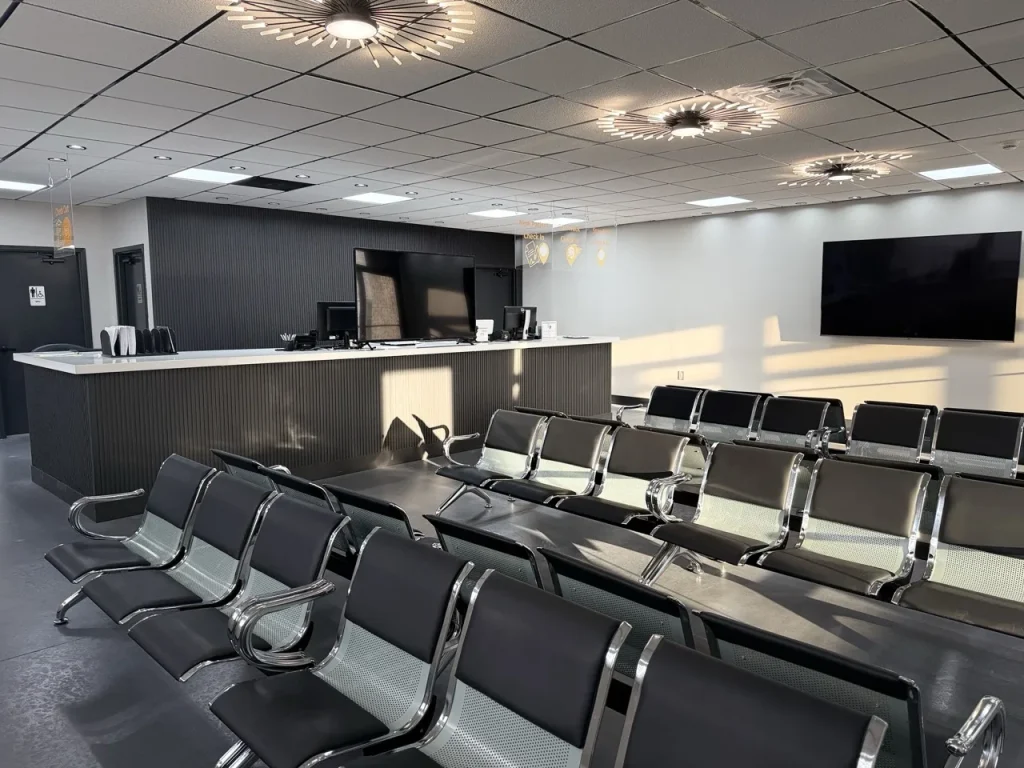
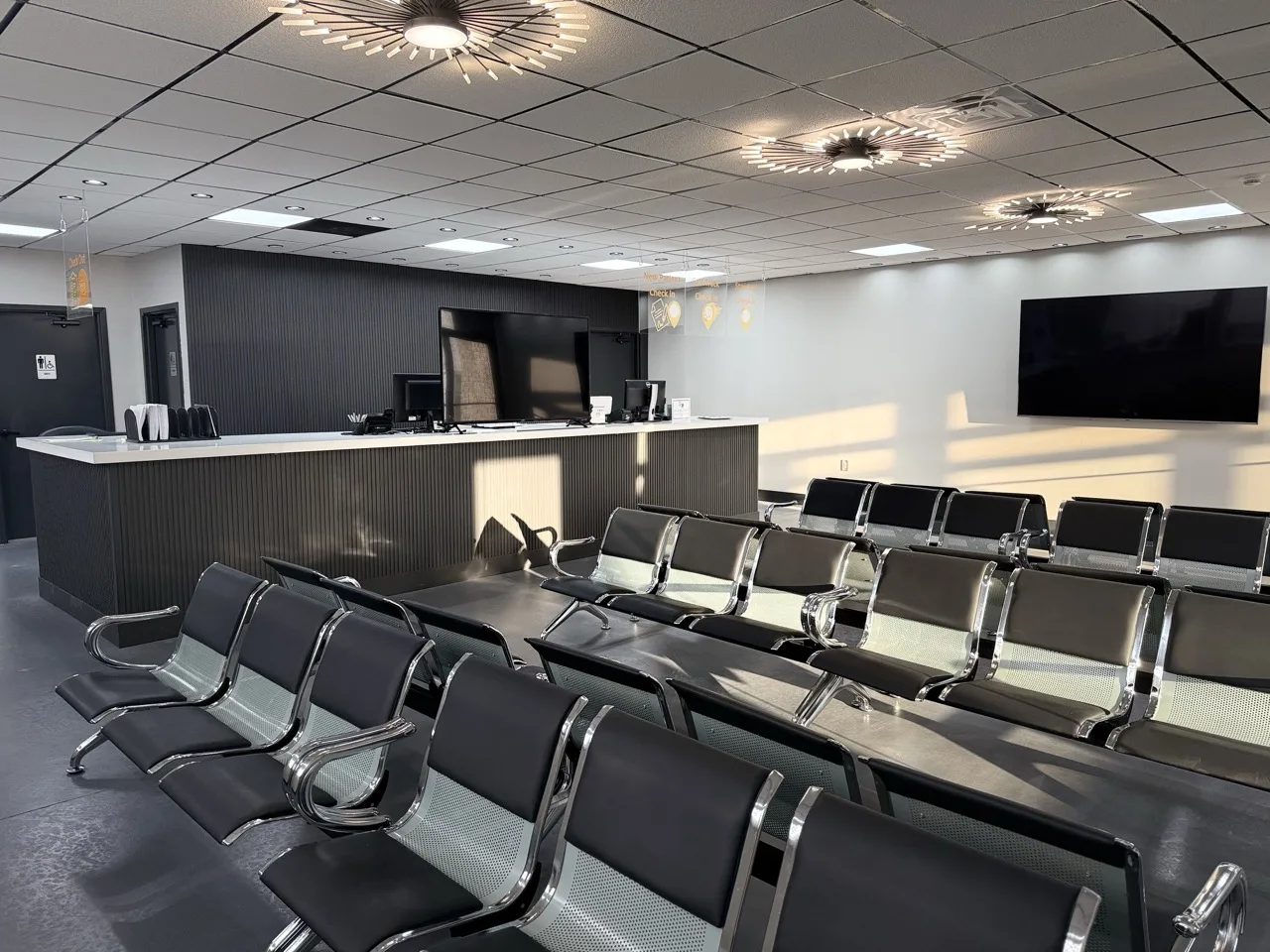
There are two offices — 4477 Woodson Road, Suite 100, St. Louis, MO 63134, next to St. Louis Lambert International Airport, and 12174 Natural Bridge Rd, St. Louis, MO 63044. Both are listed with directions on the locations page. Hours are Monday to Friday, 8:00 AM to 5:00 PM.
You do not need a referral from another physician, and you do not need to be an existing patient — that applies to urgent situations too, which are covered on the same-day and emergency visits page.
On insurance: commercial plans are accepted, but copays, deductibles and each plan’s policies on specific treatments vary, so it is worth checking your own coverage for a proposed procedure rather than assuming. Office policies are set out in the office policy FAQs.
Frequently asked questions
Do I need a referral to be seen?
No. You do not need a referral from another physician and you do not need to be an existing patient. Urgent situations are covered on the same-day and emergency visits page.
Will I get an injection at the first visit?
Not automatically. The first visit establishes what is generating the pain and what would confirm it. Where a same-day procedure is appropriate it can be discussed — see same-day and emergency visits.
What should I bring with me?
Your imaging rather than only the reports, a list of treatments already tried and how each one went, your current medications, and a specific account of what you can no longer do. Prior injection records are especially useful. See the range of pain treatments for context.
I am already taking opioids. What happens?
The aim is to treat the underlying pain generator so that less medication is needed over time, and to avoid withdrawal during any reduction. That approach is described under opioid stewardship.
How do I know which kind of specialist I need?
That question is worked through in choosing a pain specialist after treatment has not helped.
To arrange a first visit, request an appointment, call (314) 481-5000, or text (314) 886-5902.
Dr. Gurpreet Singh Padda, MD, MBA, MHP