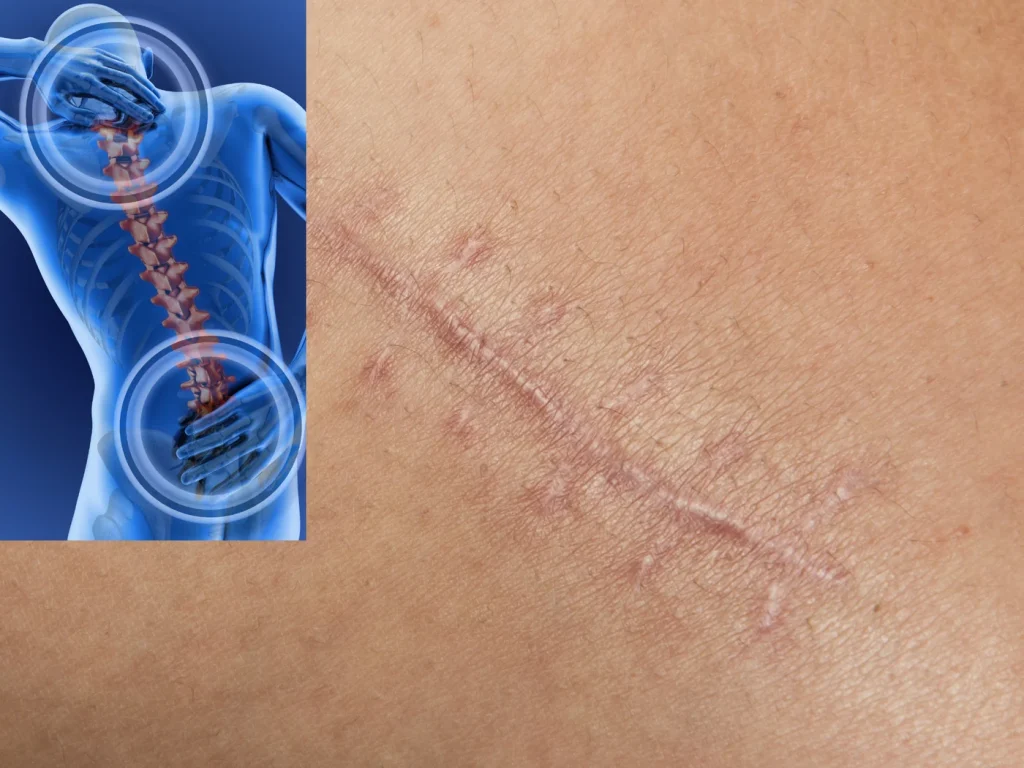
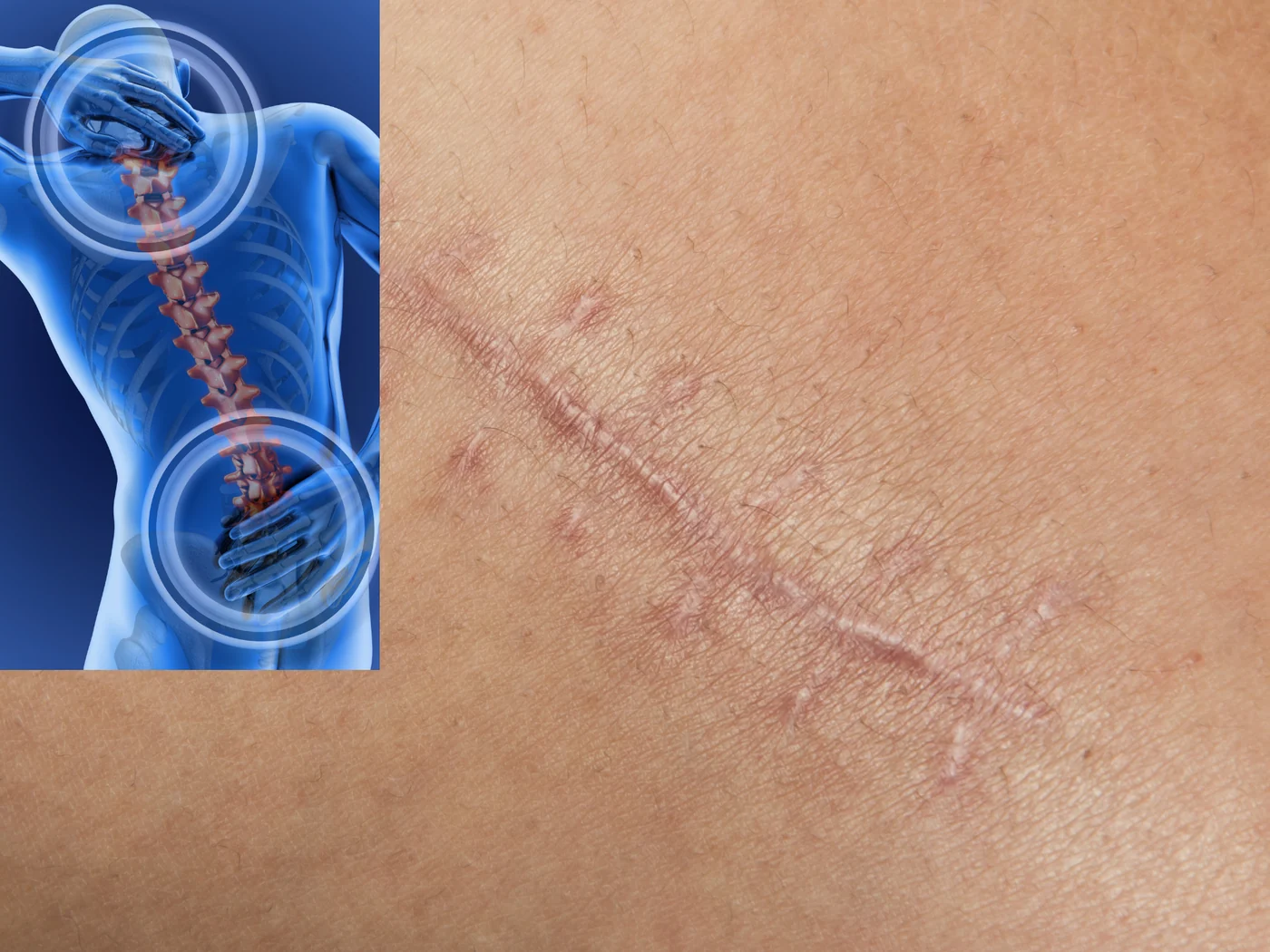
Pain that lasts for months after an operation has healed has its own name: chronic postsurgical pain. It is not a sign that you are healing badly. Research has looked at what predicts it. One finding: poor sleep measured before surgery is linked to pain afterward.1 That points to something useful. Some of the risk can be spotted ahead of time.
What the sleep evidence actually shows
A systematic review and meta-analysis asked whether sleep problems and sleep disorders affect chronic postsurgical pain. It looked at whether the pain shows up and how bad it is. It included studies of adults whose sleep was checked before surgery. Pain, or opioid use, was then measured at least three months later. Eighteen studies were included in a written summary and twelve in the pooled analysis.1
Sleep problems and disorders were clearly linked to chronic postsurgical pain. The effect size was small: r = 0.13 (95% CI 0.06–0.20).1
The caveats belong in the headline, not the footnotes
The authors rated the certainty of the evidence as low. The reasons were risk of bias and wide differences between studies.1 The effect size is small. This is a real signal, not a big one. Anyone who sells it as a major lever is overstating it.
The subgroup findings matter too. The link held in studies that measured how bad the pain was. It did not hold in studies that only asked whether pain was there. It held in total knee arthroplasty (knee replacement) and other surgeries. It did not hold in breast cancer surgery or total hip arthroplasty (hip replacement).1 So the effect is not the same for every operation.
A further analysis also found that longer follow-up went with a bigger overall estimate.1
What this means practically
The authors’ own conclusion is careful and useful: check sleep problems and disorders before surgery to find patients at risk for chronic postsurgical pain.1 That is a screening advice. It is not a promise that fixing sleep prevents pain.
If you are headed for a planned operation and already sleep badly, bring it up before surgery, not after. And if you are months past surgery with pain that has not gone away, deal with sleep as part of the picture. Do not brush it off as just a result of the pain. The link runs both ways, as covered in sleep and chronic pain.
Where evaluation goes from here
Lasting pain after surgery still deserves the same question as any other chronic pain: what structure is causing it? Scar tissue or a trapped nerve, a pain source that was there before the operation, and central sensitization (a pain system turned up too high) are all different problems. Each has its own treatment.
If you had spine surgery before, see failed back surgery syndrome and epidural lysis of adhesions. Options aimed at nerves include nerve blocks, hydrodissection and peripheral nerve stimulation. The behavioral part is done in-house through counseling for chronic pain.
Frequently asked questions
How long does pain have to last to count as chronic postsurgical pain?
Research on this topic measures results at least three months after the operation. Pain that lasts past that point needs an evaluation, not more waiting. See the range of pain treatments.
Does poor sleep before surgery really predict pain afterward?
There is a statistically significant link. But the effect is small. The authors rated the evidence as low certainty because of bias and differences between studies. It is a reason to screen, not a reason to panic. See sleep and chronic pain.
Does this apply to every kind of operation?
No. The link was found in total knee arthroplasty and other surgeries. It was not found in breast cancer surgery or total hip arthroplasty. So it is not the same everywhere. Evaluation is one person at a time — see pain management doctors in St. Louis.
My surgeon says the operation was successful. Why do I still hurt?
An operation that went well and a pain problem that is solved are two different things. The pain may come from scar tissue or a trapped nerve, a pain source that was there before surgery, or central sensitization. See failed back surgery syndrome.
What can be done now if it has already been months?
The same logic still applies: find what is causing the pain and treat that. Options include nerve blocks and peripheral nerve stimulation. You can set up an assessment through the appointment request form.
To have persistent pain after surgery evaluated, request an appointment, call (314) 481-5000, or text (314) 886-5902.
Sources
- Varallo G, Giusti EM, Manna C, Castelnuovo G, Pizza F, Franceschini C, Plazzi G. Sleep disturbances and sleep disorders as risk factors for chronic postsurgical pain: A systematic review and meta-analysis. Sleep Medicine Reviews. 2022;63:101630. doi:10.1016/j.smrv.2022.101630. Retrieved via PubMed. DOI
Dr. Gurpreet Singh Padda, MD, MBA, MHP