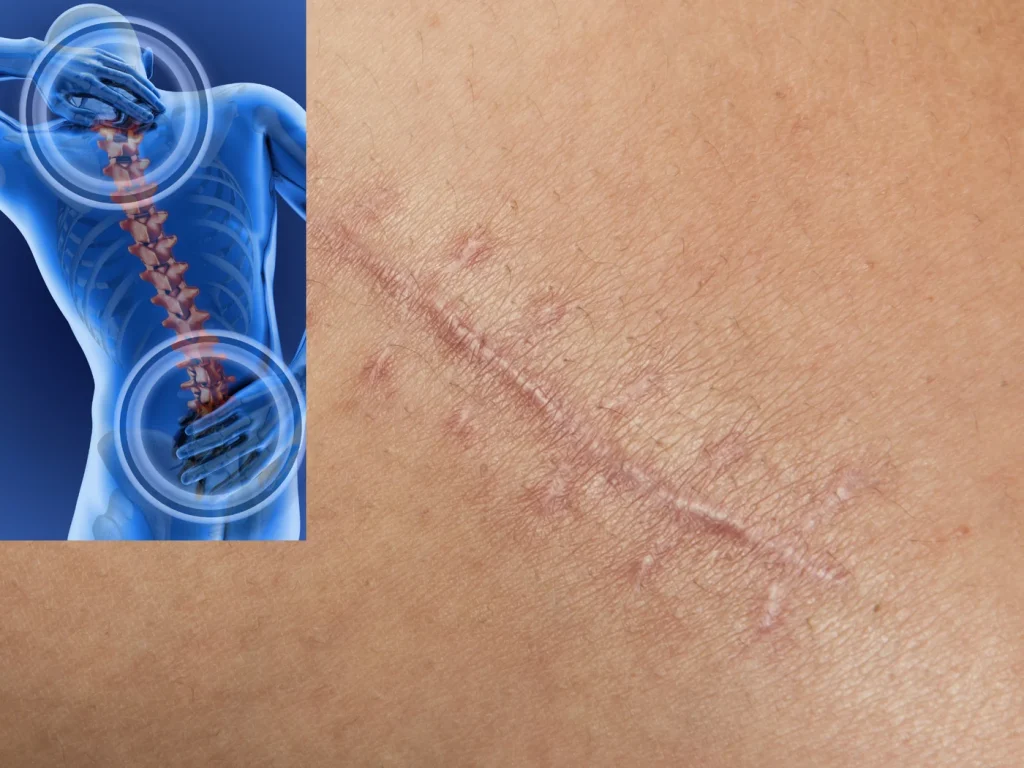
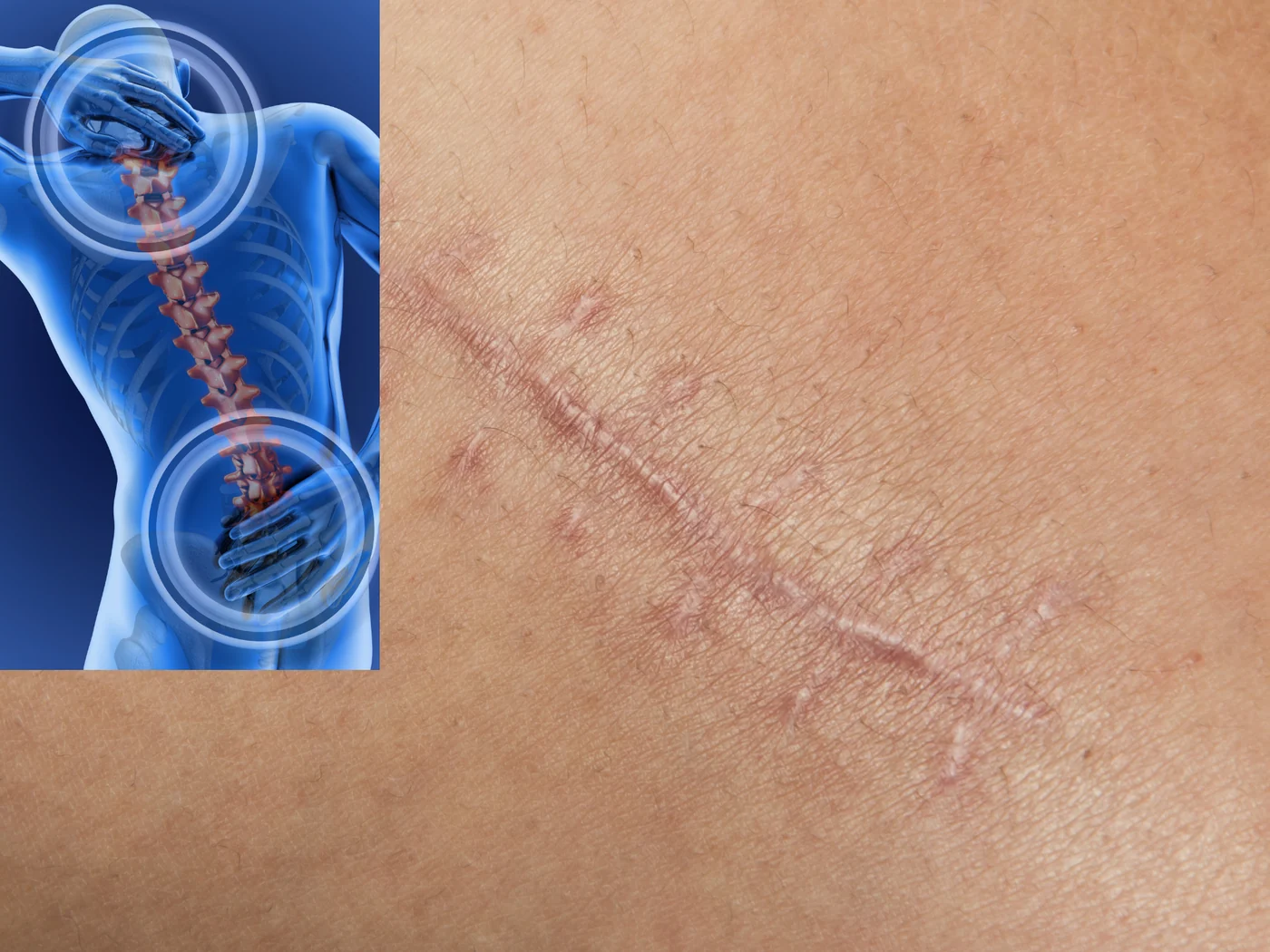
Pain that persists for months after an operation has healed is a recognized condition with its own name — chronic postsurgical pain — and it is not a sign that you are recovering badly. One line of research has looked at what predicts it, and among the findings is that sleep disturbance measured before surgery is associated with pain afterward.1 That points toward something useful: some of the risk is identifiable in advance.
What the sleep evidence actually shows
A systematic review and meta-analysis examined whether sleep disturbances and sleep disorders influence the presence and intensity of chronic postsurgical pain. It included cohort studies of adults in which sleep was assessed before surgery and pain, or opioid use, was measured at least three months afterward. Eighteen studies were included in a narrative synthesis and twelve in the meta-analysis.1
Sleep disturbances and disorders were significantly related to chronic postsurgical pain, with a small effect size of r = 0.13 (95% CI 0.06–0.20).1
The caveats belong in the headline, not the footnotes
The authors rated the certainty of the evidence as low, due to risk of bias and heterogeneity between studies.1 The effect size is small. This is a real signal, not a large one, and anyone presenting it as a major lever is overstating it.
The subgroup findings are equally worth knowing. The association held in studies that measured pain intensity, but not in those that measured simply whether pain was present. It held in patients undergoing total knee arthroplasty and other surgeries, but not in those having breast cancer surgery or total hip arthroplasty.1 So it is not a uniform effect across every operation.
A meta-regression also found that the length of follow-up was positively associated with the overall estimate.1
What this means practically
The authors’ own conclusion is measured and actionable: presurgical sleep disturbances and disorders should be evaluated to detect patients at risk for chronic postsurgical pain.1 That is a screening recommendation, not a promise that fixing sleep prevents pain.
If you are heading toward a planned operation and already sleep badly, it is a reasonable thing to raise beforehand rather than after. And if you are already months past surgery with pain that has not resolved, sleep is worth addressing as part of the picture rather than dismissed as a consequence — the relationship runs in both directions, which is covered in sleep and chronic pain.
Where evaluation goes from here
Persistent pain after surgery still deserves the same question as any other chronic pain: what structure is generating it. Scar and nerve entrapment, an untreated pain generator that predated the operation, and central sensitization are all different problems with different treatments.
Where previous spine surgery is involved, failed back surgery syndrome and epidural lysis of adhesions are the relevant pages. Nerve-directed options include nerve blocks, hydrodissection and peripheral nerve stimulation, and the behavioral component is delivered in-house through counseling for chronic pain.
Frequently asked questions
How long does pain have to last to count as chronic postsurgical pain?
The research standard used in this literature measures outcomes at least three months after the operation. Persistent pain past that point warrants evaluation rather than more waiting — see the range of pain treatments.
Does poor sleep before surgery really predict pain afterward?
There is a statistically significant association, but the effect size is small and the authors rated the certainty of evidence as low because of bias and variation between studies. It is a reason to screen, not a reason to alarm. See sleep and chronic pain.
Does this apply to every kind of operation?
No. The association was found in total knee arthroplasty and other surgeries, but not in breast cancer surgery or total hip arthroplasty, so it is not uniform. Evaluation is individual — see pain management doctors in St. Louis.
My surgeon says the operation was successful. Why do I still hurt?
A technically successful operation and a resolved pain problem are different outcomes. The pain may arise from scar or nerve involvement, a generator that predated surgery, or central sensitization. See failed back surgery syndrome.
What can be done now if it has already been months?
The same diagnostic logic still applies — identify what is generating the pain and treat that. Options include nerve blocks and peripheral nerve stimulation, and you can arrange assessment through the appointment request form.
To have persistent pain after surgery evaluated, request an appointment, call (314) 481-5000, or text (314) 886-5902.
Sources
- Varallo G, Giusti EM, Manna C, Castelnuovo G, Pizza F, Franceschini C, Plazzi G. Sleep disturbances and sleep disorders as risk factors for chronic postsurgical pain: A systematic review and meta-analysis. Sleep Medicine Reviews. 2022;63:101630. doi:10.1016/j.smrv.2022.101630. Retrieved via PubMed. DOI
Dr. Gurpreet Singh Padda, MD, MBA, MHP