Thoracic outlet syndrome is compression of the nerves or blood vessels where they pass from the neck to the arm. Well over 90% of cases are neurogenic (nerve-driven), while arterial cases are no more than 1%.1 Nerve-type TOS brings tingling, burning and a heavy arm. Vascular TOS brings swelling or changes in color and temperature.
Thoracic outlet syndrome is frustrating to diagnose and treat, because neurogenic thoracic outlet syndrome is by far the most common type. It makes up well over 90% of all thoracic outlet syndrome patients. Arterial thoracic outlet syndrome makes up no more than 1%.1 Many patients chase the wrong target when the workup never confirms that a nerve is involved. Maybe you have pins and needles, a heavy arm, color changes, or pain that gets worse with posture. Either way, you deserve straight talk and a plan that holds up. Not an assembly line of “normal tests” and shrugging.
What Causes Thoracic Outlet Syndrome Symptoms (and Why They Can Feel “Inside the Chest”)
Thoracic outlet syndrome is compression, irritation, or trapping at the thoracic outlet. That is the space where nerves and blood vessels travel from the neck to the arm. Most cases are neurogenic. That means the main problem is pressure or tension on the brachial plexus (the bundle of nerves that runs to the arm) or nearby nerve pathways, not mainly a blood vessel problem.
The anatomical “targets” vary. Some patients have an extra rib, such as a cervical rib. Some have crowding from the scalene or pectoralis minor muscles. Others have posture or structural changes that shrink the space when the shoulder moves into certain positions. If your symptoms depend on posture, that pattern is often a clue, not a coincidence.
Neurogenic TOS (nTOS) tends to cause numbness and tingling, aching, burning, and heaviness. Vascular TOS can cause swelling or changes in color and temperature. The trap is assuming one type just because pain is your loudest symptom.
How We Diagnose Thoracic Outlet Syndrome (Symptoms, Exam, Imaging, and Nerve Testing)
Diagnosis is not a single test. It is a step-by-step hunt for concordant pain. That means your symptoms come back in a way that matches the suspected tight spot. That is why the workup for thoracic outlet syndrome usually starts with a detailed history and a careful physical exam, not with scans on day one.
In clinic, we usually check:
- Symptom triggers and posture dependency: raising the arm, overhead work, driving, sleeping positions.
- Neuro exam: changes in feeling, strength, reflexes, and tiring when you hold a position.
- Provocative maneuvers: to bring the symptoms back and record whether the response points to a nerve or a blood vessel.
- Vascular screen: pulses, and a look for swelling or changes in color or temperature.
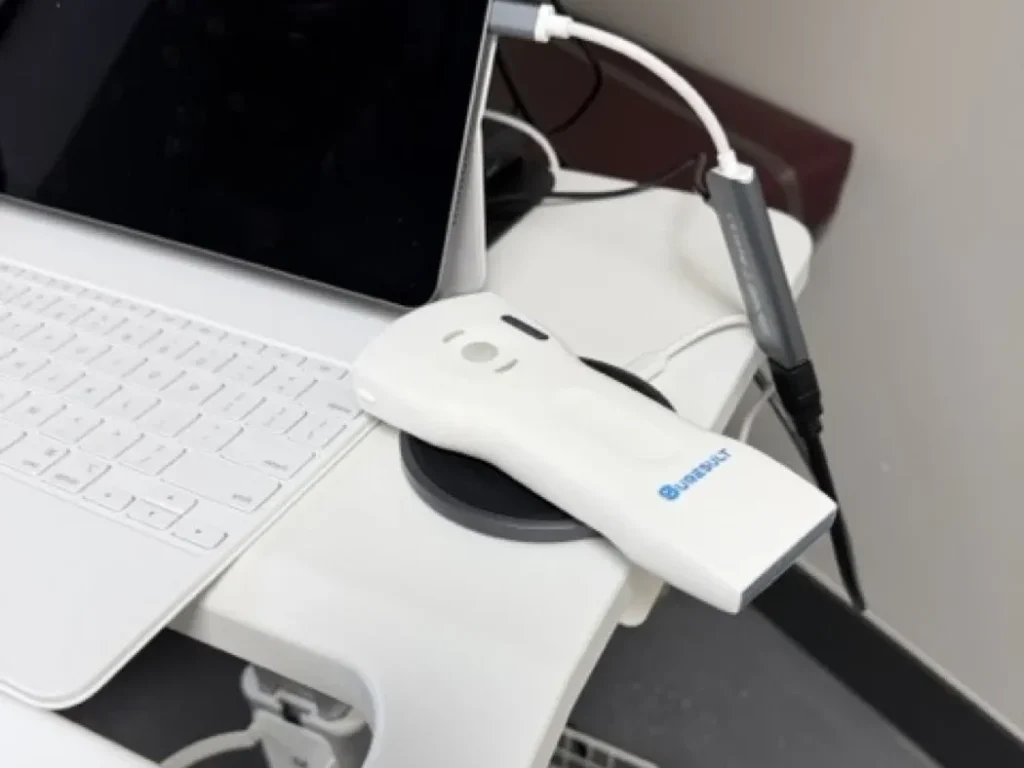
Imaging helps when it answers a specific question. We may use X-ray to look for a cervical rib or other bone variants. We may use MRI or ultrasound, when it fits, to check soft tissue and blood vessels. Electrodiagnostic testing (nerve studies) can help when it is likely to show nerve involvement. But it does not settle every type of TOS.
When TOS looks like something else: a pinched nerve root in the neck, peripheral neuropathy, shoulder problems, and thoracic radiculopathy or intercostal nerve irritation can all mimic TOS. We rule out dangerous blood vessel causes first. Then we match symptoms to anatomy and choose treatment to fit.
Does your pain wrap around the chest? Then it may help to compare your story to thoracic radiculopathy and intercostal neuralgia.
When Nerve Blocks, Vascular Workups, or Other Interventional Options Fit (and When They Do Not)
Interventional pain management is not automatically “better,” and it is not automatically “safer.” In thoracic outlet syndrome, the defensible position is narrow. A procedure should do one of two things. It should (1) confirm that the suspected structure is driving symptoms, or (2) treat a specific, proven target when conservative care has failed.
Possible procedure steps (depending on your case):
- Diagnostic nerve blocks: to see whether numbing a suspected region reduces concordant symptoms.
- Targeted image-guided care: when imaging and exam point to a specific nerve pathway.
- Vascular evaluation and urgent triage: when there is swelling, severe color or temperature change, or signs of poor blood flow.
The evidence is mostly in favor of targeted diagnostic blocks, and of procedures with a clear reason to use them. The evidence does not support treating every “thoracic” complaint as if the same cause is at work. TOS overlaps with other thoracic and neck pain sources. A procedure with no clear target risks missing the real driver.
Your workup may suggest sympathetic nerve patterns like those in other arm and hand pain syndromes. Then you may see procedures like a stellate ganglion block used in selected cases. That does not mean it is specific to TOS. It means some pain syndromes share pathways that can be calmed for a time.
Frequently asked questions
What are the most common thoracic outlet syndrome patterns?
The most common pattern is neurogenic: numbness, tingling, burning pain, and heaviness that get worse with posture or raising the arm. Vascular TOS usually points more toward swelling, discoloration, or coldness. Those signs should trigger a more urgent evaluation. See electrodiagnostic testing for how this is evaluated.
How do doctors tell thoracic outlet syndrome apart from pinched nerves in the neck?
We tell thoracic outlet syndrome apart from cervical radiculopathy (a pinched nerve in the neck) in three ways. We look at what sets symptoms off. We look at exam findings. And we check whether symptoms track with outlet positions, not just neck movement. Imaging and nerve testing can support the process. But the diagnosis rests mainly on the exam and the pattern. See diagnostic nerve blocks for how this is evaluated.
Is physical therapy enough for thoracic outlet syndrome?
For most neurogenic cases, treatment starts with conservative care. That means targeted physical therapy and changes in activity. In 2026, consensus recommendations still put conservative care first. The exception is significant muscle atrophy (wasting) or weakness. See hydrodissection for how this is evaluated.
When are nerve blocks appropriate for thoracic outlet syndrome?
Nerve blocks can be the right call when they are used to diagnose, or when they match a suspected nerve pain source that fits your exam and symptoms. They should not be a generic “try this” step with no specific target, because the evidence does not support procedures with no clear target. See image-guided procedures for how this is evaluated.
Can thoracic outlet syndrome cause arm swelling and color changes?
Yes. But swelling and color or temperature changes suggest venous or arterial thoracic outlet syndrome, not purely neurogenic TOS. Those blood vessel clues need a faster workup, so dangerous blood flow problems are not missed. See stellate ganglion block for how this is evaluated.
To discuss your own case, request an appointment through the appointment request form, call (314) 481-5000, or text (314) 886-5902. You can review the full range of pain treatments, read about the pain management doctors in St. Louis, or find both offices on the locations page.
Sources
- Sanders RJ, Hammond SL, Rao NM. “Diagnosis of thoracic outlet syndrome.” Journal of Vascular Surgery, 2007;46(3):601–604. doi:10.1016/j.jvs.2007.04.050
Dr. Gurpreet Singh Padda, MD, MBA, MHP