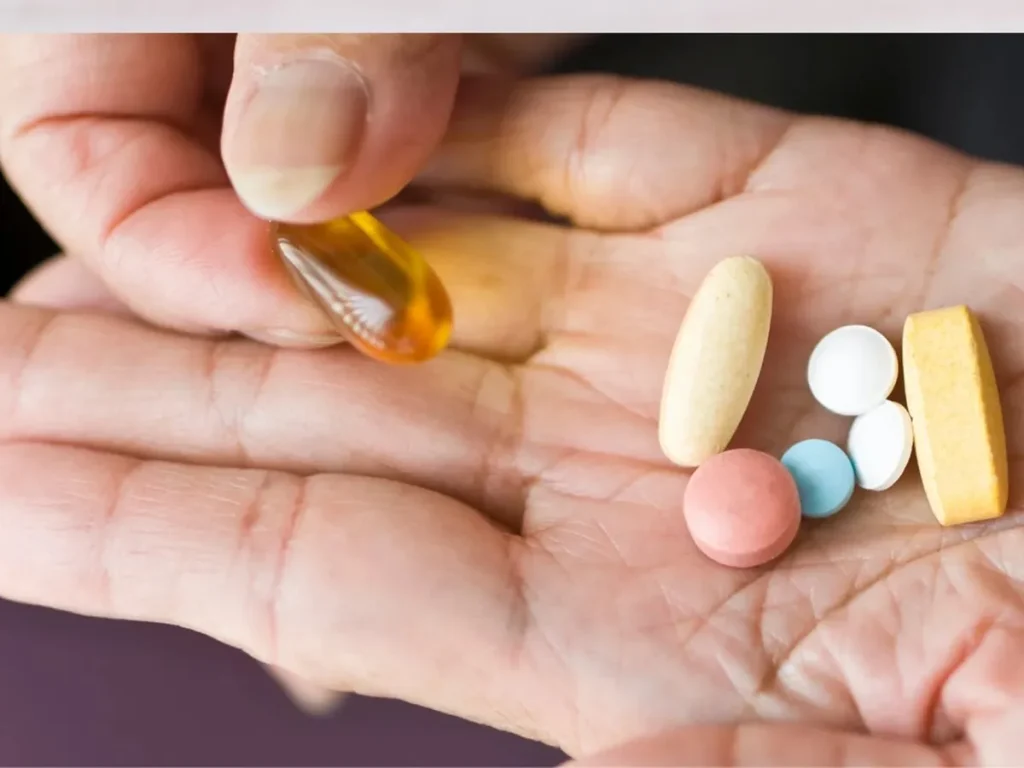
On International Overdose Awareness Day, Padda Institute published its own opioid numbers. Under active interventional treatment, 21% of patients are fully weaned off opioid pain medicine within 90 days and 34% within one year. Of those who cannot be weaned, the vast majority fall below 30 MME per day.
St. Louis pain practice publishes its own opioid numbers, reporting most patients weaned below 30 MME.
St. Louis, MO, United States — August 31, 2026
On International Overdose Awareness Day, an interventional pain physician makes a blunt case. The field’s failure was never only too many prescriptions — it was treating the prescription as the treatment.
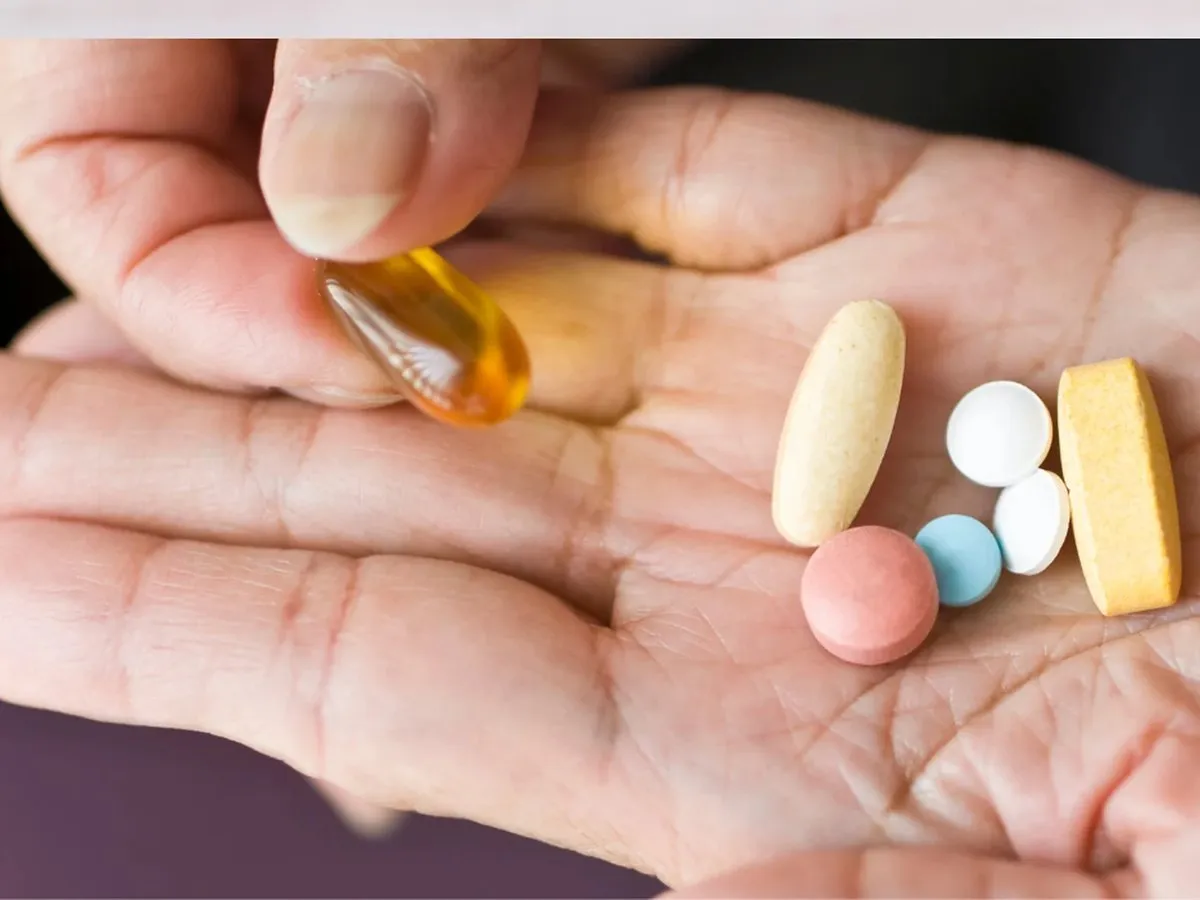
Two stories have ruled a decade of American pain medicine. In the first, doctors built an overdose crisis by writing too many prescriptions. In the second, the fix went too far. Patients with real disease were tapered, dropped, and abandoned.
The Padda Institute Center for Interventional Pain Management is publishing its own figures on International Overdose Awareness Day, because they fit neither story.
- The average new patient has been in pain for more than 2.5 years. That patient is taking more than 90 morphine milligram equivalents (MME) per day.
- Within 90 days of active interventional treatment, 21% of patients are completely weaned off opioid pain medication, and within one year, 34% are completely weaned off all opioid pain medication.
- Of those who cannot be weaned, the vast majority are weaned below 30 MME per day — well below the lines where federal prescribing guidance puts its sharpest warnings.
About these numbers. These are practice-reported figures from our own patient population, not trial outcomes, and individual results vary. The arrival figure describes new patients; it is not a description of the established population, in which fewer than 1% remain above 90 MME.
What makes the numbers worth reporting is how they happen. The practice is interventional first. It does not offer pain care that is only medicine. The key is to find and treat the pain source directly — an inflamed facet joint, a pinched nerve root, an irritated sacroiliac joint — and the need for opioids often falls on its own. No taper is forced as a goal in itself.
“Pain is the final pathway. It is the body screaming something has gone wrong. A prescription answers the report, but it may not answer the thing being reported.”
The distinction that matters
Tapering and treating are not the same thing, though they are reported as if they were. A taper reduces a dose. Treating the generator changes why the dose was there.
Every injection and nerve procedure at the practice is done under fluoroscopic or ultrasound guidance, not by feel. So the needle’s spot is confirmed before medicine goes in. Test blocks show which structure is making the pain before anything is treated — the difference between a knee that hurts and a knee that is the source of the hurt.
“Tapering is not a treatment. It is arithmetic. If you have not changed why the patient needed the medication, you have not treated anything — you have moved a number.”
The problem the drug creates
There is a second reason the mechanism matters. Doctors talk about it more than the research reports it. Long opioid use can cause opioid-induced hyperalgesia — a state where the nervous system grows more sensitive to pain, not less. It happens through changes in NMDA receptor signaling and in the brain’s own pain brakes. The patient’s pain gets worse as the dose rises. That is often misread as tolerance and answered with more medicine.
Long-term opioid therapy also carries a metabolic cost that rarely comes up in the overdose talk. It shuts down the hormone chain from the brain to the sex glands, which causes hypogonadism (low sex hormones). It also hits insulin sensitivity, bone density and immune function. Many of these patients already carry heavy metabolic disease, so the cost piles up.
The terrain underneath
The practice’s wider view: chronic pain, opioid dependence and metabolic disease are not three epidemics. They are three faces of one inflammatory process.
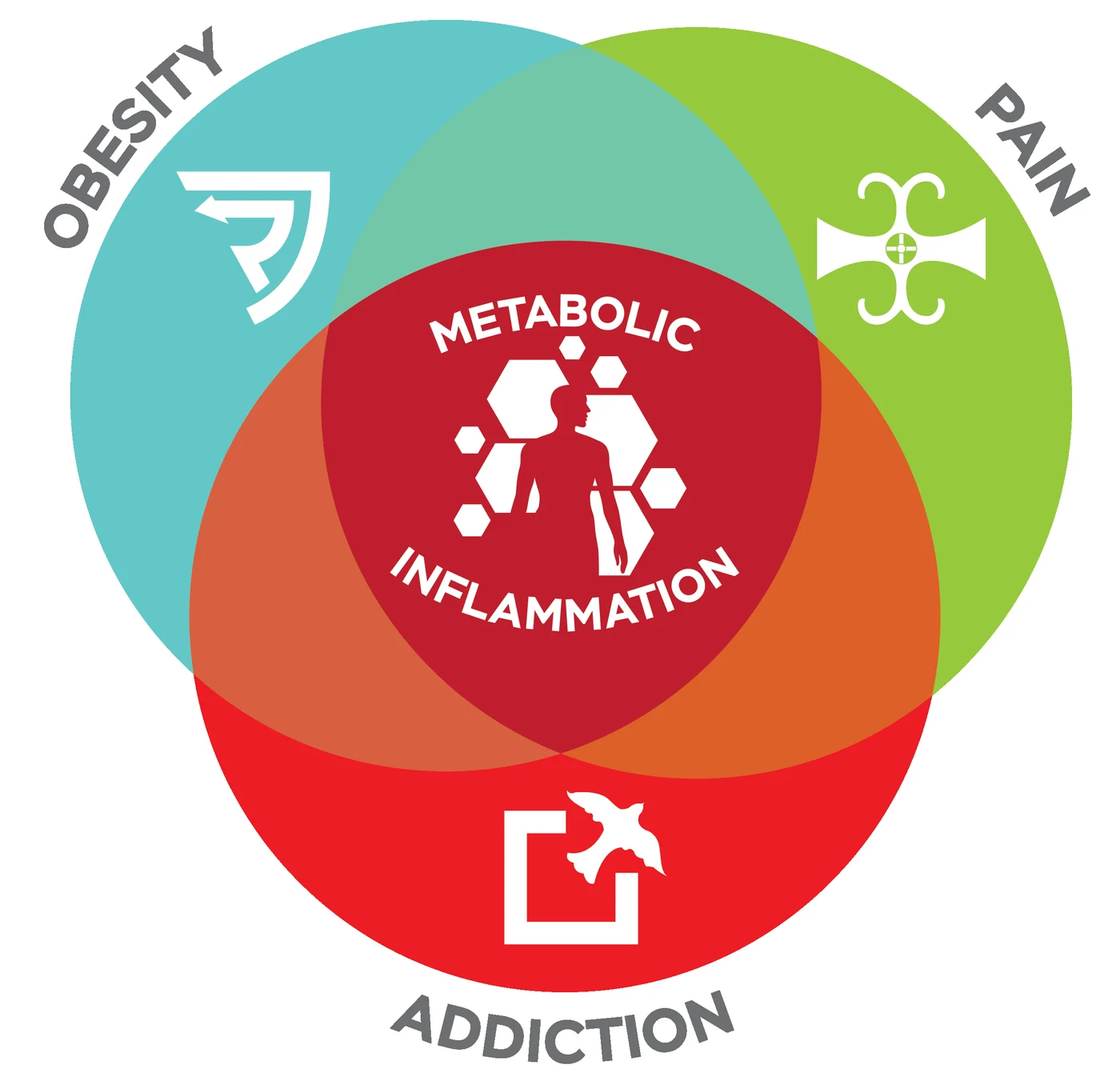
Visceral fat (deep belly fat) is not dead storage. It is a hormone organ. It pumps interleukin-6, tumor necrosis factor alpha, and other cytokines (inflammation signals) straight into the blood that feeds the liver. Those same signals sharpen the pain sensors in the body. They also wind up the pain relay in the spinal cord. The result is a nervous system that reports pain more easily — before any injury is even in the picture.
Insulin resistance makes it worse. High blood sugar cuts blood flow through the tiny vessels that feed nerves. Big swings in blood sugar track with how bad nerve pain gets, apart from the average sugar level. This is why the practice runs metabolic and lifestyle care alongside interventional treatment, not after it.
“You can inject the right structure, in the right place, and watch it fail. Not because the procedure was wrong — because you put a repair into an inflamed body and expected the body to cooperate.”

About Padda Institute
The Padda Institute provides advanced interventional pain management, injury rehabilitation, post-concussion treatment, and metabolic health services in a comprehensive outpatient setting. Through a multidisciplinary approach, the Institute is committed to improving function, reducing pain, and helping patients return to productive, healthy lives.
Media contact
Dr. Gurpreet Singh Padda, MD, MBA, MHP
Padda Institute Center for Interventional Pain Management
4477 Woodson Rd, Suite 100, St. Louis, MO 63134
(314) 481-5000
This press release was distributed via EIN Presswire on August 31, 2026. View the original release.
If you are on opioid therapy and the dose keeps climbing
Padda Institute treats the structure making the pain, so the need for medicine can fall on its own. We do not require you to come off opioids to be seen, and we do not taper anyone into withdrawal.
Or call or text us.
Msg & data rates may apply. Reply STOP to opt out, HELP for help. Text is not a secure channel — please don’t send medical or personal health information by text, and don’t use text for emergencies.
Dr. Gurpreet Singh Padda, MD, MBA, MHP