A piriformis injection is not one thing. What goes through the needle changes what the shot is for, how long it lasts, and what its result means. Three agents are in routine use — local anesthetic, corticosteroid and botulinum toxin — sometimes alone and often mixed.1 They do not swap for one another. And the case for each is stronger in some places than the marketing claims.
What does the local anesthetic in a piriformis injection do?
Local anesthetic is the agent that answers a question. It works in minutes and wears off in hours. In that window it gives you one clean fact: with this muscle numbed, does your pain change?
That matters more here than it would elsewhere, because no test confirms piriformis syndrome. Nerve studies can rule out other causes. Ultrasound may show a thick muscle, but that has not been shown to match the clinical diagnosis. MRI and nerve imaging (neurography) do not yet have enough data to be standard tests.2 With no test to confirm it, a correctly placed anesthetic block carries real diagnostic weight.
The flip side is hard to hear, so we will say it plainly. A well-placed anesthetic injection that changes nothing is a real negative result. It does not mean the injection failed.
What does the steroid in a piriformis injection do?
Steroid adds a longer anti-inflammatory effect after the anesthetic wears off. Its reported effect lasts from days to months. That wide range is not a dodge. It shows how much the outcome depends on what you do during the relief, not on the drug.
Here is the honest view. Steroid buys a window in which movement, loading and rehab become possible. Use that window, and the result can outlast the drug. Change nothing about the load on the muscle, and the pain returns about when the steroid stops working. Then the injection gets blamed for a problem it could never fix.
Steroid also has its own cautions. Poorly controlled diabetes and active infection mean steroid has to be weighed with care before it is planned.1 The total dose over time is a real limit on how often injections can be repeated.
Does Botox help piriformis syndrome?
Botulinum toxin works a different way. It does not lower inflammation. It lowers constant muscle tightening — and if the syndrome comes from a tight piriformis squeezing the sciatic nerve, that is closer to the real problem. It starts slower and lasts longer than steroid.
The evidence needs an honest count. The Cochrane review of botulinum toxin for low back pain and sciatica found only three randomized trials, 123 patients in total. Nineteen more studies were left out for non-randomization or missing data. Only one of the three had a low risk of bias, and it studied general low back pain, not piriformis syndrome. The trial that matters here showed botulinum toxin beating corticosteroid plus lidocaine and placebo in sciatica blamed on piriformis syndrome. But it was one of the two graded at high risk of bias. The reviewers called the evidence that botulinum toxin beats steroid injections or acupuncture very low quality.3
That review was published in 2011, and no larger review has replaced it. Fifteen years on, the question is still open. That alone tells you how little solid head-to-head work has been done on this condition.
None of this makes botulinum toxin a bad choice. It makes it a careful one. It fits when constant muscle tone drives the picture, and where a steroid injection already gave only short relief. It is not a first move, and it is not a guarantee.
Why the trials are small and the answers are soft
It is tempting to read thin evidence as proof that nothing works. In this condition, the more likely reason is built into the problem. No one agrees on a single definition of piriformis syndrome. And no one knows how well the exam signs used to diagnose it actually perform.2 A trial cannot cleanly test a treatment when the entry rules are in dispute. Every study enrolls a slightly different group, and the results do not stack.
That is a reason to treat each person as an individual, not to dismiss the problem. Patients with the deep gluteal pattern are often the ones left out of trials to begin with. Missing from the research does not mean missing from the clinic.
How do doctors choose between steroid, Botox and anesthetic?
- The diagnosis is uncertain → anesthetic carries the weight. Your response during the anesthetic window is the result that counts.
- The diagnosis is reasonably secure and the picture is inflammatory → anesthetic with corticosteroid, paired with a set rehab plan for the window it opens.
- Steroid helped, but only briefly, and tone is the dominant feature → botulinum toxin becomes a sound next step to consider.
- Nothing placed correctly has changed anything → stop changing what goes in the needle. Recheck the diagnosis.
Frequently asked questions
What is the best injection for piriformis syndrome?
There is no single best injectate, and anyone who says otherwise is ahead of the evidence. Local anesthetic, botulinum toxin and corticosteroid have all been reported to help, for diagnosis or treatment. The trials comparing them are few and small. The choice depends on what the injection is for in your case — answering a diagnostic question, calming an inflamed flare, or easing constant muscle tone — not on a house habit. Learn more: how the diagnosis is narrowed first.
How long does a piriformis steroid injection last?
It truly varies, from days to months. The honest reason is that how long it lasts depends more on what drives the muscle than on the steroid. Maybe an overload pattern, a seating posture or a walking problem is still there. Then the tissue gets irritated again the whole time the drug is working. That is why the rehab window opened by the injection matters more than the injection. Learn more: when relief fades and what that means.
Does Botox work better than steroid for piriformis syndrome?
Possibly, but the evidence is thinner than the bold claims suggest. A Cochrane review of botulinum toxin for low back pain and sciatica found only three randomized trials totaling 123 patients. One of them showed botulinum toxin doing better than corticosteroid plus lidocaine or placebo in sciatica blamed on piriformis syndrome. But the reviewers graded the evidence that it beats steroid injections or acupuncture as very low quality. That review dates from 2011, and no larger one has replaced it. A signal worth taking seriously is not the same as a settled answer. Learn more: nerve blocks and injections at Padda Institute.
Why is local anesthetic used if it only lasts a few hours?
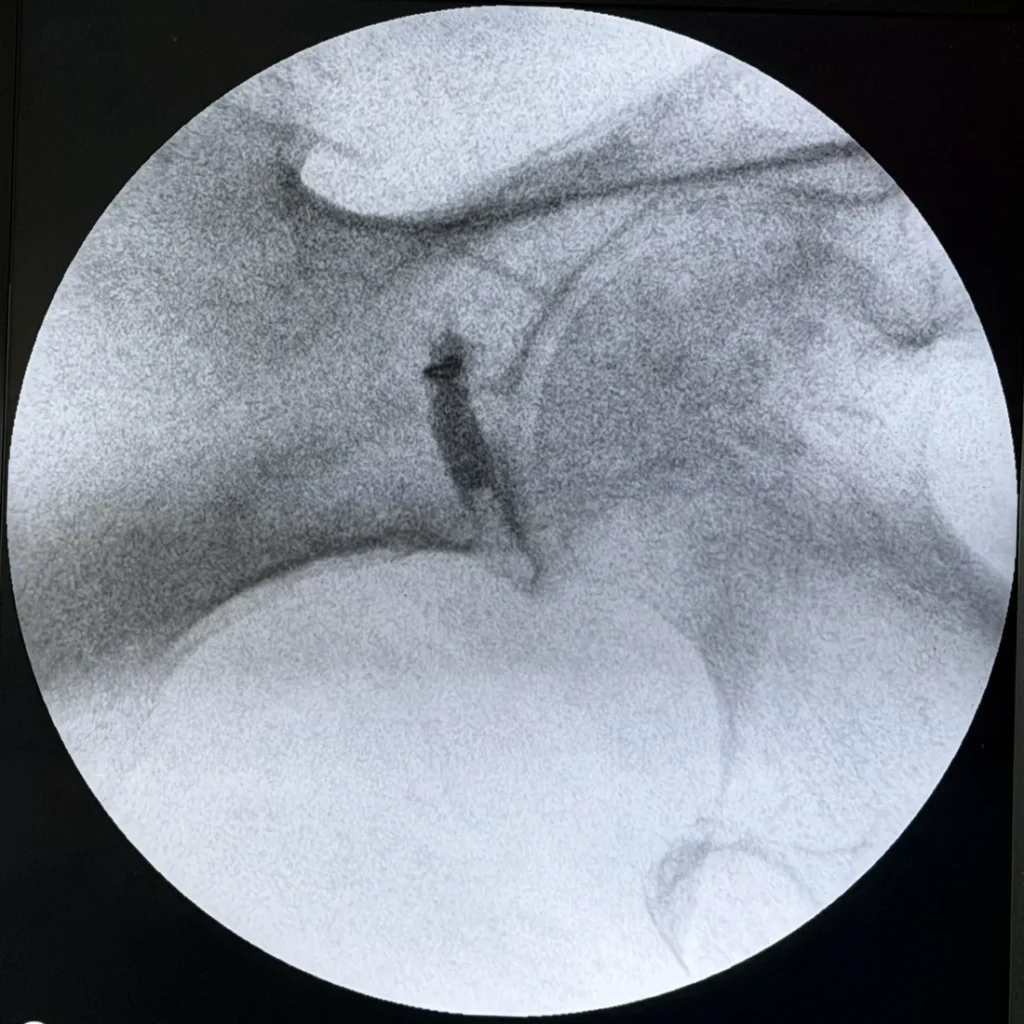
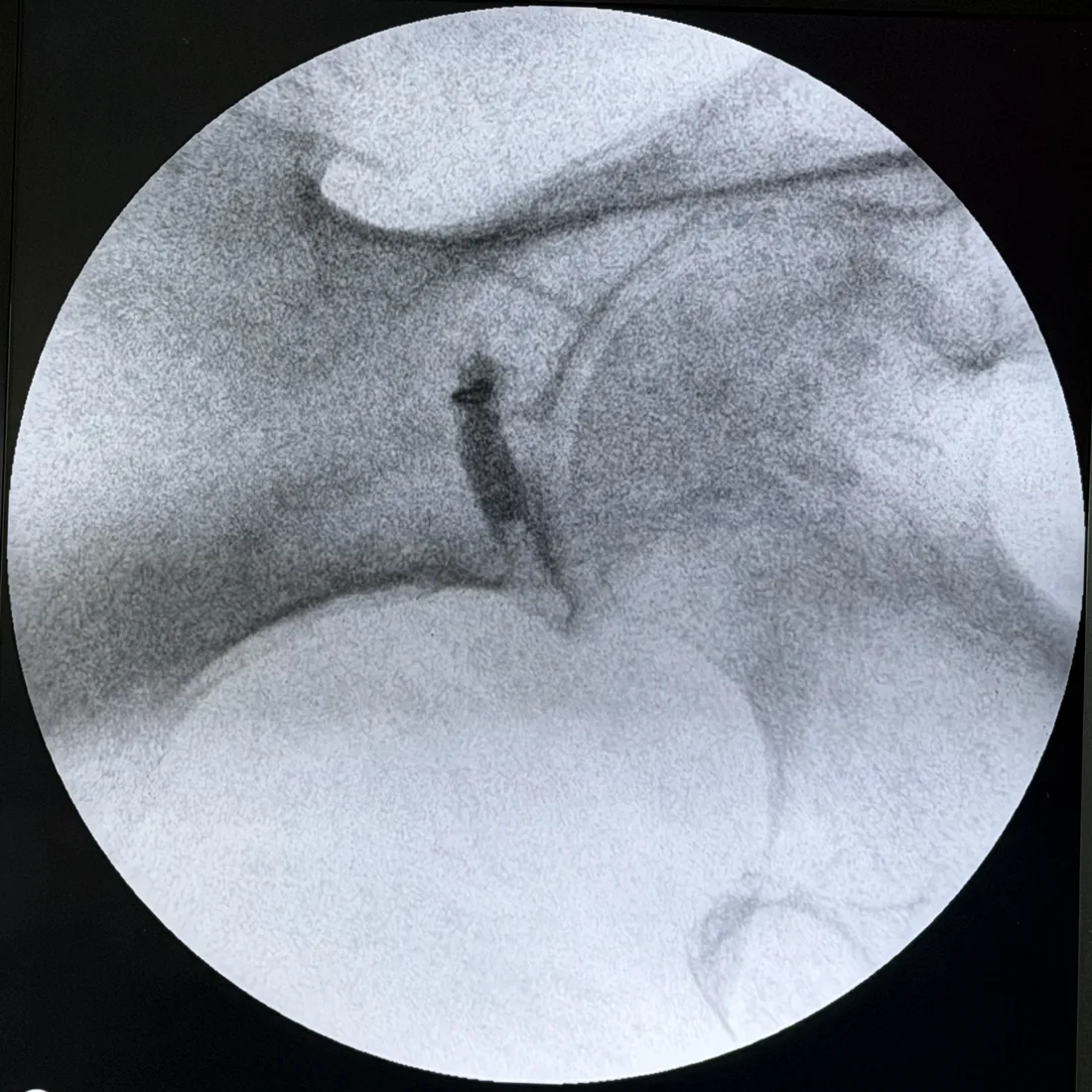
Because those few hours are the test. Say a correctly placed anesthetic block substantially eases your pain while it works. Then the piriformis is involved. If nothing changes during the anesthetic window, the muscle is likely not the pain source, no matter how tender it feels. No scan or blood test confirms piriformis syndrome. So that short window is one of the few hard facts you can get. Learn more: how placement is confirmed before injection.
How many piriformis injections can I have?
The number follows need, not a fixed course. There is no magic in a series of three — a pre-booked course is a scheduling habit, not a biological finding. If a first injection helps and the benefit fades, a repeat may make sense. Repeats are limited by total steroid exposure. Each time, the plan is checked against what actually happened. Learn more: what to expect during and after the procedure.
What is the success rate of a piriformis injection?
There is no reliable single number, and a clinic that quotes one is ahead of the evidence. No one agrees on a single definition of piriformis syndrome. So every study enrolls a slightly different group, and the results do not stack. The Cochrane review found only three randomized trials, 123 patients in total. Success is judged in your own case: what changed during the anesthetic window, and how long the relief lasted.
Why won’t my piriformis syndrome go away?
Usually because whatever is loading the muscle has not changed. A steroid injection buys a window for movement and rehab. If nothing changes about the load on the muscle, the pain returns about when the steroid wears off. And if a correctly placed injection changes nothing at all, the muscle may not be the pain source. Then the diagnosis, not the injectate, needs another look.
What is recovery like after a piriformis injection?
Short. You stay awake under local anesthetic for the injection, with no sedation. So you do not need to fast or bring a driver. Normal activity, including work, usually resumes within two to four hours. Expect soreness at the injection site for one to two days. Track how your pain responds over the next few days, because the timing of relief carries diagnostic meaning.
To discuss your own case, request an appointment through the appointment request form, call (314) 481-5000, or text (314) 886-5902. You can review the full range of pain treatments, read about the pain management doctors in St. Louis, or find both offices on the locations page.
Sources
- Chang A, Ly N, Varacallo MA. “Piriformis Injection.” StatPearls. Treasure Island (FL): StatPearls Publishing; 2023. NCBI Bookshelf NBK448193
- Lo JK, Robinson LR. “Piriformis syndrome.” Handbook of Clinical Neurology. 2024;201:203–226. doi:10.1016/B978-0-323-90108-6.00002-8
- Waseem Z, Boulias C, Gordon A, Ismail F, Sheean G, Furlan AD. “Botulinum toxin injections for low-back pain and sciatica.” Cochrane Database of Systematic Reviews. 2011;(1):CD008257. doi:10.1002/14651858.CD008257.pub2
Dr. Gurpreet Singh Padda, MD, MBA, MHP