Physiotherapy at the Padda Institute in St. Louis is a physician-directed program of treatments, home exercises and measurements that rebuilds strength and movement between and after interventional pain procedures. A physician examines you, orders every treatment and supervises it, and diet and metabolic health coaching is part of every visit.
An epidural, a nerve block or a radiofrequency ablation can quiet pain for weeks or months. What it cannot do is rebuild the muscle you lost while you were hurting, loosen joints you stopped moving, or cool the inflammation that keeps tissue sore. That part of recovery happens between procedures, and it is what this program is built for. Interventional care turns the volume down; this is where you get your function back. See how both fit together in our overview of interventional pain management in St. Louis.
What does the program name mean?
In your chart, the full name reads Physician-Directed Physiotherapy Program: Neuromuscular Modality Re-Education Protocol. Each piece of that name tells you something:
- Physician-directed: a medical doctor examines you, writes every order and oversees your care from the first visit to the last.
- Physiotherapy: treatment with heat, cold, motion, light, sound waves and mild electrical current to help the body recover.
- Neuromuscular re-education: teaching nerves and muscles that stopped cooperating during months of pain to work as a team again.
- Modality: the word for each machine or method.
- Protocol: one written plan, followed the same way at every visit, so nothing depends on guesswork.
Who runs the program?
Dr. Gurpreet Singh Padda, MD, MBA, MHP, our Physician Medical Director, oversees the program. A physician sees you first, writes your orders and re-examines you at set points. Trained technicians run each station exactly as ordered, and every technician is checked off on a machine before running it without supervision.
Our technicians are not physical therapists and never present themselves as physical therapists. They do not diagnose, change settings or add treatments. Those decisions belong to your physician.
How does physiotherapy fit with your pain procedures?
Most of our patients come to us for an interventional procedure: an epidural steroid injection, a facet or sacroiliac injection, radiofrequency ablation, a genicular nerve treatment for the knee, or an orthobiologic injection. The program wraps around that care:
- Before a procedure, we record where you start, so everyone can see what the procedure changed.
- Right after a procedure, your physician tells you which stations and exercises to pause and the day to pick them back up.
- In the weeks of lower pain that follow, you build the strength and range that make the relief last, so you are not back for the same shot on the same schedule.
What happens from your first visit to your last?
Step 1: See a pain physician
A physician takes your history, examines you and looks at your imaging. Together you decide on procedures, the program, or both.
Step 2: Orders are written
Signed orders go into your chart, spelling out each treatment, its settings, and any test or equipment.
Step 3: Your first program visit
You answer a short questionnaire about daily life, learn your home exercises, and get fitted for any brace or home TENS unit that was ordered.
Step 4: Each visit after that
We confirm a physician is on site, ask the safety questions out loud, then take you through the stations your physician ordered. Most visits run about an hour and a half.
Step 5: Tests, when ordered
Nerve studies and Measura assessments are booked and tracked at each visit until the results are back.
Step 6: Planned re-checks
On a schedule your physician sets, you redo the questionnaire and get re-examined. Then you either graduate to a home plan or keep going on an adjusted plan.
There is no set number of visits. Some patients need one or two. Others with long-standing or complicated pain need many more, sometimes 60 or more spread over months. Your physician sets the plan and adjusts it as you improve.
Which treatments can your physician order?
Your physician picks your treatments and the strength of each. Any treatment stops the moment you ask. Select a treatment to see what it feels like, who should skip it, and what to remember.
Heat and cold therapy
Cold for a flare-up, heat for stiffness, chosen by your physician. Ten to fifteen minutes.
What to expect →Vibration therapy
A gently shaking platform that wakes up the small steadying muscles. About ten minutes.
One-on-one the whole timeWhat to expect →Traction chair
A reclining chair that slowly stretches and releases the spine. About fifteen minutes.
What to expect →Neck decompression
A computer-guided table that eases pressure on neck discs and nerves. Fifteen to twenty minutes.
What to expect →Laser therapy
Light from a handheld laser to calm pain and swelling, goggles on. About ten minutes.
One-on-one the whole timeWhat to expect →Shockwave therapy
Sound-wave pulses for a stubborn tendon or muscle knot, no more than once a week.
What to expect →TENS
A mild electrical tingle that turns the pain signal down at the end of the visit. About fifteen minutes.
What to expect →When a visit includes all of them, they always run in one sequence: warm-up first, then stretching, then the targeted treatment, and a calm-down to finish.
How do we measure whether it is working?
Pain scores bounce around, so we also track function, meaning what your body lets you do. On day one and again at every re-check, you complete a brief, widely used questionnaire for each painful area. You complete it on your own, so the answers are yours alone.
Neck
The Neck Disability Index scores how pain affects sleep, work, dressing and other daily tasks. Read about the neck pain we treat.
Low back
The Oswestry Disability Index scores how pain affects sleep, work, dressing and other daily tasks. Read about the back pain we treat.
Knee or leg
The Lower Extremity Functional Scale scores how pain affects sleep, work, dressing and other daily tasks. Read about the knee pain we treat.
Shoulder, arm or hand
The QuickDASH scores how pain affects sleep, work, dressing and other daily tasks. Read about the shoulder pain we treat.
Research has set, for each questionnaire, the smallest score change that means a real difference. When your score falls short of it, the plan gets revised, the reason goes in your chart, and you do not lose weeks to something that is not working.
What do you do at home?
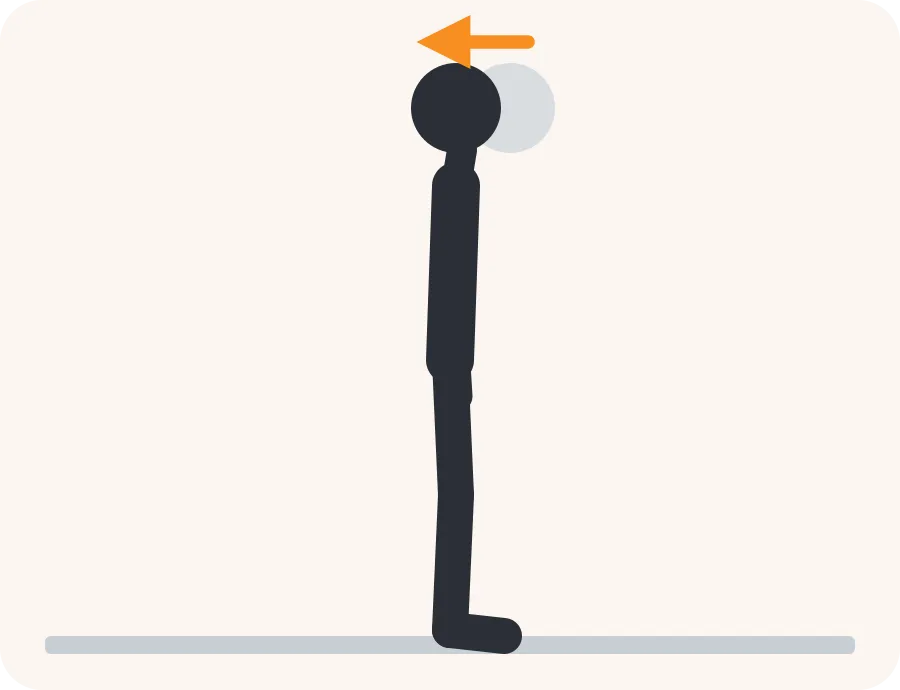
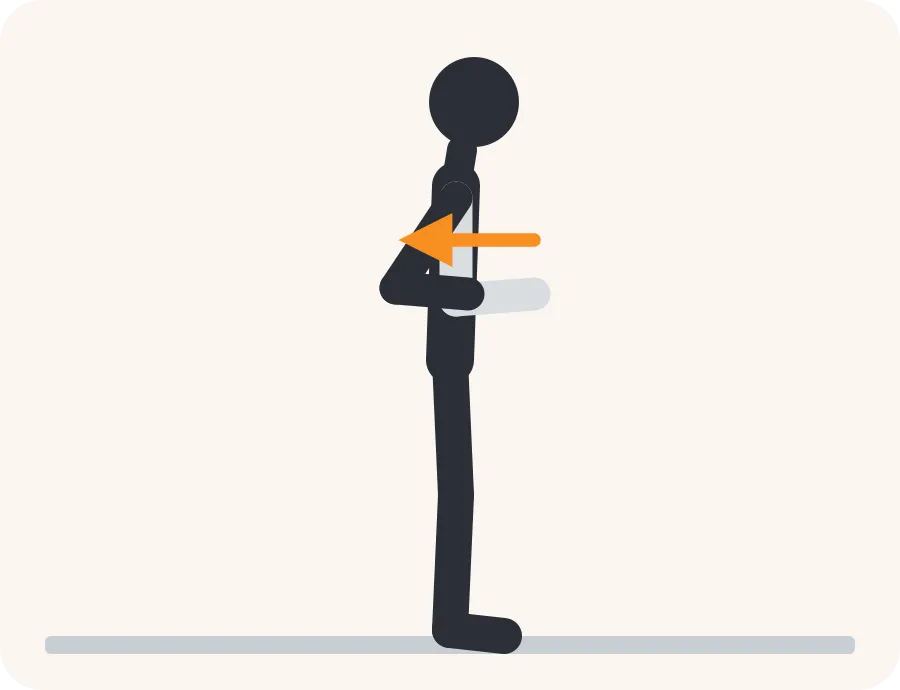
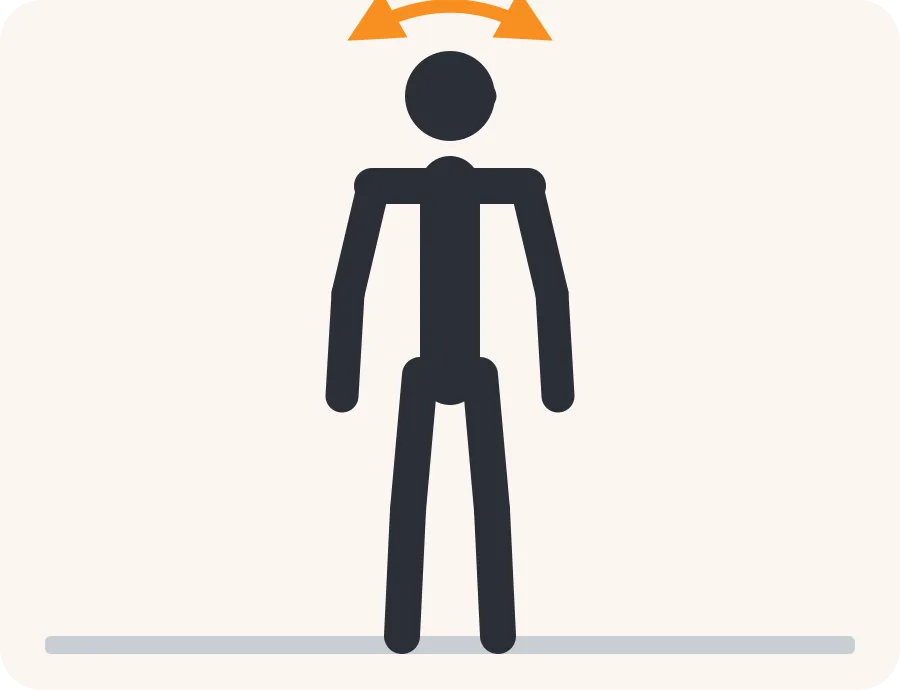
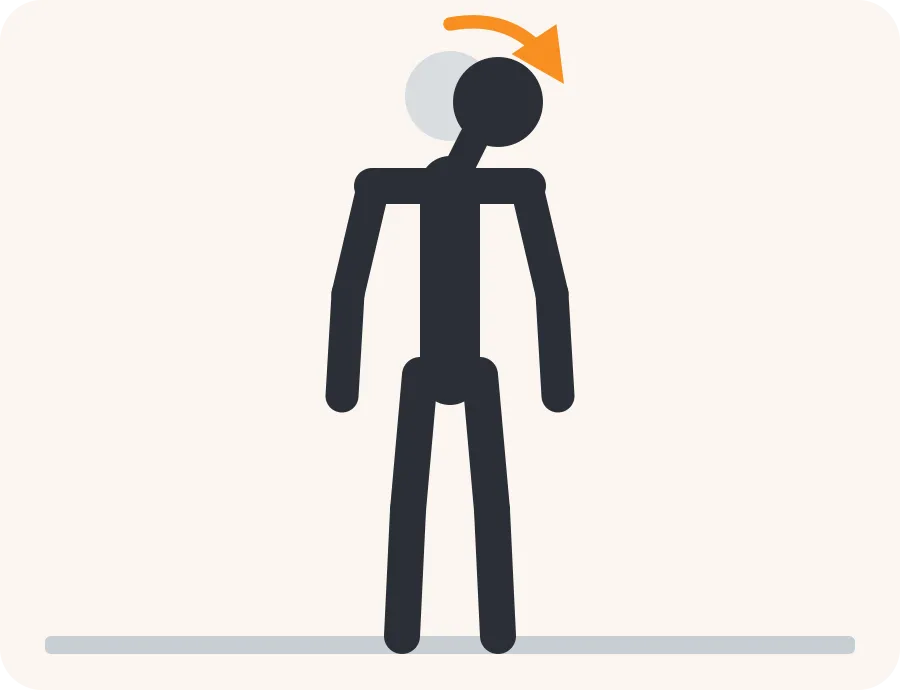
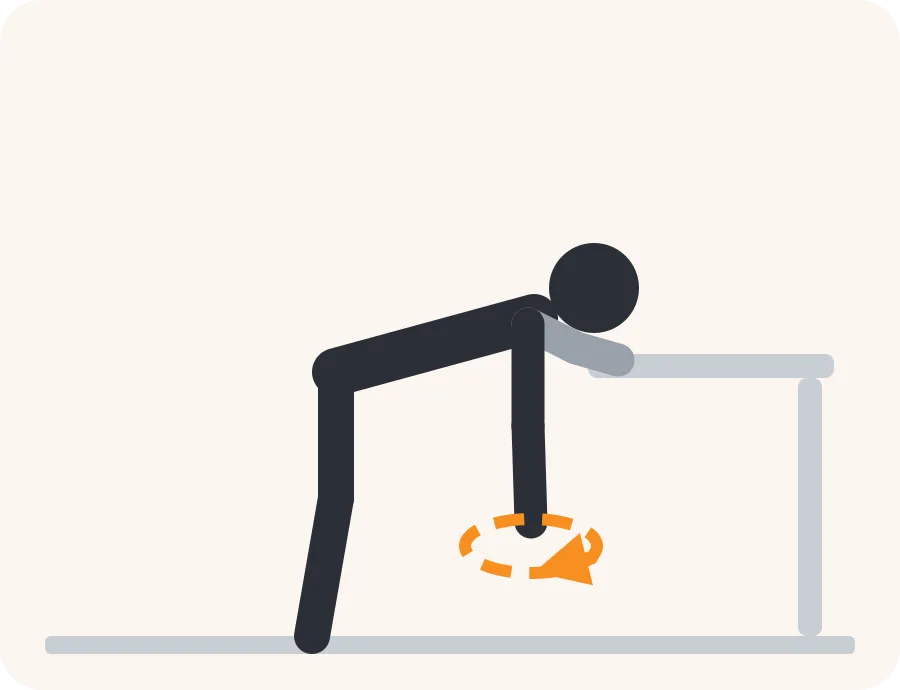
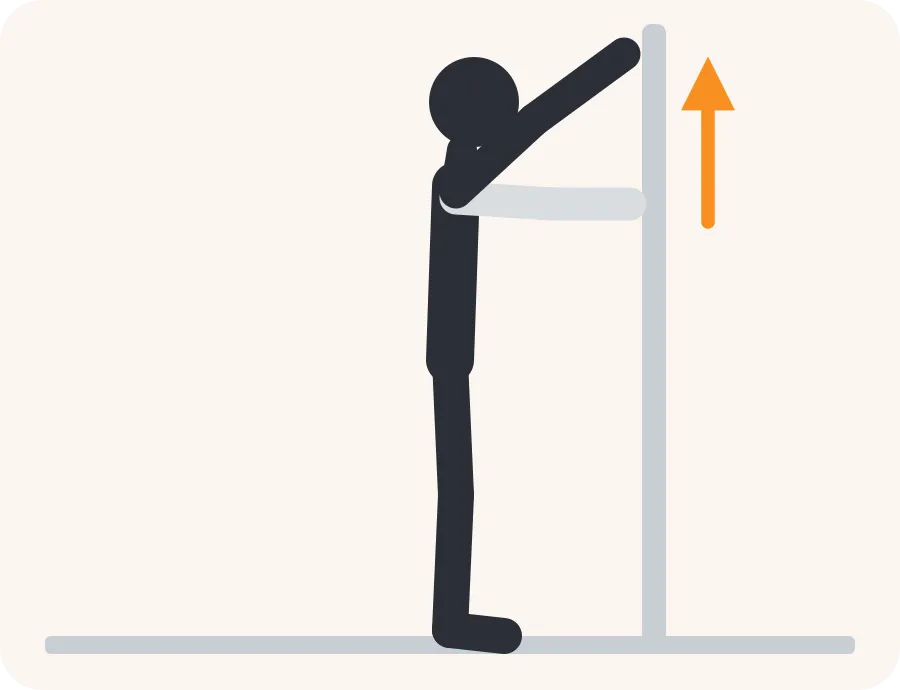
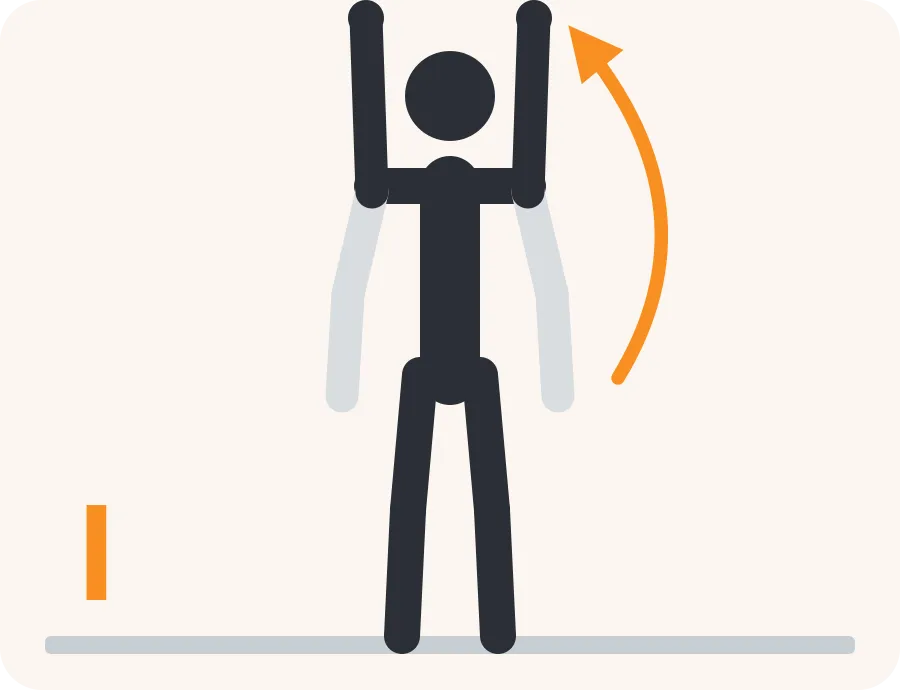
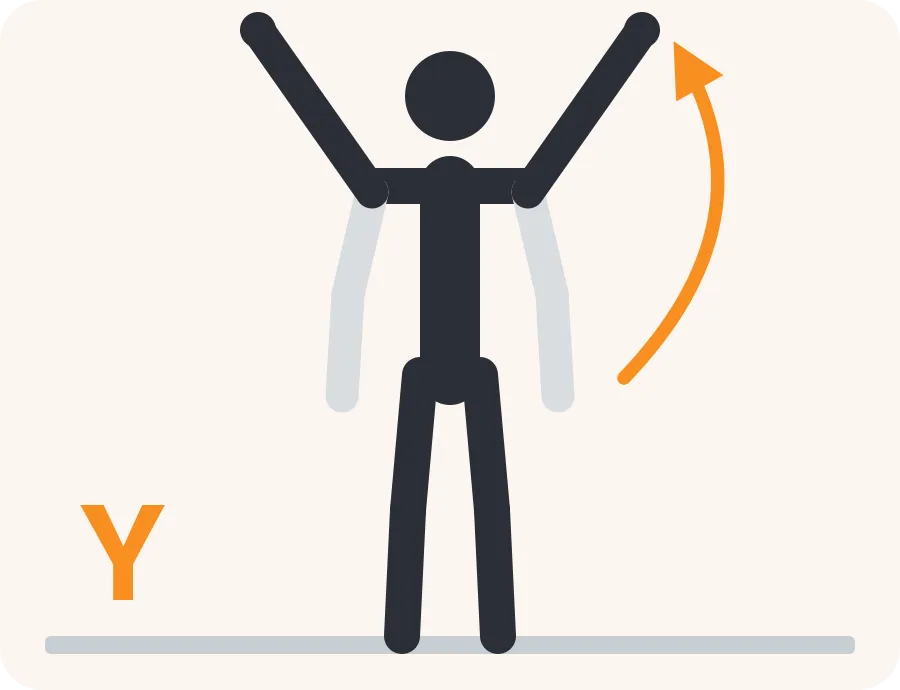
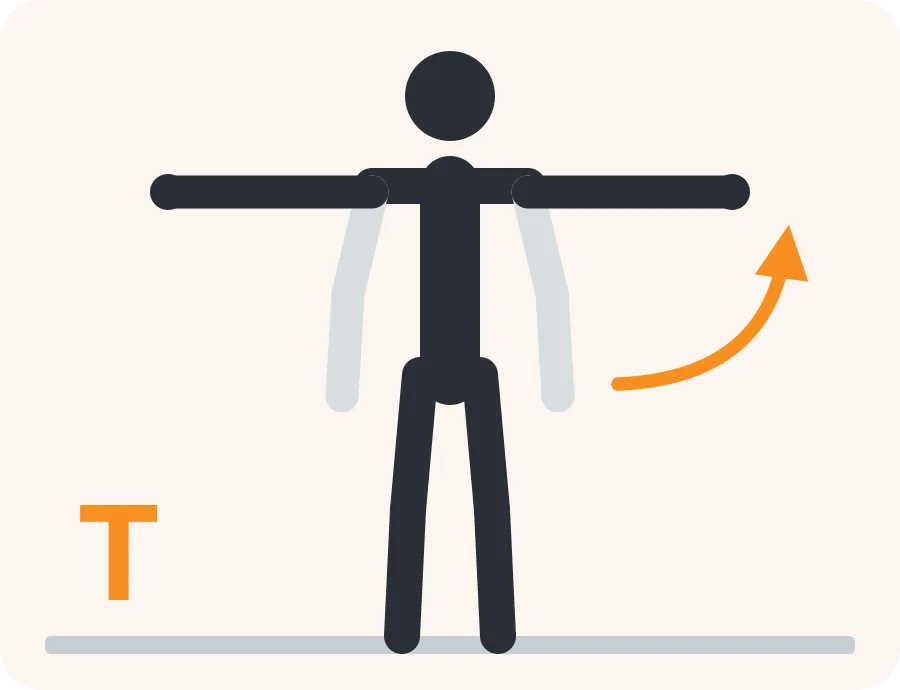
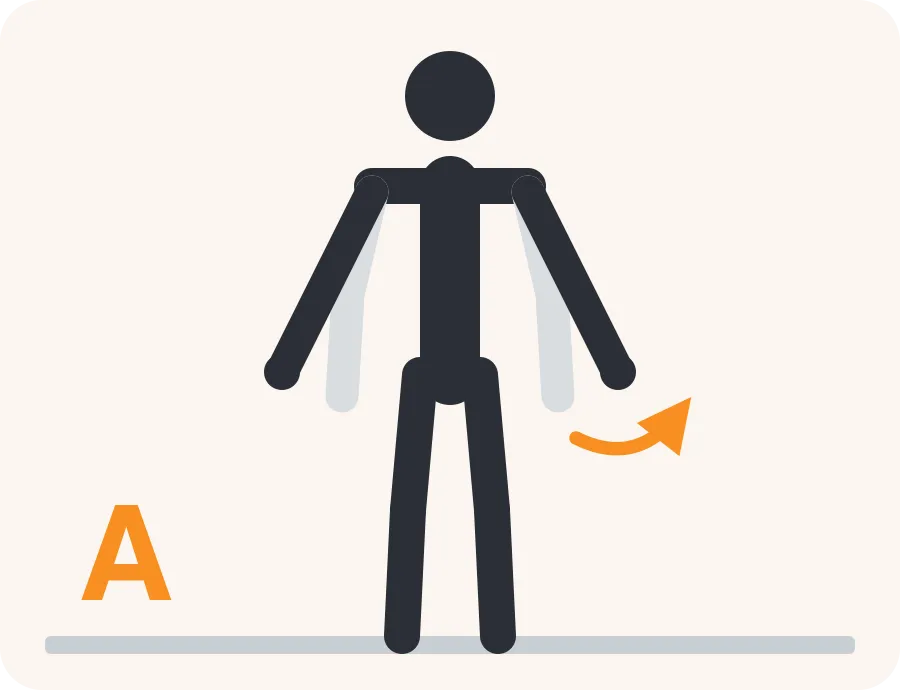
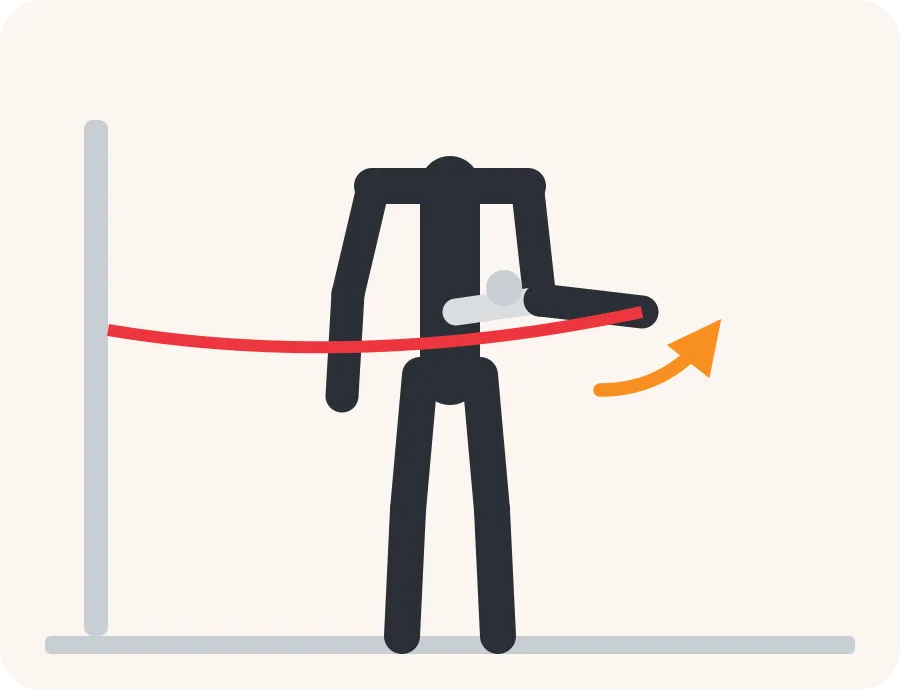
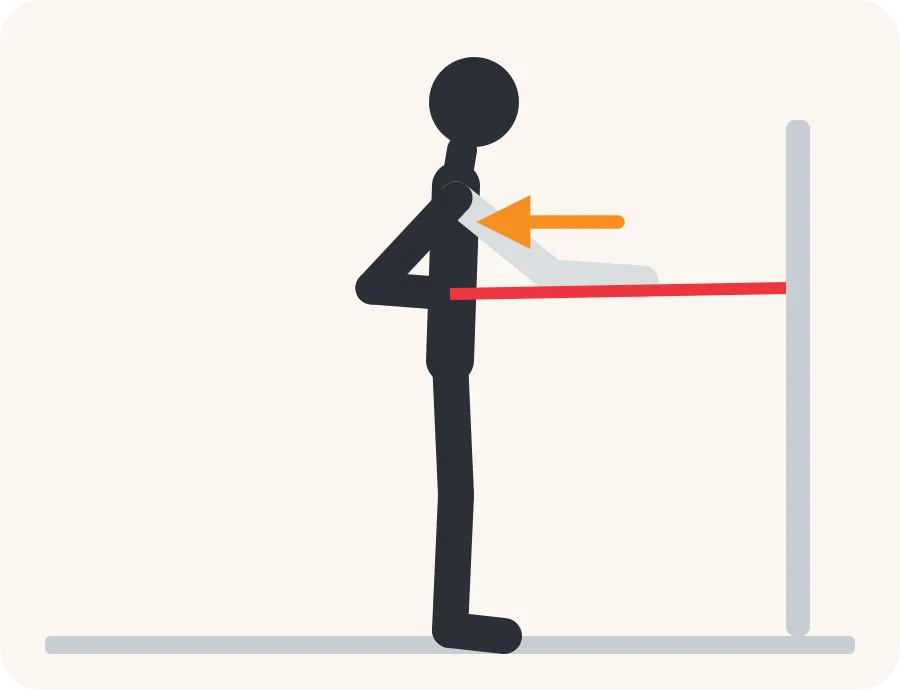
The machines help, but your home exercises do most of the work. On your first visit you learn about four simple exercises for your painful area, to do twice a day. Bring your exercise log to each visit; your technician counts the days and watches you do one to check your form. Tap any exercise below for its drawing, directions, mistakes to avoid and warning signs.
Exercises for the neck
Exercises for the low back
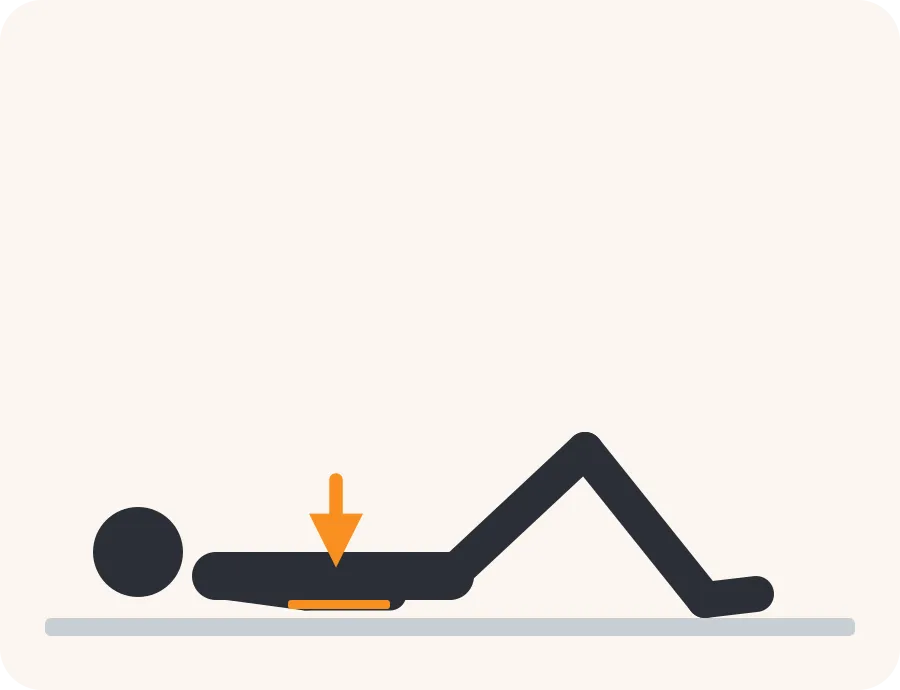
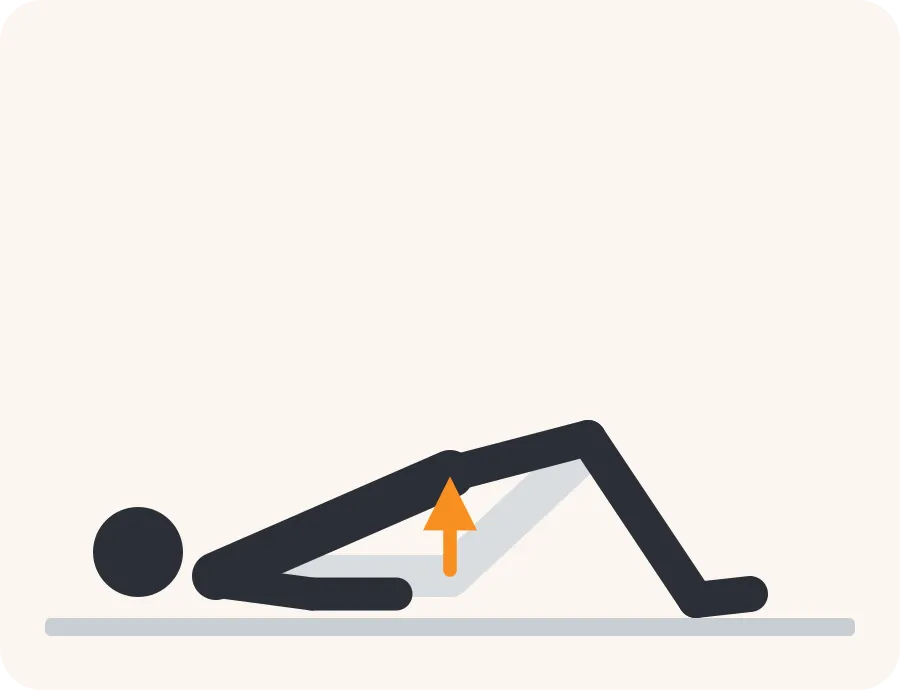
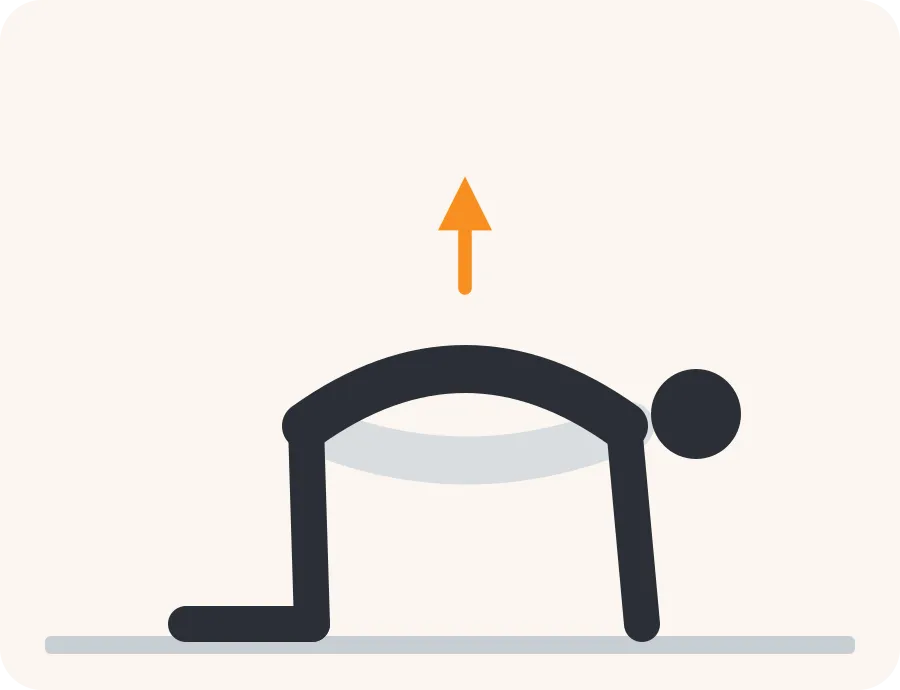
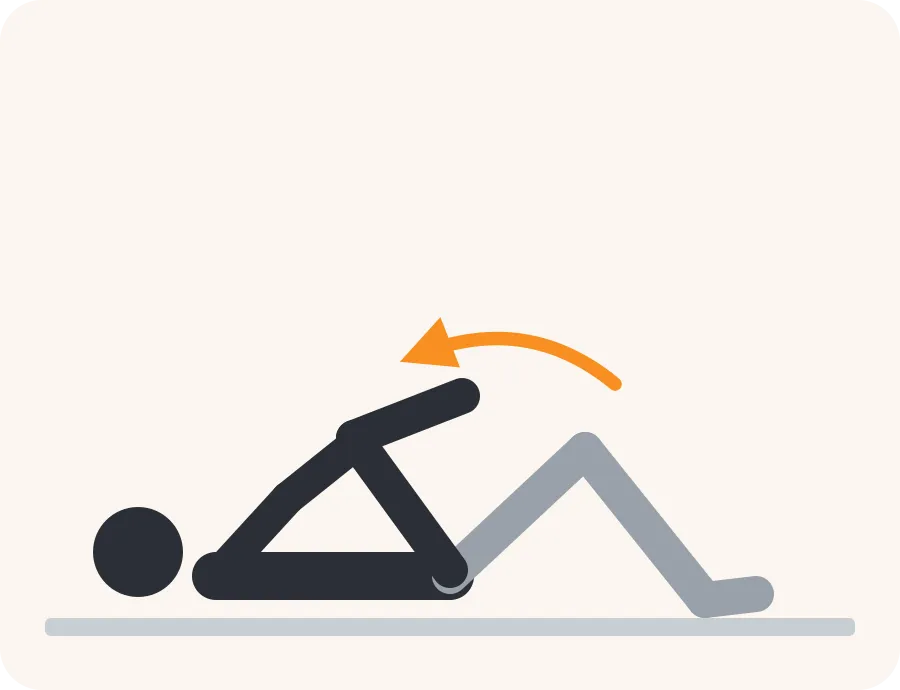
Exercises for the knee
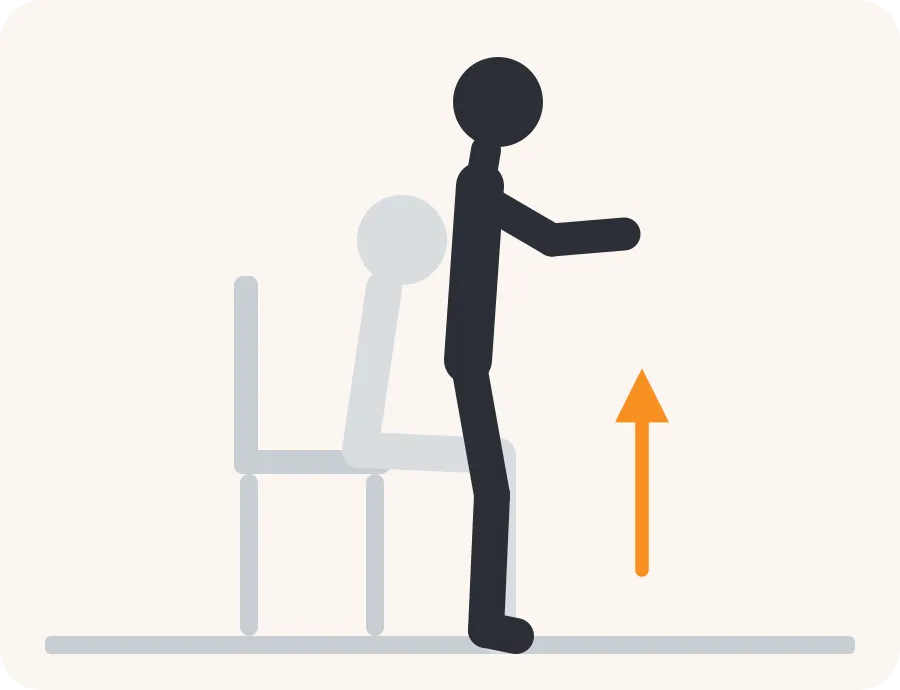
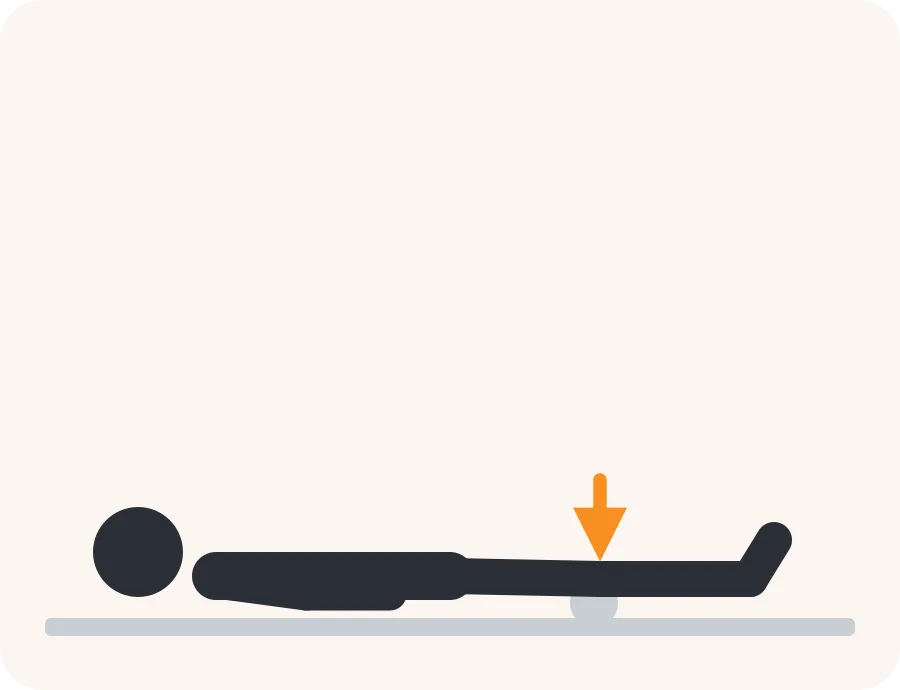
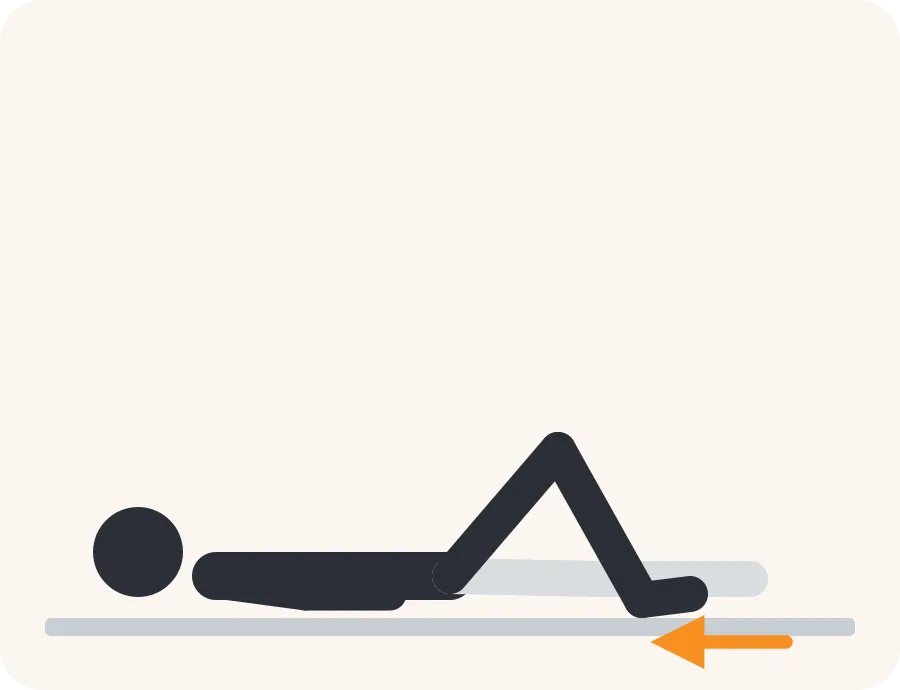
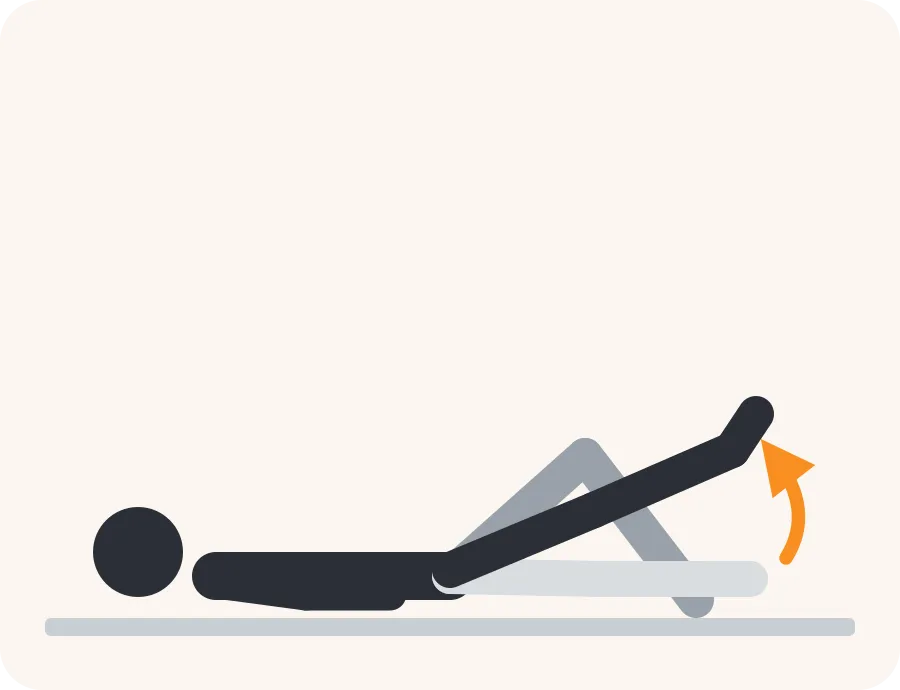
Exercises for the shoulder, I-Y-T-A series included
What equipment might you take home?
Ordered equipment is fitted to you in the clinic and explained step by step, with written directions to keep. You sign for each item one time, and that signature is the record.
Home TENS unit and electrodes
Pain relief between visits, with electrode care explained.
Fit and care →Why is food part of every visit?
Diet and metabolic health coaching
Dr. Padda treats chronic pain as, in large part, a metabolic problem. Raised insulin, belly fat and constant snacking keep the body inflamed, and inflamed tissue hurts more and heals slower. So every visit includes time on food. The written eating protocol is handed to you on day one: a ten-minute walk after you eat, drop seed oils and sugar, sleep seven hours or more, and eat inside a time window.
Read the full protocol →For the reasoning behind it, read why we treat insulin before we treat the joint, how high insulin makes you hurt and The Pained Brain.
Which tests might your physician order?
Some pain needs more than an exam to sort out. If your physician orders a test, we book it and check on it at each visit until the results are in.
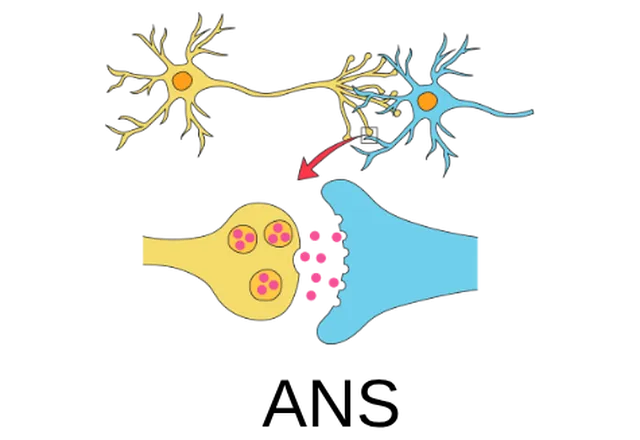
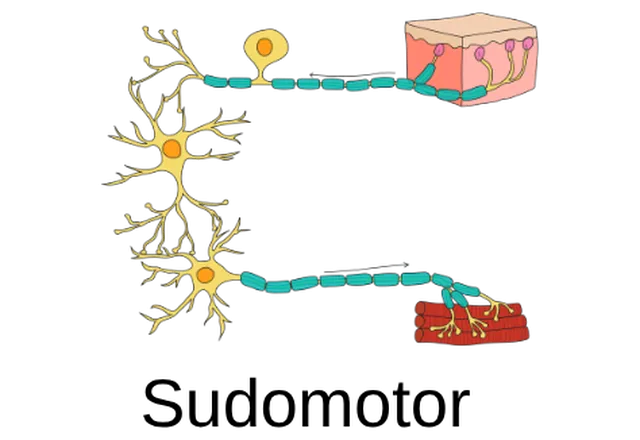
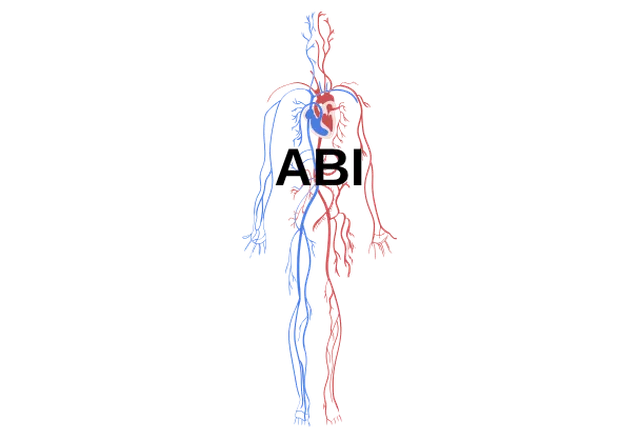
The  assessments add a closer look at circulation, nerve function, balance, thinking and metabolism:
What happens at each re-check?
Each re-check pairs a fresh questionnaire with a new exam. It ends one of two ways:
- You are finished. You go home with your final scores and a plan to keep the gains.
- You need more time. Your physician records why care should continue and what will be different, and sets the next re-check. Doing the same thing again is never, on its own, a reason to continue.
If progress stalls, your physician may look again for the pain generator with a diagnostic block, or discuss PRP or another procedure, before anyone talks about surgery.
Questions patients ask about physiotherapy
Is this program physical therapy?
No. Physical therapy comes from a licensed physical therapist. In this program a physician orders and oversees every treatment, and trained technicians deliver it. Learn more in our physical therapy FAQs.
Do I need a referral?
No. Call (314) 481-5000 or schedule online, and bring any imaging you have. Some insurance plans want a referral on file, so read do you need a referral for pain management.
Can I do the program between injections?
Yes, and that is the point of it. After each procedure your physician tells you what to pause and when to restart. Building strength in the low-pain weeks is what helps relief last longer. Read more on how often epidural injections can be repeated.
Will the treatments hurt?
Expect warmth, stretching or tingling. Shockwave may sting briefly. If anything is painful, say so and the machine is switched off. It helps to describe pain clearly; here is how to talk about your pain with a doctor.
Why is diet part of a pain program?
Because inflamed tissue hurts more and heals slower, and what you eat drives much of that inflammation. Read metabolic inflammation and chronic pain.
Where is the program located?
The Padda Institute Center for Interventional Pain Management is at 4477 Woodson Rd, Suite 100, St. Louis, MO 63134, near Lambert Airport. Call (314) 481-5000 or text (314) 886-5902. See all of our locations.
Sources
- Vernon H, Mior S. The Neck Disability Index: a study of reliability and validity. J Manipulative Physiol Ther. 1991;14(7):409-415. PMID 1834753
- Fairbank JC, Pynsent PB. The Oswestry Disability Index. Spine. 2000;25(22):2940-2952. doi:10.1097/00007632-200011150-00017
- Binkley JM, Stratford PW, Lott SA, Riddle DL. The Lower Extremity Functional Scale (LEFS). Phys Ther. 1999;79(4):371-383. PMID 10201543
- Beaton DE, Wright JG, Katz JN, et al. Development of the QuickDASH. J Bone Joint Surg Am. 2005;87(5):1038-1046. doi:10.2106/JBJS.D.02060
See every pain treatment we offer and the conditions we treat.