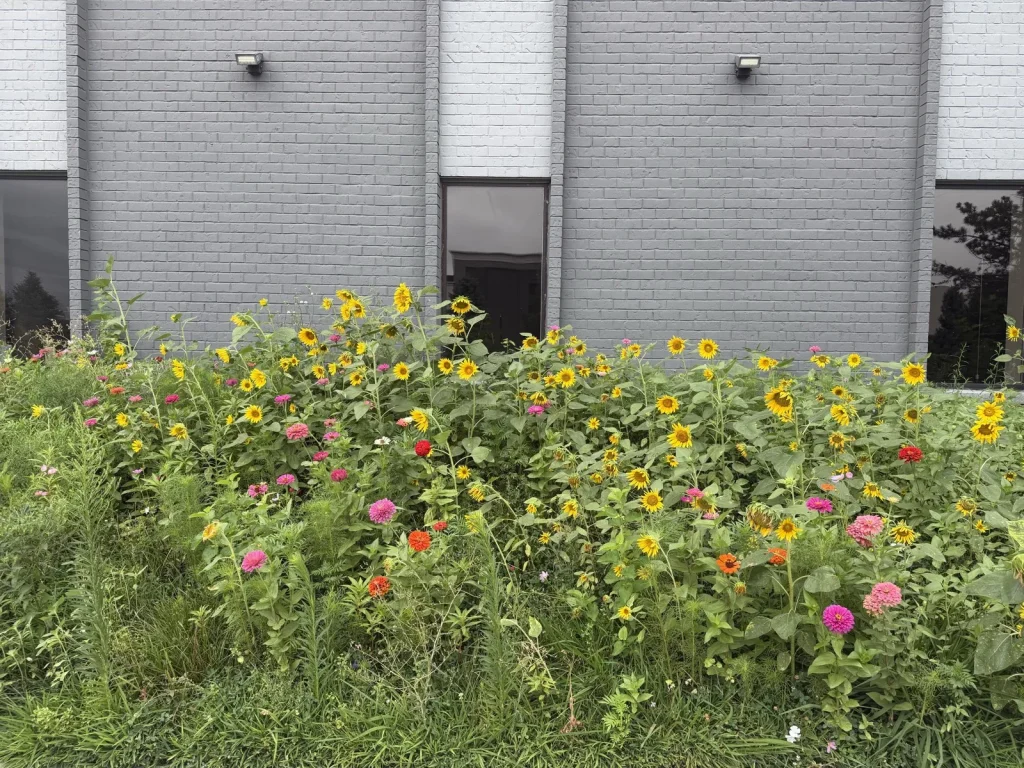
New horticulture retraining program for veterans with PTSD pairs quiet-by-design job training with a 0.2-acre tallgrass prairie restoration. A green roof is planned on Woodson Road.
St. Louis, MO, United States — August 7, 2026
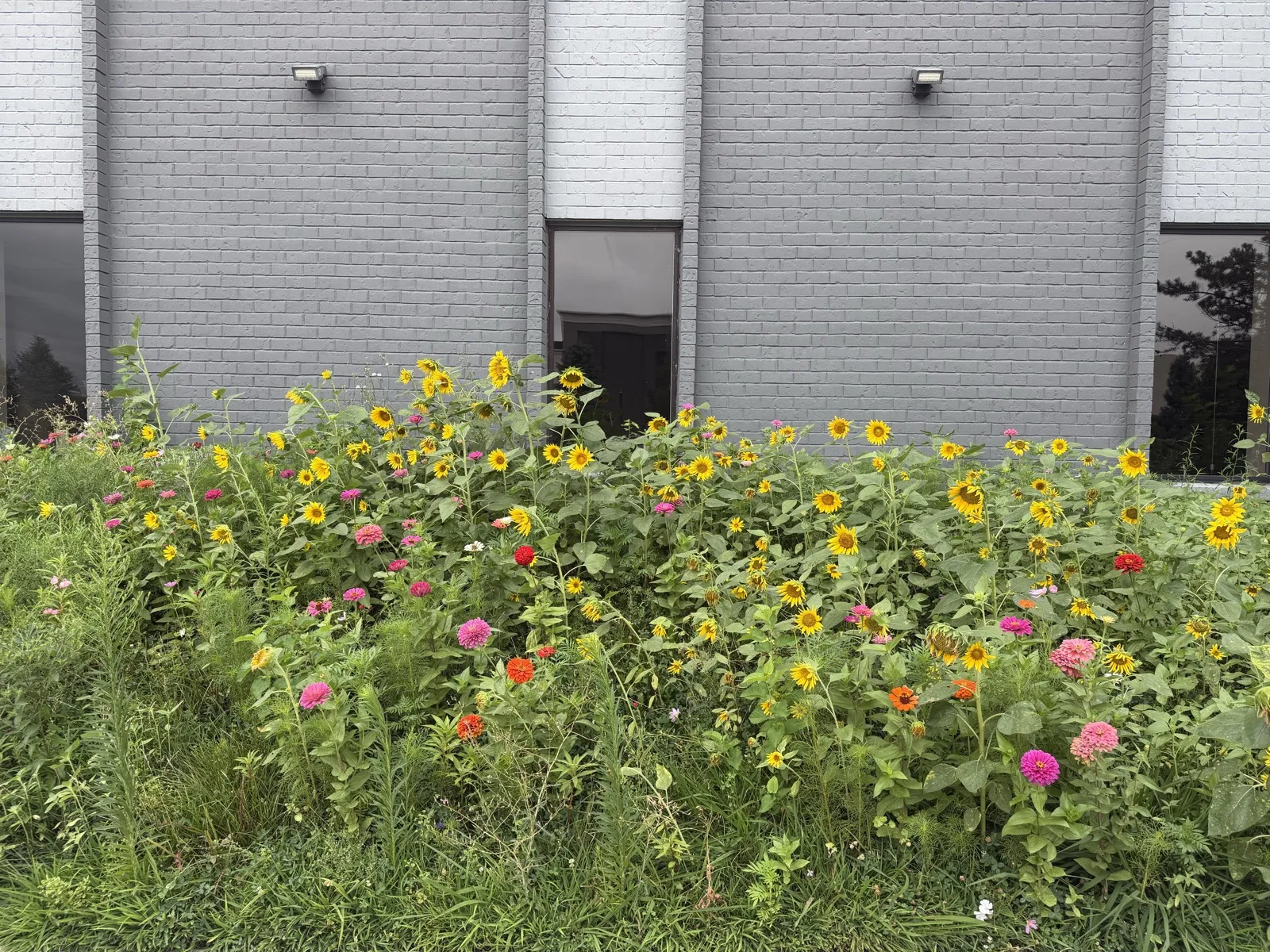
Valor Villages today launched its Horticulture Worker Retraining Program. It is a job-training path back to work, built for veterans whose PTSD and anxiety make ordinary job-site training unworkable. It is built most of all for those who struggle with the first minutes of social contact and with sudden, unpredictable noise.
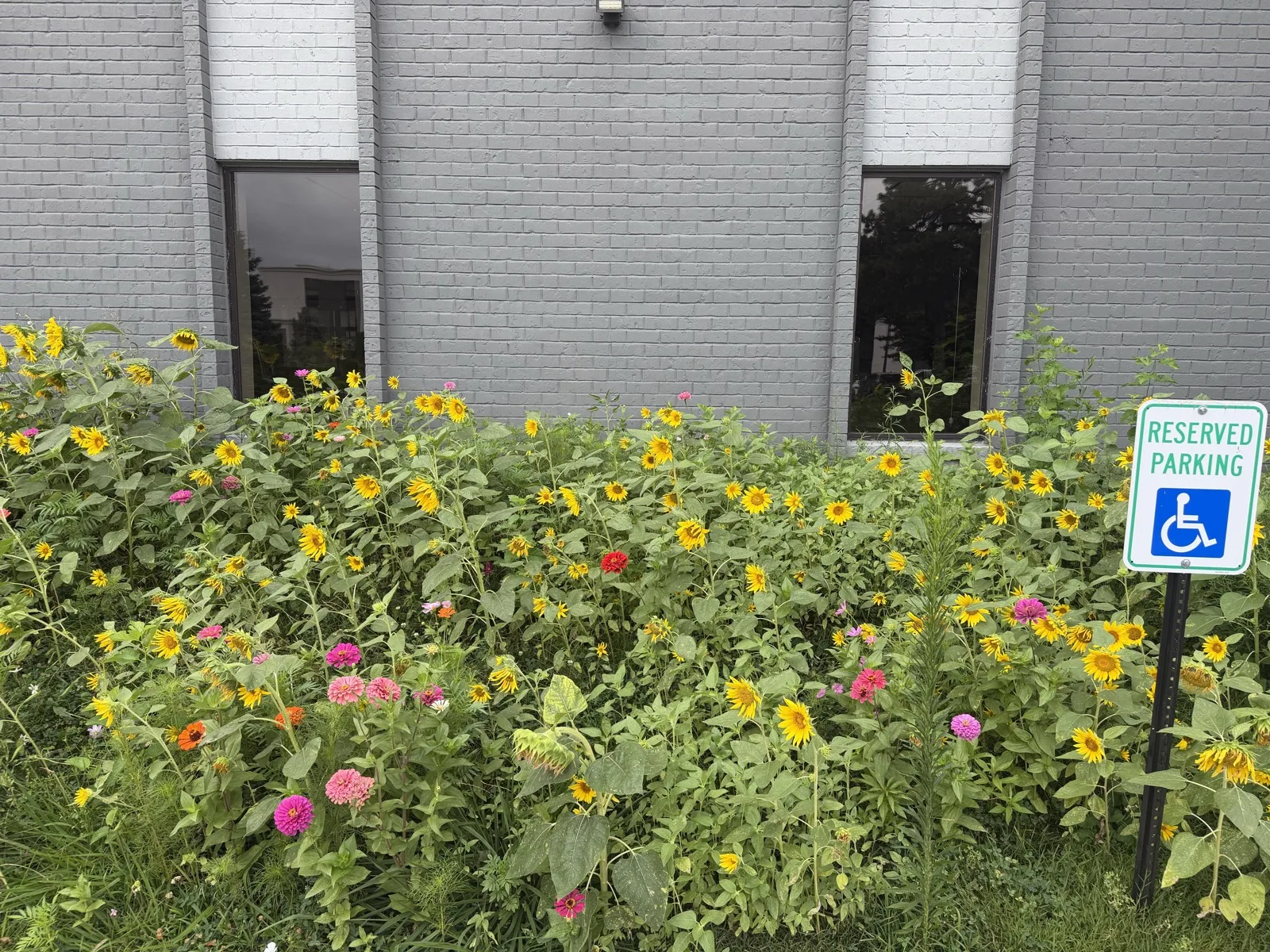
The program grew out of a March 2026 partnership between Valor Villages and the Padda Institute. It also grew out of clinical experience with veterans treated through the PTSD and trauma section of painmd.tv. Its anchor is a 0.2-acre restoration of historical Missouri tallgrass prairie. That prairie is an outdoor classroom and working green infrastructure at once.
The site was seeded into the season’s last freeze-thaw window on purpose. Most native wildflower and sedge seed needs cold-moist stratification (a cold, wet spell) to break dormancy. The nightly freeze and daytime thaw also work the scattered seed into the cracking soil without tilling.10, 11 The planting is in its first growing season.
The problem, in numbers
- 14.4% lifetime, 7.3% past-month. PTSD rates among U.S. veterans in the 2025–2026 National Health and Resilience in Veterans Study. That is up sharply from 8.0–9.4% and 4.7–5.0% in the 2011–2020 waves.1
- 14% of men, 24% of women. Share of the 5.8 million veterans served by VA in FY2024 carrying a PTSD diagnosis.2
- Hyperarousal drives noise intolerance. Disturbed sleep and exaggerated startle track significantly with reported noise sensitivity in veterans. Veterans also adapt less readily to repeated startling sounds.3, 4
A leaf blower firing up behind a trainee ends the training day. Most programs are not designed to account for that. This one is.
That design choice is not sentimental. Chronic noise is a measurable physiological stressor that keeps the nervous system in a defensive state. In trauma, the alarm circuitry is already stuck open rather than merely oversensitive. Telling a veteran that a sound is harmless does not reach the structure that makes the response.
Why horticulture
Therapeutic horticulture is not a first-line PTSD treatment. It supplements, and never replaces, cognitive processing therapy, prolonged exposure, and EMDR. The evidence is real:
- 211 patients, p < 0.001. A 2024 randomized controlled trial in Scientific Reports found horticultural therapy significantly reduced anxiety versus standard care at four weeks.5
- Cortisol drops in 30–60 minutes. Observed in the University of Tennessee’s veteran-specific horticultural therapy program.6, 7
- Single-session, sustained effect. Pilot work in at-risk veterans found lasting drops in stress, depression, pain, and loneliness. All are suicide risk factors.8
Design follows. Cohorts (training groups) are capped. Powered equipment runs only in announced windows. Work starts solo, then paired, then crew, on the trainee’s timeline. A low-stimulus retreat sits within sight of every work zone, so stepping back never means leaving.
Loneliness belongs on that list for a physiological reason, not a moral one: social isolation is an inflammatory state, and it acts like one in the bloodwork. A crew that a veteran can join at their own pace is a clinical variable, not an amenity.
The job market is there. BLS projects roughly 171,600 annual openings for grounds maintenance workers through 2034. The field requires no formal credential.9
Year one looks like failure. That’s the lesson.
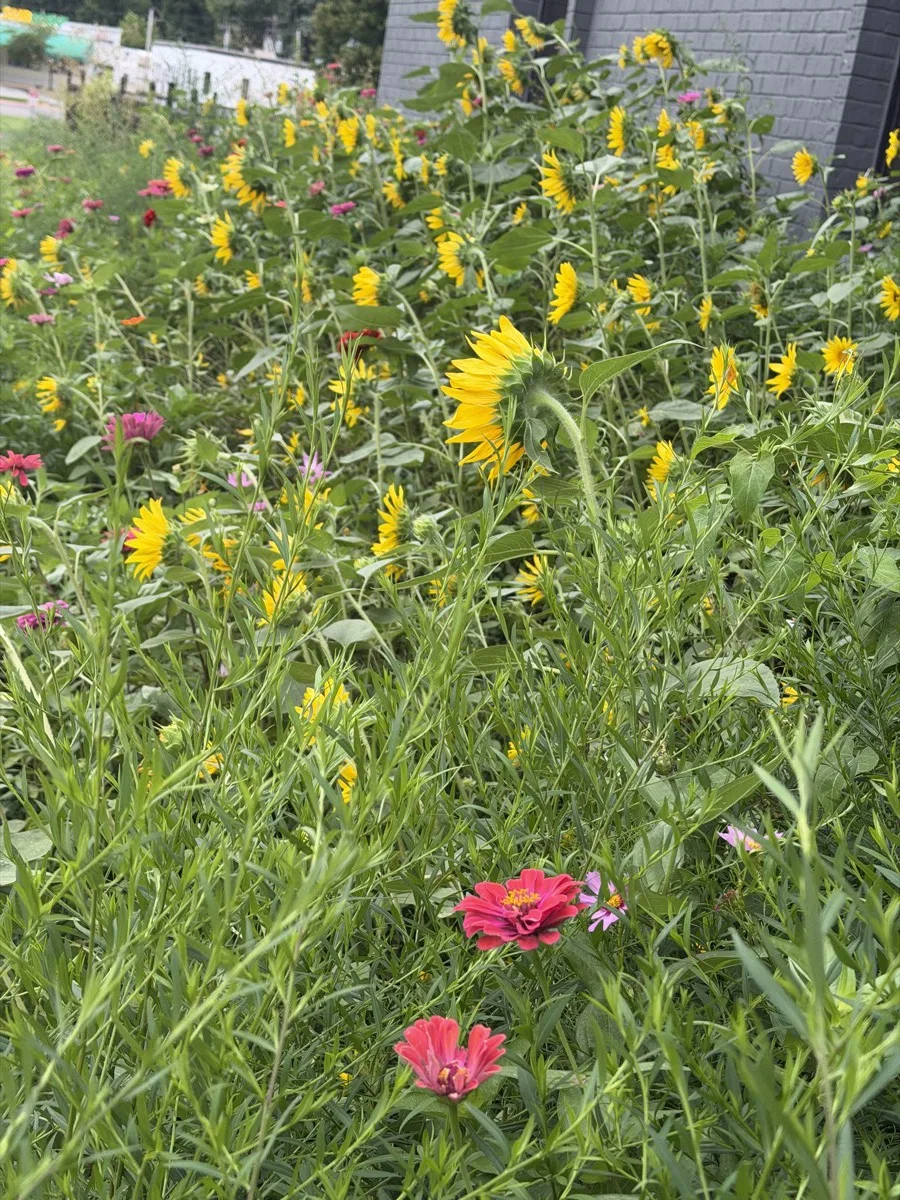
Restoration crews have an adage: first year they sleep, second year they creep, third year they leap. A new prairie does not look like a prairie. It looks patchy, weedy, unfinished. That is because the seeded natives are pouring everything into roots, not into anything a passerby can see. Professionals expect it. Neighbors don’t. The most common way a young restoration dies is simple. Someone lost patience with the look of it and reached for the mower.12
“It’s the same error we make with the patient. You judge the surface, you don’t like what you see, and you intervene against it — while the actual repair is happening underground, where you can’t grade it. Two years in, nobody is asking about the weeds.”
That is the terrain model taught on painmd.tv, applied to ground: symptoms are signals, not the disease. Recovery comes from fixing the structural, neurological, and metabolic conditions underneath. It does not come from suppressing what shows on the surface. As roots deepen, they feed the fungi, nematodes, and invertebrates that rebuild soil structure. That restores the ground’s power to hold water. The weeds recede — not because they were sprayed, but because the terrain stopped favoring them.
Veterans hear this in week one. Then they spend two years watching it happen.
What 0.2 acres actually does
- Less than 1% remains. Missouri held roughly 15 million acres of tallgrass prairie — a third of the state, including nearly half of present-day St. Louis. Fewer than 45,000 original acres survive.13, 14
- Roots to 15 feet. Two-thirds of a prairie’s living mass is below ground.15
- 100% infiltration. In a USGS side-by-side study, a prairie-planted rain garden in clay soaked up all precipitation and snowmelt across four water years. The turf version managed 96%.16
- 25-fold. Increase in saturated hydraulic conductivity under deep-rooted prairie plantings versus turfgrass.17
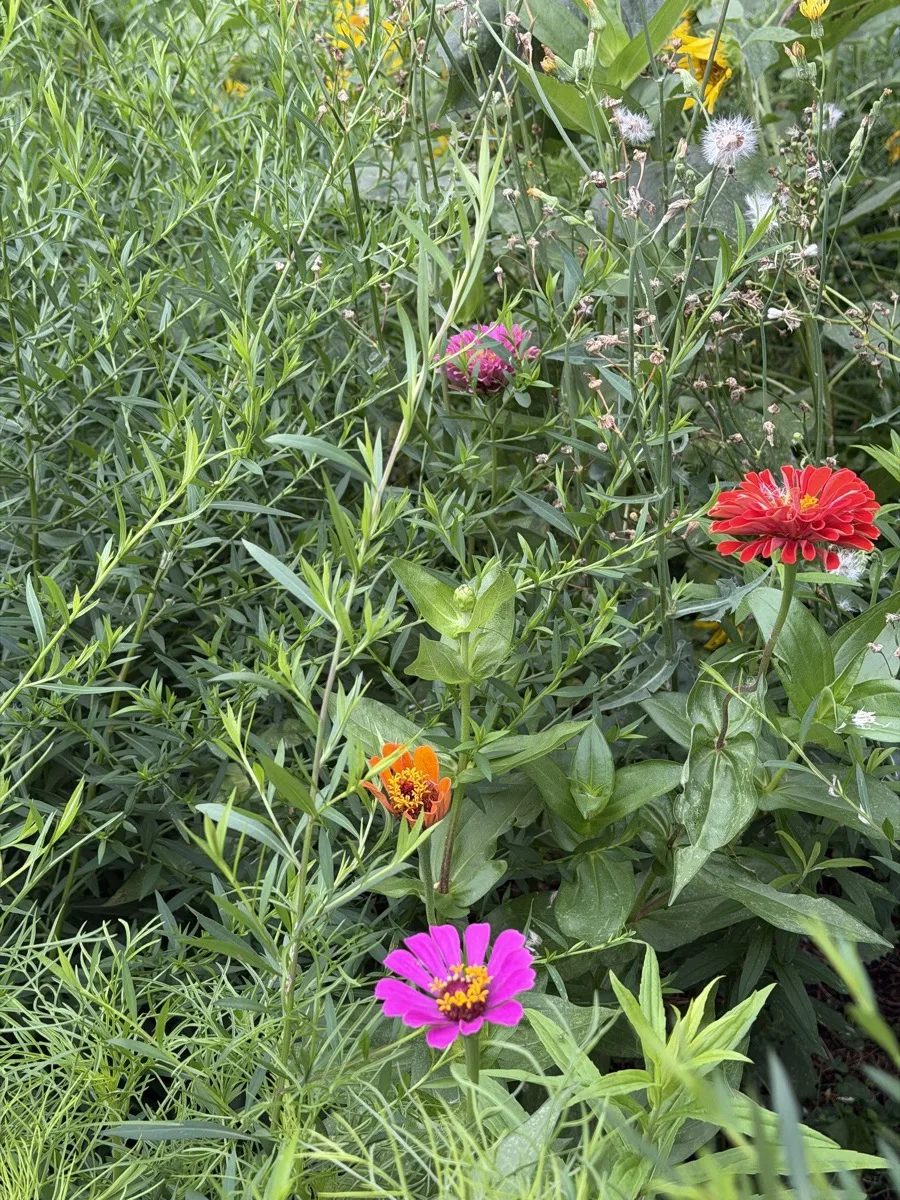
The planting is designed as pollinator habitat. USFWS proposed listing the monarch as threatened in December 2024. It estimated a 56–74% chance that the eastern migratory population goes extinct over 60 years. The final rule is still pending.18, 19 Missouri sits in the migration corridor. In 2016 it became the first state with a dedicated monarch and pollinator plan, which targets 385,000 acres over two decades.20

Valor Villages is aligning the planting with Missouri Department of Conservation community conservation practices. It sources species per Grow Native! guidance.21, 22 Early planning is underway for an extensive green roof on the Woodson Road building. EPA credits this kind of system with 60–100% runoff reduction.23, 24
Veterans trained on site will install, monitor, and maintain both systems.
Where this connects to the clinical work
The retraining program is a vocational pathway, not a treatment. It sits alongside care delivered inside the building, and the veterans in it are often patients there. Four threads run through both:
The stuck alarm, and how it is interrupted
PTSD is not a memory problem. It is an autonomic one. It is a threat-detection system that never stood down. That is why a stellate ganglion block is used in trauma at all. It interrupts sympathetic traffic at the cervical chain (the nerve chain in the neck). And objective signs tell you whether the block actually reached its target, not just whether it was performed. The same family of sympathetic blocks is used for cluster headache and migraine. That is not a coincidence. It is the same relay.
Counseling and coaching, measured rather than assumed
Acceptance and Commitment Therapy in PTSD and ACT in chronic pain share a premise with the prairie. You stop fighting the surface and start rebuilding capacity underneath it. Progress is tracked, not felt. The PCL-5 and event centrality put a number on something patients would otherwise call only a good week or a bad one. It starts with a behavioral definition of trauma you can actually measure.
The gut, the brain, and the veteran
The brain-gut microbiome axis is one of the routes by which chronic stress becomes chronic physiology. In veterans, researchers have found a link between PTSD and the oral microbiome. It is a reminder that the diagnosis lives in the body, not only in the chart.
Lifestyle, meaning the things that are actually modifiable
Noise, light, sleep, isolation and diet are not soft variables. Noise, light exposure and circadian disruption each have a mechanism, and what a patient’s life at home looks like changes what treatment can do. There are also med-free approaches to anxiety and PTSD with evidence behind them. There is also work on cranial electrotherapy stimulation for pain in veterans.
A note on scope: nothing described here treats PTSD by itself. The program is a place to work in conditions that do not set off the alarm. The clinical care happens elsewhere.
About Valor Villages
Valor Villages Inc. is a St. Louis 501(c)(3) nonprofit serving veterans and children in crisis. In November 2025 it opened Valor #1 Housing, a residence for eight formerly unhoused veterans, and it is currently raising funds through its Building Bright Futures campaign for a residential home for children facing homelessness or displacement. Amanda Reynolds is executive director. More at ValorVillages.org.
About the Padda Institute and painmd.tv
The Padda Institute, 4477 Woodson Rd, Suite 100, St. Louis, MO 63134, provides interventional pain and regenerative medicine care in the St. Louis metropolitan area. painmd.tv is its patient education platform. Dr. Gurpreet Singh Padda, MD, MBA, MHP, founder of the Padda Institute, serves as chief medical officer of Valor Villages.
Where this release was distributed
Distributed via EIN Presswire on August 7, 2026 and syndicated to the following newswires, news databases and broadcast affiliate sites. These are syndicated press-release reprints, not independent editorial coverage.
Newswires
Associated Press (AP News) · Google News · Missouri Newswire · United States Newswire
Missouri and regional broadcast
KTVI FOX 2 (St. Louis) · KSN NBC / KODE ABC 12 (Joplin) · WDAF FOX 4 (Kansas City) · WGN 9 (Chicago) · WHBF CBS 4 (Rock Island) · WTVO ABC 17 (Rockford)
National broadcast affiliates
WPIX CW 11 (New York) · KDVR FOX 31 (Denver) · KXAN NBC 36 (Austin) · WJW FOX 8 (Cleveland) · KTXL FOX 40 (Sacramento) · WKRN ABC 2 (Nashville) · KOIN CBS 6 (Portland) · KLAS CBS 8 (Las Vegas) · WIAT CBS 42 (Birmingham) · WREG CBS 3 (Memphis) · and approximately 90 further affiliate sites
News and research databases
Bloomberg Terminal · Muck Rack · Moody’s Analytics NewsEdge · Naviga · MENAFN · Crunchbase
Trade and Missouri publications
Missouri Health Digest · Missouri Politics Today · The Missouri Post · Jefferson City Journal · Show-Me State Reporter · Healthcare Press Releases · Today in Medicine · National Law Review
Read the release at EIN Presswire. Publishers are not required to report placements back to the distributor, so this list is not exhaustive.
Media contact
Amanda Reynolds, Executive Director
Valor Villages Inc.
(314) 714-0902 · amandar@valorvillages.org
Living with PTSD, anxiety and pain that will not settle?
The Padda Institute treats the physiology underneath the symptom — sympathetic blocks, metabolic and inflammatory workup, in-house counseling and coaching — at 4477 Woodson Rd, Suite 100, minutes from St. Louis Lambert International Airport.
Or call or text us.
Msg & data rates may apply. Reply STOP to opt out, HELP for help. Text is not a secure channel — please don’t send medical or personal health information by text, and don’t use text for emergencies.
If you are a veteran in crisis, call or text 988 and press 1 for the Veterans Crisis Line.
References
- Nichter B, et al. National trends in PTSD among U.S. veterans — 2025–2026 National Health and Resilience in Veterans Study. The Journal of Clinical Psychiatry. psychiatrist.com
- U.S. Department of Veterans Affairs, National Center for PTSD. How common is PTSD in veterans? ptsd.va.gov
- Prevalence of hyperacusis diagnosis in veterans who use VA healthcare. Ear and Hearing. 2024;45(2). PMC10868671
- Acquired central auditory processing deficits in service members and veterans. Journal of Speech, Language, and Hearing Research. doi:10.1044/2019_JSLHR-19-00293
- Joubert L, et al. Impact of horticultural therapy on patients admitted to psychiatric wards: a randomised, controlled and open trial. Scientific Reports. 2024;14. doi:10.1038/s41598-024-65168-0
- Stowell DR, Owens GP, Burnett K. A pilot horticultural therapy program serving veterans with mental health issues: feasibility and outcomes. Complementary Therapies in Clinical Practice. 2018;32. PMID 30057063
- Healing horticulture: how it helps veterans heal PTSD. WVLT News coverage of the University of Tennessee program, July 28, 2025. wvlt.tv
- Pilot evaluation of horticultural therapy in improving overall wellness in veterans with history of suicidality. Complementary Therapies in Medicine. 2021;59:102728. doi:10.1016/j.ctim.2021.102728
- U.S. Bureau of Labor Statistics. Occupational Outlook Handbook: grounds maintenance workers. bls.gov
- Tallgrass Prairie Center, University of Northern Iowa. Seeding timing — dormant and frost seeding. Integrated Roadside Vegetation Management Technical Manual. tallgrassprairiecenter.org
- Prairie Moon Nursery. How to germinate native seeds — dormancy and cold-moist stratification. prairiemoon.com
- The Prairie Enthusiasts. Why prairie restorations look messy — at first. theprairieenthusiasts.org
- Missouri Department of Conservation. Tallgrass prairie: an American original landscape. mdc.mo.gov
- Missouri Prairie Foundation. What is prairie? moprairie.org
- Missouri Department of Conservation. Show-Me Prairie: grassland conservation. Missouri Conservationist, July 2017. mdc.mo.gov
- U.S. Geological Survey. Scientific Investigations Report 2010-5077: hydrologic performance of turf and prairie rain gardens. pubs.usgs.gov (PDF)
- Vegetation alters soil water drainage and retention of replicate rain gardens. Water. 2020;12(11):3151. doi:10.3390/w12113151
- U.S. Fish and Wildlife Service. Endangered and threatened wildlife and plants: threatened species status with section 4(d) rule for monarch butterfly. Federal Register, December 12, 2024. federalregister.gov
- Xerces Society. U.S. Department of the Interior delays monarch butterfly listing. xerces.org
- Rural Missouri communities help monarch. Fulton Sun, January 15, 2025 — coverage of the Missouri Monarch and Pollinator Conservation Plan. fultonsun.com
- Missouri Department of Conservation. Community conservation funding opportunities. mdc.mo.gov
- Grow Native! Missouri Prairie Foundation native plant program. grownative.org
- U.S. Environmental Protection Agency. Using green roofs to reduce heat islands. epa.gov
- Green roof stormwater retention performance. Journal of Environmental Management. 2021. doi:10.1016/j.jenvman.2021.112974
This article is published for education and is not medical advice. Therapeutic horticulture supplements, and does not replace, evidence-based PTSD treatment. If you are a veteran in crisis, call or text 988 and press 1.
Dr. Gurpreet Singh Padda, MD, MBA, MHP